
 EN
EN
Managing a fleet without visibility is like navigating without a map. Every day, fleet operators face real operational risks — driver inefficiencies, unauthorized vehicle use, rising fuel costs, and liability exposure — that quietly erode profitability and safety. A reliable vehicle tracking device changes that equation entirely. It gives fleet managers continuous, real-time insight into where every asset is, how it is being used, and whether it is operating within defined performance and safety standards.
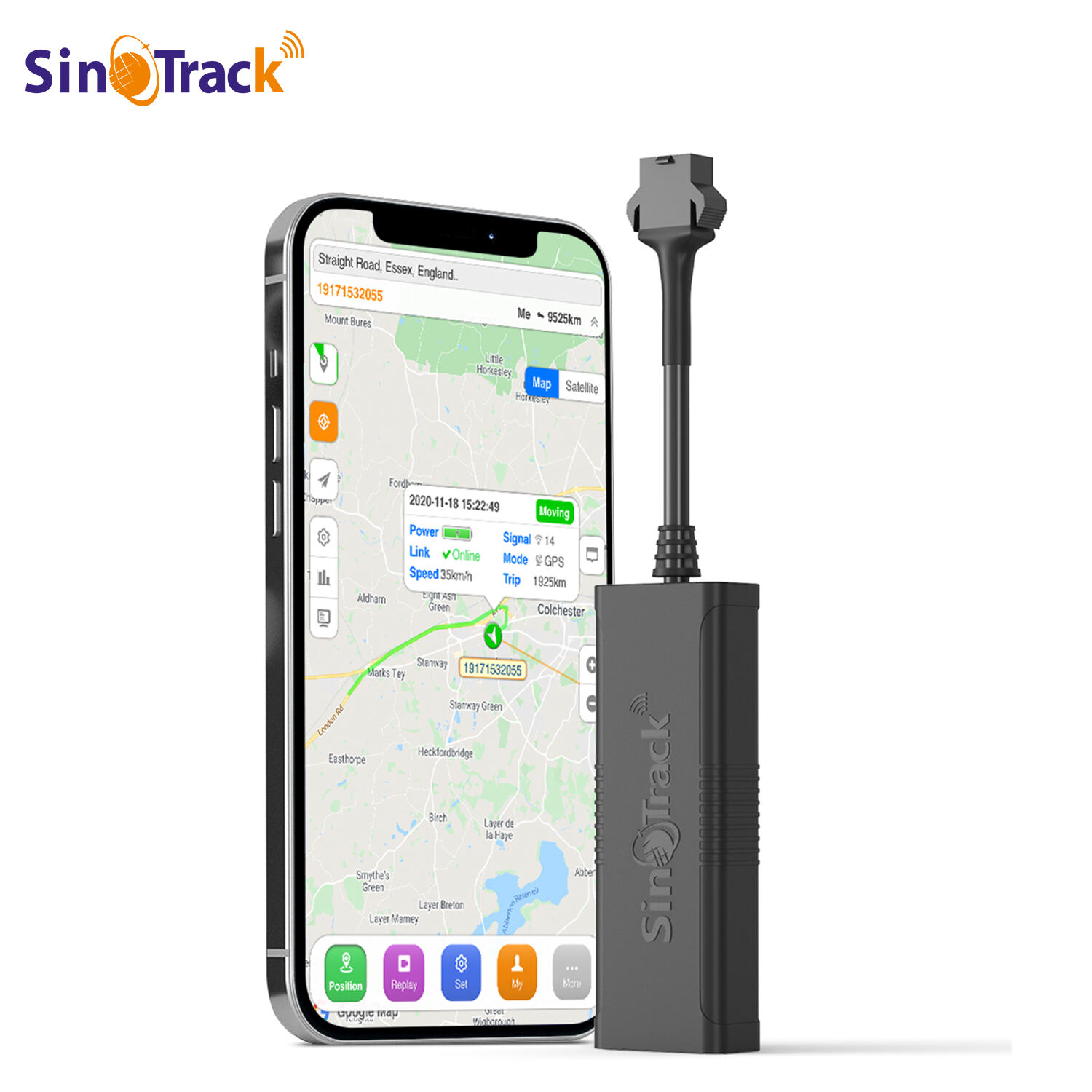
The case for adopting a vehicle tracking device across your fleet is no longer purely a technology conversation. It is a business strategy conversation. Companies operating delivery vehicles, field service teams, logistics trucks, construction equipment, or any form of mobile workforce are all subject to the same operational pressures — and the same opportunity to create measurable improvements through tracking technology. This article explains why a vehicle tracking device is no longer optional for any serious fleet operation, and what specific business outcomes you can expect when you deploy one effectively.
The Real Cost of Untracked Fleets
Hidden Inefficiencies That Add Up Fast
When a vehicle tracking device is not in place, fleet managers are essentially operating on assumptions. Drivers self-report their locations, mileage, and job completion times. This introduces significant room for error — and in some cases, deliberate misreporting. Without objective data, it becomes extremely difficult to identify which routes are inefficient, which vehicles are idling excessively, and which drivers are consuming more fuel than necessary.
Fuel waste alone can represent a substantial share of total fleet operating costs. Excessive idling, inefficient routing, and aggressive driving behaviors such as hard braking and rapid acceleration all contribute to abnormal fuel consumption. A vehicle tracking device captures this data automatically and continuously, giving managers the foundation they need to act on real patterns rather than suspicions or anecdotal reports.
Maintenance is another area where the absence of a vehicle tracking device creates unnecessary costs. Without accurate mileage and engine usage data, maintenance schedules are often either missed or performed prematurely. Both outcomes are wasteful. Missed maintenance leads to breakdowns and unexpected downtime, while premature servicing consumes labor and parts budgets unnecessarily. Accurate tracking data enables condition-based and usage-triggered maintenance planning that keeps vehicles running longer at lower cost.
Liability and Compliance Exposure Without Tracking
Untracked fleets carry hidden legal and regulatory exposure. If one of your vehicles is involved in an accident or a customer dispute, and you have no data record of where the vehicle was or how it was being driven, your business is in a vulnerable position. A vehicle tracking device creates a verifiable, time-stamped record of vehicle activity that can be used to resolve disputes, support insurance claims, and demonstrate regulatory compliance.
In industries where drivers are subject to hours-of-service rules or geographic restrictions, a vehicle tracking device provides the documentation layer that compliance audits require. Without it, even well-intentioned operations can fail to produce the records they need when regulators ask for them. The cost of non-compliance in these situations can far exceed the cost of simply equipping the fleet with the right technology from the outset.
How a Vehicle Tracking Device Transforms Day-to-Day Fleet Operations
Real-Time Location Visibility and Dispatch Efficiency
One of the most immediate operational benefits of deploying a vehicle tracking device is the ability to see every vehicle's location in real time. This makes dispatching dramatically more efficient. Instead of calling drivers to ask where they are, managers can see the live map and assign the nearest or most available vehicle to a new job. This reduces response times, improves customer service, and makes better use of the vehicles already on the road.
Real-time visibility also supports better communication with customers. When a client asks where their delivery or service technician is, the dispatcher can provide an accurate estimated arrival time based on actual GPS data rather than a rough estimate. This level of precision builds customer trust and reduces the volume of inbound inquiries your team needs to handle, freeing them to focus on more productive tasks.
For fleets with multiple depots or large geographic coverage areas, a vehicle tracking device enables centralized oversight of a distributed operation. Managers can monitor the entire fleet from a single dashboard, identify bottlenecks, and respond to deviations from planned routes before they cause customer-facing problems. This level of control simply is not achievable without a vehicle tracking device in place.
Driver Behavior Monitoring and Safety Improvements
A vehicle tracking device does far more than show location — it records how a vehicle is being driven. Speeding events, hard braking, sharp cornering, and rapid acceleration are all behaviors that increase accident risk, accelerate vehicle wear, and inflate fuel costs. When drivers know their behavior is being monitored, performance typically improves. Studies in fleet management consistently show that driver behavior scores improve significantly after a vehicle tracking device is introduced.
Beyond behavioral improvement through awareness, tracking data supports structured coaching programs. Fleet managers can review individual driver performance reports and have targeted conversations based on objective evidence rather than general impressions. This makes coaching more effective and easier to document for HR and compliance purposes.
In the event of an accident, the data captured by a vehicle tracking device can be critical. Speed at the time of the incident, braking patterns, and vehicle location all become part of the evidence base. This protects both the company and the driver by providing factual context rather than relying solely on witness accounts or the driver's own recollection under stress.
Fleet Security and Asset Protection
Theft Detection and Recovery
Vehicle theft and unauthorized use are real risks for any fleet, particularly for businesses that operate in high-density urban areas or leave vehicles unattended overnight. A vehicle tracking device provides a direct line of defense against both threats. Geofencing alerts notify managers the moment a vehicle moves outside a defined zone during non-operational hours, triggering an immediate response before the asset is too far gone.
When theft does occur, a vehicle tracking device dramatically increases the probability of recovery. Law enforcement can use live GPS data to locate and intercept a stolen vehicle in a fraction of the time it would otherwise take. Insurance providers also recognize this benefit — many offer reduced premiums for fleets equipped with certified tracking hardware because the risk profile genuinely improves when a vehicle tracking device is installed.
Monitoring Unauthorized Vehicle Use
Unauthorized personal use of fleet vehicles is a chronic issue in many organizations. Whether it involves employees running personal errands, using company vehicles outside of approved hours, or allowing unauthorized individuals to drive, this kind of misuse creates liability exposure and inflates operating costs. A vehicle tracking device makes it straightforward to detect and address these behaviors by generating clear records of when and where each vehicle was operated.
ACC detection features — available in modern vehicle tracking device models — allow managers to know precisely when a vehicle's ignition is turned on or off. Combined with geofencing and time-based alerts, this creates a comprehensive picture of how each vehicle is actually being used versus how it is supposed to be used. The result is tighter operational control and a clear deterrent effect against misuse.
Long-Term Business Value and ROI
Fuel and Maintenance Savings That Compound Over Time
The return on investment from a vehicle tracking device is not a one-time event — it compounds over time. Fuel savings from optimized routing and improved driver behavior accumulate month after month. Maintenance cost reductions from better-timed servicing extend vehicle lifespans and reduce unplanned repair expenses. When these savings are aggregated across an entire fleet over a year, the financial case for a vehicle tracking device becomes extremely compelling.
Route optimization enabled by a vehicle tracking device also reduces mileage per job. Fewer kilometers driven means less fuel consumed, less wear on tires and brakes, and fewer hours on the engine. Over time, this extends the operational life of each vehicle in the fleet and pushes back the capital expenditure associated with replacement. For businesses operating on thin margins, these incremental gains make a meaningful difference.
Data-Driven Fleet Management and Scalability
As your fleet grows, the complexity of managing it without data becomes unmanageable. A vehicle tracking device creates the data infrastructure that scalable fleet management depends on. You can benchmark performance across vehicles and drivers, identify your highest and lowest performers, and make resource allocation decisions based on real operational patterns rather than gut instinct.
This data also supports better business planning. Accurate mileage records, utilization rates, and downtime logs give operations leaders the information they need to justify fleet expansion, identify underutilized assets, or make the case for route restructuring. A vehicle tracking device essentially transforms your fleet from an opaque cost center into a transparent, measurable business function that can be optimized continuously.
For businesses looking to attract enterprise clients or qualify for large contracts, having a documented fleet management system — anchored by a vehicle tracking device — often becomes a qualification criterion. Sophisticated buyers want to know that their logistics or service partners can demonstrate operational control, compliance readiness, and performance accountability. A vehicle tracking device is a foundational part of that story.
FAQ
What types of fleets benefit most from a vehicle tracking device?
Almost any fleet with two or more vehicles can benefit from a vehicle tracking device. The greatest returns are typically seen in delivery fleets, field service operations, construction and equipment fleets, and transportation companies where route efficiency, driver accountability, and asset security all have direct financial implications. Even small fleets with a handful of vehicles often find that tracking pays for itself within the first few months through fuel and maintenance savings alone.
How does a vehicle tracking device help reduce insurance costs?
Many insurance providers offer fleet discounts when a vehicle tracking device is installed, because tracking data reduces the risk of theft, improves driver behavior, and makes it easier to resolve accident claims accurately. The presence of a vehicle tracking device signals to insurers that the fleet is actively managed and monitored, which correlates with lower claim frequency and severity. Over time, these premium reductions can represent a significant portion of the total cost of the tracking system itself.
Is a vehicle tracking device difficult to install and manage?
Modern vehicle tracking device solutions are designed for practical deployment. Many units are compact, support simple wiring connections, and can be up and running within an hour per vehicle. Cloud-based management platforms provide user-friendly dashboards that do not require technical expertise to operate. Fleet managers can monitor vehicles, set alerts, and pull reports without specialized IT knowledge, making the day-to-day management of a vehicle tracking device accessible to operations teams of any size.
What should fleet managers look for when choosing a vehicle tracking device?
Key selection criteria for a vehicle tracking device include real-time GPS accuracy, ACC detection capability, geofencing and alert functionality, ease of installation, and compatibility with a reliable tracking app or platform. Battery life and hardware durability also matter for vehicles that operate in demanding environments. It is equally important to consider the quality of the supporting software — the value of a vehicle tracking device depends heavily on how easily managers can access and act on the data it generates.