 EN
EN
Vehicle security has evolved far beyond simple alarms and mechanical locks. Today, fleet managers, logistics companies, and private vehicle owners rely on advanced telematics to protect their assets in real time. A high-performance 4g gps tracker has become an essential component of any serious vehicle security strategy, offering live location updates, remote intervention capabilities, and detailed movement history that older 2G or 3G devices simply cannot match.
Understanding why a 4g gps tracker outperforms legacy alternatives requires looking at both the network infrastructure it uses and the security features it unlocks. This article examines how real-time 4G GPS tracking works, which security scenarios it addresses most effectively, and what operational benefits make it the preferred choice for vehicle protection across industries. Whether you manage a single vehicle or a large commercial fleet, the decision to upgrade to a 4g gps tracker directly affects your ability to respond to theft, unauthorized use, and route deviations before damage is done.
The Technology Behind Real-Time 4G GPS Tracking
How 4G LTE Networks Elevate Tracking Performance
The core advantage of a 4g gps tracker lies in its use of the LTE cellular network, which provides significantly higher data throughput and lower latency than its predecessors. When a tracking device communicates over 4G, location updates can be transmitted every few seconds rather than every minute, giving operators a nearly continuous view of vehicle position. This matters enormously in security contexts because a stolen vehicle can travel several kilometers in the time a slower network takes to send a single update.
Lower latency also means that commands sent from a control platform—such as remote engine cutoff—reach the device almost instantly. In a theft scenario, the ability to immobilize a vehicle within seconds of detecting unauthorized movement can be the difference between recovery and permanent loss. The 4g gps tracker therefore transforms reactive security into proactive intervention, a shift that legacy devices could never fully achieve.
Beyond speed, 4G networks offer better penetration in urban environments and industrial zones where signal congestion can degrade older networks. A 4g gps tracker maintains connection stability in dense cities, warehouse complexes, and port facilities, all environments where commercial vehicles frequently operate and where theft risk tends to be highest.
GPS Accuracy and Its Role in Vehicle Security
While 4G handles data transmission speed, the GPS component of a 4g gps tracker determines positioning accuracy. Modern multi-constellation GPS receivers can lock onto signals from multiple satellite systems simultaneously, achieving accuracy within a few meters even in challenging environments. This precision is critical for geofence enforcement, where an alert must trigger the moment a vehicle crosses a defined boundary rather than several minutes later.
A high-quality 4g gps tracker combines satellite positioning with cell tower triangulation as a fallback, ensuring that location data remains available even inside tunnels or underground parking structures where satellite signals weaken. This hybrid approach eliminates the blind spots that security-conscious operators cannot afford to have. When every meter of vehicle movement is accounted for, unauthorized detours and theft attempts become immediately visible.
Key Security Features of a 4G GPS Tracker for Vehicles
Remote Engine Cutoff and Immobilization
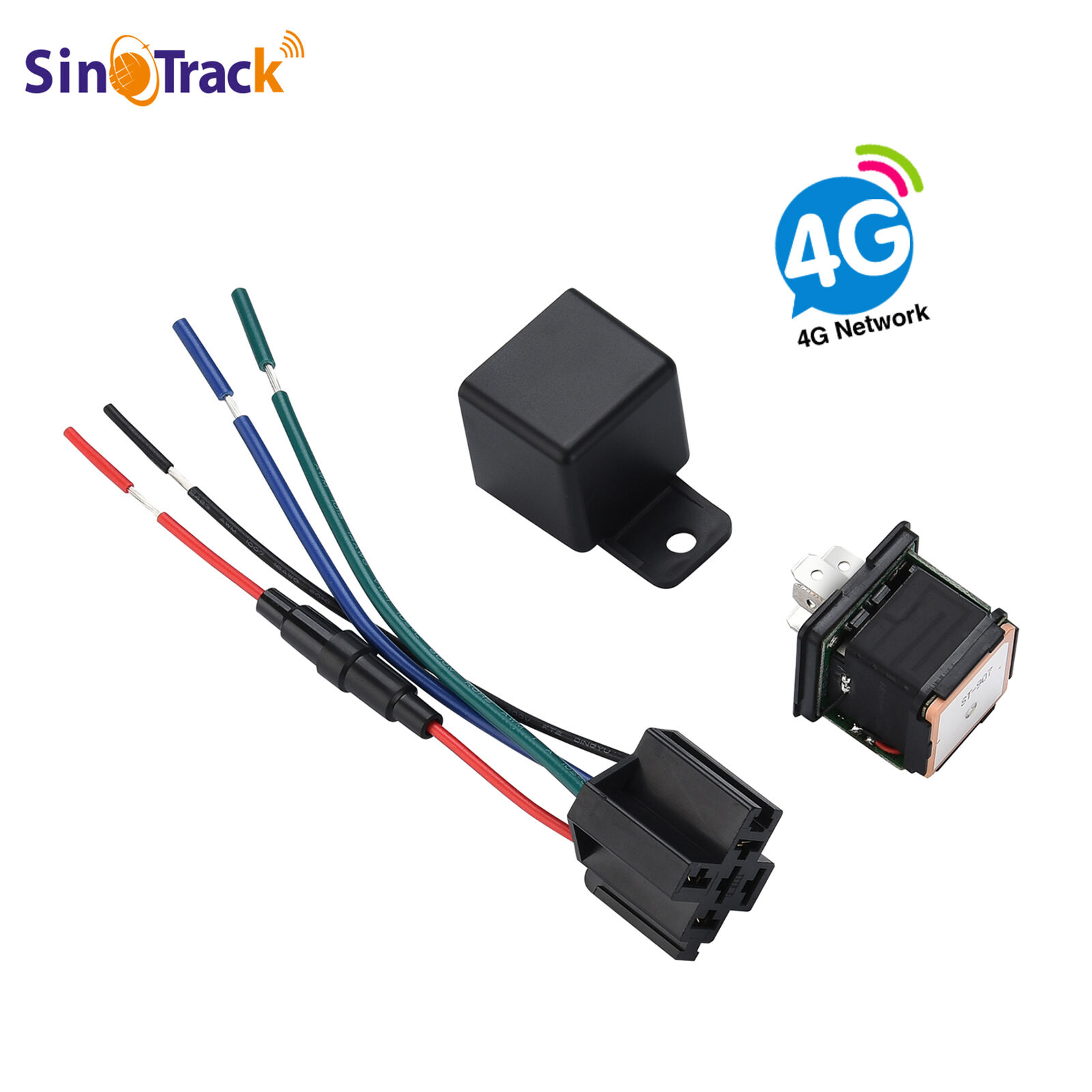
One of the most operationally significant features found in an advanced 4g gps tracker is the ability to cut off the vehicle engine remotely. When integrated with the vehicle's ACC (accessory) circuit, the tracker can interrupt the ignition signal on command from the monitoring platform or mobile application. This capability allows a fleet manager or vehicle owner to disable a vehicle that is being driven without authorization, regardless of where it currently is.
It is important to note that responsible engine cutoff systems are designed to activate only when the vehicle is stationary or traveling below a safe threshold speed, preventing dangerous road situations. A well-engineered 4g gps tracker includes this safety logic by default, ensuring that security measures do not inadvertently create hazards. Once the unauthorized user has been intercepted or the vehicle recovered, the same remote command can restore engine function instantly.
For commercial fleets, this feature extends beyond theft response. It can also be used to enforce maintenance compliance, preventing vehicles with overdue service from being driven until inspections are completed. The 4g gps tracker therefore serves a dual purpose: security enforcement and operational discipline within the same device.
Geofencing and Boundary Alerts
Geofencing is one of the most practical security tools available through a 4g gps tracker. By drawing a virtual boundary around a permitted operating zone—whether a city district, a construction site, or a parking lot—operators receive instant alerts whenever a vehicle enters or exits that area without authorization. The real-time data transmission speed of 4G ensures these alerts arrive with minimal delay, enabling rapid response.
Geofence boundaries are fully configurable through most 4g gps tracker platforms, allowing different zones for different vehicles, different time windows, and different alert escalation rules. A delivery truck that leaves its assigned district after business hours triggers an alert; a company car that approaches a restricted zone during a holiday period does the same. This level of granularity is only viable when the underlying 4g gps tracker can relay position data quickly and reliably enough to match real-world movement.
Beyond theft prevention, geofencing supports compliance with customer delivery agreements, insurance policy conditions, and regulatory requirements that restrict heavy vehicles to certain road categories. A single 4g gps tracker installation can therefore satisfy multiple operational obligations simultaneously.
Tamper Detection and Anti-Theft Alerts
A 4g gps tracker equipped with tamper detection sensors adds another layer of security by alerting operators when the device itself is being interfered with. Attempts to disconnect the power supply, move the device, or cover it with signal-blocking materials trigger immediate notifications. This protects the integrity of the tracking system and alerts security personnel to active theft attempts before the vehicle has even moved.
Some 4g gps tracker models also incorporate vibration sensors that detect unusual movement—such as a vehicle being towed—even when the ignition is off. This is particularly valuable for high-value assets parked overnight or in remote locations where no live surveillance is present. The moment the sensor detects abnormal vibration consistent with towing or forced entry, the 4g gps tracker sends an alert to the designated contact, enabling rapid law enforcement notification.
Operational Benefits for Fleet and Private Vehicle Management
Live Tracking Dashboards and Mobile Access
Modern 4g gps tracker systems are paired with cloud-based platforms and mobile applications that present live vehicle data in an intuitive interface. Fleet managers can view the real-time position of every tracked vehicle on a single map, with color-coded status indicators showing which vehicles are moving, idling, or parked. This operational visibility directly supports security response because abnormal behavior—unexpected stops, off-route travel, late-night movement—becomes immediately apparent.
Mobile access means that a business owner or security officer does not need to be at a desk to monitor their fleet. A 4g gps tracker that supports push notifications on a smartphone allows 24/7 oversight without dedicated monitoring staff. For small businesses managing a handful of vehicles, this accessibility transforms a modest technology investment into a comprehensive security posture that was previously only available to large enterprises with dedicated dispatch teams.
Historical Route Playback and Incident Investigation
Real-time monitoring is only part of the value that a 4g gps tracker delivers. Equally important is the historical record of every route the vehicle has traveled, every stop it made, and every speed it reached. This data is stored in the cloud and can be replayed as an animated route on a map, giving investigators a precise reconstruction of vehicle movements during any specified time window.
In insurance claims, theft investigations, and driver conduct reviews, this historical data provides objective evidence that cannot be disputed or altered. A 4g gps tracker that retains months of movement history allows businesses to resolve disputes with customers, defend against false liability claims, and support law enforcement with exact coordinates of where a stolen vehicle traveled before recovery. The evidentiary value alone often justifies the cost of deploying a 4g gps tracker across an entire fleet.
Route history also enables analysis of driver behavior patterns over time. Frequent harsh braking, speeding in restricted zones, or unauthorized stops become visible trends rather than isolated incidents. Addressing these behaviors proactively reduces accident risk and insurance costs while reinforcing a culture of accountability that strengthens overall fleet security.
Choosing the Right 4G GPS Tracker for Your Security Needs
Hardwired vs. Plug-and-Play Installation
One of the first decisions when deploying a 4g gps tracker is whether to use a hardwired installation or a plug-and-play format. Hardwired devices are connected directly to the vehicle's power supply and, where applicable, to the ACC circuit for engine cutoff functionality. This integration is more permanent and less visible, making it significantly harder for unauthorized users to locate and remove the device. For commercial fleets and high-value vehicles, hardwired 4g gps tracker installation is generally the recommended approach.
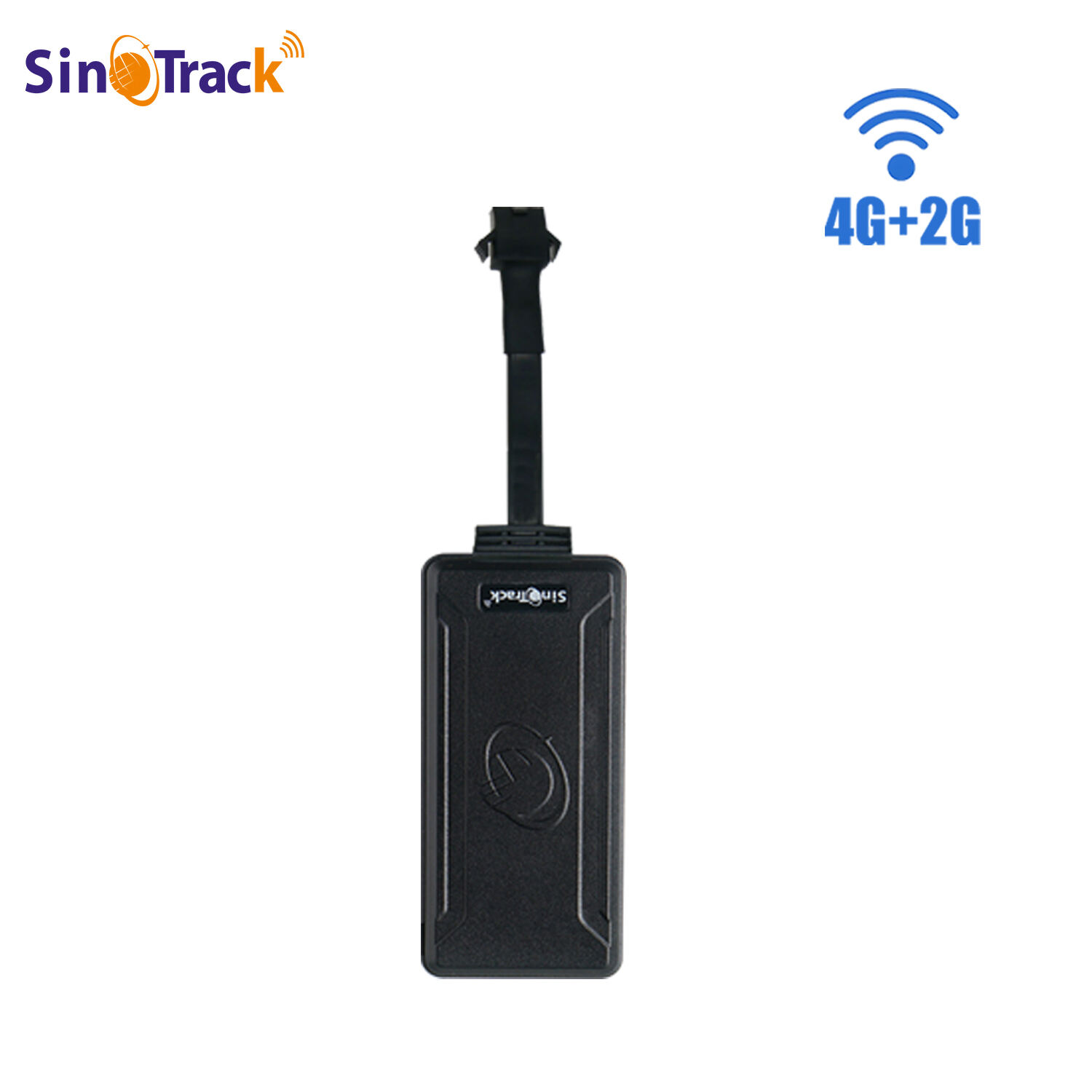
Plug-and-play models that connect via the OBD-II diagnostic port offer easier installation and portability, making them suitable for personal vehicles or situations where quick deployment is prioritized. However, they are more easily found and removed by someone familiar with vehicle layouts. The choice between installation types should be guided by the specific security risk profile of the vehicle and the operational context in which the 4g gps tracker will be used.
Platform Compatibility and Long-Term Support
A 4g gps tracker is only as useful as the platform it connects to. Before purchasing, operators should verify that the tracking device is compatible with a robust software platform that offers mobile applications, configurable alert systems, and reliable data storage. Some 4g gps tracker providers offer lifetime free platform access, which significantly reduces the total cost of ownership compared to subscription-heavy alternatives.
Long-term support also encompasses firmware updates that keep the 4g gps tracker compatible with evolving network standards and security protocols. As telecommunications infrastructure continues to advance, a device that receives regular updates will maintain performance and compatibility far longer than one sold as a static hardware product. Evaluating the manufacturer's update history and support documentation is a practical step that protects your investment over a multi-year deployment horizon.
FAQ
How frequently does a 4G GPS tracker update vehicle location?
A 4g gps tracker operating on LTE networks can update vehicle location every 5 to 30 seconds depending on device configuration and platform settings. Some high-frequency modes allow updates every few seconds for critical tracking scenarios. The update interval can typically be adjusted through the management platform to balance precision with data usage.
Can a 4G GPS tracker work without a mobile network signal?
When a 4g gps tracker loses cellular network coverage, it continues to record GPS coordinates internally and stores the data in onboard memory. Once network connectivity is restored, the device transmits the stored location history to the platform, ensuring no movement data is permanently lost. This offline buffering capability is standard in quality 4g gps tracker models.
Is professional installation required for a hardwired 4G GPS tracker?
While some technically experienced users can install a hardwired 4g gps tracker independently using the provided wiring diagrams, professional installation is recommended for vehicles where the engine cutoff relay must be correctly integrated with the ACC circuit. Incorrect wiring can affect vehicle electrical systems. Professional installation also typically ensures the device is concealed in a location that maximizes security and minimizes discovery risk.
How does geofencing on a 4G GPS tracker help prevent vehicle theft?
Geofencing on a 4g gps tracker creates a virtual perimeter around an authorized operating area. The moment a vehicle crosses this boundary without permission, the system generates an instant alert sent to the designated contact via the mobile app or SMS. Combined with the remote engine cutoff feature, this gives security personnel the ability to stop a theft in progress before the vehicle travels far from its designated zone.