 EN
EN
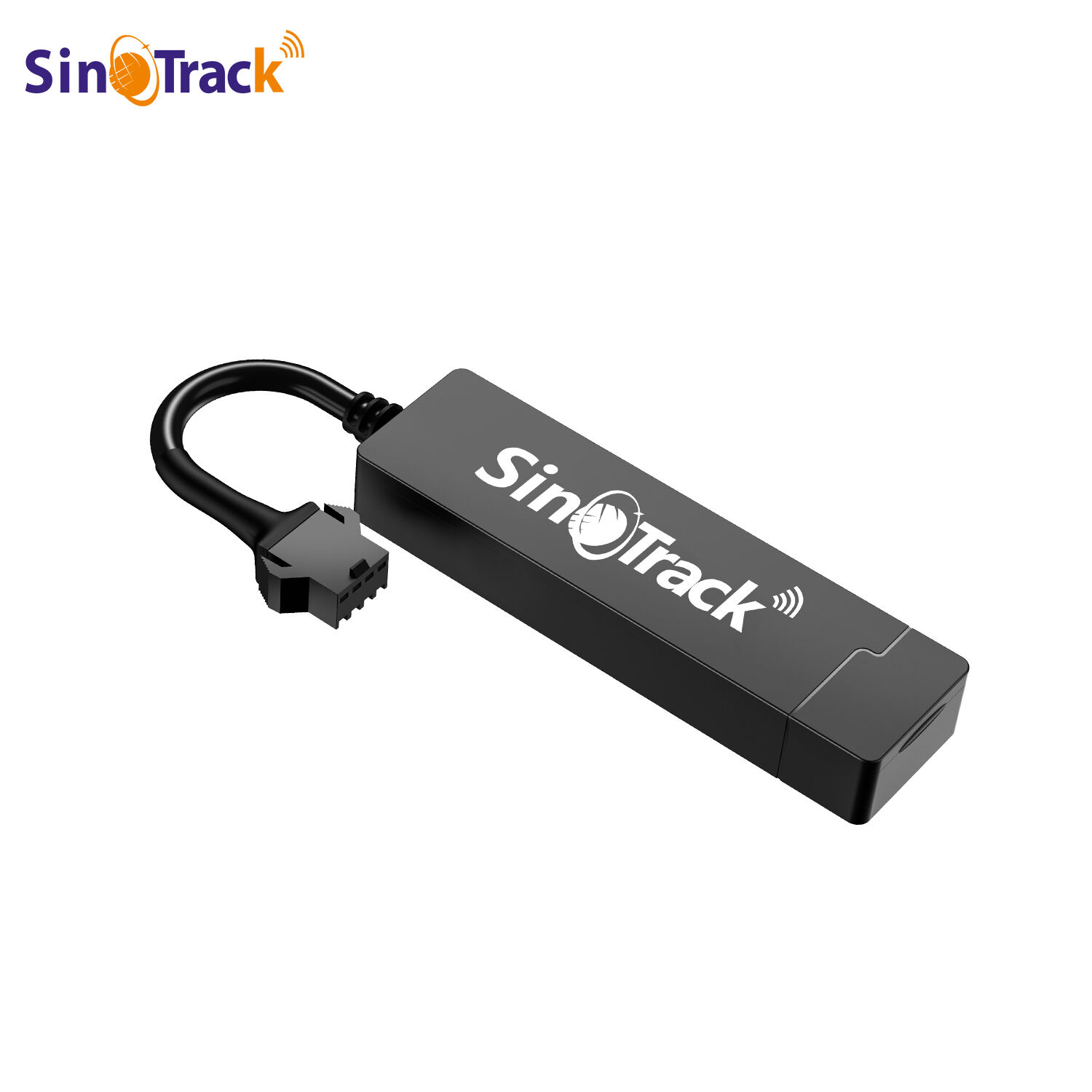
Fleet management has evolved significantly with the integration of modern technology solutions that deliver unprecedented visibility and control over vehicle operations. A vehicle tracking device represents one of the most transformative investments fleet owners can make to optimize their operations, reduce costs, and enhance overall business performance. These sophisticated systems provide real-time insights into vehicle location, driver behavior, fuel consumption, and maintenance requirements, enabling data-driven decision making that directly impacts the bottom line.
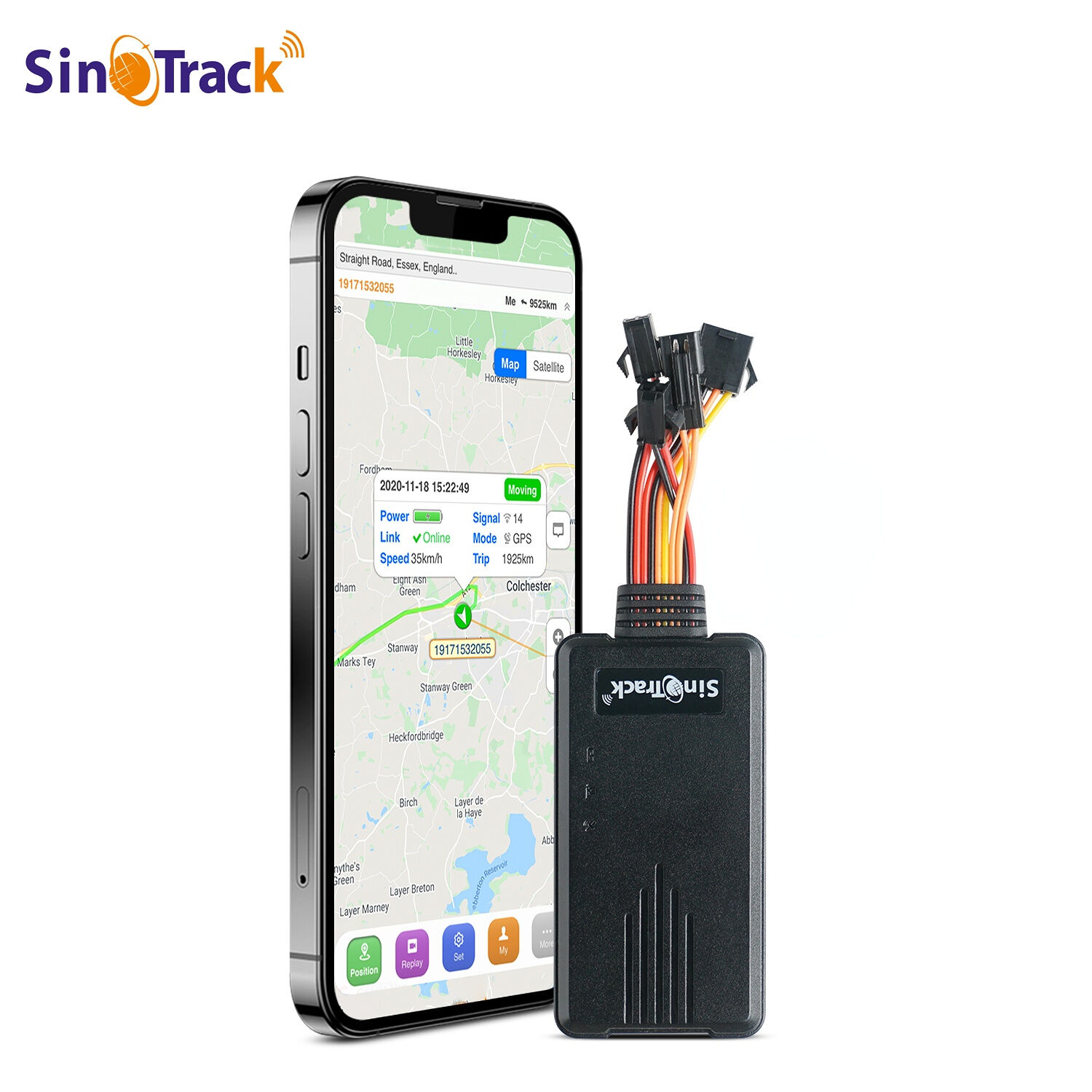
The implementation of tracking technology has become essential for businesses operating multiple vehicles, from small delivery services to large transportation companies. Modern fleet owners face increasing pressure to maximize efficiency while maintaining competitive operational costs and meeting stringent safety regulations. The strategic deployment of vehicle monitoring systems addresses these challenges by providing comprehensive visibility into every aspect of fleet operations, enabling proactive management approaches that prevent issues before they escalate into costly problems.
Enhanced Fleet Security and Theft Prevention
Real-Time Location Monitoring
The primary security advantage of implementing a vehicle tracking device lies in its ability to provide continuous location monitoring capabilities. Fleet owners gain instant access to precise coordinates of every vehicle in their fleet, enabling immediate response to unauthorized movement or theft attempts. This real-time visibility creates a powerful deterrent effect, as potential thieves understand that tracked vehicles can be located and recovered quickly by law enforcement agencies.
Advanced tracking systems include sophisticated alert mechanisms that notify fleet managers immediately when vehicles deviate from designated routes or operate outside authorized time periods. These automated notifications enable rapid response protocols that significantly increase the likelihood of vehicle recovery while minimizing potential losses. The peace of mind provided by continuous monitoring allows fleet owners to focus on core business operations without constant concern about asset security.
Geofencing and Unauthorized Usage Detection
Geofencing technology integrated within modern tracking systems creates virtual boundaries around designated areas, automatically triggering alerts when vehicles enter or exit these predetermined zones. This capability enables fleet managers to monitor compliance with assigned routes, detect unauthorized personal use of company vehicles, and ensure that drivers maintain appropriate service territories. The system provides detailed reports on boundary violations, supporting disciplinary actions and policy enforcement efforts.
The unauthorized usage detection features help fleet owners identify patterns of vehicle misuse, including after-hours operation, excessive idling, or deviation from approved routes. These insights enable the implementation of targeted training programs and policy adjustments that reduce operational costs while ensuring proper asset utilization. The ability to track and document vehicle usage patterns provides valuable data for insurance claims and legal proceedings when necessary.
Operational Efficiency and Cost Reduction
Route Optimization and Fuel Management
Implementing tracking technology enables sophisticated route optimization that reduces fuel consumption, minimizes vehicle wear, and improves customer service delivery times. The system analyzes historical traffic patterns, road conditions, and delivery requirements to recommend the most efficient routes for each vehicle. This optimization capability typically results in fuel savings of fifteen to twenty percent, translating to significant cost reductions for fleet operations of any size.
Fuel management features within tracking systems provide detailed consumption reports that identify inefficient driving behaviors, excessive idling, and potential fuel theft. Fleet managers can establish fuel consumption benchmarks for different vehicle types and routes, enabling the identification of underperforming assets or drivers requiring additional training. The comprehensive fuel monitoring capabilities support environmental sustainability initiatives while reducing operational expenses through improved efficiency.
Maintenance Scheduling and Asset Longevity
Proactive maintenance scheduling represents another critical advantage of vehicle tracking implementation, as these systems monitor engine hours, mileage, and operational conditions to predict maintenance requirements accurately. The automated scheduling prevents costly breakdowns by ensuring that vehicles receive timely service before issues develop into major problems. This predictive approach extends vehicle lifespan while minimizing unexpected repair expenses and operational disruptions.
The detailed operational data collected by tracking systems enables fleet managers to identify vehicles requiring more frequent maintenance due to challenging operating conditions or aggressive driving patterns. This information supports informed decisions about vehicle replacement schedules, warranty claims, and service provider selection. The comprehensive maintenance records generated by tracking systems also enhance vehicle resale values by providing documented proof of proper care and maintenance.
Driver Performance and Safety Management
Behavior Monitoring and Training Opportunities
Driver behavior monitoring capabilities within modern tracking systems provide detailed insights into acceleration patterns, braking habits, speeding incidents, and cornering techniques. This comprehensive behavioral data enables fleet managers to identify drivers requiring additional training while recognizing those demonstrating exemplary performance. The objective performance metrics support fair evaluation processes and help establish company-wide safety standards.
The behavior monitoring features support targeted training programs that address specific performance issues identified through data analysis. Fleet managers can provide personalized coaching to drivers struggling with fuel efficiency, safety compliance, or customer service delivery times. This individualized approach to driver development improves overall fleet performance while reducing turnover rates and recruitment costs associated with frequent driver replacement.
Safety Compliance and Risk Reduction
Safety compliance monitoring through tracking systems helps fleet owners maintain adherence to regulatory requirements while reducing liability exposure associated with vehicle operations. The system automatically documents hours of service, rest periods, and route compliance to support regulatory reporting requirements. This automated documentation reduces administrative burden while ensuring accurate record-keeping for audit purposes and legal compliance.
Risk reduction features include emergency response capabilities that automatically notify fleet managers and emergency services when vehicles are involved in accidents or experience mechanical failures. The rapid response enabled by these notifications can minimize injury severity and reduce liability exposure through prompt medical attention and professional assistance. These safety features demonstrate corporate responsibility while protecting both drivers and the general public from preventable accidents.
Customer Service Enhancement
Accurate Delivery Tracking and Communication
Customer service improvements represent a significant competitive advantage enabled by vehicle tracking device implementation, as businesses can provide accurate delivery estimates and real-time updates to customers. The ability to track vehicles throughout their routes enables customer service representatives to provide precise arrival times and proactive notifications about potential delays. This transparency builds customer confidence while reducing the number of status inquiry calls received by customer service teams.
The detailed tracking information enables businesses to identify and address service delivery issues before they impact customer satisfaction. Fleet managers can monitor service call completion times, route efficiency, and customer wait periods to optimize service delivery processes continuously. This proactive approach to customer service management helps retain existing customers while attracting new business through superior service quality and reliability.
Service Territory Management
Effective service territory management becomes achievable through comprehensive tracking data that reveals actual service patterns, travel times, and capacity utilization across different geographic areas. Fleet managers can identify underserved territories, optimize service coverage, and balance workloads among available vehicles and drivers. This strategic approach to territory management improves service quality while maximizing revenue potential within existing operational resources.
The territory management capabilities support expansion planning by providing detailed data about service demand patterns, travel requirements, and resource utilization in different markets. This information enables informed decisions about fleet size, service offerings, and geographic expansion opportunities. The comprehensive territorial analysis supports strategic business development while ensuring adequate service coverage for existing customers.
Regulatory Compliance and Documentation
Hours of Service Monitoring
Regulatory compliance requirements, particularly hours of service regulations for commercial drivers, are automatically monitored and documented through advanced tracking systems. The system maintains accurate records of driving time, rest periods, and duty status changes to ensure compliance with federal and state regulations. This automated compliance monitoring reduces the risk of violations while minimizing administrative burden associated with manual record-keeping requirements.
The comprehensive compliance documentation generated by tracking systems supports audit processes and regulatory inspections by providing detailed, accurate records of all vehicle operations. These records demonstrate corporate commitment to regulatory compliance while protecting businesses from potential penalties associated with documentation deficiencies. The automated record-keeping ensures consistency and accuracy that manual processes cannot match.
Environmental Impact Reporting
Environmental impact reporting capabilities within tracking systems enable fleet owners to monitor and document their carbon footprint, fuel consumption patterns, and emissions reduction efforts. These reports support corporate sustainability initiatives while providing data required for environmental compliance reporting. The detailed environmental data helps businesses identify opportunities for further emissions reductions through operational improvements.
The environmental monitoring features support green fleet initiatives by identifying the most efficient vehicles, routes, and operational practices within the fleet. This information enables the implementation of best practices across all operations while supporting investment decisions about hybrid or electric vehicle adoption. The comprehensive environmental reporting demonstrates corporate responsibility while supporting marketing efforts focused on sustainability.
Data Analytics and Business Intelligence
Performance Metrics and Trend Analysis
Advanced analytics capabilities transform raw tracking data into actionable business intelligence that drives strategic decision-making processes. Fleet managers gain access to comprehensive performance metrics including vehicle utilization rates, driver productivity, fuel efficiency trends, and maintenance cost patterns. These insights enable the identification of improvement opportunities and the measurement of operational changes over time.
Trend analysis features reveal patterns in fleet performance that might not be apparent through traditional monitoring approaches. The system identifies seasonal variations, operational inefficiencies, and emerging issues before they impact overall business performance. This predictive capability enables proactive management approaches that prevent problems while optimizing resource allocation and operational planning.
Cost Analysis and Budget Planning
Comprehensive cost analysis tools within tracking systems provide detailed breakdowns of operational expenses including fuel, maintenance, insurance, and depreciation costs for individual vehicles and the entire fleet. This granular cost visibility enables accurate budget planning while identifying specific areas where cost reduction efforts should be focused. The detailed cost data supports investment decisions about vehicle replacement, route optimization, and operational improvements.
Budget planning capabilities include predictive modeling that forecasts future operational costs based on historical trends and planned operational changes. This forward-looking analysis helps fleet managers prepare accurate budgets while identifying potential cost overruns before they occur. The comprehensive financial analysis supports strategic planning processes and investment decisions that optimize long-term fleet performance.
Return on Investment and Competitive Advantage
Quantifiable Cost Savings
The implementation of tracking technology typically generates measurable returns through reduced fuel consumption, lower insurance premiums, decreased theft losses, and improved operational efficiency. Most fleet owners experience a complete return on their tracking system investment within twelve to eighteen months of implementation. The ongoing cost savings continue to accumulate over time, creating substantial long-term financial benefits that far exceed the initial system investment.
Quantifiable savings extend beyond direct operational costs to include reduced administrative expenses, lower driver turnover, and decreased vehicle replacement frequency. The comprehensive cost reductions enabled by tracking technology create competitive advantages that allow businesses to offer more competitive pricing while maintaining healthy profit margins. These financial benefits support business growth and market expansion opportunities.
Market Differentiation and Customer Retention
The enhanced service capabilities enabled by tracking technology create significant competitive advantages in markets where customer service quality determines business success. Companies utilizing advanced tracking systems can offer superior service reliability, accurate delivery estimates, and proactive communication that differentiates them from competitors using traditional dispatch methods. This service excellence leads to higher customer retention rates and increased referral business.
Market differentiation opportunities include the ability to offer premium service options such as real-time delivery tracking, guaranteed service windows, and immediate response capabilities. These value-added services command premium pricing while strengthening customer relationships through superior service quality. The competitive advantages gained through tracking technology implementation support long-term business growth and market share expansion.
FAQ
How much does a vehicle tracking system typically cost for a small fleet
The cost of implementing vehicle tracking systems varies based on fleet size and feature requirements, but small fleets typically invest between fifty to one hundred dollars per vehicle monthly for comprehensive tracking services. This investment includes hardware installation, software licensing, cellular connectivity, and ongoing technical support. Most businesses recover this investment through fuel savings, insurance discounts, and operational efficiency improvements within the first year of implementation.
What is the typical installation process for vehicle tracking devices
Professional installation of vehicle tracking devices typically requires two to four hours per vehicle, depending on the complexity of the system and integration requirements. Certified technicians connect the device to the vehicle's electrical system and configure software settings to match specific operational requirements. The installation process includes comprehensive testing to ensure proper functionality and driver training on any new features or reporting capabilities.
How does vehicle tracking technology integrate with existing fleet management software
Modern vehicle tracking systems offer robust integration capabilities that connect seamlessly with existing fleet management, dispatch, and accounting software through standardized APIs and data export features. This integration eliminates duplicate data entry while enabling comprehensive reporting that combines tracking data with other operational metrics. The integrated approach maximizes the value of existing software investments while enhancing overall system functionality.
What are the privacy considerations for implementing vehicle tracking systems
Vehicle tracking implementation requires clear communication with drivers about monitoring policies, data collection practices, and privacy protections to ensure compliance with employment laws and maintain positive employee relations. Most successful implementations include written policies outlining tracking purposes, data usage restrictions, and employee rights regarding collected information. Transparent communication and appropriate policy frameworks help address privacy concerns while maximizing the benefits of tracking technology for both employers and employees.
Table of Contents
- Enhanced Fleet Security and Theft Prevention
- Operational Efficiency and Cost Reduction
- Driver Performance and Safety Management
- Customer Service Enhancement
- Regulatory Compliance and Documentation
- Data Analytics and Business Intelligence
- Return on Investment and Competitive Advantage
-
FAQ
- How much does a vehicle tracking system typically cost for a small fleet
- What is the typical installation process for vehicle tracking devices
- How does vehicle tracking technology integrate with existing fleet management software
- What are the privacy considerations for implementing vehicle tracking systems