 EN
EN
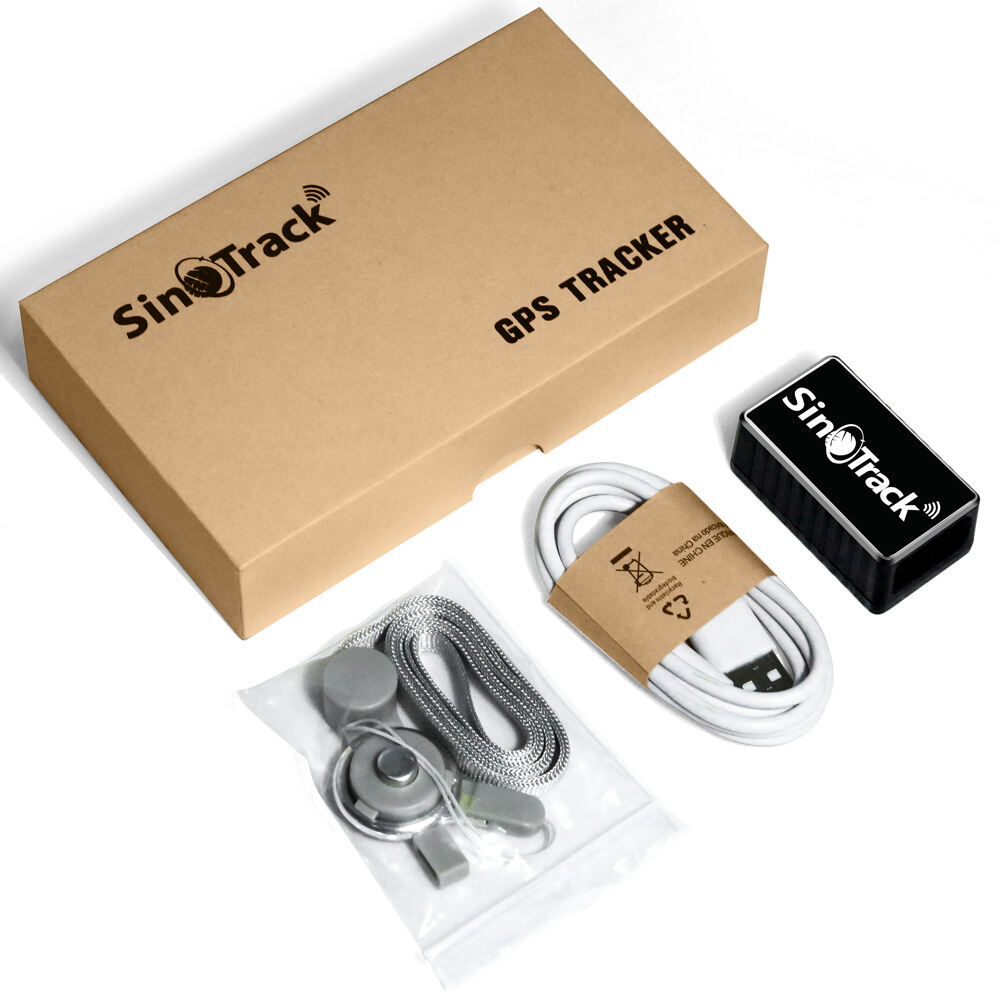
Understanding the pricing landscape for vehicle tracking technology has become essential for fleet managers, business owners, and individual car owners seeking reliable security solutions. The market offers diverse options ranging from basic monitoring systems to sophisticated enterprise-grade platforms, each designed to meet specific operational requirements and budget constraints. Modern tracking solutions incorporate advanced GPS technology, cellular connectivity, and cloud-based platforms to deliver comprehensive vehicle monitoring capabilities.
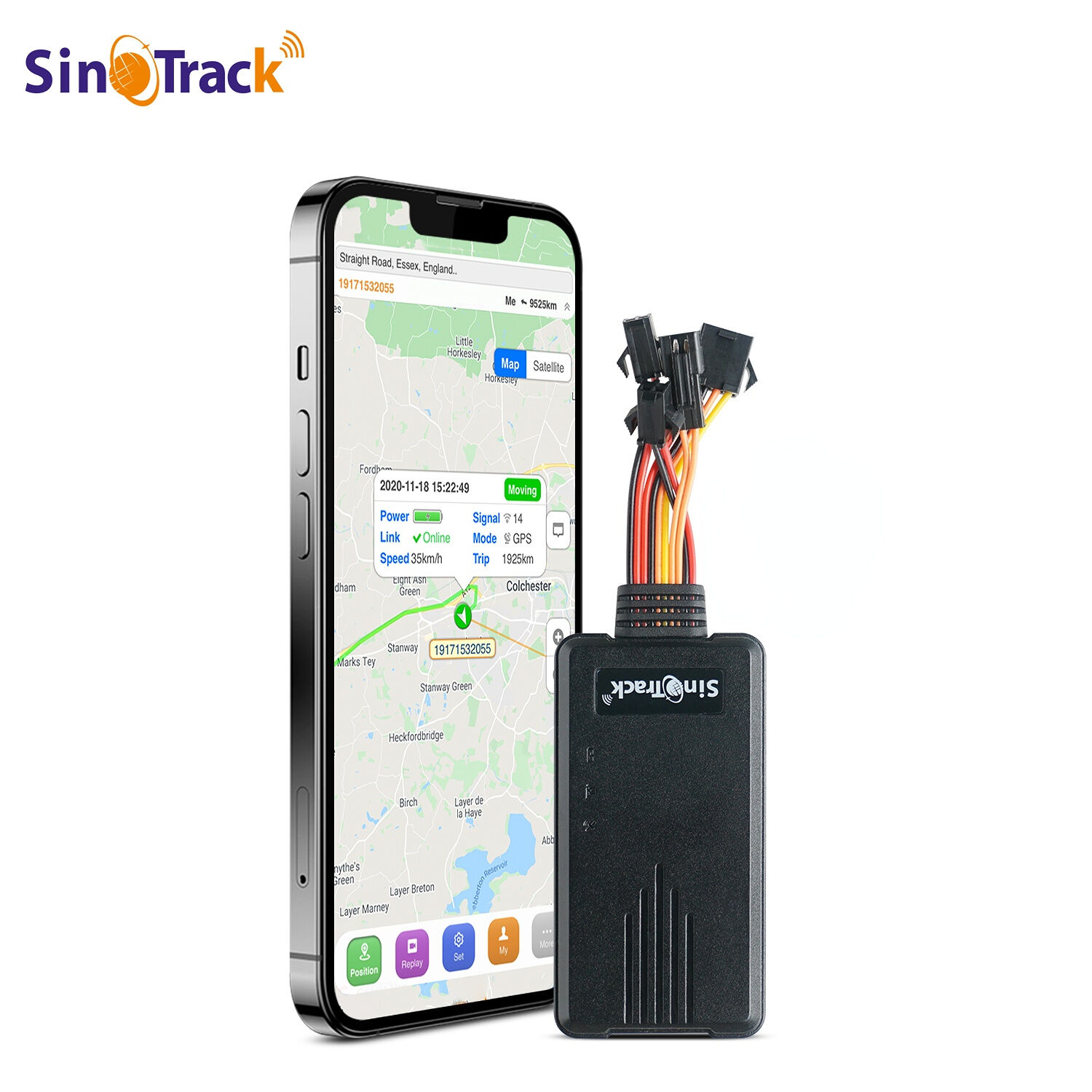
Price variations in tracking devices reflect differences in functionality, build quality, connectivity options, and ongoing service requirements. Entry-level solutions typically focus on basic location reporting, while premium systems offer comprehensive fleet management features including driver behavior analysis, maintenance scheduling, and advanced security protocols. Understanding these distinctions helps buyers make informed decisions aligned with their specific monitoring needs and financial parameters.
The investment in vehicle tracking technology extends beyond initial hardware costs to include monthly service fees, installation expenses, and potential integration requirements. Smart buyers evaluate total cost of ownership over extended periods, considering factors such as reliability, customer support quality, and scalability for future expansion needs. This comprehensive approach ensures maximum return on investment while avoiding unexpected expenses that can impact operational budgets.
Budget-Friendly Tracking Solutions
Entry-Level Device Characteristics
Budget tracking devices typically range from $20 to $80 for the hardware component, offering basic GPS functionality suitable for personal vehicle monitoring and small fleet applications. These units usually feature standard location reporting, basic geofencing capabilities, and simple mobile app interfaces that provide essential tracking information without advanced analytical tools. The focus remains on core functionality rather than sophisticated features, making them accessible to cost-conscious consumers.
Most budget devices utilize 2G or 3G cellular networks for data transmission, which may limit future compatibility as carriers phase out older network technologies. Battery life varies significantly across models, with some offering weeks of standby time while others require more frequent charging cycles. Installation typically involves OBD-II port connection or basic hardwiring, making deployment straightforward for users with minimal technical expertise.
Monthly Service Costs for Budget Options
Service plans for budget tracking devices generally range from $10 to $25 monthly, depending on data usage allowances and feature availability. Basic plans typically include essential location updates, simple reporting capabilities, and limited historical data storage. Users should carefully evaluate data transmission frequency requirements, as more frequent updates consume additional cellular data and may push costs toward higher service tiers.
Many budget providers offer prepaid service options that eliminate monthly commitment requirements while providing flexibility for seasonal or temporary tracking needs. These plans often include reduced feature sets but maintain core tracking functionality suitable for basic monitoring applications. Comparing service providers reveals significant variations in network coverage, customer support availability, and additional feature accessibility within similar price ranges.
Mid-Range Tracking Device Options
Enhanced Feature Sets
Mid-range tracking devices typically cost between $80 and $200, offering improved build quality, enhanced GPS accuracy, and additional connectivity options including 4G LTE support. These devices often incorporate multiple positioning technologies such as GPS, GLONASS, and cellular tower triangulation to ensure reliable location reporting in challenging environments. Advanced power management systems extend operational life while maintaining consistent performance levels.
Feature enhancements commonly include driver behavior monitoring, detailed trip reporting, customizable alerts, and integration capabilities with popular fleet management platforms. Many mid-range devices support both real-time tracking and historical data analysis, enabling users to identify patterns and optimize operational efficiency. Improved antenna designs and weather-resistant housings ensure reliable performance across diverse environmental conditions.
Professional Installation and Support
Mid-range solutions often include professional installation services, ensuring optimal device placement and system configuration for maximum performance. Certified technicians handle complex wiring requirements, integrate devices with existing vehicle systems, and provide comprehensive user training on platform features and capabilities. This professional approach minimizes installation-related issues while ensuring proper system functionality from deployment.
Customer support for mid-range devices typically includes phone and email assistance, online documentation, and troubleshooting resources. Many providers offer dedicated account management for business customers, facilitating smooth onboarding processes and ongoing technical support. Extended warranty coverage and device replacement programs provide additional protection against hardware failures or performance issues.
Premium Enterprise Solutions
Advanced Technology Integration
Premium tracking devices command prices ranging from $200 to $500 or more, incorporating cutting-edge technology designed for demanding commercial applications. These systems feature high-precision GPS receivers, multiple communication protocols, and advanced sensor integration for comprehensive vehicle monitoring. Ruggedized construction ensures reliable operation in harsh industrial environments while maintaining precise tracking accuracy.
Enterprise-grade devices often include CAN bus integration, enabling direct communication with vehicle diagnostic systems and engine management computers. This connectivity provides detailed operational data including fuel consumption, engine performance metrics, and maintenance requirements. Advanced encryption protocols protect sensitive data transmission while ensuring compliance with industry security standards and regulatory requirements.
Comprehensive Fleet Management Platforms
Premium solutions integrate sophisticated software platforms offering comprehensive fleet management capabilities including route optimization, driver scorecarding, and predictive maintenance scheduling. These systems process vast amounts of operational data to generate actionable insights that improve efficiency, reduce costs, and enhance safety performance. Customizable dashboards and reporting tools enable managers to monitor key performance indicators and track progress toward operational goals.
Enterprise platforms often support third-party integrations with existing business systems including accounting software, dispatching platforms, and customer relationship management tools. API access enables custom development projects and specialized reporting requirements while maintaining data security and system integrity. Multi-user access controls ensure appropriate information sharing across organizational levels while protecting sensitive operational data.
Factors Affecting Device Pricing
Technology Components and Build Quality
Hardware costs directly correlate with component quality, manufacturing standards, and technology sophistication levels implemented within tracking devices. High-quality GPS chipsets, cellular modems, and processing components command premium prices while delivering superior performance and reliability. Advanced manufacturing processes and quality control measures contribute to higher production costs but ensure consistent device performance and extended operational life.
Environmental protection ratings significantly impact device pricing, as waterproof and shock-resistant designs require specialized materials and construction techniques. Temperature tolerance, vibration resistance, and electromagnetic interference shielding add complexity and cost to manufacturing processes. These features prove essential for commercial applications where devices face harsh operating conditions and extended deployment periods.
Cellular Connectivity and Data Plans
Network compatibility requirements influence both device costs and ongoing service expenses, as newer cellular technologies command premium prices while offering enhanced performance and future-proofing benefits. Devices supporting multiple network bands and international roaming capabilities cost more than single-carrier solutions but provide greater flexibility for diverse operational requirements. Data plan structures vary significantly between providers, affecting long-term operational costs.
The choice between different cellular technologies impacts both initial investment and operational expenses, as 4G and 5G capable devices cost more than legacy 3G models but offer superior data transmission speeds and network reliability. Providers increasingly phase out older network support, making modern connectivity essential for long-term system viability and operational continuity.
Hidden Costs and Additional Expenses
Installation and Configuration Services
Professional installation services typically add $50 to $200 per device depending on complexity requirements, vehicle types, and integration needs. Complex installations involving hardwired connections, auxiliary sensor integration, or custom mounting solutions require additional labor time and specialized expertise. Fleet deployments often benefit from bulk installation discounts but may require coordination and scheduling flexibility to minimize operational disruptions.
Configuration services ensure proper system setup including geofence creation, alert customization, and user account establishment. Many providers include basic configuration in installation packages while charging separately for advanced customization or ongoing modifications. Training services help users maximize system capabilities and ensure proper operational procedures for optimal tracking performance.
Ongoing Maintenance and Support Costs
Device maintenance requirements vary significantly across different price points and manufacturer quality levels, with budget options typically requiring more frequent attention and potential replacement. Premium devices often include extended warranty coverage and proactive support services that minimize unexpected maintenance expenses. Regular software updates and security patches ensure continued system functionality and protection against emerging threats.
Technical support availability ranges from basic online resources to dedicated account management and 24/7 assistance programs. Premium support services may include remote diagnostics, priority response times, and on-site service capabilities. Evaluating support quality and availability helps prevent costly downtime and operational disruptions that can exceed initial device savings from budget alternatives.
Making the Right Investment Decision
Evaluating Total Cost of Ownership
Successful tracking system investments require comprehensive analysis of all associated costs over expected deployment periods, typically spanning three to five years for commercial applications. Initial hardware expenses represent only a portion of total ownership costs, with monthly service fees, maintenance requirements, and potential upgrade needs contributing significantly to long-term financial commitments. Smart buyers develop detailed cost models that account for all operational expenses.
Reliability factors heavily into total cost calculations, as frequent device failures or service interruptions generate additional expenses through replacement costs, lost productivity, and potential security risks. Premium devices often justify higher initial investments through reduced maintenance requirements, extended operational life, and superior performance reliability. Calculating cost per operational year provides clearer comparison metrics across different device categories and price points.
Scalability and Future Requirements
Growing businesses should prioritize tracking solutions that accommodate expansion without requiring complete system replacement or extensive reconfiguration. Scalable platforms support additional devices, users, and features as operational needs evolve while maintaining consistent performance levels. Modular pricing structures allow gradual expansion aligned with business growth rather than large upfront investments that may exceed immediate requirements.
Technology evolution considerations help future-proof tracking investments by selecting devices and platforms designed to adapt to emerging standards and capabilities. Providers offering regular software updates, hardware upgrade programs, and migration assistance help protect initial investments while ensuring continued system relevance. Car tracking device selection should balance current needs with anticipated future requirements to maximize long-term value and operational effectiveness.
FAQ
What factors should I consider when choosing between budget and premium tracking devices
Consider your specific monitoring requirements, expected device lifespan, and total cost of ownership over the deployment period. Budget devices work well for basic location tracking with minimal feature requirements, while premium solutions provide comprehensive fleet management capabilities, superior reliability, and advanced integration options. Evaluate cellular network compatibility, customer support quality, and scalability needs to ensure your investment aligns with both current and future operational requirements.
Are there ongoing costs beyond the initial device purchase price
Yes, tracking devices require monthly service plans typically ranging from $10 to $50 depending on features and data usage. Additional costs may include professional installation services, extended warranty coverage, and technical support fees. Some providers offer bundled packages that include device, installation, and service plans, which can provide better overall value than purchasing components separately. Always calculate total monthly operational costs when comparing different tracking solutions.
How long do tracking devices typically last before requiring replacement
Quality tracking devices generally last three to seven years depending on build quality, environmental conditions, and usage patterns. Budget devices may require replacement sooner due to component limitations and reduced durability, while premium devices often exceed five-year operational life with proper maintenance. Cellular network evolution may necessitate earlier replacement as carriers discontinue older technologies, making 4G or 5G capable devices preferable for long-term deployments.
Can I install tracking devices myself or do I need professional installation
Basic plug-and-play devices connecting through OBD-II ports can typically be self-installed within minutes, while hardwired installations require electrical knowledge and may void vehicle warranties if performed incorrectly. Professional installation ensures optimal device placement, proper wiring connections, and system configuration while providing warranty protection against installation-related issues. Complex installations involving sensor integration or fleet-wide deployments usually benefit from professional services to ensure consistent performance and minimize deployment challenges.
Table of Contents
- Budget-Friendly Tracking Solutions
- Mid-Range Tracking Device Options
- Premium Enterprise Solutions
- Factors Affecting Device Pricing
- Hidden Costs and Additional Expenses
- Making the Right Investment Decision
-
FAQ
- What factors should I consider when choosing between budget and premium tracking devices
- Are there ongoing costs beyond the initial device purchase price
- How long do tracking devices typically last before requiring replacement
- Can I install tracking devices myself or do I need professional installation