
 EN
EN
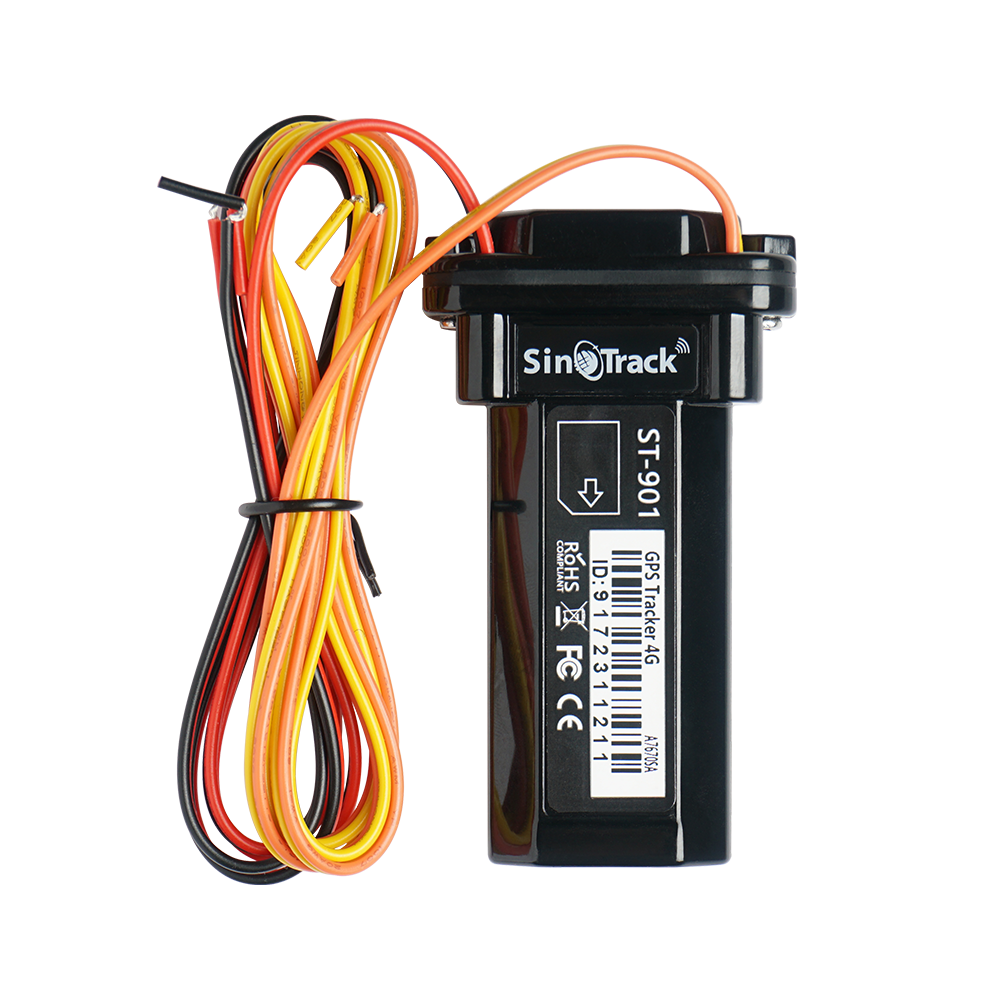
The automotive security landscape has transformed dramatically with the widespread adoption of GPS tracking technology. Modern vehicle owners increasingly recognize the importance of real-time monitoring capabilities for theft protection, fleet management, and family safety. Understanding the pricing dynamics and purchasing options for vehicle tracking devices helps consumers make informed decisions that align with their specific requirements and budget constraints.
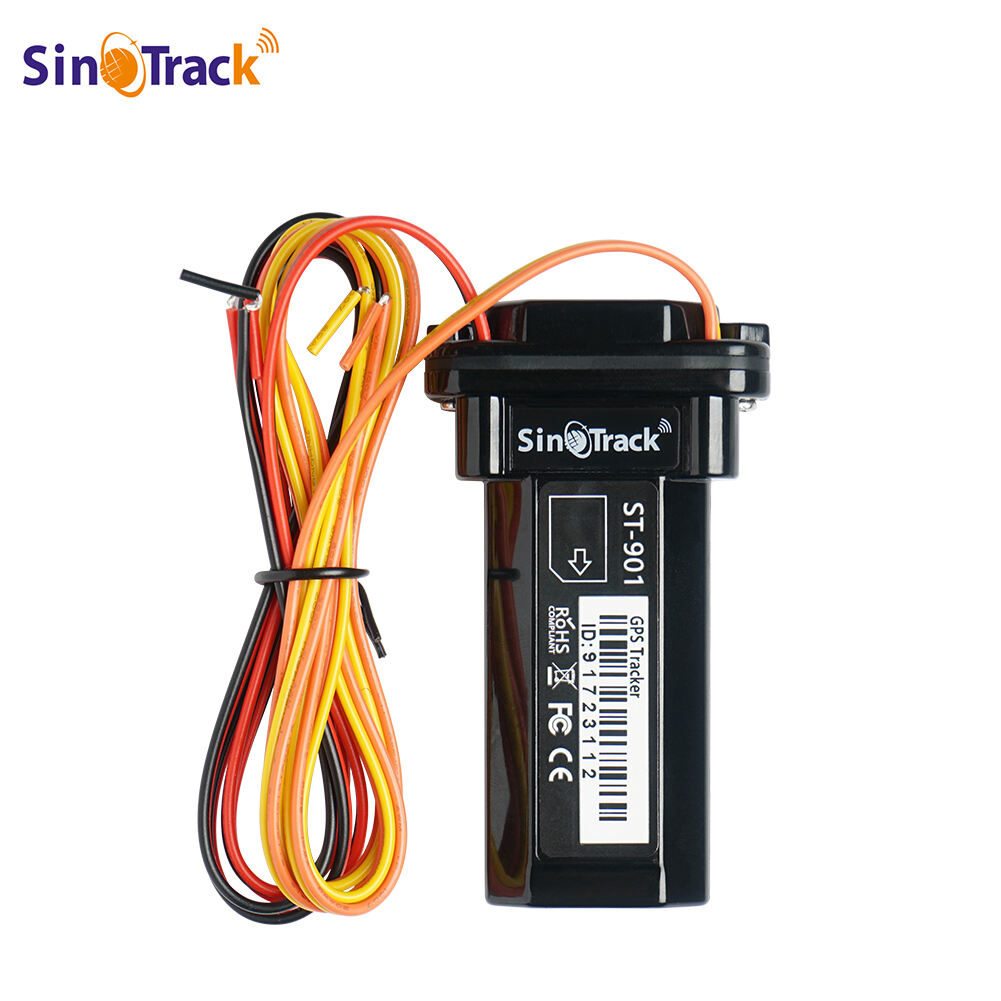
Vehicle tracking systems encompass various technologies and features that directly impact their market pricing. Entry-level devices typically offer basic location reporting, while advanced models incorporate sophisticated features like geofencing, real-time alerts, and comprehensive analytics dashboards. The price spectrum reflects these capability differences, with basic units starting around fifty dollars and premium enterprise solutions reaching several hundred dollars per device.
Understanding GPS Tracker Technology Components
Core Hardware Architecture
Modern vehicle tracking devices integrate multiple technological components that determine their functionality and cost structure. The GPS receiver module forms the foundation, capturing satellite signals to determine precise location coordinates. Cellular communication modules enable data transmission to monitoring platforms, with different network technologies affecting both performance and pricing. Advanced models incorporate accelerometers, gyroscopes, and other sensors for enhanced motion detection and vehicle behavior analysis.
Processing capabilities vary significantly between device categories, influencing their ability to handle complex calculations and real-time data processing. Basic trackers utilize simplified microcontrollers optimized for power efficiency and cost reduction. Premium models employ more sophisticated processors capable of edge computing, local data storage, and advanced analytics processing before transmission to central monitoring systems.
Power Management Systems
Battery technology represents a crucial component affecting both device performance and long-term operational costs. Hardwired installations typically draw power directly from the vehicle's electrical system, providing continuous operation without battery replacement concerns. Portable units rely on internal batteries that require periodic recharging or replacement, with battery life spanning from several days to multiple months depending on usage patterns and reporting frequency.
Power optimization algorithms help extend operational duration by intelligently managing communication intervals and sensor activation. Sleep modes reduce power consumption during periods of inactivity, while motion-triggered activation ensures immediate response when vehicle movement occurs. These power management features significantly impact the total cost of ownership beyond the initial purchase price.
Market Price Analysis and Factors
Entry Level Device Pricing
Budget-conscious consumers can access basic vehicle tracking functionality starting at approximately fifty to one hundred dollars. These entry-level devices typically provide essential location reporting capabilities through smartphone applications or web-based dashboards. While feature sets remain limited compared to premium alternatives, they offer adequate protection for personal vehicle monitoring and basic theft deterrent applications.
Cost-effective solutions often require users to accept certain limitations regarding update frequency, battery life, and advanced feature availability. However, they represent an accessible entry point for individuals seeking basic vehicle monitoring without significant upfront investment. The car gps tracker market continues expanding with manufacturers introducing affordable options that maintain essential functionality while reducing unnecessary complexity.
Premium Feature Impact on Pricing
Advanced tracking devices commanding higher price points typically incorporate sophisticated features that justify their premium positioning. Real-time tracking with sub-minute update intervals, comprehensive geofencing capabilities, and detailed analytics reporting contribute to enhanced value propositions. Professional-grade devices often include tamper detection, backup battery systems, and ruggedized enclosures designed for harsh operating environments.
Enterprise-focused solutions frequently integrate with existing fleet management systems, offering API connectivity and custom reporting capabilities. These advanced features require more sophisticated hardware components and software development, naturally resulting in higher manufacturing costs that translate to increased retail pricing. The investment often proves worthwhile for commercial applications where detailed vehicle monitoring provides measurable operational benefits.
Installation and Operational Considerations
Professional Installation Services
Installation complexity varies dramatically between different tracker types, affecting both initial costs and ongoing reliability. Plug-and-play OBD port devices offer simple installation that most vehicle owners can complete independently within minutes. These solutions provide immediate functionality without requiring technical expertise or vehicle modification, making them attractive for temporary monitoring applications or rental vehicle situations.
Hardwired installations typically require professional service to ensure proper integration with vehicle electrical systems. While increasing initial setup costs, permanent installations offer enhanced security and reliability compared to easily removable alternatives. Professional installation also provides opportunities for optimal antenna placement and concealed mounting that maximizes performance while minimizing theft risk.
Ongoing Service Costs
Monthly service fees represent ongoing operational expenses that accumulate significantly over device lifetime. Basic monitoring services typically range from ten to thirty dollars monthly, while comprehensive enterprise solutions may command higher subscription fees. These costs cover cellular data transmission, platform hosting, customer support, and software updates that maintain system functionality and security.
Service plan structures vary between providers, with some offering annual payment discounts or family plan options for multiple vehicle monitoring. Understanding total cost of ownership requires careful consideration of both initial device purchase price and accumulated service fees over the intended usage period. Long-term monitoring applications may benefit from annual payment plans or extended service contracts that reduce monthly operational expenses.
Commercial Applications and Fleet Management
Business Fleet Requirements
Commercial vehicle tracking applications demand enhanced features and reliability standards that influence pricing structures significantly. Fleet managers require comprehensive reporting capabilities, driver behavior monitoring, and integration with existing business systems. These requirements drive demand for professional-grade devices with robust hardware specifications and advanced software capabilities that command premium pricing.
Scalability becomes crucial for organizations managing multiple vehicles, with bulk purchasing agreements often providing cost advantages for large deployments. Enterprise solutions frequently include dedicated account management, custom reporting development, and priority technical support that justify higher per-unit costs through enhanced service levels and reliability assurance.
Return on Investment Analysis
Business applications of vehicle tracking technology often generate measurable returns that offset initial investment costs through operational improvements. Fuel consumption reduction, route optimization, and theft prevention contribute to quantifiable savings that justify premium device selection. Insurance discounts and liability reduction further enhance the economic benefits of comprehensive vehicle monitoring systems.
Productivity improvements through enhanced dispatch efficiency and driver accountability provide additional value streams that may not be immediately apparent in simple cost comparisons. Professional fleet tracking solutions enable data-driven decision making that optimizes vehicle utilization, reduces maintenance costs, and improves customer service through accurate arrival time predictions and route optimization.
Technology Trends and Future Pricing
Emerging Communication Standards
The evolution toward 5G cellular networks promises enhanced capabilities for vehicle tracking applications while potentially affecting pricing structures. Improved bandwidth and reduced latency enable more sophisticated real-time monitoring and advanced analytics processing. However, early 5G device adoption typically carries premium pricing until manufacturing scales achieve cost reduction through volume production.
Satellite communication integration provides coverage expansion for remote area applications where cellular networks remain unavailable. These hybrid communication systems offer enhanced reliability and global coverage but typically command premium pricing due to satellite service costs and specialized hardware requirements. The technology advancement continues driving innovation while gradually reducing costs through manufacturing efficiency improvements.
Integration with Vehicle Systems
Modern vehicles increasingly incorporate factory-installed tracking capabilities that compete with aftermarket solutions. Manufacturer-integrated systems benefit from direct vehicle system access and seamless user interface integration but may limit customization options and service provider selection. These developments influence aftermarket pricing by creating competitive pressure while simultaneously expanding overall market awareness and acceptance.
Aftermarket devices continue evolving to provide enhanced features and capabilities that differentiate them from basic factory systems. Advanced analytics, custom reporting, and specialized application support maintain competitive advantages for dedicated tracking solutions despite increasing factory-installed system capabilities.
FAQ
What factors most significantly affect car GPS tracker pricing
Device pricing primarily depends on hardware sophistication, feature complexity, and manufacturing quality. Basic location reporting devices cost significantly less than advanced units with real-time tracking, geofencing, and comprehensive analytics. Communication technology, battery life, and ruggedization also impact pricing, with premium models incorporating advanced sensors and processing capabilities that justify higher costs through enhanced functionality and reliability.
Are monthly service fees always required for GPS tracker operation
Most GPS tracking devices require monthly service fees to cover cellular data transmission and platform hosting costs. However, some devices offer limited functionality without service plans, storing location data locally for periodic download. Service fees typically range from ten to fifty dollars monthly depending on features and update frequency, representing ongoing operational costs that should be considered alongside initial device purchase price.
How do commercial fleet tracking costs compare to personal use devices
Commercial fleet tracking solutions typically cost more per device but offer enhanced features, reliability, and support services that justify premium pricing. Business applications require comprehensive reporting, driver monitoring, and system integration capabilities that exceed personal use requirements. However, volume discounts and enterprise service contracts often reduce per-unit costs for large fleet deployments compared to individual consumer pricing.
What installation options affect overall tracker costs
Installation complexity significantly impacts total system cost through professional service requirements and hardware specifications. Simple OBD port devices offer plug-and-play installation without additional costs, while hardwired systems require professional installation that adds fifty to two hundred dollars to total expenses. Permanent installation provides enhanced security and reliability but increases upfront costs compared to easily removable alternatives that owners can install independently.