 EN
EN
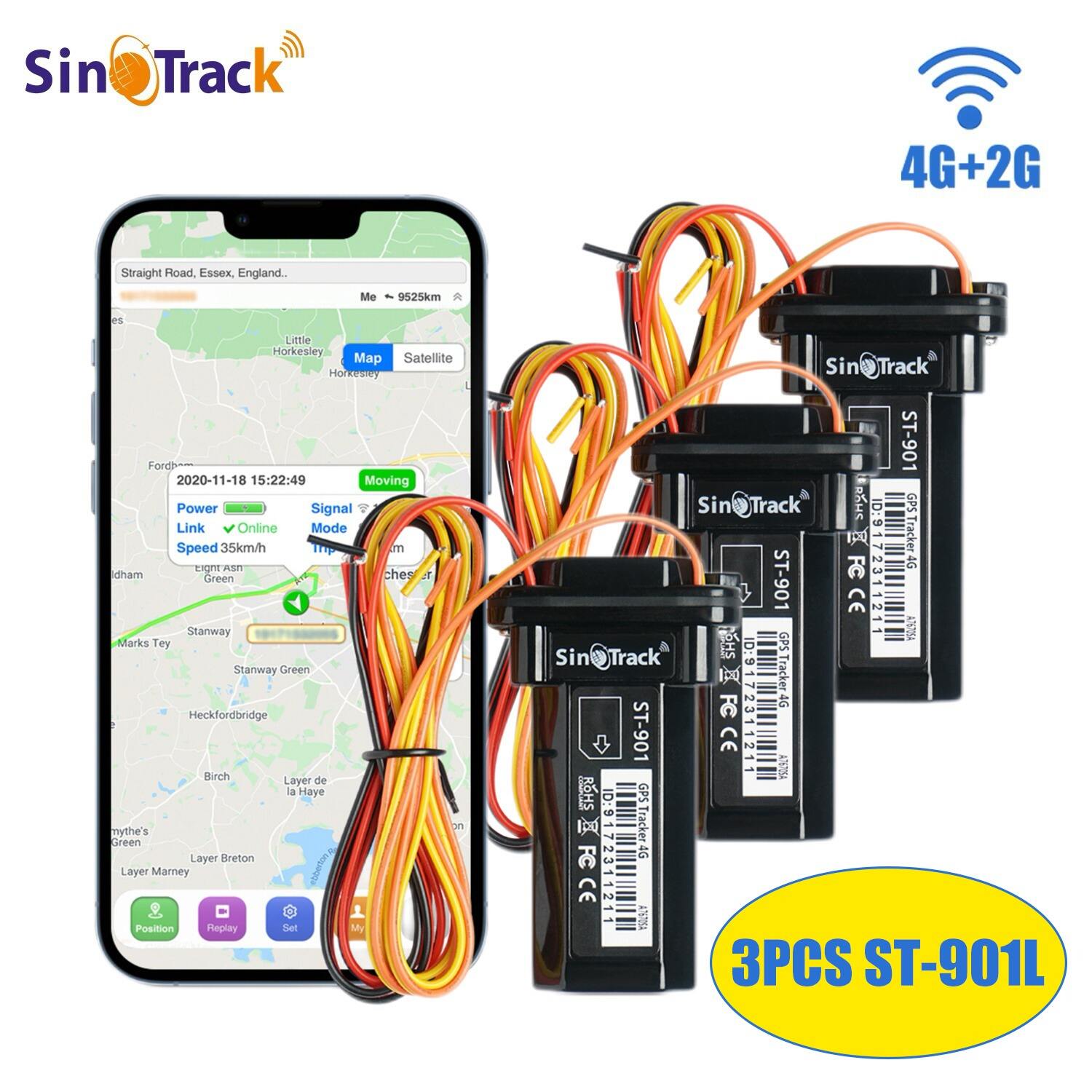
In today's fast-paced world, keeping track of valuable assets, vehicles, and beloved pets has become increasingly important. Whether you're a fleet manager monitoring company vehicles or a pet owner concerned about your furry friend's safety, a portable gps tracking device offers peace of mind through real-time location monitoring. These compact, versatile devices have revolutionized how we approach asset security and location tracking, providing instant alerts and precise positioning data when you need it most.
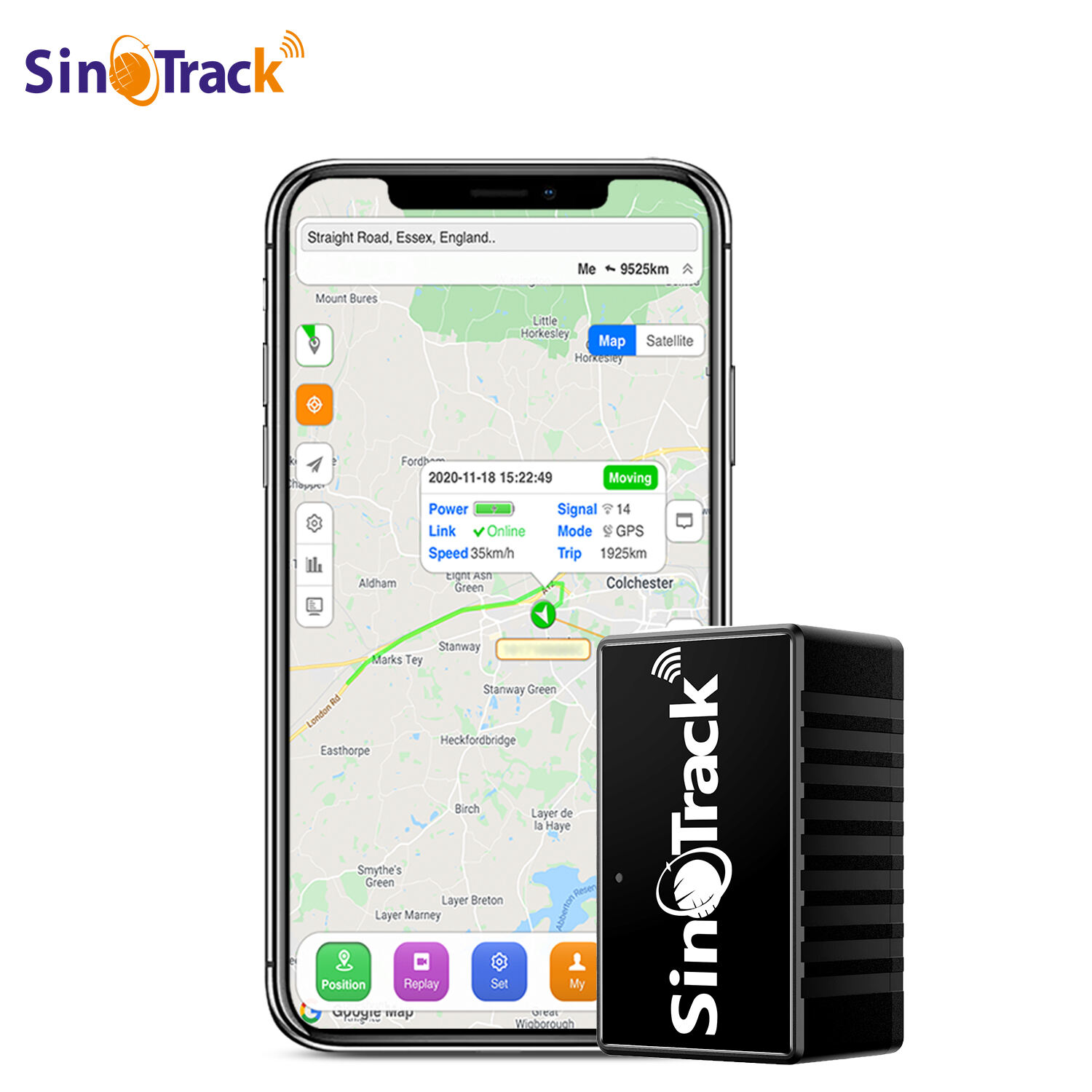
Modern tracking technology has evolved significantly, offering users sophisticated features in increasingly smaller packages. From coin-sized trackers that can be discreetly attached to pet collars to robust units designed for vehicle monitoring, the market now provides solutions for virtually every tracking need. The integration of GPS satellite networks with cellular communication has made it possible to monitor assets from anywhere in the world, transforming how businesses and individuals approach security and fleet management.
The adoption of portable tracking devices has grown exponentially across various industries, driven by their reliability, affordability, and ease of use. These devices serve multiple purposes, from preventing theft and unauthorized use to providing emergency assistance and location verification. As technology continues to advance, manufacturers are developing increasingly sophisticated features while maintaining the compact form factor that makes these devices so appealing to users.
Essential Features of Modern GPS Tracking Devices
Real-Time Location Monitoring
Contemporary tracking devices excel at providing accurate, real-time location data through advanced GPS satellite connectivity. Most quality units update location information every few seconds, ensuring users receive current position data for their tracked assets. This immediate feedback capability proves invaluable during emergency situations or when quick location verification is required. The precision of modern GPS technology allows tracking within meters of actual position, making it possible to locate items even in dense urban environments.
Advanced algorithms help filter GPS signals to provide consistent tracking performance across various environmental conditions. Whether the device is moving through urban canyons, under tree cover, or in challenging weather conditions, sophisticated processing ensures reliable location data. Many devices also incorporate assisted GPS technology, which uses cellular tower triangulation to supplement satellite data when GPS signals are weak or temporarily unavailable.
Geofencing and Alert Systems
Smart geofencing capabilities allow users to establish virtual boundaries around specific areas, triggering automatic alerts when tracked objects enter or exit designated zones. This feature proves particularly valuable for pet owners who want to know if their animals leave the yard, or business owners monitoring vehicle usage outside authorized areas. Customizable alert systems can send notifications via SMS, email, or mobile app notifications, ensuring users receive immediate updates about boundary violations.
The sophistication of modern alert systems extends beyond simple boundary notifications. Users can configure alerts for various scenarios, including speed violations, extended stationary periods, or battery level warnings. These intelligent notification systems help prevent issues before they become serious problems, whether that means retrieving a wandering pet or addressing unauthorized vehicle use promptly.
Applications Across Different Industries
Vehicle Fleet Management
Commercial fleet operators increasingly rely on tracking technology to optimize operations, reduce costs, and improve security. A portable gps tracking device allows fleet managers to monitor vehicle locations, track driver behavior, and verify delivery routes in real-time. This comprehensive monitoring capability helps companies reduce fuel costs, improve customer service, and ensure compliance with regulatory requirements.
Beyond basic location tracking, modern fleet management systems provide detailed analytics about vehicle usage patterns, maintenance scheduling, and driver performance metrics. This data-driven approach enables companies to make informed decisions about route optimization, vehicle replacement schedules, and training programs. The result is improved operational efficiency and reduced operating costs across the entire fleet.
Pet Safety and Monitoring
Pet owners have embraced tracking technology as an essential tool for ensuring animal safety and providing peace of mind. Compact tracking devices designed specifically for pets offer features tailored to animal behavior and needs. These specialized units often include activity monitoring, health tracking, and escape alerts that help owners maintain better oversight of their pets' wellbeing and location.
The emotional value of pet tracking extends beyond simple location monitoring, providing owners with confidence that they can quickly locate lost animals. Many pet-specific devices include features like virtual leash alerts, activity level monitoring, and integration with veterinary health records. This comprehensive approach to pet monitoring helps owners provide better care while reducing the anxiety associated with pet safety concerns.
Technical Specifications and Performance Standards
Battery Life and Power Management
Modern tracking devices incorporate advanced power management systems that balance performance with extended battery life. Quality units typically provide several days to weeks of continuous operation, depending on reporting frequency and usage patterns. Intelligent power management automatically adjusts tracking intervals based on movement detection, extending battery life during stationary periods while maintaining frequent updates during active use.
Rechargeable lithium batteries have become the standard for most tracking applications, offering reliable performance and convenient charging options. Many devices include low battery alerts and power-saving modes that extend operational time during critical situations. Solar charging capabilities and external power connections provide additional options for extended deployment scenarios where regular charging might be challenging.
Connectivity and Communication Protocols
Robust cellular connectivity ensures reliable communication between tracking devices and monitoring platforms, even in areas with limited network coverage. Modern devices support multiple cellular bands and automatically switch between available networks to maintain consistent connectivity. This redundancy proves crucial for applications where continuous monitoring is essential for safety or security purposes.
Advanced communication protocols optimize data transmission to minimize power consumption while ensuring timely delivery of location updates. Many devices include failsafe mechanisms that store location data locally when cellular connectivity is temporarily unavailable, transmitting stored information once connection is restored. This comprehensive approach ensures no critical tracking data is lost due to temporary communication interruptions.
Selection Criteria and Implementation Considerations
Size and Portability Requirements
Choosing the appropriate device size depends largely on the intended application and concealment requirements. Coin-sized trackers excel for discrete pet monitoring or small asset tracking, while larger units may be necessary for vehicle applications requiring extended battery life or additional features. The balance between size, battery capacity, and feature set requires careful consideration based on specific use requirements.
Durability and weather resistance become critical factors when selecting tracking devices for outdoor applications. Quality units feature robust construction with waterproof housings and shock-resistant designs that withstand harsh environmental conditions. Temperature tolerance and vibration resistance ensure reliable operation across various deployment scenarios, from extreme weather conditions to demanding industrial applications.
Cost Analysis and Return on Investment
The total cost of ownership includes initial device purchase, ongoing service fees, and maintenance considerations. While entry-level units may seem attractive from a price perspective, the long-term value often favors quality devices with comprehensive features and reliable performance. Service plan costs vary significantly between providers, making it essential to evaluate total monthly expenses alongside device capabilities.
Return on investment calculations should consider both direct cost savings and indirect benefits like reduced insurance premiums, improved operational efficiency, and peace of mind value. For commercial applications, tracking systems often pay for themselves through reduced fuel costs, improved asset utilization, and enhanced security measures. Personal users frequently find the security and convenience benefits justify the ongoing service costs.
Future Developments and Emerging Technologies
Integration with Internet of Things Ecosystems
The evolution toward comprehensive IoT integration promises enhanced functionality and improved user experiences. Future tracking devices will seamlessly connect with smart home systems, vehicle telematics, and mobile applications to provide holistic monitoring solutions. This integration enables automated responses to tracking events, such as adjusting home security systems when pets are detected outside designated areas.
Artificial intelligence and machine learning capabilities are being incorporated to provide predictive analytics and behavioral pattern recognition. These advanced features help users anticipate potential issues before they occur, whether that means predicting when a pet might attempt to escape or identifying unusual vehicle usage patterns that could indicate theft or misuse.
Enhanced Accuracy and Multi-System Navigation
Next-generation tracking devices increasingly incorporate multiple satellite navigation systems, including GPS, GLONASS, Galileo, and BeiDou, for enhanced accuracy and reliability. This multi-system approach provides more consistent tracking performance in challenging environments and reduces dependency on any single navigation constellation. The result is improved accuracy and faster initial position acquisition.
Advanced positioning technologies like Real-Time Kinematic processing and assisted positioning systems promise centimeter-level accuracy for applications requiring precise location data. These technological advances will enable new applications in autonomous vehicle monitoring, precision agriculture, and high-value asset tracking where traditional GPS accuracy levels are insufficient.
FAQ
How long does the battery typically last in a portable GPS tracking device
Battery life varies significantly based on device type, reporting frequency, and usage patterns, typically ranging from 3-5 days for high-frequency tracking to several weeks for periodic location updates. Factors like GPS acquisition frequency, cellular transmission intervals, and environmental conditions affect power consumption. Most quality devices include power management features that extend battery life by adjusting tracking intervals based on movement detection and user-defined preferences.
Can GPS tracking devices work indoors or in areas with poor satellite reception
While GPS accuracy diminishes indoors or in areas with limited sky visibility, modern tracking devices incorporate assisted positioning technologies that use cellular tower triangulation and WiFi positioning to maintain location capabilities. These supplementary systems provide approximate location data when GPS signals are weak or unavailable. However, for consistent indoor tracking, specialized indoor positioning systems or Bluetooth beacons may be more effective than traditional GPS-based devices.
What monthly service costs should I expect for GPS tracking services
Monthly service fees typically range from $10-30 per device, depending on the service provider, data allowance, and feature set included. Basic plans usually cover standard location tracking and alerts, while premium plans may include extended data storage, advanced analytics, and additional communication options. Some providers offer annual payment discounts or family plans for multiple devices, making it worthwhile to compare total yearly costs when selecting a service provider.
Are there any legal considerations for using GPS tracking devices
Legal requirements for GPS tracking vary by jurisdiction and application, with different rules applying to employee vehicle monitoring, fleet management, and personal use scenarios. Generally, tracking company-owned vehicles and assets is permissible, while tracking personal vehicles requires consent from vehicle operators. Pet tracking typically has no legal restrictions, but some areas regulate tracking of individuals without consent. It's advisable to consult local regulations and obtain appropriate permissions before implementing tracking systems for business or personal use.