
 EN
EN
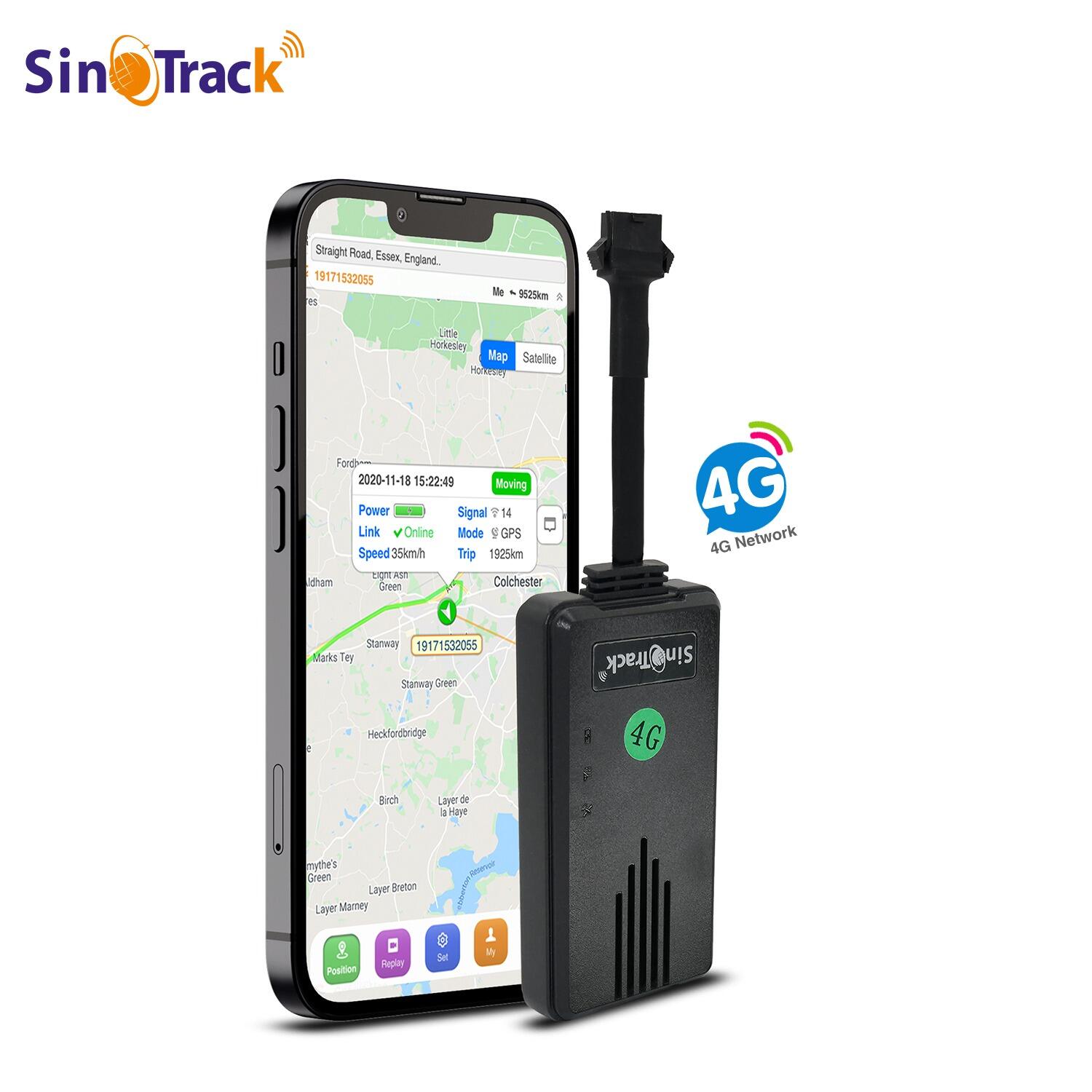
Installing a gps tracker for car has become an essential security measure for vehicle owners worldwide. With rising theft rates and the need for enhanced fleet management, modern GPS tracking systems offer comprehensive monitoring capabilities that go beyond simple location tracking. Whether you're protecting a personal vehicle or managing a commercial fleet, understanding the installation process ensures optimal performance and reliable operation.
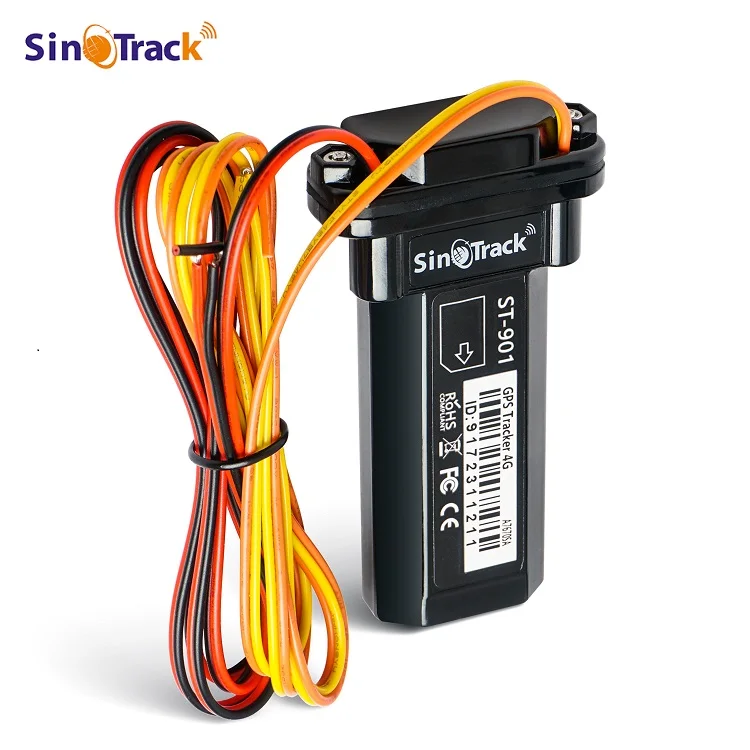
Modern automotive GPS tracking technology has evolved significantly, offering features like real-time monitoring, geofencing alerts, and detailed driving reports. The installation process, while straightforward, requires careful attention to wiring connections and proper placement to ensure maximum effectiveness. Professional installation ensures warranty protection and optimal system performance.
Understanding GPS Tracker Components and Types
Essential Components of Vehicle Tracking Systems
A complete gps tracker for car system consists of several critical components working together seamlessly. The main GPS module receives satellite signals and determines precise location coordinates using advanced positioning algorithms. The GSM module enables cellular communication, transmitting location data to monitoring servers through mobile networks. Power management circuits ensure stable operation while protecting against voltage fluctuations common in automotive electrical systems.
Antenna systems play a crucial role in signal reception quality. GPS antennas must maintain clear sky visibility for optimal satellite communication, while GSM antennas require proper positioning for reliable cellular connectivity. Backup battery systems provide continued operation during power interruptions, ensuring continuous monitoring even when the main vehicle battery is disconnected.
Hardwired vs OBD Port Installation Options
Hardwired installations offer superior security and permanent mounting solutions for professional applications. These systems connect directly to the vehicle's electrical system, making tampering extremely difficult. Hardwired gps tracker for car installations typically involve connections to ignition switches, parking lights, and ground systems for comprehensive monitoring capabilities.
OBD port installations provide simpler plug-and-play functionality suitable for basic tracking needs. These devices connect through the diagnostic port, accessing vehicle data without complex wiring. However, OBD installations are more visible and easier to remove, making them less suitable for high-security applications requiring covert operation.
Pre-Installation Planning and Preparation
Vehicle Compatibility Assessment
Before beginning installation, verify compatibility between your chosen gps tracker for car and the target vehicle's electrical system. Different vehicles operate on various voltage systems, with most passenger cars using 12V DC while commercial trucks may use 24V systems. Check manufacturer specifications to ensure proper voltage matching and prevent equipment damage.
Examine the vehicle's wiring harness accessibility and identify suitable connection points for power, ground, and ignition circuits. Modern vehicles with complex electronic systems may require additional precautions to avoid interference with existing systems like engine management or security modules. Consult vehicle service manuals for proper wiring identification and recommended connection procedures.
Tool Requirements and Safety Preparations
Gather essential tools including wire strippers, electrical tape, zip ties, drill bits, and multimeter for voltage testing. Quality crimp connectors and heat-shrink tubing ensure reliable electrical connections resistant to vibration and moisture. Safety equipment including safety glasses and work gloves protect against injury during installation procedures.
Prepare the workspace by parking on level ground with adequate lighting for detailed work. Disconnect the vehicle battery negative terminal to prevent electrical shorts during installation. Identify and mark all connection points before beginning wiring to ensure systematic installation without confusion or errors.
Step-by-Step Installation Process
Mounting Location Selection and Preparation
Choose mounting locations that provide protection from environmental elements while maintaining GPS signal reception. Under-dashboard areas offer excellent concealment while providing access to necessary wiring connections. Avoid mounting near metal components that might interfere with GPS or cellular signal reception, ensuring optimal tracking performance.
The selected location for your gps tracker for car should allow proper ventilation to prevent overheating during extended operation. Secure mounting prevents device movement that could cause connection failures or signal interference. Use appropriate mounting hardware compatible with both the device and vehicle surface materials.
Power Connection and Wiring Procedures
Begin wiring by identifying the constant 12V power source, typically found at the fuse box or ignition switch. This connection provides continuous power for memory retention and standby monitoring functions. Connect the positive power wire using appropriate gauge wire rated for automotive applications, ensuring secure connections that resist corrosion and vibration.
Establish a solid ground connection to the vehicle chassis using an existing ground point or creating a new connection to bare metal. Clean all connection surfaces to ensure optimal electrical conductivity and long-term reliability. The ignition wire connection enables the tracker to detect vehicle operation status, providing valuable data for usage monitoring and theft detection.
Antenna Installation and Signal Testing
Position GPS and cellular antennas for optimal signal reception while maintaining weather protection. GPS antennas require clear sky visibility through windows or external mounting for maximum satellite acquisition. Cellular antennas benefit from elevation and distance from metal components that might cause signal attenuation or reflection.
Test signal strength after antenna installation using the device's built-in diagnostics or mobile application. Verify GPS satellite acquisition and cellular network connectivity before completing the installation. Adjust antenna positions if signal strength appears inadequate for reliable operation in your geographic area.
Configuration and Testing Procedures
Initial System Setup and Account Registration
After successful hardware installation, proceed with software configuration through the manufacturer's platform or mobile application. Create user accounts and register your gps tracker for car using the device's unique identification number. Configure basic settings including reporting intervals, alert thresholds, and emergency contact information.
Establish geofence boundaries around important locations like home, work, or restricted areas. Configure speed alerts and unauthorized movement notifications to enhance security monitoring. Test all configured features to ensure proper operation before relying on the system for critical security functions.
Functional Testing and Calibration
Conduct comprehensive testing by driving the vehicle through various scenarios while monitoring tracking accuracy and reporting reliability. Verify location accuracy, speed reporting, and alert functionality during normal operation. Test emergency features including panic buttons or unauthorized movement detection to ensure proper response.
Document baseline performance metrics for future reference and troubleshooting purposes. Record typical signal strengths, battery voltage readings, and reporting intervals to identify potential issues before they affect system reliability. Regular testing ensures continued optimal performance of your gps tracker for car system.
Troubleshooting Common Installation Issues
Power and Connectivity Problems
Address power-related issues by verifying all electrical connections are secure and properly crimped. Use a multimeter to test voltage at connection points, ensuring adequate power supply during all operating conditions. Loose connections often cause intermittent operation that can be difficult to diagnose without systematic testing procedures.
Cellular connectivity issues may result from poor antenna placement or network coverage limitations. Relocate cellular antennas to improve signal strength or consider carrier changes if coverage is inadequate. Monitor signal strength indicators to identify patterns related to location or time-of-day variations in network performance.
GPS Signal Reception and Accuracy Issues
Poor GPS accuracy often results from antenna placement problems or signal interference from vehicle electronics. Relocate GPS antennas away from sources of electronic interference while maintaining clear sky visibility. Consider external antenna mounting for vehicles with heavily tinted windows or metal roofs that block satellite signals.
Signal acquisition delays may indicate insufficient antenna elevation or obstruction by surrounding structures. Monitor GPS satellite count and signal strength during various parking locations to identify optimal positioning. Some gps tracker for car systems offer assisted GPS features that improve acquisition speed in challenging environments.
Maintenance and Long-Term Operation
Regular System Monitoring and Updates
Establish regular monitoring schedules to verify continued system operation and performance. Check battery backup charge levels, cellular signal strength, and GPS accuracy on monthly intervals. Update firmware when manufacturer releases improve functionality or address security vulnerabilities that could compromise system integrity.
Monitor data usage patterns to ensure cellular plans remain adequate for reporting requirements. Heavy data users may require plan upgrades to avoid service interruptions during critical monitoring periods. Backup configuration settings regularly to enable quick system restoration if hardware replacement becomes necessary.
Environmental Protection and Physical Security
Inspect installation periodically for signs of environmental damage including corrosion, moisture intrusion, or physical damage from vibration. Clean antenna connections and apply protective coatings if necessary to prevent long-term degradation. Verify mounting hardware remains secure and adjust as needed to prevent device movement.
Consider additional security measures for high-value applications including tamper detection systems or backup tracking devices. Covert installation techniques make unauthorized removal more difficult while maintaining system functionality. Document installation details for future maintenance or system expansion requirements.
FAQ
How long does typical gps tracker for car installation take?
Professional installation typically requires 2-4 hours depending on vehicle complexity and desired features. Hardwired installations take longer than OBD port connections but provide superior security and functionality. DIY installations may take additional time for learning proper procedures and troubleshooting initial setup issues.
Can I install a GPS tracker without affecting my vehicle warranty?
Proper installation following manufacturer guidelines typically does not void vehicle warranties. However, improper installation causing damage may result in warranty claim denials. Consider professional installation for new vehicles to ensure warranty protection and optimal system performance. Always consult your vehicle dealer before proceeding with any electrical modifications.
What ongoing costs are associated with GPS vehicle tracking?
Monthly service fees typically range from $20-50 depending on features and data usage requirements. Some providers offer annual payment discounts or fleet pricing for multiple vehicles. Additional costs may include premium features like detailed reporting, extended data retention, or advanced alert capabilities that enhance overall system value.
How accurate are modern GPS tracking systems for vehicles?
Modern gps tracker for car systems typically provide accuracy within 3-5 meters under optimal conditions. Accuracy may decrease in urban environments with tall buildings or heavy tree cover. Advanced systems with multiple satellite constellation support offer improved accuracy and faster position acquisition in challenging environments.