
 EN
EN
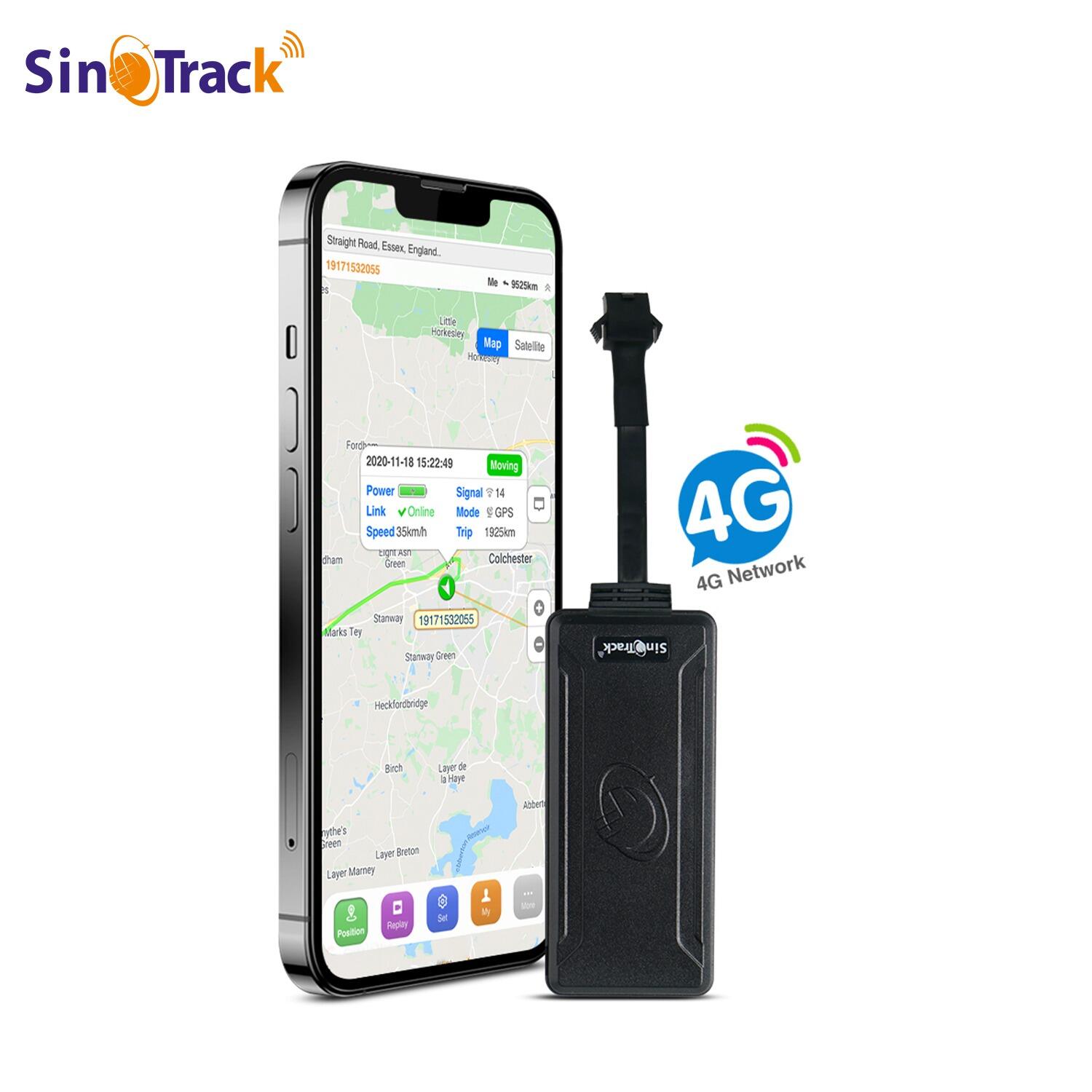
Selecting the right gps tracker for your specific requirements can be a complex decision given the wide variety of options available in today's market. Whether you need to monitor fleet vehicles, keep tabs on personal assets, or ensure the safety of loved ones, understanding the key features and capabilities of different tracking systems is essential. The modern gps tracker market offers solutions ranging from basic real-time location services to comprehensive monitoring platforms with advanced analytics and reporting features.
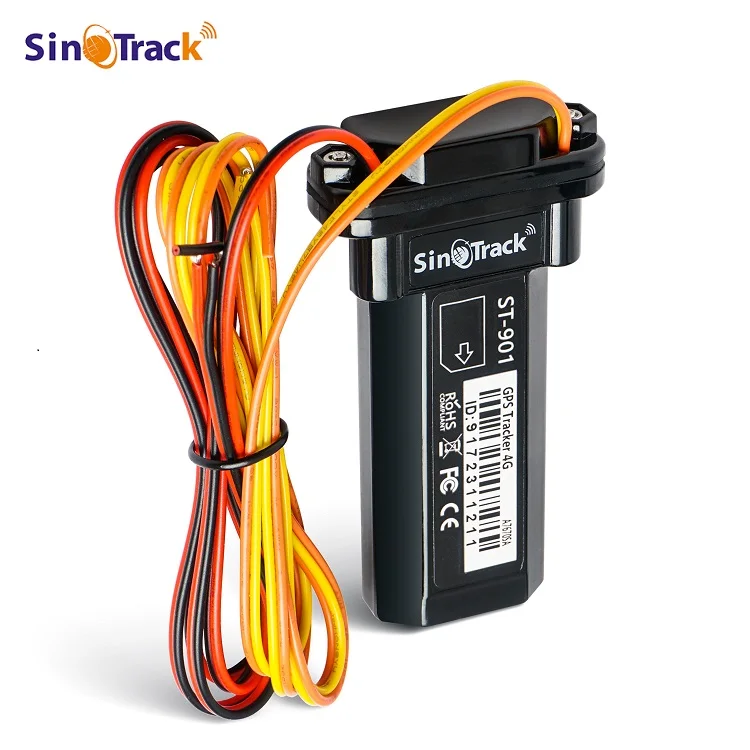
Modern businesses and individuals increasingly rely on location tracking technology to optimize operations, enhance security, and improve overall efficiency. The right gps tracker can provide valuable insights into vehicle usage patterns, help prevent theft, and offer peace of mind through real-time monitoring capabilities. However, with numerous manufacturers and models available, making an informed choice requires careful consideration of various technical specifications and operational requirements.
Understanding GPS Tracker Types and Technologies
Vehicle-Based GPS Tracking Systems
Vehicle-based tracking systems represent the most common application for gps tracker technology in commercial and personal use. These devices are specifically designed to integrate with automotive electrical systems and provide continuous monitoring of vehicle location, speed, and operational status. Most modern vehicle trackers connect directly to the vehicle's OBD-II port or require hardwired installation for more permanent monitoring solutions.
Professional-grade vehicle gps tracker units often include additional features such as engine diagnostics, fuel consumption monitoring, and driver behavior analysis. These comprehensive systems can help fleet managers optimize routes, reduce operational costs, and improve driver safety through detailed reporting and real-time alerts. The data collected by these systems can be invaluable for insurance purposes, maintenance scheduling, and regulatory compliance.
Portable and Asset Tracking Solutions
Portable gps tracker devices offer flexibility for monitoring assets that move between locations or require temporary tracking capabilities. These battery-powered units are ideal for tracking shipping containers, construction equipment, rental vehicles, or personal belongings during travel. The main advantage of portable trackers is their ease of deployment and ability to provide location data without permanent installation.
Battery life considerations are crucial when selecting portable tracking solutions, as extended monitoring periods require devices with efficient power management systems. Advanced portable gps tracker models feature smart power modes that extend battery life by adjusting reporting frequency based on movement patterns and user-defined parameters.
Essential Features and Specifications
Real-Time Tracking Capabilities
Real-time tracking functionality is perhaps the most critical feature to evaluate when selecting a gps tracker for any application. This capability allows users to monitor location updates as they occur, typically with refresh intervals ranging from seconds to minutes depending on the specific requirements and cellular network conditions. Real-time tracking is essential for applications requiring immediate response capabilities, such as emergency services, security monitoring, or fleet dispatch operations.
The accuracy and reliability of real-time tracking depend on several factors, including GPS signal strength, cellular network coverage, and the quality of the tracking device's internal components. High-quality gps tracker systems incorporate multiple positioning technologies, including GPS, GLONASS, and cellular tower triangulation, to ensure consistent location accuracy even in challenging environments.
Communication and Connectivity Options
Effective communication between the gps tracker device and monitoring platform is essential for reliable operation. Most modern tracking systems utilize cellular networks to transmit location data, but the specific network technology and carrier compatibility can significantly impact performance and operational costs. Consider devices that support multiple cellular bands and carrier networks to ensure optimal coverage in your operational area.
Advanced connectivity features may include Wi-Fi capability for improved indoor tracking, Bluetooth for short-range communication with mobile devices, and satellite communication options for remote areas where cellular coverage is limited. Some gps tracker models also incorporate two-way communication features, allowing users to send commands or receive status updates directly through the tracking platform.
Installation and Integration Considerations
Professional Installation Requirements
The installation complexity of a gps tracker system can vary significantly depending on the chosen device type and desired features. Basic plug-and-play units that connect to OBD-II ports require minimal technical expertise and can be installed within minutes. However, these simple installations may not provide the same level of security and functionality as hardwired systems that integrate directly with vehicle electrical systems.
Professional installation services ensure proper integration with vehicle systems while maintaining warranty coverage and optimal performance. Hardwired installations typically provide more reliable power connections, better concealment for security purposes, and access to additional vehicle data through CAN bus integration. Professional installers can also configure custom features and ensure compliance with local regulations regarding tracking device installation.
Software Platform Integration
The software platform that accompanies your gps tracker system is equally important as the hardware itself, as this interface determines how effectively you can monitor, analyze, and act upon the collected location data. Modern tracking platforms offer web-based dashboards and mobile applications that provide real-time visibility into fleet operations, asset locations, and historical movement patterns.
Comprehensive tracking platforms include features such as geofencing capabilities, automated alert systems, detailed reporting tools, and integration options with existing business systems. When evaluating different gps tracker solutions, consider the platform's user interface design, data export capabilities, and scalability to accommodate future expansion of your tracking requirements.
Cost Analysis and Budget Considerations
Initial Hardware Investment
The upfront cost of gps tracker hardware varies considerably based on device features, build quality, and manufacturer reputation. Basic consumer-grade tracking devices may cost less than fifty dollars, while professional fleet management systems can range into hundreds of dollars per unit. When evaluating hardware costs, consider the total cost of ownership, including installation expenses, cellular service fees, and potential replacement costs over the device's operational lifespan.
Higher-quality gps tracker devices typically offer better durability, more accurate positioning, and extended warranty coverage, which can provide better long-term value despite higher initial costs. Professional-grade units often include features such as backup batteries, tamper detection, and enhanced environmental protection that justify the premium pricing for critical applications.
Ongoing Service and Maintenance Costs
Monthly service fees represent a significant portion of the total cost of ownership for most gps tracker systems, as these fees cover cellular data transmission, platform hosting, and customer support services. Service pricing structures vary widely among providers, with options ranging from basic location tracking services to comprehensive fleet management platforms with advanced analytics and reporting capabilities.
Consider service plans that offer flexible pricing based on your specific usage requirements, such as adjustable reporting intervals, varying data allowances, and scalable platform features. Some providers offer volume discounts for large fleet deployments or long-term service commitments that can significantly reduce ongoing operational costs for extensive gps tracker implementations.
Security and Privacy Considerations
Data Protection and Encryption
Data security is a critical consideration when selecting a gps tracker system, particularly for applications involving sensitive business operations or personal privacy concerns. Modern tracking systems should incorporate end-to-end encryption for data transmission and storage, ensuring that location information remains protected from unauthorized access or interception during cellular transmission.
Evaluate the security protocols implemented by tracking service providers, including data center security measures, access control systems, and compliance with relevant privacy regulations. Professional gps tracker platforms often provide detailed security documentation and may undergo third-party security audits to verify the effectiveness of their protection measures.
Physical Security Features
Physical security of the tracking device itself is important for preventing tampering or unauthorized removal, particularly in high-risk applications or valuable asset protection scenarios. Many professional gps tracker units include tamper detection features that generate immediate alerts when the device is disconnected or physically manipulated.
Concealed installation options and robust housing materials help protect tracking devices from environmental damage and deliberate interference. Some advanced systems incorporate backup power sources and alternative communication methods that maintain tracking capability even when primary systems are compromised.
Application-Specific Requirements
Fleet Management Applications
Commercial fleet management represents one of the most demanding applications for gps tracker technology, requiring robust systems capable of monitoring multiple vehicles simultaneously while providing detailed operational analytics. Fleet management platforms typically integrate location tracking with additional data sources such as fuel consumption, engine diagnostics, and driver behavior monitoring to provide comprehensive visibility into operational efficiency.
Advanced fleet management gps tracker systems often include features specifically designed for commercial operations, such as electronic logging device compliance, maintenance scheduling integration, and driver communication capabilities. These comprehensive systems can significantly improve operational efficiency while ensuring compliance with transportation regulations and safety requirements.
Personal and Family Safety Applications
Personal safety applications for gps tracker technology focus on providing peace of mind for family members while maintaining appropriate privacy boundaries. These systems typically emphasize ease of use, long battery life, and reliable emergency communication features over the complex analytics required for commercial fleet management.
Family-oriented tracking solutions often include features such as safe zone notifications, emergency alert buttons, and simplified mobile applications that allow family members to share location information voluntarily. The balance between safety monitoring and personal privacy is crucial when implementing gps tracker solutions for family applications.
FAQ
What is the typical battery life for portable GPS trackers
Battery life for portable gps tracker devices varies significantly based on reporting frequency, environmental conditions, and power management features. Basic units operating with hourly location updates typically provide 1-2 weeks of continuous operation, while advanced devices with intelligent power management can extend operation to several months. Devices that report location only when movement is detected can achieve even longer battery life by entering sleep modes during stationary periods.
How accurate are modern GPS tracking systems
Modern gps tracker systems typically provide location accuracy within 3-5 meters under optimal conditions with clear sky visibility. Urban environments with tall buildings or dense foliage may reduce accuracy to 10-15 meters, while indoor locations may require assisted positioning technologies for reliable tracking. High-end commercial units often incorporate multiple positioning systems including GPS, GLONASS, and cellular tower triangulation to improve accuracy and reliability in challenging environments.
Can GPS trackers work without cellular service
Most gps tracker devices require cellular connectivity to transmit location data to monitoring platforms in real-time. However, many devices include internal memory that stores location data when cellular service is unavailable, uploading the stored information once connectivity is restored. Some specialized units designed for remote area operations incorporate satellite communication capabilities that enable tracking in locations without cellular coverage, though these systems typically involve higher operational costs.
What should I consider when choosing a GPS tracker service provider
When selecting a gps tracker service provider, evaluate factors such as cellular network coverage in your operational area, platform features and user interface quality, customer support availability, and total cost of ownership including hardware and service fees. Consider providers that offer flexible service plans, reliable technical support, and platform features that match your specific tracking requirements. Additionally, verify that the provider maintains appropriate data security measures and complies with relevant privacy regulations in your jurisdiction.