 EN
EN
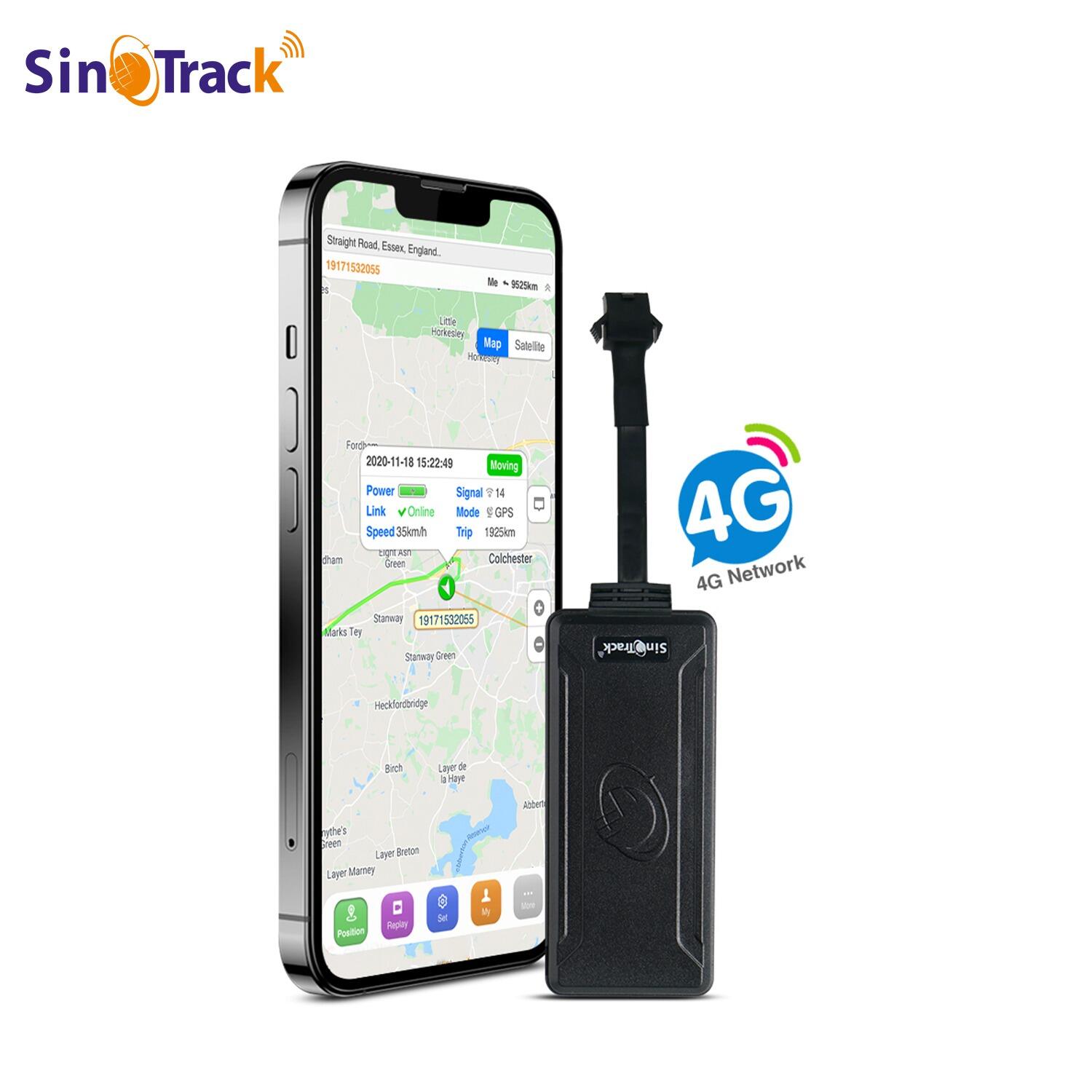
Modern businesses face unprecedented challenges in managing their mobile assets, from vehicle fleets to valuable equipment and cargo shipments. A comprehensive gps tracker solution has become essential for companies seeking to optimize operations, reduce costs, and maintain competitive advantages in today's fast-paced commercial environment. The strategic implementation of tracking technology delivers measurable returns on investment while addressing critical business concerns including theft prevention, operational efficiency, and regulatory compliance.
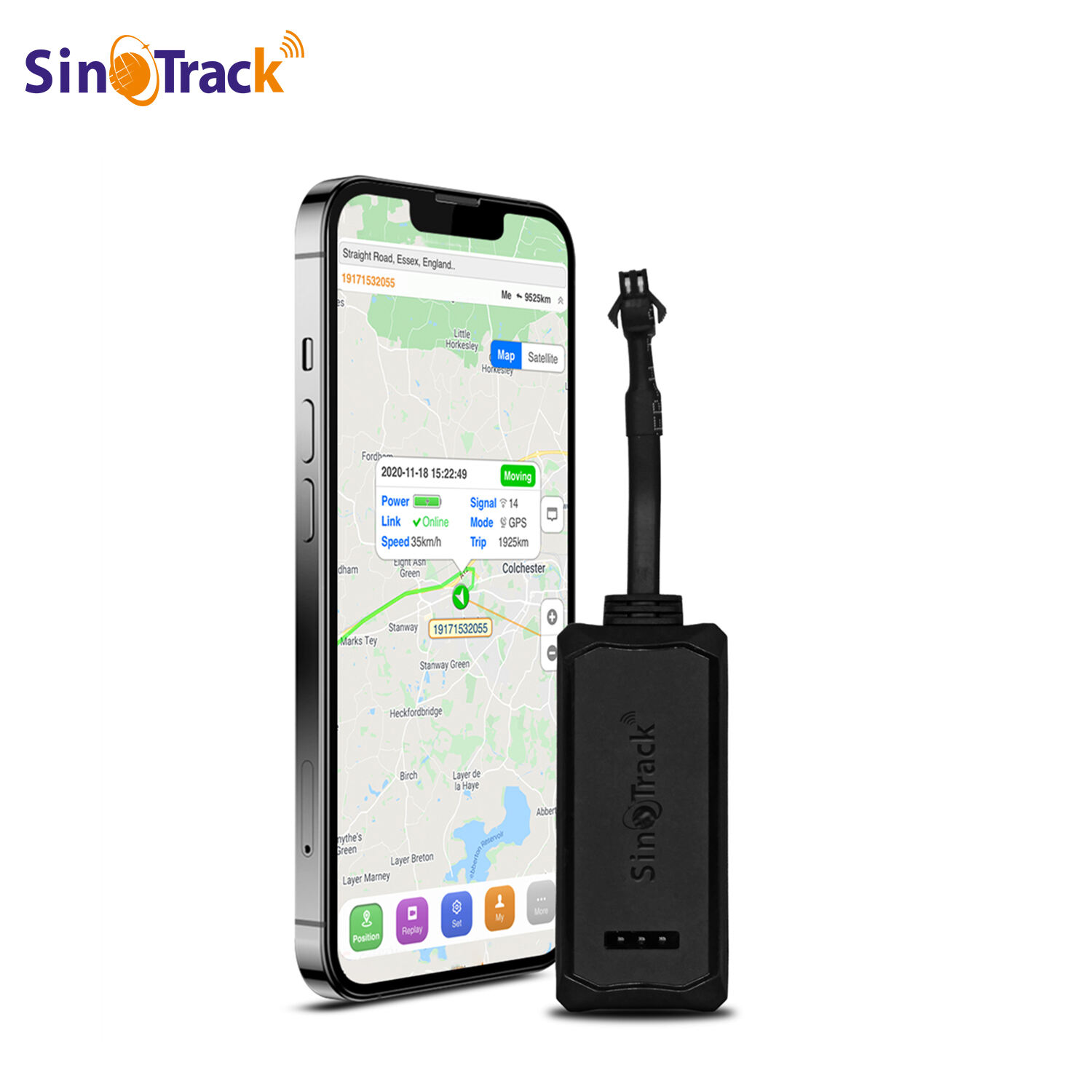
Enterprise decision-makers increasingly recognize that location tracking technology extends far beyond simple asset monitoring. Contemporary gps tracker systems integrate advanced analytics, real-time reporting, and predictive maintenance capabilities that transform raw location data into actionable business intelligence. These sophisticated platforms enable organizations to make informed decisions about resource allocation, route optimization, and operational improvements that directly impact profitability and customer satisfaction.
The financial justification for implementing tracking solutions becomes evident when examining the comprehensive cost savings and revenue enhancements these systems provide. Companies utilizing professional-grade gps tracker technology report significant reductions in fuel consumption, maintenance expenses, insurance premiums, and operational overhead while simultaneously improving service delivery and customer retention rates.
Understanding Enterprise GPS Tracking Technology
Core System Components and Architecture
Professional gps tracker systems comprise multiple integrated components working together to provide comprehensive asset monitoring and management capabilities. The hardware foundation includes satellite receivers, cellular communication modules, backup power systems, and environmental sensors that ensure reliable operation under diverse conditions. These devices continuously collect location coordinates, movement patterns, and operational status information that forms the basis for all tracking applications.
The software platform serves as the central command center where raw tracking data transforms into meaningful business insights. Advanced algorithms process location information, generate automated alerts, compile detailed reports, and integrate with existing enterprise systems including fleet management software, customer relationship management platforms, and accounting applications. This seamless integration ensures that tracking data enhances rather than complicates existing business processes.
Cloud-based infrastructure provides the scalability and reliability necessary for enterprise-level deployments. Modern gps tracker solutions leverage distributed server networks, redundant data storage, and advanced security protocols to ensure consistent performance and data protection. This architecture supports real-time monitoring of hundreds or thousands of assets while maintaining the flexibility to accommodate business growth and changing requirements.
Advanced Features and Capabilities
Contemporary tracking platforms offer sophisticated features that extend well beyond basic location monitoring. Geofencing capabilities enable businesses to establish virtual boundaries around specific areas, triggering automated notifications when assets enter or exit designated zones. This functionality proves invaluable for monitoring delivery schedules, ensuring compliance with operational protocols, and enhancing security measures across multiple locations.
Historical data analysis provides insights into long-term trends and patterns that inform strategic decision-making. Comprehensive reporting tools generate detailed analytics on asset utilization, route efficiency, driver behavior, and operational performance metrics. These reports enable managers to identify opportunities for improvement, validate the effectiveness of operational changes, and demonstrate return on investment to stakeholders.
Integration with Internet of Things sensors expands the capabilities of gps tracker systems beyond simple location monitoring. Temperature sensors monitor cargo conditions during transport, accelerometers detect harsh driving behaviors, and engine diagnostic interfaces provide real-time vehicle health information. This comprehensive monitoring approach transforms tracking devices into complete asset management platforms.
Quantifying Return on Investment
Direct Cost Savings Analysis
The financial benefits of implementing a professional gps tracker system manifest through multiple cost reduction categories. Fuel consumption typically represents the largest expense for vehicle fleets, and tracking technology enables significant savings through route optimization, idle time reduction, and driver behavior modification. Companies consistently report fuel cost reductions ranging from fifteen to twenty-five percent following implementation of comprehensive tracking solutions.
Maintenance expenses decrease substantially when tracking systems provide predictive maintenance capabilities and monitor vehicle usage patterns. Early detection of mechanical issues prevents costly breakdowns, while optimized scheduling ensures vehicles receive service at appropriate intervals rather than arbitrary mileage markers. These improvements extend asset lifespans and reduce unexpected repair costs that disrupt operations and strain budgets.
Insurance premiums often decrease when companies demonstrate proactive risk management through comprehensive tracking implementation. Many insurance providers offer discounts for fleets equipped with monitoring technology, recognizing the correlation between tracking systems and reduced claim frequency. The ability to quickly recover stolen assets and provide detailed incident documentation further enhances the risk profile of tracked fleets.
Revenue Enhancement Opportunities
Improved customer service capabilities directly translate into revenue growth opportunities for businesses utilizing advanced gps tracker technology. Real-time location information enables accurate delivery time estimates, proactive communication about delays, and rapid response to customer inquiries. These service enhancements increase customer satisfaction scores, improve retention rates, and generate positive referrals that drive new business acquisition.
Operational efficiency improvements create capacity for revenue growth without proportional increases in operational costs. Route optimization reduces travel time and fuel consumption while enabling drivers to complete additional service calls or deliveries within existing work schedules. This increased productivity directly impacts revenue generation while maintaining consistent labor costs.
Regulatory compliance capabilities become increasingly valuable as industries face stricter oversight and reporting requirements. Automated logging of driver hours, route documentation, and asset locations simplifies compliance reporting while reducing the risk of violations and associated penalties. The ability to demonstrate compliance through comprehensive tracking records provides competitive advantages when pursuing contracts with regulated industries or government entities.
Implementation Cost Analysis
Initial Investment Requirements
The upfront costs associated with implementing a comprehensive gps tracker solution include hardware procurement, software licensing, installation services, and staff training. Hardware costs vary significantly based on feature requirements, with basic tracking devices starting at relatively modest price points while advanced units with comprehensive sensor packages command higher investments. However, the scalability of modern systems enables businesses to start with essential features and expand capabilities as budgets allow.
Professional installation ensures optimal performance and reliability while minimizing potential issues that could compromise system effectiveness. Certified technicians properly position antennas, secure wiring connections, and configure devices according to manufacturer specifications. While installation represents an additional cost, professional setup significantly reduces the likelihood of performance problems that could undermine the investment in tracking technology.
Software licensing and subscription fees provide access to the platforms and services necessary for effective asset monitoring and management. These recurring costs typically scale with the number of tracked assets and selected feature sets. Most providers offer flexible pricing models that accommodate various business sizes and budget constraints while providing clear paths for expansion as operations grow.
Ongoing Operational Expenses
Cellular data connectivity represents the primary ongoing operational expense for gps tracker systems. Monthly communication costs depend on data transmission frequency, reporting detail levels, and network coverage requirements. Many providers offer pooled data plans that optimize costs across multiple devices while ensuring adequate bandwidth for all tracking functions.
System maintenance and support services ensure continued reliability and performance optimization throughout the system lifecycle. Regular software updates introduce new features, security enhancements, and compatibility improvements that maintain system effectiveness. Professional support services provide technical assistance, troubleshooting expertise, and guidance for maximizing return on investment.
Staff training and ongoing education represent investments in maximizing system utilization and effectiveness. Comprehensive training programs ensure personnel understand all available features and can leverage tracking data to improve operational decisions. Continued education keeps staff current with new capabilities and best practices that enhance the value derived from tracking investments.
Industry-Specific Applications
Transportation and Logistics
Transportation companies achieve substantial benefits through strategic implementation of gps tracker technology across their vehicle fleets. Real-time location visibility enables dispatch optimization, reduces customer wait times, and improves overall service reliability. Advanced routing algorithms consider traffic conditions, vehicle capacity, and delivery priorities to create efficient schedules that minimize travel time and fuel consumption while maximizing customer satisfaction.
Cargo monitoring capabilities provide additional value for logistics operations handling sensitive or high-value shipments. Temperature-controlled cargo benefits from continuous environmental monitoring that ensures product integrity throughout the transportation process. Security features including tamper detection and unauthorized movement alerts protect valuable shipments while providing documentation for insurance and liability purposes.
Driver safety programs incorporate tracking data to identify risky behaviors and provide targeted coaching opportunities. Speeding alerts, harsh acceleration warnings, and route deviation notifications enable fleet managers to address safety concerns proactively rather than reactively. These programs reduce accident rates, lower insurance costs, and protect company reputation while demonstrating commitment to employee and public safety.
Construction and Equipment
Construction companies utilize gps tracker systems to monitor valuable equipment across multiple job sites and storage locations. Heavy machinery theft represents a significant financial risk, and tracking technology provides rapid recovery capabilities while deterring theft attempts. Usage monitoring ensures equipment receives appropriate maintenance based on actual operating hours rather than calendar schedules, extending asset lifespans and reducing unexpected breakdowns.
Project management benefits from comprehensive asset tracking that provides visibility into equipment allocation and utilization rates. Managers can identify underutilized assets that could be redeployed to active projects, reducing rental costs and improving project profitability. Historical usage data informs future equipment purchasing decisions and helps optimize fleet composition for maximum efficiency.
Compliance documentation becomes simpler when tracking systems automatically log equipment locations and operating parameters. Environmental regulations, safety requirements, and contract specifications often mandate detailed record-keeping that tracking systems can provide automatically. This automation reduces administrative overhead while ensuring comprehensive compliance documentation.
Technology Selection Criteria
Hardware Considerations
Selecting appropriate gps tracker hardware requires careful evaluation of environmental conditions, power requirements, and feature needs. Devices destined for harsh industrial environments need ruggedized enclosures, extended temperature ratings, and enhanced vibration resistance. Construction equipment and outdoor assets require weatherproof designs that maintain reliable operation despite exposure to dust, moisture, and extreme temperatures.
Battery life and power management capabilities significantly impact operational convenience and maintenance requirements. Extended battery life reduces service intervals and ensures continuous monitoring even when primary power sources become unavailable. Solar charging capabilities extend deployment options for assets operating in remote locations without regular access to charging infrastructure.
Connectivity options must align with operational requirements and coverage areas. Cellular networks provide broad coverage but may have limitations in remote areas, while satellite communication offers global coverage at higher costs. Dual-mode devices that automatically switch between communication methods ensure reliable connectivity while optimizing operational expenses.
Software Platform Evaluation
The software platform ultimately determines the value derived from tracking hardware investments. Comprehensive evaluation should examine user interface design, reporting capabilities, integration options, and scalability potential. Intuitive interfaces reduce training requirements and encourage adoption while powerful reporting tools transform raw data into actionable insights.
Integration capabilities enable tracking systems to enhance existing business processes rather than creating additional administrative burdens. Application programming interfaces facilitate connections with fleet management software, accounting systems, and customer relationship management platforms. These integrations eliminate duplicate data entry and ensure tracking information remains current across all business systems.
Scalability considerations become critical as businesses grow and tracking requirements evolve. Cloud-based platforms typically offer superior scalability compared to on-premise solutions, accommodating growth without requiring infrastructure investments. Flexible pricing models that scale with usage ensure cost-effectiveness throughout the business lifecycle.
FAQ
What is the typical payback period for GPS tracker investments?
Most businesses achieve full return on their gps tracker investment within twelve to eighteen months of implementation. The exact payback period depends on fleet size, usage patterns, and specific cost savings achieved. Companies with larger fleets or higher fuel costs typically see faster returns, while organizations with more efficient baseline operations may require longer periods to achieve full payback. Key factors influencing payback speed include fuel savings from route optimization, reduced insurance premiums, decreased theft losses, and improved operational efficiency.
How do GPS tracking systems impact employee privacy and acceptance?
Successful gps tracker implementation requires transparent communication about monitoring purposes and clear policies regarding data usage. Employees generally accept tracking when companies clearly explain the business benefits, safety improvements, and protection against false accusations that tracking provides. Best practices include limiting monitoring to work hours, focusing on business-related metrics rather than personal behavior, and involving employee representatives in policy development. Training programs that emphasize safety benefits and operational improvements typically achieve higher acceptance rates than punitive approaches.
What maintenance requirements do GPS tracking systems have?
Modern gps tracker systems require minimal ongoing maintenance when properly installed and configured. Primary maintenance activities include periodic battery replacement for backup power systems, antenna inspection for physical damage, and software updates to maintain security and functionality. Most systems provide automated alerts for maintenance requirements, while cloud-based platforms handle software updates automatically. Regular system health checks and data validation ensure continued accuracy and reliability throughout the system lifecycle.
How do GPS trackers perform in challenging environments?
Professional-grade gps tracker devices are engineered to operate reliably in demanding industrial environments including extreme temperatures, high humidity, dust, and vibration exposure. Ruggedized enclosures protect internal components while specialized antennas maintain satellite connectivity even in partially obstructed locations. Performance may be temporarily reduced in underground locations or inside large metal structures, but modern devices quickly reestablish connectivity when clear sky access returns. Backup communication methods and data buffering capabilities ensure no critical information is lost during temporary connectivity interruptions.