
 EN
EN
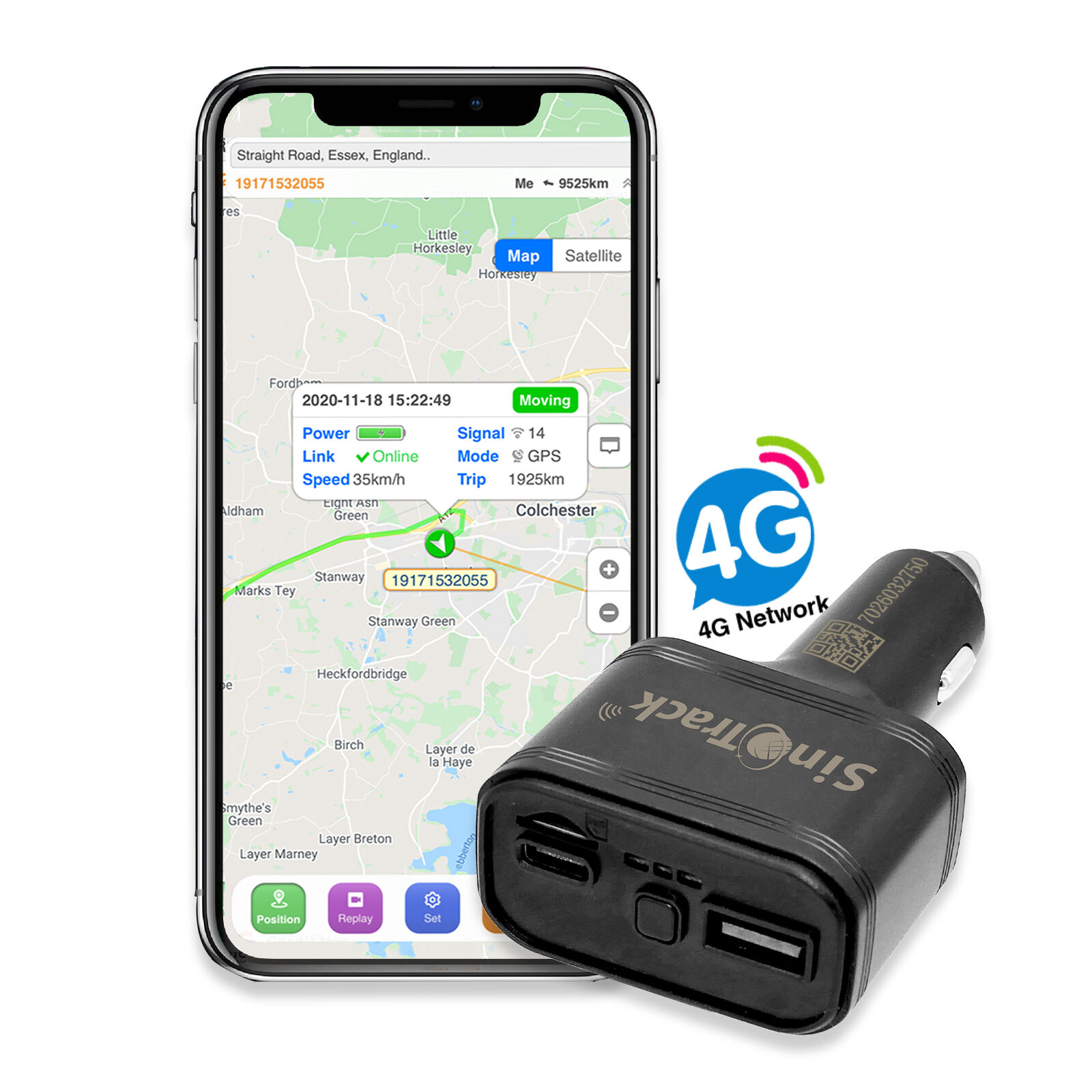
Modern vehicle security has evolved dramatically with the introduction of advanced GPS locator tracker technology that provides real-time monitoring capabilities for car owners worldwide. These sophisticated tracking devices offer comprehensive protection against theft while delivering valuable insights into vehicle usage patterns and driver behavior. The integration of GPS locator tracker systems has become essential for both personal and commercial vehicle management, offering peace of mind through continuous location monitoring and instant alert notifications. Whether you're protecting a single family vehicle or managing a large fleet, understanding the capabilities and benefits of GPS locator tracker technology is crucial for making informed security decisions.
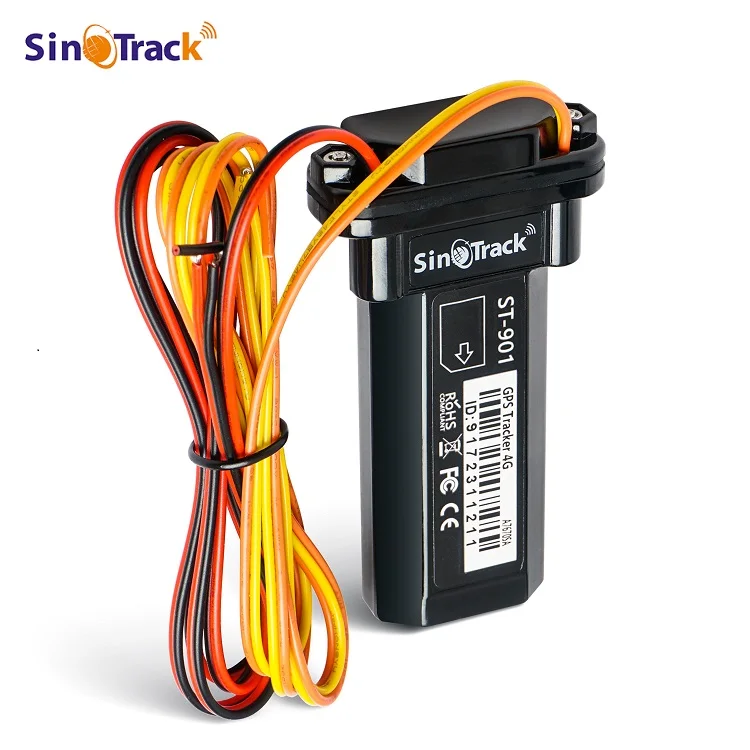
Understanding GPS Locator Tracker Technology
Core Components and Functionality
Every GPS locator tracker operates through a combination of satellite communication and cellular network connectivity to provide accurate location data. The device receives signals from multiple GPS satellites to triangulate precise positioning coordinates, which are then transmitted through GSM networks to monitoring platforms. Advanced GPS locator tracker systems incorporate accelerometers and gyroscopes to detect movement patterns and distinguish between normal driving and potential theft scenarios. The integration of these components ensures reliable tracking performance even in challenging environments with limited satellite visibility.
Modern GPS locator tracker units feature compact designs that can be discreetly installed in various vehicle locations without affecting normal operations. These devices typically include backup power sources to maintain functionality even when disconnected from the vehicle's electrical system. The sophisticated circuitry within each GPS locator tracker enables continuous monitoring while maintaining low power consumption to preserve vehicle battery life during extended parking periods.
Communication Protocols and Data Transmission
The effectiveness of any GPS locator tracker depends on its ability to transmit location data reliably across various network conditions. Most professional-grade tracking devices support multiple communication protocols including GSM, GPRS, and LTE connectivity to ensure consistent data transmission regardless of geographical location. The GPS locator tracker continuously evaluates available network signals and automatically switches between providers to maintain optimal communication quality.
Data transmission intervals can be customized based on specific monitoring requirements, with GPS locator tracker systems capable of providing updates as frequently as every few seconds during active tracking scenarios. This flexibility allows users to balance battery conservation with monitoring precision according to their particular security needs and usage patterns.
Essential Features of Modern GPS Locator Trackers
Real-Time Location Monitoring
The primary function of any GPS locator tracker involves providing accurate real-time location information accessible through web-based platforms and mobile applications. Users can view their vehicle's current position on detailed maps with street-level accuracy, enabling immediate response to unauthorized movement or theft attempts. Advanced GPS locator tracker systems offer historical route playback capabilities, allowing owners to review complete travel patterns and identify unusual activity over extended periods.
Interactive mapping features within GPS locator tracker platforms include customizable zoom levels, satellite imagery options, and traffic condition overlays to provide comprehensive situational awareness. The ability to set geographical boundaries or geofences around specific areas triggers automatic notifications when vehicles enter or exit designated zones, enhancing security monitoring capabilities significantly.
Alert and Notification Systems
Professional GPS locator tracker devices incorporate multiple alert mechanisms to notify owners immediately when predefined conditions are detected. These systems can send instant notifications via email, SMS, or push notifications to mobile applications when movement is detected outside authorized timeframes. The GPS locator tracker continuously monitors various vehicle parameters including ignition status, door openings, and impact detection to provide comprehensive security coverage.
Customizable alert parameters allow users to define specific conditions that trigger notifications, such as excessive speed limits, extended idling periods, or deviations from planned routes. This level of customization ensures that GPS locator tracker systems provide relevant information without overwhelming users with unnecessary alerts during normal vehicle operations.
Installation and Setup Considerations
Professional Installation Requirements
Proper installation of a GPS locator tracker requires careful consideration of optimal placement locations to ensure reliable satellite reception and cellular connectivity. Professional installers typically choose concealed locations that protect the device from tampering while maintaining access to power sources and antenna positioning. The GPS locator tracker should be positioned away from metal components that might interfere with signal reception while remaining accessible for maintenance when necessary.
Electrical connections for GPS locator tracker installations must comply with vehicle manufacturer specifications to avoid warranty violations or electrical system damage. Professional installation ensures that power connections are properly fused and that the device integrates seamlessly with existing vehicle electronics without causing interference or operational issues.
Configuration and User Setup
Initial configuration of GPS locator tracker systems involves establishing user accounts, setting up notification preferences, and defining monitoring parameters through web-based administrative interfaces. Users must configure cellular service plans appropriate for their tracking frequency requirements and geographical coverage needs. The gps locator tracker setup process includes testing all communication channels and verifying that alert mechanisms function correctly under various scenarios.
Mobile application installation and synchronization with GPS locator tracker devices requires careful attention to permission settings and notification preferences to ensure optimal user experience. Regular testing of all system components helps identify potential issues before they affect security monitoring capabilities during critical situations.
Benefits for Personal Vehicle Owners
Enhanced Security and Theft Protection
Personal vehicle owners benefit significantly from GPS locator tracker technology through improved theft deterrence and recovery capabilities. The continuous monitoring provided by these systems enables immediate detection of unauthorized vehicle movement, allowing owners to contact law enforcement quickly with precise location information. Statistical data indicates that vehicles equipped with GPS locator tracker systems have substantially higher recovery rates compared to unprotected vehicles, often resulting in reduced insurance premiums.
The psychological deterrent effect of visible GPS locator tracker components can discourage potential thieves from targeting protected vehicles. Even when devices are concealed, the knowledge that tracking systems might be present influences criminal behavior and reduces overall theft risk in communities where such technology is widely adopted.
Family Safety and Peace of Mind
Parents and family members gain valuable peace of mind through GPS locator tracker systems that monitor teenage drivers or elderly family members who may require assistance. These devices provide discrete monitoring capabilities that respect privacy while ensuring help can be summoned quickly during emergencies or mechanical breakdowns. GPS locator tracker technology enables families to maintain connection and safety awareness without intrusive supervision that might affect family relationships.
Emergency response capabilities built into advanced GPS locator tracker systems include panic buttons and automatic crash detection features that can summon assistance even when occupants are unable to communicate directly. This technology proves particularly valuable for family members who frequently travel alone or in remote areas where cellular coverage might be limited.
Commercial Fleet Management Applications
Operational Efficiency Improvements
Commercial fleet operators utilize GPS locator tracker systems to optimize route planning, reduce fuel consumption, and improve overall operational efficiency. Real-time location data enables dispatchers to assign jobs to the nearest available vehicles, reducing travel time and operational costs significantly. GPS locator tracker technology provides detailed insights into driver behavior patterns, including excessive idling, aggressive acceleration, and route deviations that impact operational efficiency.
Maintenance scheduling benefits from GPS locator tracker data through accurate mileage tracking and usage pattern analysis that enables predictive maintenance programs. This proactive approach reduces unexpected breakdowns and extends vehicle lifespan while maintaining optimal performance levels across entire fleet operations.
Compliance and Safety Management
GPS locator tracker systems assist fleet managers in maintaining compliance with various regulatory requirements including hours of service regulations and driver safety protocols. Automated reporting capabilities generate comprehensive documentation needed for regulatory audits and insurance claims while reducing administrative overhead. The detailed records maintained by GPS locator tracker platforms provide objective evidence of compliance with safety standards and operational procedures.
Driver safety improvement programs benefit from GPS locator tracker data analysis that identifies high-risk behaviors and enables targeted training interventions. This data-driven approach to safety management has proven effective in reducing accident rates and associated costs while improving overall fleet safety performance.
Technology Integration and Advanced Features
Mobile Application Capabilities
Modern GPS locator tracker systems offer sophisticated mobile applications that provide full monitoring capabilities from smartphones and tablets. These applications feature intuitive interfaces that display real-time location information, historical tracking data, and customizable alert notifications in user-friendly formats. Advanced GPS locator tracker mobile apps include features such as two-way communication, remote engine control, and comprehensive reporting tools accessible from any location with internet connectivity.
Integration with popular smartphone platforms ensures that GPS locator tracker applications remain current with operating system updates and security requirements. Push notification systems provide immediate alerts without requiring users to actively monitor their devices, ensuring critical information reaches users promptly regardless of their current activities.
Integration with Smart Vehicle Systems
Contemporary GPS locator tracker devices integrate seamlessly with modern vehicle electronics systems including OBD-II ports, CAN bus networks, and factory-installed telematics platforms. This integration enables access to comprehensive vehicle diagnostics, fuel consumption data, and performance metrics that enhance the value of tracking systems beyond simple location monitoring. GPS locator tracker technology can interface with existing security systems including alarms, immobilizers, and keyless entry systems to provide comprehensive protection.
Smart home integration capabilities allow GPS locator tracker systems to interact with residential automation platforms, enabling automatic garage door opening, lighting control, and climate adjustment based on vehicle proximity and arrival patterns. This integration creates seamless transitions between transportation and residential environments while maintaining security monitoring throughout.
FAQ
How accurate are GPS locator tracker systems in urban environments
GPS locator tracker accuracy in urban environments typically ranges from 3 to 5 meters under optimal conditions, though tall buildings and dense infrastructure can occasionally affect precision. Modern devices utilize assisted GPS technology and multiple positioning methods to maintain accuracy even when satellite signals are partially obstructed. Most professional GPS locator tracker systems incorporate cellular tower triangulation and Wi-Fi positioning to supplement satellite data in challenging urban environments, ensuring consistent tracking performance regardless of geographical conditions.
What are the monthly operating costs for GPS locator tracker services
Monthly operating costs for GPS locator tracker services vary depending on data transmission frequency, cellular network coverage requirements, and additional features selected. Basic tracking plans typically range from $15 to $30 per month per vehicle, while comprehensive fleet management packages with advanced reporting capabilities may cost $40 to $60 monthly. Many providers offer volume discounts for multiple vehicle installations and annual subscription options that reduce overall costs for long-term users.
Can GPS locator tracker devices be detected by vehicle thieves
Professional GPS locator tracker devices are designed for discrete installation and operation, making detection difficult for casual thieves. However, experienced criminals may use RF detection equipment to locate tracking devices, which is why many systems offer stealth operating modes that minimize transmission signatures. The most effective protection involves combining hidden GPS locator tracker placement with multiple security layers including visible deterrents and backup tracking systems that operate independently.
How long do GPS locator tracker batteries last during power outages
GPS locator tracker backup battery life varies significantly based on device specifications, transmission frequency, and environmental conditions. Most professional tracking devices provide 2 to 7 days of operation when disconnected from vehicle power, with some specialized units offering up to 30 days of standby time. Battery life can be extended through sleep mode operation where the GPS locator tracker reduces transmission frequency and activates full monitoring only when movement is detected, providing optimal balance between security coverage and power conservation.