 EN
EN
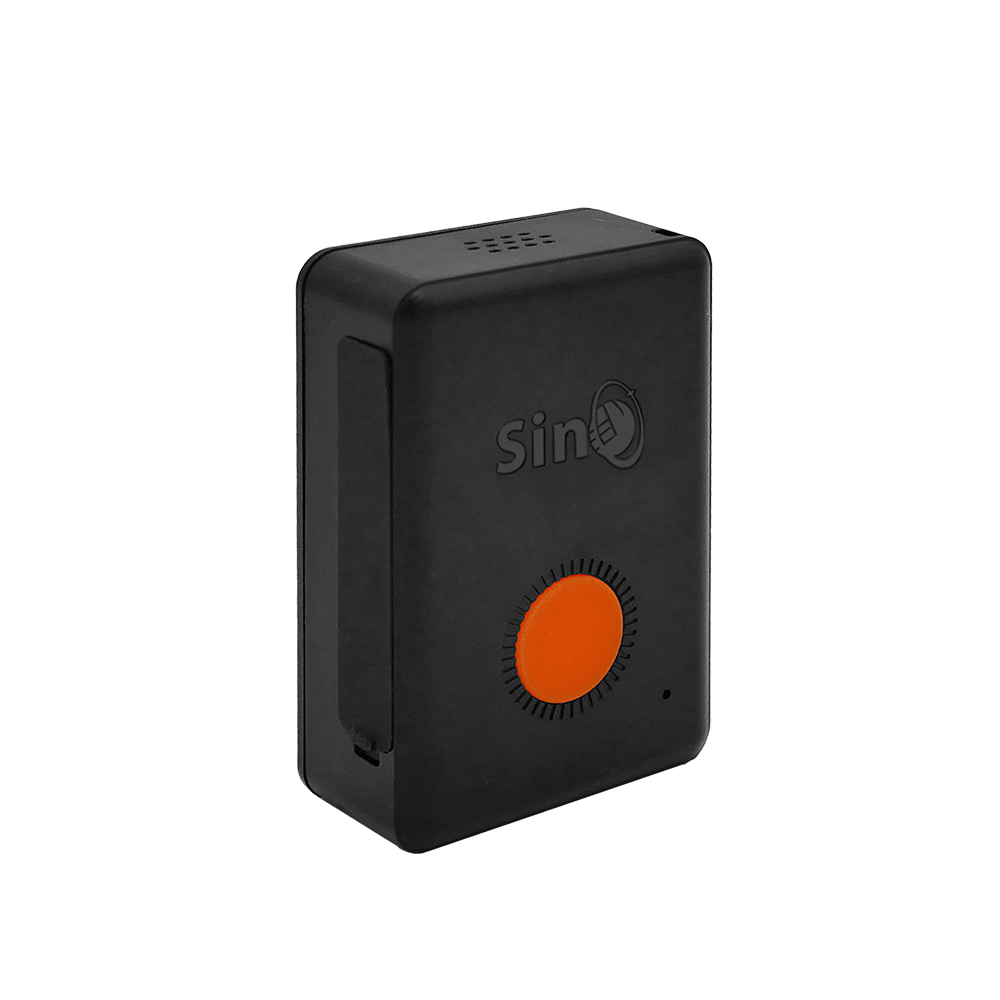
Understanding how modern technology revolutionizes fleet management and personal security begins with comprehending the sophisticated mechanics of a vehicle tracking device. These innovative systems have transformed from simple location monitors into comprehensive management solutions that provide real-time data, security features, and operational insights. Whether you're a business owner managing a fleet of commercial vehicles or an individual seeking enhanced security for your personal automobile, knowing the inner workings of these devices is crucial for making informed decisions about your tracking needs.
Core Technology Components
GPS Satellite Network Integration
The fundamental operation of any vehicle tracking device relies heavily on the Global Positioning System satellite constellation. This network consists of at least 24 operational satellites orbiting Earth at approximately 12,550 miles above the surface. Each satellite continuously transmits precise time and location data that enables the vehicle tracking device to calculate its exact position through a process called trilateration. The device requires signals from a minimum of four satellites to determine accurate three-dimensional coordinates including latitude, longitude, and altitude.
Modern tracking systems incorporate advanced GPS chipsets that can process signals from multiple satellite systems simultaneously, including GPS, GLONASS, Galileo, and BeiDou networks. This multi-constellation approach significantly improves accuracy and reliability, especially in challenging environments such as urban canyons or dense forest areas. The enhanced capability ensures that your vehicle tracking device maintains consistent performance regardless of geographical obstacles that might interfere with satellite signal reception.
Cellular Communication Networks
Once the vehicle tracking device determines its location coordinates, it must transmit this information to monitoring centers or user applications through cellular communication networks. Most contemporary devices utilize 4G LTE technology, which provides robust data transmission capabilities and extensive network coverage. The cellular modem within the tracking device establishes connections with nearby cell towers to send location data, status reports, and alert notifications in real-time.
The communication protocol typically involves encrypted data packets that contain not only GPS coordinates but also additional telemetry information such as vehicle speed, direction, engine status, and various sensor readings. This comprehensive data transmission ensures that fleet managers and vehicle owners receive detailed insights about their assets' operational status and geographic movements throughout the monitoring period.
Data Processing and Analysis
Real-Time Location Calculation
The computational process within a vehicle tracking device involves sophisticated algorithms that continuously analyze incoming satellite signals to determine precise positioning information. The device's microprocessor performs millions of calculations per second, comparing time stamps from multiple satellites to calculate distance measurements and triangulate the exact location. This process occurs seamlessly in the background, typically updating position data every few seconds depending on the device configuration and operational requirements.
Advanced tracking systems incorporate motion sensors and accelerometers that work in conjunction with GPS data to provide enhanced accuracy during periods of satellite signal interference. These supplementary sensors can detect vehicle movement, acceleration patterns, and directional changes, allowing the system to maintain approximate positioning even when GPS signals are temporarily unavailable in tunnels or parking structures.
Data Storage and Management
Modern vehicle tracking devices include onboard memory storage that maintains historical location data, trip records, and system events even when cellular connectivity is interrupted. This local storage capability ensures data integrity and provides backup information that can be synchronized with central servers once communication is restored. The storage capacity typically ranges from several megabytes to multiple gigabytes, depending on the device specifications and intended application requirements.
The data management system organizes information into structured databases that facilitate efficient retrieval and analysis of historical patterns. Fleet managers can access comprehensive reports detailing vehicle utilization, route optimization opportunities, driver behavior patterns, and maintenance scheduling requirements. This analytical capability transforms raw tracking data into actionable business intelligence that supports informed decision-making processes.
Power Management Systems
Primary Power Source Integration
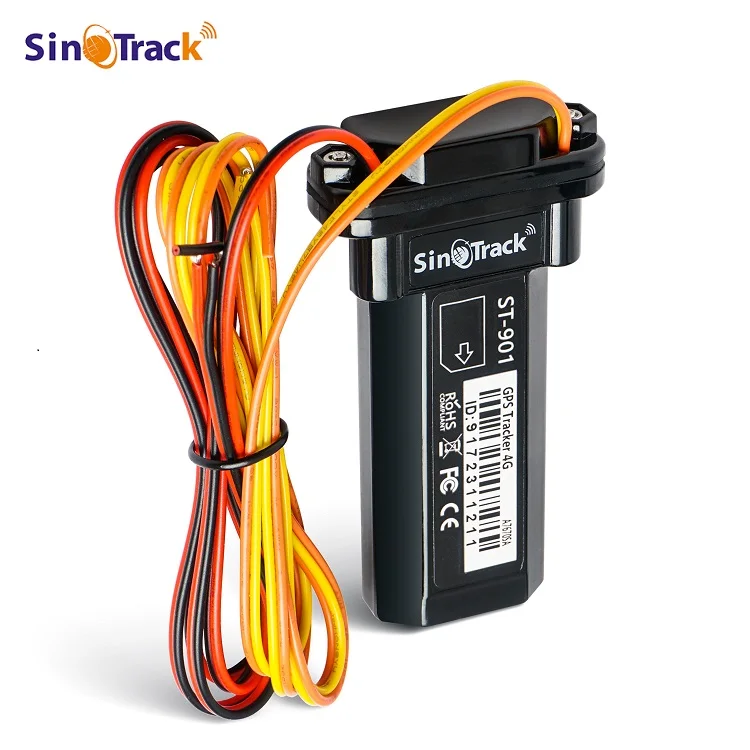
Most vehicle tracking devices connect directly to the vehicle's electrical system through the OBD-II port or hardwired connections to the battery terminals. This integration ensures continuous operation as long as the vehicle's electrical system remains functional. The vehicle tracking device typically draws minimal power during normal operation, usually less than 50 milliamps, which has negligible impact on the vehicle's battery performance.
Intelligent power management circuits monitor the vehicle's electrical system voltage and automatically adjust power consumption to prevent battery drain. When the vehicle's engine is off for extended periods, the tracking device enters a low-power mode that reduces update frequency while maintaining essential monitoring functions. This power optimization ensures long-term reliability without compromising the vehicle's starting capability.
Backup Power Solutions
Many advanced vehicle tracking devices incorporate internal backup batteries that provide continued operation even when disconnected from the primary power source. These lithium-ion or lithium-polymer batteries typically offer several hours to multiple days of autonomous operation, depending on the update frequency and enabled features. The backup power system is particularly valuable for theft recovery scenarios where criminals attempt to disable the tracking system by disconnecting the vehicle's battery.
The backup battery management system includes sophisticated charging circuits that automatically maintain optimal battery health and provide status monitoring capabilities. Users receive notifications when backup battery levels are low, ensuring that the tracking system remains operational when needed most. Some devices also include tampering alerts that notify users immediately when power disconnection is detected.
Communication Protocols and Security
Data Transmission Standards
Vehicle tracking devices utilize various communication protocols to ensure reliable and secure data transmission between the device and monitoring systems. The most common protocols include TCP/IP for internet-based communications and proprietary protocols optimized for tracking applications. These protocols define how data packets are structured, transmitted, and verified to maintain integrity throughout the communication process.
Advanced tracking systems implement redundant communication pathways that automatically switch between cellular networks, satellite communications, or Wi-Fi connections based on availability and signal strength. This multi-modal approach ensures consistent connectivity even in remote areas where cellular coverage may be limited or unavailable. The intelligent switching capability maximizes data transmission reliability while optimizing communication costs.
Encryption and Data Security
Modern vehicle tracking devices employ robust encryption standards to protect sensitive location data and prevent unauthorized access to tracking information. Industry-standard encryption algorithms such as AES-256 secure all data transmissions between the device and monitoring servers. This encryption ensures that even if data packets are intercepted during transmission, the information remains unreadable without proper decryption keys.
Authentication protocols verify device identity and user credentials before granting access to tracking data or system controls. Multi-factor authentication systems require multiple verification steps to prevent unauthorized access to vehicle tracking information. These security measures are particularly important for commercial fleet applications where sensitive business information and customer data must be protected from potential security breaches.
Installation and Configuration
Physical Installation Requirements
Proper installation of a vehicle tracking device requires careful consideration of mounting location, power connections, and antenna positioning to ensure optimal performance. The device should be installed in a location that provides good cellular signal reception while remaining concealed from potential tampering. Common installation locations include under the dashboard, behind interior panels, or in engine compartments with adequate protection from heat and moisture.
Professional installation typically involves connecting the device to the vehicle's CAN bus system or OBD-II port to access vehicle diagnostic information. This integration allows the vehicle tracking device to monitor additional parameters such as engine RPM, fuel consumption, diagnostic trouble codes, and driver behavior indicators. Proper wiring and secure mounting ensure long-term reliability and prevent installation-related issues that could compromise system performance.
Software Configuration and Setup
Initial configuration of a vehicle tracking device involves programming various operational parameters such as reporting intervals, geofence boundaries, alert thresholds, and user access permissions. The configuration process typically utilizes web-based interfaces or mobile applications that provide intuitive setup wizards to guide users through the necessary steps. Proper configuration ensures that the tracking system meets specific operational requirements while optimizing battery life and data usage.
Advanced configuration options allow customization of alert conditions, reporting schedules, and integration with third-party fleet management systems. Users can define specific triggers for various alert types including speeding violations, unauthorized vehicle use, maintenance reminders, and security breaches. The flexible configuration capabilities enable the vehicle tracking device to adapt to diverse operational requirements across different industries and applications.
Monitoring and Alert Systems
Real-Time Monitoring Capabilities
Contemporary vehicle tracking devices provide comprehensive real-time monitoring capabilities that extend far beyond basic location tracking. These systems continuously monitor vehicle status, driver behavior, engine performance, and environmental conditions to provide complete operational visibility. Fleet managers can access live dashboards that display current vehicle locations, speeds, routes, and status information for entire fleets simultaneously.
The monitoring interface typically includes interactive maps with customizable overlays that show traffic conditions, weather information, and geographical landmarks. Historical playback features allow users to review past trips and analyze route efficiency, driver behavior patterns, and operational trends. This comprehensive monitoring capability enables proactive management decisions that improve safety, efficiency, and cost-effectiveness.
Automated Alert and Notification Systems
Sophisticated alert systems within modern vehicle tracking devices can automatically detect and respond to various predefined conditions or unusual activities. These intelligent systems analyze incoming data streams to identify potential issues such as unauthorized vehicle movement, route deviations, speeding violations, harsh driving behaviors, or mechanical problems. When trigger conditions are met, the system immediately generates notifications through multiple communication channels including SMS messages, email alerts, push notifications, and phone calls.
Customizable alert parameters allow users to define specific thresholds and conditions that are most relevant to their operational requirements. For example, fleet managers can set speed limits for different vehicle types, define authorized operating hours, create geofence boundaries around customer locations, or establish maintenance scheduling alerts based on mileage or engine hours. This flexibility ensures that the vehicle tracking device provides meaningful notifications that support effective asset management and operational control.
Integration and Compatibility
Fleet Management System Integration
Modern vehicle tracking devices are designed to integrate seamlessly with comprehensive fleet management software platforms that provide enhanced analytical capabilities and operational tools. These integrations typically utilize standard APIs that allow bidirectional data exchange between tracking devices and management systems. The integration enables advanced features such as route optimization, driver performance scoring, fuel consumption analysis, and automated reporting capabilities.
Enterprise-level integrations can connect vehicle tracking devices with existing business systems including customer relationship management platforms, accounting software, and logistics management systems. This comprehensive integration creates unified operational workflows that improve efficiency and reduce administrative overhead. Real-time tracking data automatically updates delivery schedules, customer notifications, and billing systems without requiring manual data entry or processing.
Mobile Application Compatibility
Vehicle tracking devices typically include companion mobile applications that provide convenient access to tracking features and controls through smartphones and tablets. These applications offer intuitive interfaces that allow users to monitor vehicle locations, review historical data, configure alert settings, and communicate with drivers directly from their mobile devices. Cross-platform compatibility ensures that applications function properly on both iOS and Android operating systems.
Advanced mobile applications incorporate offline mapping capabilities that maintain basic functionality even when cellular data connectivity is limited. Push notification systems ensure that critical alerts reach users immediately regardless of whether the application is actively running. The mobile interface typically includes features such as voice navigation integration, two-way communication systems, and emergency assistance capabilities that enhance overall system utility and user experience.
Frequently Asked Questions
How accurate are vehicle tracking devices in determining location
Modern vehicle tracking devices typically achieve location accuracy within 3 to 5 meters under optimal conditions when receiving clear GPS satellite signals. This accuracy can improve to within 1 to 2 meters when the device utilizes differential GPS corrections or integrates multiple satellite constellation systems. However, accuracy may be reduced in urban environments with tall buildings, dense forest areas, or underground locations where satellite signals are obstructed or reflected by surrounding structures.
Can vehicle tracking devices work without cellular coverage
While vehicle tracking devices require cellular connectivity to transmit location data in real-time, many devices can continue recording GPS coordinates and storing them in local memory when cellular coverage is unavailable. Once the vehicle returns to an area with cellular service, the stored data is automatically uploaded to the monitoring system. Some advanced devices also incorporate satellite communication capabilities that provide coverage in remote areas where cellular networks are not available.
How long do vehicle tracking device batteries last
The battery life of a vehicle tracking device depends on several factors including update frequency, enabled features, and power source configuration. Hardwired devices that connect to the vehicle's electrical system can operate indefinitely as long as the vehicle's battery remains functional. Portable devices with internal batteries typically last between 2 to 4 weeks depending on reporting intervals, with some extended-life models capable of operating for several months in low-power mode.
Do vehicle tracking devices affect vehicle warranty or insurance
Professional installation of a vehicle tracking device using OBD-II ports or manufacturer-approved connection methods typically does not void vehicle warranties, as these installations are considered non-invasive and reversible. Many insurance companies actually offer premium discounts for vehicles equipped with approved tracking systems due to the improved theft recovery rates and enhanced security features. However, it's recommended to verify warranty terms and insurance policy requirements before installation to ensure compliance with specific provider guidelines.