
 EN
EN

The demand for compact tracking solutions has surged dramatically in 2025, making the mini gps tracker an essential tool for personal safety, asset protection, and peace of mind. These remarkable devices combine cutting-edge satellite technology with miniaturized components to deliver powerful location monitoring capabilities in surprisingly small packages. Whether you need to track valuable possessions, monitor elderly family members, or keep tabs on your pets, selecting the right mini gps tracker can make all the difference in your tracking experience.
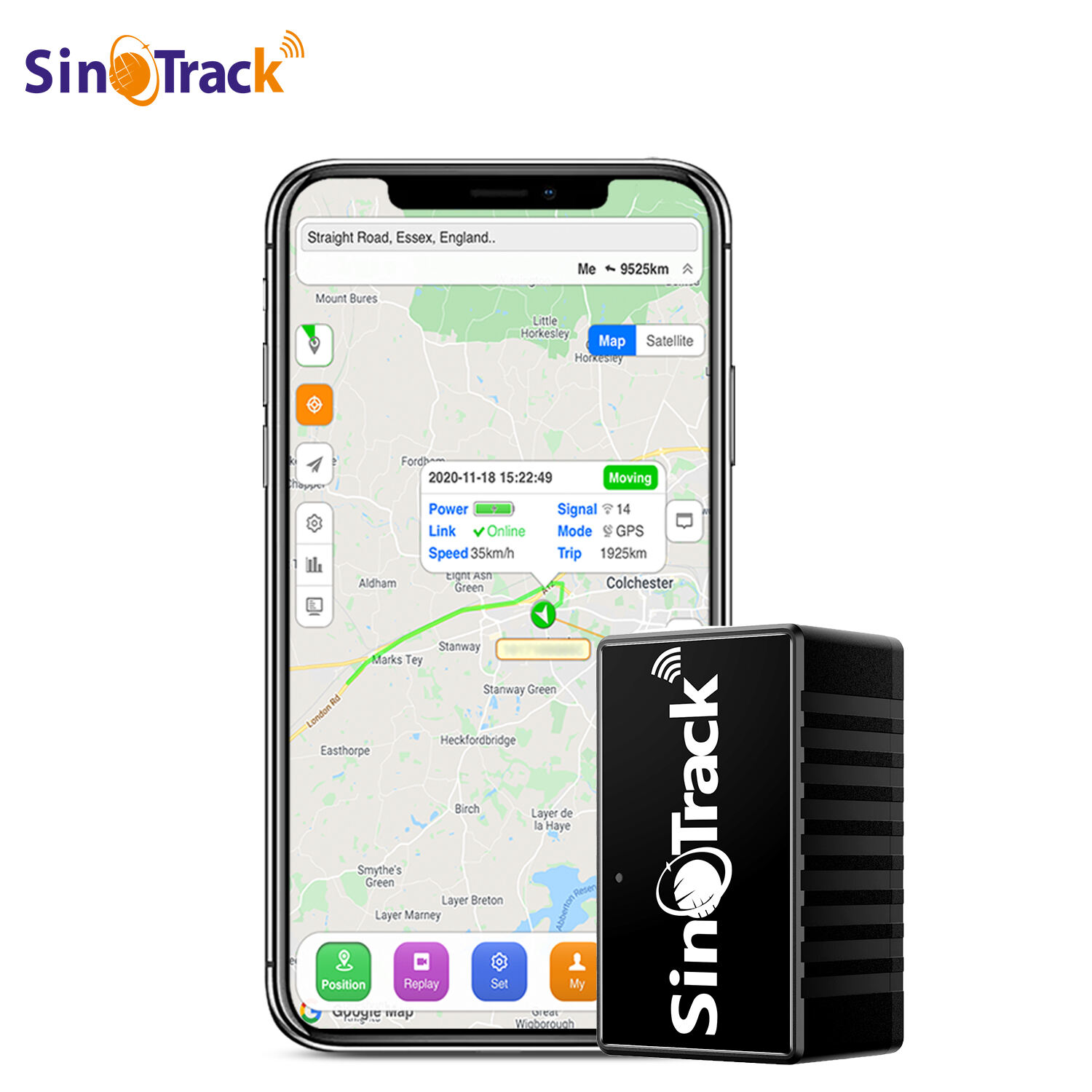
Modern mini gps tracker technology has evolved far beyond simple location reporting, now incorporating advanced features like real-time alerts, geofencing capabilities, and extended battery life. The integration of multiple satellite systems including GPS, GLONASS, and Galileo ensures superior accuracy and reliability across diverse environments. As we navigate through 2025, understanding the key characteristics that define exceptional mini gps tracker performance becomes crucial for making informed purchasing decisions.
Understanding Mini GPS Tracker Technology
Core Components and Functionality
Every effective mini gps tracker relies on a sophisticated array of components working in harmony to deliver precise location data. The heart of these devices lies in their satellite receivers, which communicate with multiple satellite constellations to triangulate exact coordinates. Advanced signal processing algorithms filter out interference and optimize accuracy, ensuring reliable tracking even in challenging urban environments with tall buildings or dense foliage.
The cellular communication module represents another critical component of modern mini gps tracker systems. These modules utilize 4G LTE networks to transmit location data to remote servers, enabling real-time monitoring through smartphone apps or web portals. Battery management systems have also seen significant improvements, with many current models offering weeks of operation between charges while maintaining consistent tracking performance.
Size and Portability Considerations
The defining characteristic of any mini gps tracker is its compact form factor, typically measuring no larger than a matchbox or coin. This miniaturization achievement requires careful engineering balance between functionality and size constraints. Manufacturers employ advanced circuit board designs and specialized components to pack maximum capabilities into minimal space without compromising tracking accuracy or communication reliability.
Weight considerations play an equally important role, particularly for applications involving pets, children, or elderly individuals. Modern mini gps tracker designs typically weigh between 15 to 40 grams, making them comfortable for extended wear. The housing materials range from durable plastics to lightweight metals, each offering different benefits in terms of protection, aesthetics, and overall user experience.
Essential Features for 2025 Models
Real-Time Tracking Capabilities
Contemporary mini gps tracker devices excel in providing instantaneous location updates, with many models offering refresh rates as frequent as every 10 seconds during active monitoring periods. This real-time capability proves invaluable for emergency situations, theft recovery scenarios, and monitoring applications where immediate response is critical. Advanced models incorporate predictive algorithms that anticipate movement patterns and adjust reporting frequencies accordingly.
The quality of real-time tracking depends heavily on the mini gps tracker's ability to maintain stable cellular connections across varying network conditions. Premium devices feature multi-carrier compatibility and automatic network switching to ensure continuous connectivity. Some models also include offline tracking capabilities, storing location data locally when cellular coverage is unavailable and uploading the information once connectivity is restored.
Battery Life and Power Management
Battery performance remains a crucial factor in mini gps tracker evaluation, with top-tier models achieving impressive longevity through intelligent power management systems. These systems automatically adjust tracking intervals based on movement patterns, extending battery life during stationary periods while maintaining responsiveness when motion is detected. Solar charging capabilities and wireless charging options are becoming increasingly common in 2025 models.
Low battery alerts and power-saving modes help users maximize their mini gps tracker operational time. Some advanced models feature replaceable batteries, while others incorporate fast-charging technology that can restore full power in under an hour. The balance between battery capacity, device size, and tracking frequency continues to drive innovation in this competitive market segment.
Top Application Scenarios
Personal Safety and Security
Personal safety applications represent one of the most compelling use cases for mini gps tracker technology. Elderly individuals, children, and those with medical conditions benefit tremendously from discreet monitoring devices that can summon help during emergencies. These devices often include panic buttons, fall detection sensors, and automatic emergency calling features that activate when unusual movement patterns are detected.
The mini gps tracker serves as a vital safety net for families with members who may wander or become confused in unfamiliar environments. Caregivers can establish safe zones and receive immediate notifications when their loved ones venture beyond predetermined boundaries. The peace of mind provided by reliable location monitoring cannot be overstated, particularly for families dealing with cognitive impairment or mobility challenges.
Asset Protection and Recovery
Protecting valuable assets has become increasingly important as theft rates continue to rise across various categories. A strategically placed mini gps tracker can mean the difference between permanent loss and successful recovery of stolen items. These devices excel in tracking vehicles, equipment, artwork, and other high-value possessions that may be targeted by criminals.
Commercial applications for asset tracking continue to expand, with businesses using mini gps tracker solutions to monitor delivery vehicles, construction equipment, and inventory movements. The cost of replacing stolen assets far exceeds the investment in tracking technology, making these devices an essential component of comprehensive security strategies. Insurance companies often offer discounts for vehicles and equipment protected by certified tracking systems.
Selection Criteria for 2025
Accuracy and Reliability Standards
Evaluating mini gps tracker accuracy requires understanding the various factors that influence positioning precision. The best devices achieve accuracy within 3-5 meters under optimal conditions, though performance can vary based on satellite visibility, atmospheric conditions, and surrounding terrain. Multi-constellation support significantly improves accuracy by providing access to additional satellites and reducing the impact of signal obstruction.
Reliability encompasses both hardware durability and software stability, ensuring consistent performance across diverse operating conditions. Quality mini gps tracker models undergo rigorous testing for temperature extremes, moisture exposure, and mechanical stress. Software reliability includes stable cellular connections, accurate data processing, and responsive mobile applications that provide seamless user experiences.
Connectivity and Network Coverage
Network coverage directly impacts mini gps tracker effectiveness, making carrier selection and compatibility crucial considerations. Leading devices support multiple cellular networks and automatically select the strongest available signal. International roaming capabilities become important for travelers or applications requiring cross-border tracking functionality.
Advanced connectivity features include Wi-Fi positioning for indoor tracking, Bluetooth connectivity for close-range monitoring, and satellite messaging for areas without cellular coverage. The mini gps tracker ecosystem continues evolving with new communication technologies that enhance coverage areas and reduce operating costs while maintaining tracking precision.
Installation and Setup Guidelines
Physical Mounting Options
Proper mini gps tracker installation significantly affects device performance and longevity. Mounting considerations include weather protection, signal reception optimization, and concealment requirements. Most devices include various mounting accessories such as magnetic mounts, adhesive strips, and protective cases designed for specific applications.
Signal reception improves dramatically when the mini gps tracker maintains clear sightlines to the sky, avoiding metal enclosures or dense materials that can block satellite signals. Strategic placement balances concealment needs with optimal positioning for both GPS reception and cellular communication. Professional installation services are available for complex applications or high-value asset protection scenarios.
Configuration and Customization
Modern mini gps tracker devices offer extensive customization options through intuitive mobile applications and web interfaces. Initial setup typically involves account creation, device activation, and basic parameter configuration such as reporting intervals and alert preferences. Advanced users can configure geofences, movement sensitivity settings, and emergency contact information.
Customization options continue expanding with firmware updates that add new features and improve existing functionality. Many mini gps tracker manufacturers provide regular updates that enhance accuracy, extend battery life, and introduce new tracking modes. User feedback drives development priorities, ensuring devices evolve to meet changing requirements and applications.
Maintenance and Troubleshooting
Routine Care Procedures
Maintaining optimal mini gps tracker performance requires regular attention to battery health, housing integrity, and software updates. Battery maintenance includes monitoring charge levels, following recommended charging cycles, and replacing batteries when capacity degrades below acceptable thresholds. Physical inspection helps identify potential issues before they compromise tracking reliability.
Software maintenance involves keeping mobile applications updated, reviewing account settings periodically, and monitoring data usage patterns. Many mini gps tracker systems provide diagnostic information that helps users identify potential problems early. Regular testing of emergency features and alert systems ensures the device will perform reliably when needed most.
Common Issues and Solutions
Tracking accuracy problems often stem from poor satellite reception or cellular connectivity issues. Solutions include repositioning the mini gps tracker for better signal access, checking account status and billing, or contacting technical support for advanced troubleshooting. Battery-related issues typically require replacement or adjustment of tracking intervals to extend operational time.
Communication problems between the device and monitoring applications usually indicate network issues or software conflicts. Troubleshooting steps include restarting the application, checking internet connectivity, and verifying account credentials. Most mini gps tracker manufacturers provide comprehensive support resources including online guides, video tutorials, and customer service assistance.
Future Trends and Innovations
Emerging Technologies
The mini gps tracker industry continues advancing through integration of artificial intelligence, machine learning, and enhanced sensor technologies. AI-powered algorithms improve location accuracy by learning environmental patterns and compensating for signal interference. Machine learning capabilities enable predictive tracking that anticipates movement patterns and optimizes battery usage accordingly.
Sensor fusion technology combines GPS data with accelerometers, gyroscopes, and magnetometers to provide more comprehensive tracking information. These advances enable features like fall detection, activity monitoring, and improved indoor positioning. The mini gps tracker ecosystem benefits from broader IoT integration that connects tracking devices with smart home systems, vehicle networks, and security platforms.
Market Development Projections
Industry analysts predict continued miniaturization of tracking components while expanding functionality and improving battery life. The mini gps tracker market expects significant growth driven by increased security concerns, aging populations, and expanding commercial applications. Price trends favor consumers as manufacturing scales increase and technology costs decline.
Regulatory developments may influence mini gps tracker features and capabilities, particularly regarding privacy protection and data security standards. International harmonization of tracking regulations could simplify cross-border applications and reduce compliance complexity for manufacturers. The convergence of tracking technology with other safety and security systems promises enhanced integrated solutions.
FAQ
How accurate are modern mini GPS trackers in 2025
Modern mini gps tracker devices achieve accuracy within 3-5 meters under optimal conditions, with some premium models reaching sub-meter precision through advanced multi-constellation satellite support. Accuracy depends on factors including satellite visibility, atmospheric conditions, and surrounding terrain, with urban environments presenting the greatest challenges due to signal reflection and obstruction.
What battery life can I expect from a quality mini GPS tracker
Battery life varies significantly based on tracking frequency, cellular connectivity requirements, and device features, with most quality mini gps tracker models offering 1-4 weeks of operation between charges. Power-saving modes and intelligent tracking algorithms can extend battery life considerably, while real-time tracking applications may require daily charging for optimal performance.
Can mini GPS trackers work internationally without additional setup
Many premium mini gps tracker models support international roaming through partnerships with global cellular networks, though data plans and coverage areas vary by manufacturer and service provider. International functionality typically requires compatible cellular bands and roaming agreements, with some devices offering global coverage while others may be limited to specific regions or countries.
Are there any legal considerations when using mini GPS trackers
Legal requirements for mini gps tracker usage vary by jurisdiction and application, with most regions requiring consent for tracking individuals and proper disclosure for vehicle monitoring. Privacy laws, workplace regulations, and stalking statutes may apply depending on the specific use case, making it essential to research local requirements and obtain appropriate permissions before deployment.