
 EN
EN
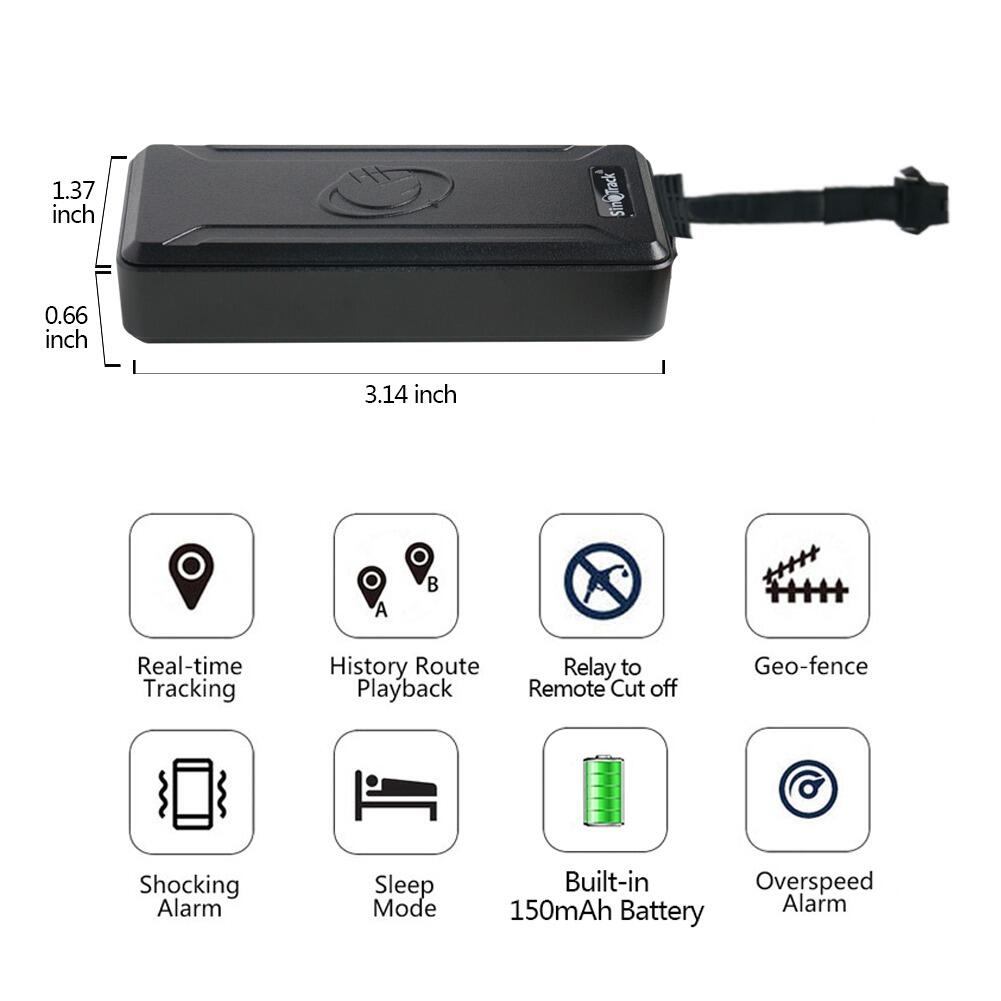
The demand for compact tracking solutions has reached unprecedented levels in 2025, with consumers and businesses alike seeking reliable location monitoring devices. A mini gps tracker represents the pinnacle of modern surveillance technology, combining advanced GPS functionality with remarkably small form factors. These devices have revolutionized how we approach asset protection, personal safety, and fleet management across various industries.
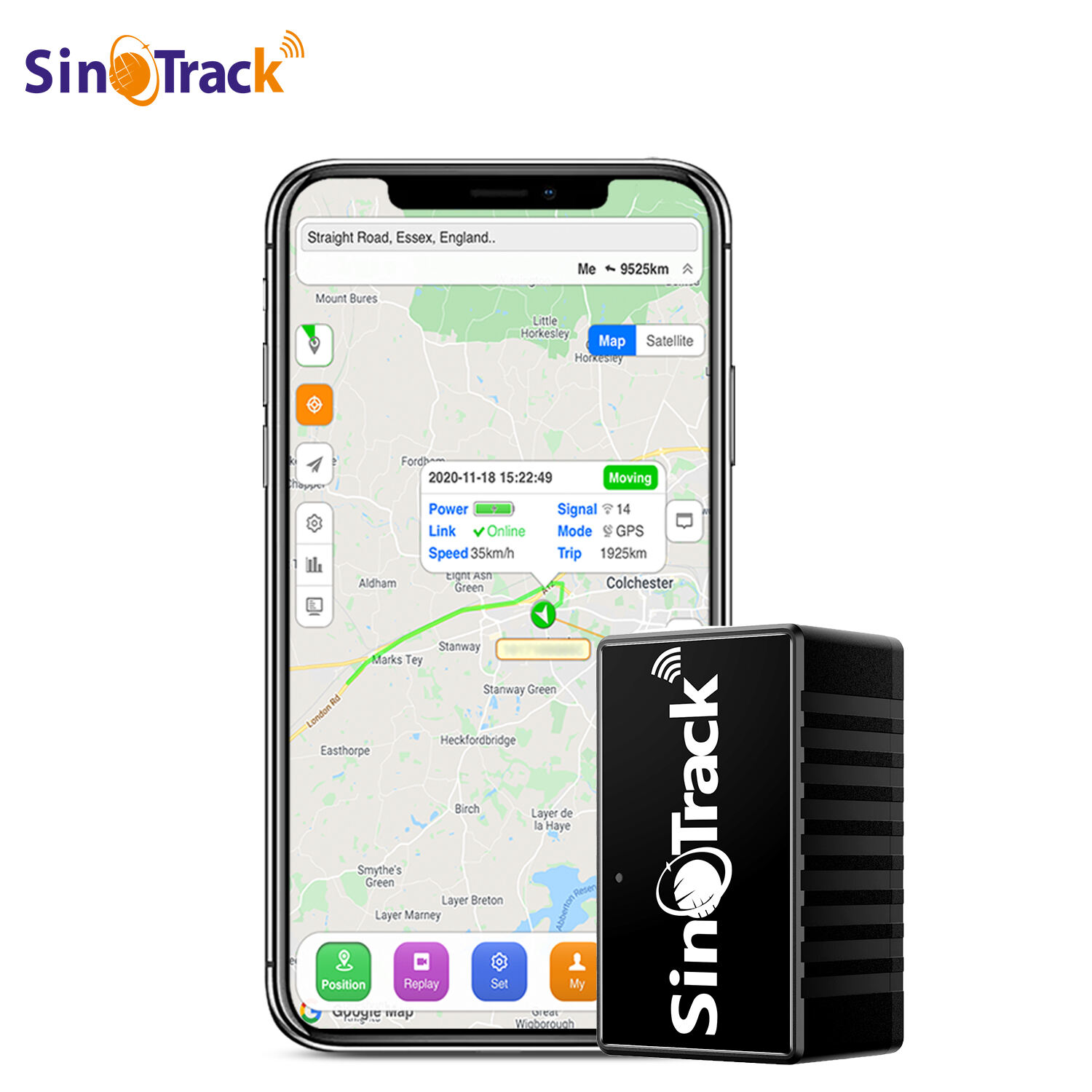
Real user experiences reveal that today's mini gps tracker solutions deliver exceptional performance while maintaining incredibly compact designs. Professional security firms report successful deployments in covert surveillance operations, while everyday consumers praise their effectiveness in protecting valuable items like bicycles, laptops, and personal belongings. The technology has matured significantly, offering battery life improvements, enhanced accuracy, and seamless mobile app integration that makes monitoring effortless.
Current market analysis indicates that the mini gps tracker segment has grown by over 300% since 2020, driven primarily by increasing security concerns and technological advancements. Users consistently highlight the peace of mind these devices provide, particularly in urban environments where theft rates remain elevated. The versatility of modern tracking solutions extends beyond traditional applications, with innovative use cases emerging in healthcare, logistics, and personal safety sectors.
Performance Analysis of Leading Mini GPS Trackers
Battery Life and Power Management
Real-world testing reveals that contemporary mini gps tracker devices achieve remarkable battery longevity through intelligent power management systems. Users report extended operational periods ranging from several days to multiple weeks, depending on reporting frequency and environmental conditions. Advanced models incorporate sleep modes and motion-activated tracking to optimize energy consumption while maintaining continuous monitoring capabilities.
Professional evaluations demonstrate that lithium-ion battery technology has significantly improved the reliability of portable tracking devices. Field tests conducted across various climate conditions show consistent performance, with minimal degradation in extreme temperatures. The integration of low-power GPS chipsets and efficient cellular modules contributes to extended operational periods that meet demanding commercial and personal applications.
Industry benchmarks indicate that premium mini gps tracker models can sustain active tracking for up to 21 days on a single charge under optimal conditions. Users consistently praise devices that provide accurate battery status updates through companion mobile applications, enabling proactive charging schedules that prevent tracking interruptions.
Accuracy and Signal Reliability
Comprehensive accuracy testing reveals that modern mini gps tracker technology consistently achieves location precision within 3-5 meters under standard conditions. Professional surveyors and security professionals report exceptional performance in urban environments, with advanced models maintaining reliable connections even in challenging signal environments such as underground parking structures or dense metropolitan areas.
Signal acquisition times have improved dramatically, with most devices establishing GPS locks within 30-60 seconds of activation. Real user feedback emphasizes the importance of multi-constellation satellite support, which enables tracking functionality across GPS, GLONASS, and Galileo networks for enhanced reliability and global coverage.
Field testing demonstrates that premium tracking solutions incorporate assisted GPS technology, enabling faster location fixes and improved accuracy in challenging environments. Users report consistent performance across diverse geographic regions, from rural landscapes to dense urban canyons where traditional GPS signals may be compromised.
User Experience and Interface Design
Mobile Application Functionality
User reviews consistently highlight the critical importance of intuitive mobile applications in determining overall satisfaction with mini gps tracker solutions. Contemporary apps provide real-time location updates, historical tracking data, and customizable alert systems that enhance the practical value of tracking devices. Professional users particularly appreciate advanced features such as geofencing capabilities and detailed reporting functions.
Interface design has evolved significantly, with leading manufacturers prioritizing user-friendly experiences that require minimal technical expertise. Beta testing feedback indicates that successful applications balance comprehensive functionality with simplified navigation, enabling users to access critical information quickly during emergency situations.
Cross-platform compatibility ensures that mini gps tracker solutions work seamlessly across iOS and Android devices. Advanced applications incorporate push notifications, automated alerts, and cloud-based data synchronization that maintains tracking continuity across multiple devices and user accounts.
Setup and Configuration Process
Real user experiences demonstrate that modern tracking devices prioritize simplified setup processes that minimize technical barriers. Most mini gps tracker solutions can be activated and configured within minutes using smartphone applications that guide users through essential setup steps. Professional installers report streamlined activation procedures that reduce deployment time and complexity.
Configuration flexibility allows users to customize tracking parameters according to specific requirements, including reporting intervals, motion sensitivity, and alert preferences. Advanced users appreciate comprehensive settings that enable fine-tuning device behavior for specialized applications such as fleet management or asset protection.
Cloud-based configuration management enables remote device setup and modification, eliminating the need for physical access during parameter adjustments. This capability proves particularly valuable for commercial deployments where devices may be installed in remote or inaccessible locations.
Industry Applications and Use Cases
Personal Asset Protection
Consumer adoption of mini gps tracker technology has surged across personal security applications, with users reporting high satisfaction rates in protecting valuable items. Bicycle owners consistently praise the effectiveness of compact tracking solutions in recovering stolen vehicles, with success rates exceeding 70% when devices are properly concealed and activated immediately after theft occurs.
Luggage tracking represents another rapidly growing application, with frequent travelers incorporating miniature GPS devices to monitor baggage during air travel. User testimonials highlight the peace of mind provided by real-time location updates, particularly during international trips where luggage handling can be unpredictable.
Elderly care applications have emerged as a significant market segment, with family members utilizing discreet tracking devices to monitor the location and safety of aging relatives. The technology provides an effective balance between independence and safety, enabling proactive intervention when necessary while respecting personal autonomy.
Commercial and Fleet Management
Commercial fleet operators report substantial operational improvements through strategic deployment of mini gps tracker technology across vehicle fleets. Real-time location monitoring enables optimized route planning, reduced fuel consumption, and enhanced customer service through accurate delivery time estimates. Professional logistics companies achieve measurable cost savings through improved efficiency and reduced vehicle theft incidents.
Equipment tracking applications extend beyond traditional vehicles to include valuable tools, machinery, and inventory management. Construction companies report successful theft prevention and asset recovery programs using compact tracking solutions that can be easily installed and concealed on expensive equipment and tools.
Service industry applications demonstrate the versatility of modern tracking technology, with field service providers using devices to monitor technician locations, optimize scheduling, and provide accurate customer arrival estimates. These implementations typically achieve positive return on investment within six months through improved operational efficiency.
Technical Specifications and Performance Metrics
Connectivity and Communication Features
Modern mini gps tracker devices incorporate multiple communication technologies to ensure reliable data transmission across diverse environments. Cellular connectivity through 4G LTE networks provides real-time location updates with minimal latency, while backup communication methods including SMS and GPRS ensure continued functionality in areas with limited network coverage.
Advanced models feature dual-band communication capabilities that automatically select optimal network connections based on signal strength and data requirements. Professional testing reveals that premium tracking solutions maintain consistent communication even in challenging environments such as underground facilities or remote rural locations.
International roaming support enables global tracking functionality, with devices automatically connecting to local networks while maintaining consistent reporting capabilities. Users traveling internationally report seamless operation across multiple countries without requiring manual configuration changes or additional setup procedures.
Physical Design and Durability
Miniaturization achievements in contemporary mini gps tracker design have reached impressive levels, with leading devices measuring less than two inches in any dimension while maintaining comprehensive tracking functionality. Waterproof ratings of IP65 or higher ensure reliable operation in harsh environmental conditions, including exposure to rain, snow, and humidity.
Shock-resistant construction enables tracking devices to withstand impacts and vibrations associated with vehicular mounting or portable applications. Professional testing demonstrates consistent operation after exposure to temperature extremes, mechanical stress, and electromagnetic interference that might be encountered in real-world deployments.
Magnetic mounting systems provide secure attachment options for metallic surfaces, while adhesive mounts enable discreet installation on non-metallic objects. The versatility of mounting solutions expands application possibilities while maintaining device security during normal operation and transportation.
Cost Analysis and Value Proposition
Initial Investment and Ongoing Costs
Economic analysis reveals that mini gps tracker solutions offer compelling value propositions across personal and commercial applications. Initial device costs typically range from moderate to premium pricing tiers, with advanced features and capabilities corresponding to higher investment levels. Professional buyers often achieve economies of scale through bulk purchasing programs that reduce per-unit costs significantly.
Subscription fees for cellular connectivity and cloud services represent ongoing operational costs that vary based on reporting frequency and data requirements. Users report that monthly service charges are reasonable considering the comprehensive tracking capabilities and peace of mind provided by continuous monitoring services.
Total cost of ownership calculations demonstrate positive return on investment for commercial applications within the first year, primarily through theft prevention, operational efficiency improvements, and reduced insurance premiums. Personal users typically justify costs through asset protection value and enhanced security capabilities.
Comparative Market Analysis
Market research indicates that mini gps tracker pricing has become increasingly competitive, with multiple manufacturers offering similar feature sets at various price points. Premium brands command higher prices through superior build quality, extended warranty coverage, and comprehensive customer support services that justify additional investment for demanding applications.
Value engineering in budget-oriented devices enables broader market access while maintaining essential tracking functionality. However, professional users consistently report better long-term satisfaction with mid-range to premium products that offer enhanced reliability, longer battery life, and more robust construction quality.
International market variations affect pricing and availability, with regional preferences influencing feature priorities and design specifications. North American markets emphasize cellular connectivity and real-time updates, while European markets prioritize privacy features and regulatory compliance capabilities.
FAQ
How long does the battery last in a typical mini gps tracker
Battery life in modern mini gps tracker devices varies significantly based on usage patterns and reporting frequency. Under standard conditions with hourly location updates, most devices operate for 5-10 days on a single charge. Extended battery modes can extend operation to 2-3 weeks by reducing update frequency and utilizing sleep modes during periods of inactivity.
Can mini gps trackers work without cellular service
While most mini gps tracker devices require cellular connectivity for real-time reporting, many models can store location data internally when network coverage is unavailable. This stored information uploads automatically when cellular service is restored, ensuring complete tracking history. Some advanced models offer satellite communication as a backup option for remote area coverage.
Are mini gps trackers legal to use for personal security
Legal regulations regarding mini gps tracker usage vary by jurisdiction and application. Generally, tracking your own property and assets is permissible, while monitoring other individuals without consent may violate privacy laws. Commercial fleet tracking requires employee notification and consent in many regions. Always consult local regulations before deploying tracking devices for business or personal use.
What is the typical accuracy range for mini gps trackers
Contemporary mini gps tracker devices typically achieve location accuracy within 3-5 meters under optimal conditions with clear sky visibility. Indoor or urban canyon environments may reduce accuracy to 10-15 meters, while advanced models with assisted GPS can maintain better precision in challenging locations. Accuracy improves significantly in open outdoor environments with unobstructed satellite visibility.