
 EN
EN
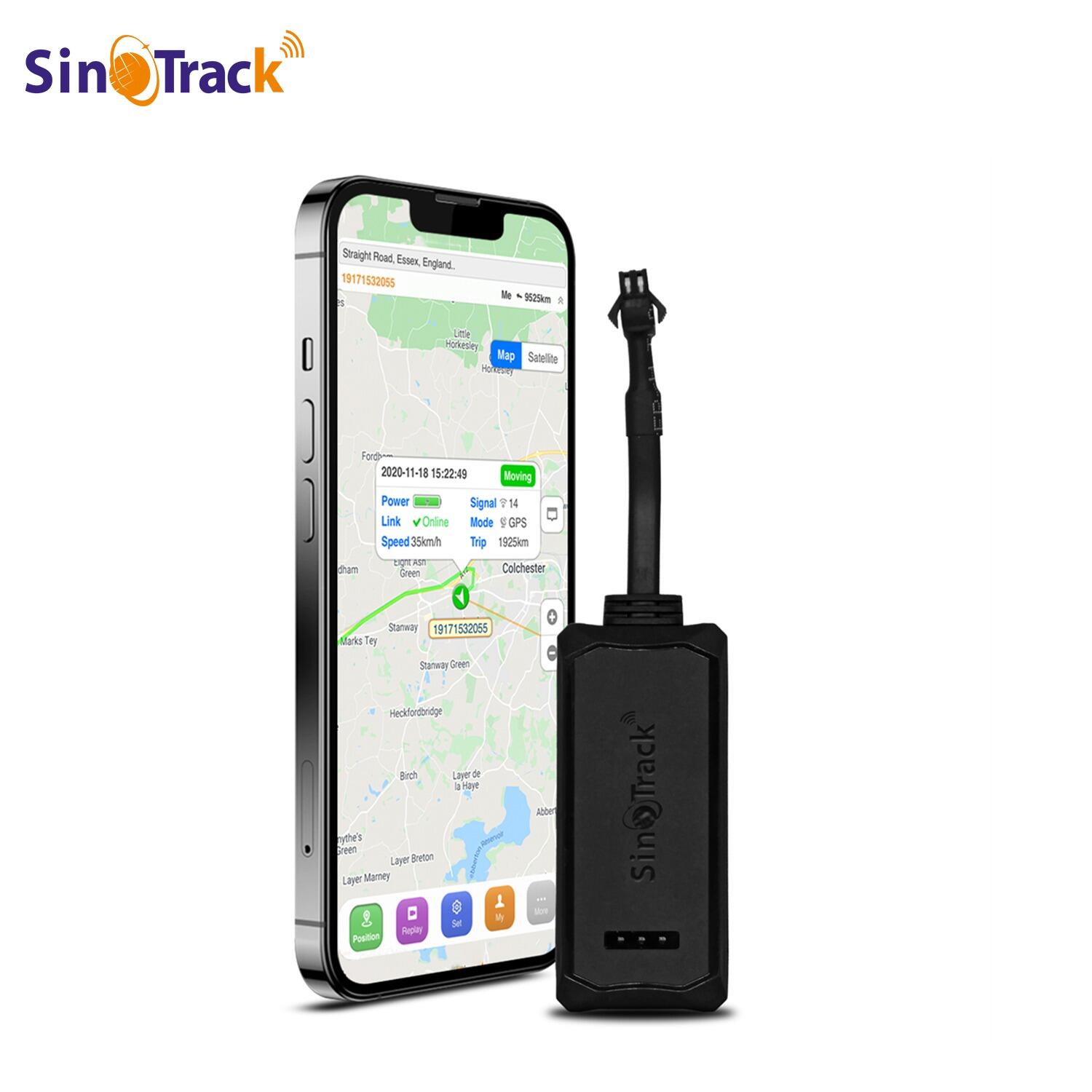
Selecting the right portable GPS tracking device can be a challenging task given the numerous options available in today's market. Whether you need to monitor valuable assets, track vehicles, or ensure the safety of loved ones, understanding the key features and specifications of these devices is crucial for making an informed decision. A quality portable GPS tracking device should offer reliable positioning accuracy, extended battery life, and robust connectivity options to meet your specific tracking requirements.
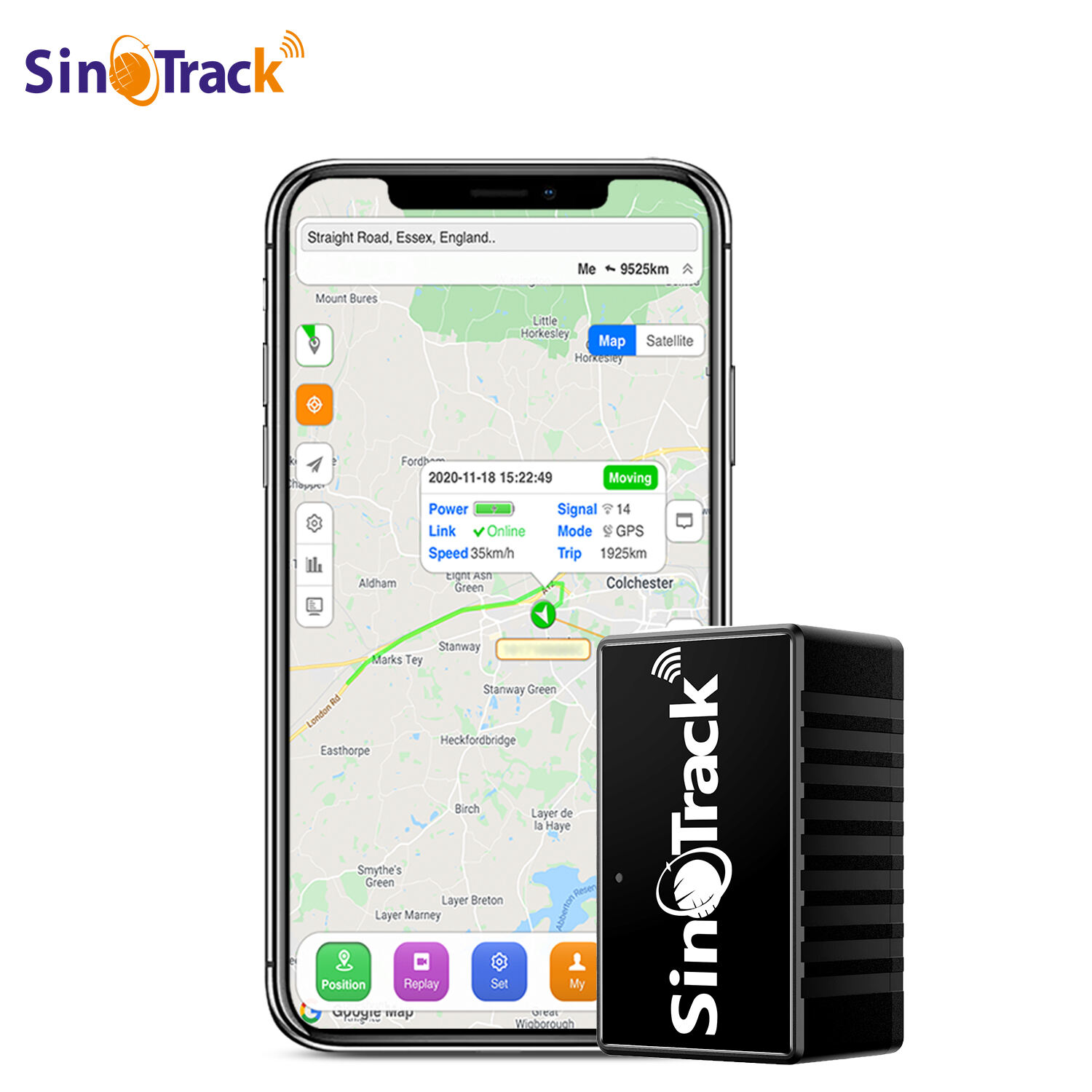
Modern tracking technology has evolved significantly, offering users compact and efficient solutions for various monitoring needs. The integration of advanced satellite positioning systems with cellular networks has made real-time tracking more accessible and affordable than ever before. When evaluating different models, consider factors such as tracking precision, data transmission capabilities, and the overall durability of the device to ensure long-term reliability.
Essential Features to Consider
Battery Life and Power Management
Battery performance remains one of the most critical aspects when choosing a portable GPS tracking device. Devices with superior power management systems can operate continuously for days or even weeks without requiring a recharge. The battery capacity directly impacts the tracking frequency and overall functionality of the device, making it essential to select models with optimized power consumption algorithms.
Advanced power-saving features include intelligent sleep modes that activate when the device remains stationary for extended periods. These features help extend operational time while maintaining the ability to respond quickly when movement is detected. Some models offer rechargeable lithium batteries with capacity indicators, allowing users to monitor power levels and plan charging schedules accordingly.
Tracking Accuracy and Signal Reception
The accuracy of location data depends heavily on the GPS chipset quality and antenna design integrated into the portable GPS tracking device. High-sensitivity receivers can maintain signal lock even in challenging environments such as urban canyons or dense foliage areas. Multi-constellation support, including GPS, GLONASS, and Galileo satellites, significantly improves positioning reliability and reduces acquisition time.
Signal processing capabilities determine how quickly the device can establish its position after being powered on or moved to a new location. Cold start times, which measure how long it takes to acquire satellite signals from a powered-off state, vary significantly between different models. Quality devices typically achieve position fixes within 30 seconds under optimal conditions.
Connectivity Options and Data Transmission
Cellular Network Compatibility
Cellular connectivity enables real-time data transmission from the portable GPS tracking device to monitoring platforms or mobile applications. Different devices support various cellular technologies, including 2G, 3G, 4G LTE, and emerging 5G networks. The choice of cellular technology affects data transmission speed, coverage area, and ongoing service costs.
Network compatibility varies by region and carrier, making it important to verify that your chosen device supports local cellular frequencies. Some advanced models feature dual-mode connectivity, automatically switching between different network types to maintain optimal connection quality. This redundancy ensures continuous tracking even when one network type experiences coverage issues.
Data Plans and Service Costs
Operating costs for cellular-connected tracking devices include monthly or annual data service fees that vary based on usage patterns and service provider. Many manufacturers offer bundled service plans with their devices, while others allow users to choose from multiple carrier options. Understanding these ongoing costs is crucial for budgeting and long-term operational planning.
Data consumption depends on reporting frequency, message size, and additional features such as geofencing alerts or historical route storage. Efficient data protocols help minimize cellular usage while maintaining comprehensive tracking capabilities. Some providers offer unlimited data plans, while others charge based on the number of position reports or data volume transmitted.
Physical Design and Durability
Size and Portability Factors
The physical dimensions and weight of a portable GPS tracking device significantly impact its practical applications and deployment options. Compact designs enable discreet installation and reduce the likelihood of detection or tampering. However, smaller sizes often come with trade-offs in battery capacity and feature availability.
Miniaturization technology has enabled manufacturers to create coin-sized trackers that maintain full functionality while remaining virtually undetectable. These ultra-compact devices are particularly valuable for asset protection, personal safety applications, and covert monitoring scenarios. Consider the balance between size requirements and feature needs when evaluating different models.
Environmental Protection and Build Quality
Durability specifications determine how well a portable gps tracking device can withstand environmental challenges such as moisture, dust, temperature extremes, and physical impacts. IP rating standards provide standardized measures of protection against water and particle ingress, with higher ratings indicating superior environmental resistance.
Construction materials and sealing techniques affect long-term reliability, especially for outdoor applications or harsh operating environments. Quality devices feature robust enclosures that protect sensitive electronic components while maintaining signal reception capabilities. Some models include additional protective features such as tamper alerts or shock detection to enhance security and operational awareness.
Software Features and User Interface
Mobile Applications and Web Platforms
Comprehensive software platforms enhance the functionality and usability of portable GPS tracking device systems by providing intuitive interfaces for monitoring and management. Modern applications offer real-time mapping, historical route playback, and customizable alert configurations that adapt to specific user requirements. Cross-platform compatibility ensures access from various devices and operating systems.
Advanced software features include geofencing capabilities that trigger alerts when tracked assets enter or exit predefined areas. Multi-device management tools allow users to monitor multiple trackers from a single interface, streamlining operations for fleet managers or security professionals. Integration with third-party systems expands functionality and enables automated workflows.
Alert Systems and Notifications
Configurable alert systems provide immediate notifications when specific conditions are met, such as movement detection, speed limit violations, or low battery warnings. Multiple notification methods, including SMS, email, and push notifications, ensure that critical alerts reach users regardless of their current communication preferences or availability.
Intelligent filtering options help reduce alert fatigue by allowing users to customize trigger conditions and notification frequencies. Some systems incorporate machine learning algorithms that adapt to usage patterns and reduce false alarms over time. Emergency features such as panic buttons or automatic crash detection add additional safety layers for personal protection applications.
Cost Considerations and Value Analysis
Initial Purchase Price and Features
The initial cost of a portable GPS tracking device varies significantly based on features, build quality, and manufacturer positioning. Entry-level devices provide basic tracking functionality at affordable prices, while premium models offer advanced features such as extended battery life, enhanced durability, and sophisticated software platforms.
Feature-to-price ratios help determine the overall value proposition of different devices. Consider which features are essential for your specific application and avoid paying for unnecessary capabilities that won't be utilized. Bulk purchasing options may provide cost savings for organizations requiring multiple tracking devices.
Long-term Operational Expenses
Total cost of ownership includes ongoing expenses such as cellular service fees, software subscription costs, and potential hardware replacement or repair expenses. These recurring costs often exceed the initial purchase price over the device's operational lifetime, making them crucial factors in the selection process.
Service contract terms and pricing structures vary significantly between providers, with some offering month-to-month flexibility while others require annual commitments. Compare different service options and calculate projected costs over your intended usage period to make informed financial decisions. Consider factors such as data allowances, overage charges, and contract termination policies.
Installation and Deployment Considerations
Mounting Options and Accessories
Proper installation methods ensure optimal performance and longevity of portable GPS tracking device systems. Different mounting solutions accommodate various deployment scenarios, from permanent vehicle installations to temporary asset monitoring applications. Magnetic mounts provide quick attachment options, while hardwired connections offer enhanced security and continuous power supply.
Accessory availability enhances deployment flexibility and expands potential applications. Waterproof cases, external antennas, and extended battery packs address specific environmental or performance requirements. Consider the availability and cost of relevant accessories when evaluating different device options.
Configuration and Setup Procedures
Initial configuration requirements vary between different portable GPS tracking device models, with some offering plug-and-play simplicity while others require more detailed setup procedures. User-friendly configuration tools and comprehensive documentation reduce deployment time and minimize potential setup errors.
Remote configuration capabilities allow users to modify device settings without physical access, which is particularly valuable for deployed trackers in remote or inaccessible locations. Over-the-air updates ensure that devices maintain current firmware and feature sets throughout their operational lifetime.
FAQ
How long do portable GPS tracking device batteries typically last
Battery life for portable GPS tracking devices varies significantly based on reporting frequency, cellular connectivity usage, and power management features. Most devices operate between 1-4 weeks on a single charge with standard reporting intervals, while ultra-low-power models can extend operation to several months with reduced reporting frequency.
Can portable GPS tracking devices work without cellular service
While GPS reception works independently of cellular networks, most portable GPS tracking devices require cellular connectivity to transmit location data to monitoring platforms. Some devices offer offline logging capabilities that store position data locally until cellular connection is restored, though this limits real-time tracking functionality.
What factors affect GPS tracking accuracy in portable devices
Tracking accuracy depends on satellite signal quality, environmental conditions, and device hardware capabilities. Factors such as tall buildings, dense foliage, or underground locations can reduce accuracy, while open sky conditions typically provide positioning within 3-5 meters. High-quality GPS chipsets and multi-constellation support improve accuracy in challenging environments.
Are there legal considerations for using portable GPS tracking devices
Legal requirements for GPS tracking vary by jurisdiction and application. Tracking personal vehicles or assets you own is generally permitted, while monitoring others may require consent or legal authorization. Business applications often have specific compliance requirements, and personal privacy laws may restrict certain tracking activities. Consult local regulations before deploying tracking systems.