
 EN
EN
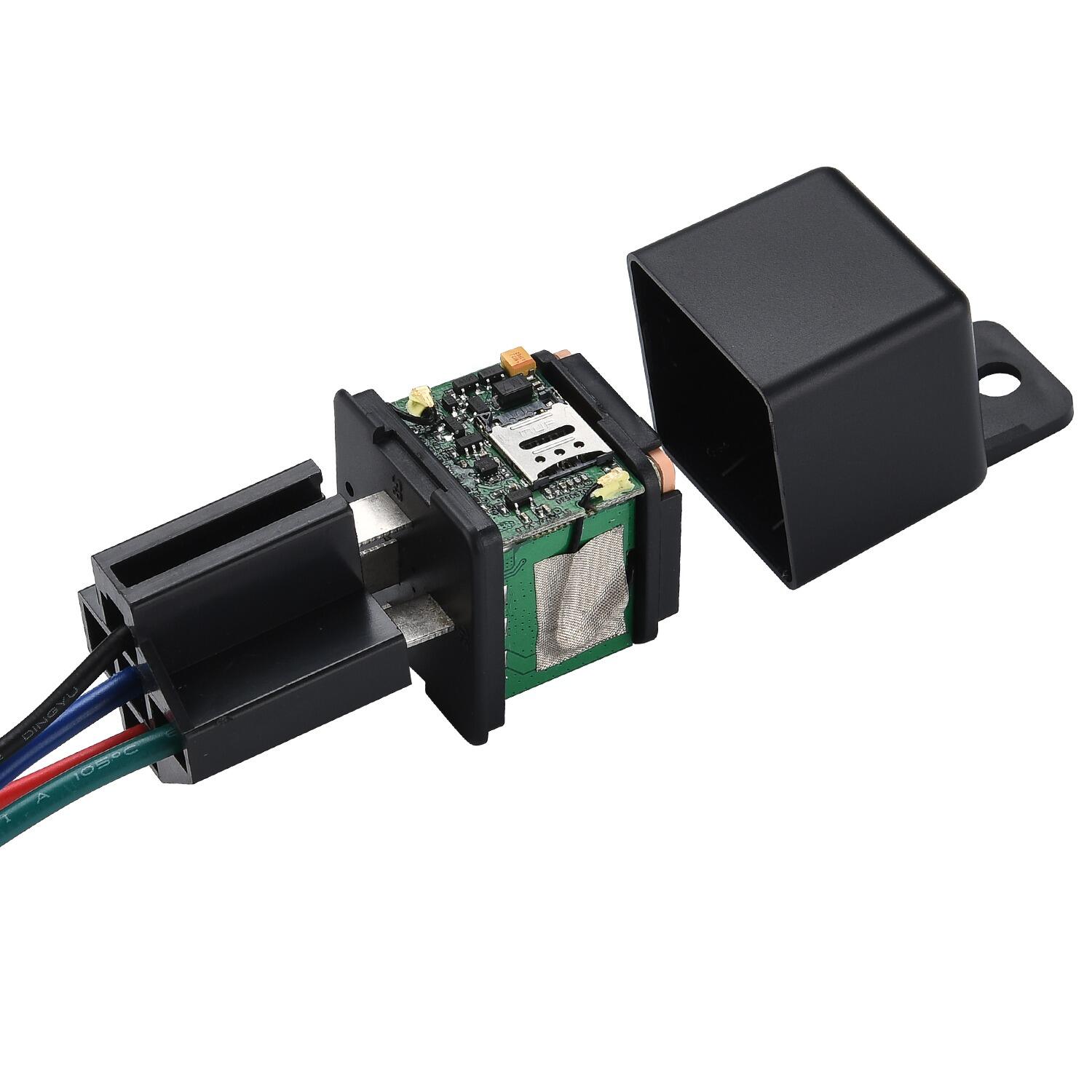
Modern vehicle security has evolved significantly, with advanced tracking solutions becoming essential for car owners seeking reliable protection without ongoing subscription costs. A high-quality GPS tracker for car applications provides real-time location monitoring, theft prevention, and peace of mind without the burden of monthly fees that can accumulate to hundreds of dollars annually. Understanding the landscape of fee-free tracking devices helps consumers make informed decisions about protecting their valuable automotive investments while maintaining cost-effective security solutions.
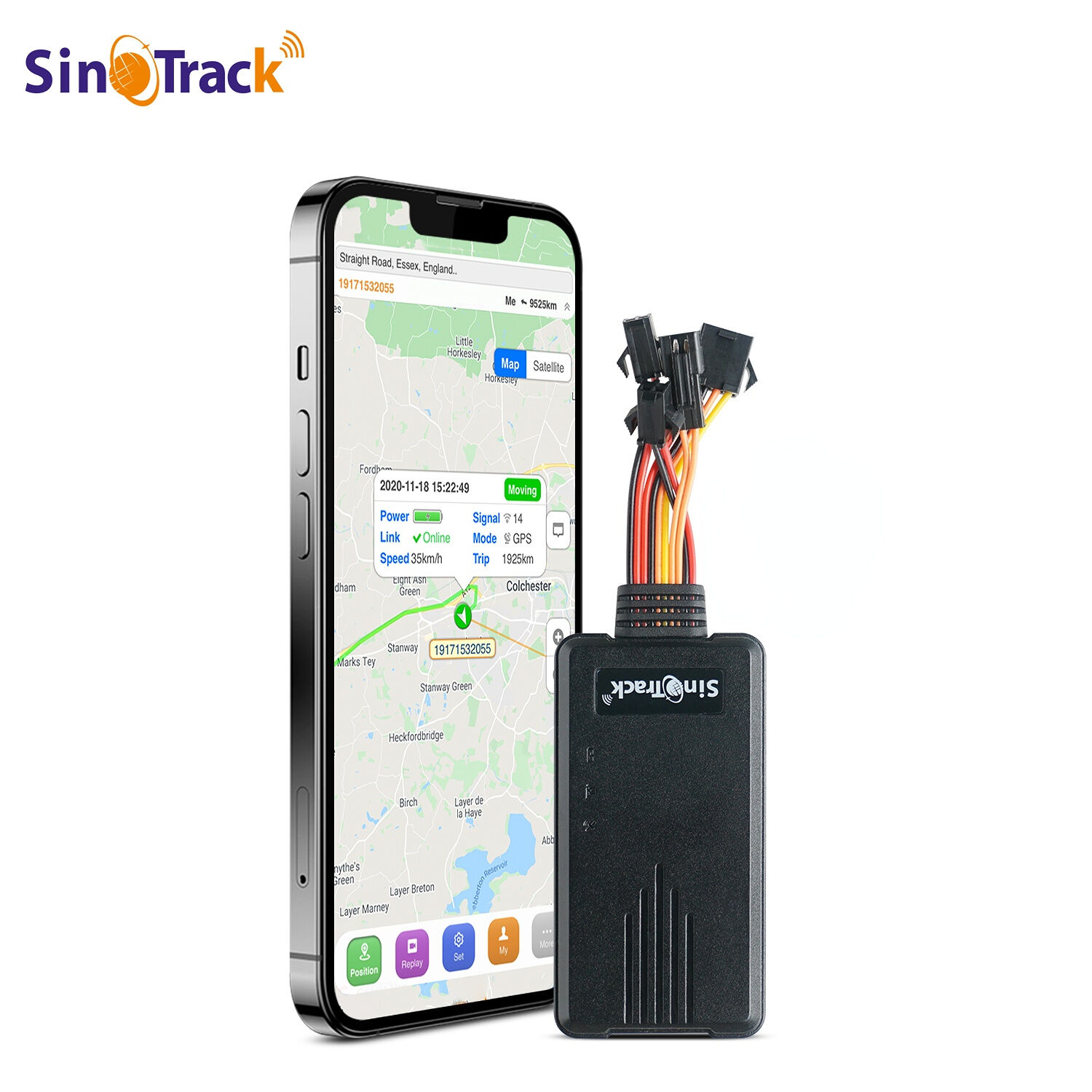
Understanding GPS Tracking Technology Without Subscription Fees
Core Components of Modern Tracking Systems
Contemporary GPS tracking devices utilize sophisticated satellite networks to provide precise location data without requiring continuous service payments. These systems integrate GPS receivers, cellular modems, and onboard memory storage to capture and transmit vehicle positioning information. The absence of monthly fees typically means the device operates on prepaid cellular plans or utilizes alternative communication methods such as radio frequency transmission. Advanced models incorporate multiple positioning technologies including GPS, GLONASS, and cellular tower triangulation for enhanced accuracy in various environmental conditions.
The technological foundation of fee-free tracking relies on efficient power management and selective data transmission protocols. Modern devices employ smart algorithms that optimize battery consumption while maintaining reliable connectivity. These systems often feature motion sensors that activate tracking functions only when vehicle movement is detected, significantly extending operational lifespan. The integration of compact antennas and high-sensitivity receivers ensures consistent signal reception even in challenging urban environments or underground parking facilities.
Communication Methods and Data Transmission
Fee-free tracking solutions employ various communication strategies to deliver location information without recurring costs. Some devices utilize SMS-based reporting systems that send location coordinates directly to registered mobile numbers upon request. Others incorporate radio frequency technology that transmits data to dedicated receivers within specified ranges. Advanced models may include WiFi connectivity options that upload tracking data when vehicles are parked near known wireless networks, reducing cellular data consumption.
The evolution of cellular technology has enabled manufacturers to develop cost-effective communication solutions for vehicle tracking. Many modern devices support multiple cellular bands and automatically select the most efficient network for data transmission. This approach minimizes operational costs while ensuring reliable connectivity across different geographic regions. The implementation of data compression algorithms further reduces transmission requirements, making long-term operation feasible without subscription fees.
Key Features of Premium Tracking Devices
Real-Time Location Monitoring Capabilities
Professional-grade tracking devices offer comprehensive real-time monitoring features that provide instant vehicle location updates through various platforms. These systems typically include web-based dashboards and mobile applications that display current vehicle positions on interactive maps. Users can access historical travel routes, speed information, and detailed trip logs without paying monthly access fees. The integration of geofencing capabilities allows owners to establish virtual boundaries and receive immediate notifications when vehicles enter or exit designated areas.
Advanced tracking solutions incorporate predictive analytics that analyze driving patterns and identify unusual vehicle behavior. These intelligent systems can detect potential theft attempts, unauthorized usage, or mechanical issues based on movement characteristics and operational parameters. The ability to remotely monitor multiple vehicles simultaneously makes these devices particularly valuable for fleet management applications or families with multiple cars requiring coordinated security coverage.
Security and Anti-Theft Protection Features
Modern tracking devices integrate sophisticated security features designed to prevent theft and unauthorized vehicle access. Motion sensors trigger immediate alerts when vehicles are moved without authorization, while tamper-resistant housing protects the device from removal attempts. Some models include backup battery systems that maintain operation even when main vehicle power is disconnected. The implementation of encrypted communication protocols ensures that location data remains secure during transmission and storage.
Emergency response capabilities represent another crucial security feature found in premium tracking devices. These systems can automatically detect collision events and send emergency notifications to designated contacts or monitoring services. Integration with smartphone applications enables remote engine immobilization in theft situations, providing an additional layer of protection beyond simple location tracking. The combination of passive monitoring and active intervention capabilities makes modern gps tracker for car systems highly effective theft deterrents.
Installation and Setup Considerations
Professional Installation vs DIY Approaches
The installation process for vehicle tracking devices varies significantly depending on device complexity and desired functionality. Simple plug-and-play models connect directly to the vehicle's OBD-II port, requiring no technical expertise or permanent modifications. These devices typically begin operating immediately upon connection and can be easily transferred between vehicles. However, OBD-II installations are more visible and potentially accessible to thieves, making concealed installation preferable for maximum security.
Hardwired installations offer superior security and functionality but require more extensive setup procedures. Professional installation ensures optimal antenna placement, reliable power connections, and proper integration with vehicle electrical systems. Experienced technicians can conceal devices in locations that are difficult to locate and remove, significantly enhancing theft protection. The investment in professional installation often pays dividends through improved device longevity and reduced risk of detection by potential thieves.
Configuration and Optimization Strategies
Proper device configuration maximizes tracking effectiveness while minimizing power consumption and operational costs. Initial setup typically involves programming cellular network settings, establishing reporting intervals, and configuring alert parameters. Users must balance tracking frequency with battery life considerations, as more frequent updates provide better real-time monitoring but consume more power. Most devices offer customizable reporting schedules that can be adjusted based on specific usage patterns and security requirements.
Advanced configuration options include geofence establishment, speed limit settings, and emergency contact programming. These features require careful consideration of daily driving routines to minimize false alerts while maintaining effective monitoring coverage. The integration of smartphone applications simplifies configuration management and allows users to modify settings remotely without physical device access. Regular firmware updates ensure optimal performance and may introduce new features that enhance tracking capabilities over time.
Cost Analysis and Long-Term Value
Initial Investment vs Ongoing Expenses
The financial advantages of fee-free tracking devices become apparent when comparing total ownership costs over extended periods. While initial purchase prices may be higher than subscription-based alternatives, the absence of monthly fees creates significant long-term savings. Traditional tracking services can cost between twenty and fifty dollars monthly, accumulating to substantial amounts over multiple years of operation. Fee-free devices eliminate these recurring expenses while providing comparable or superior functionality.
Cost calculations must consider additional factors such as cellular data usage, battery replacement, and potential firmware updates. Many fee-free devices operate on minimal data allowances that cost significantly less than full-service tracking subscriptions. The implementation of efficient power management extends battery life to multiple years in typical usage scenarios, reducing maintenance requirements. When evaluating total cost of ownership, fee-free tracking solutions consistently demonstrate superior value proposition for long-term vehicle protection.
Return on Investment Through Theft Prevention
The investment in quality tracking devices provides measurable returns through theft prevention and recovery assistance. Vehicle theft statistics indicate that cars equipped with tracking devices have significantly higher recovery rates compared to unprotected vehicles. Insurance companies often recognize this benefit by offering premium discounts for vehicles with approved tracking systems. The potential savings from avoiding total vehicle loss or significant theft-related damages typically exceeds the cost of tracking device installation within the first year.
Beyond theft protection, tracking devices provide value through improved fleet management, driver behavior monitoring, and maintenance scheduling optimization. Business applications can justify device costs through reduced fuel consumption, improved route efficiency, and enhanced customer service capabilities. Personal users benefit from peace of mind, family member safety monitoring, and emergency response capabilities that extend far beyond simple location tracking functionality.
Market Leaders and Product Recommendations
Evaluation Criteria for Device Selection
Selecting optimal tracking devices requires careful evaluation of multiple performance and compatibility factors. Battery life represents a critical consideration, as devices with longer operational periods reduce maintenance requirements and ensure continuous protection. Accuracy specifications determine how precisely the device can report vehicle locations, with professional-grade units typically offering accuracy within three to five meters under ideal conditions. Cellular compatibility across multiple carriers ensures reliable connectivity regardless of geographic location or network availability.
Build quality and environmental resistance affect device longevity and reliability in challenging conditions. Automotive applications demand robust construction that withstands temperature extremes, vibration, and moisture exposure. Waterproof ratings and shock resistance specifications indicate the device's ability to function reliably throughout extended service periods. User interface design and mobile application quality significantly impact the overall user experience and determine how easily owners can access tracking information and configure device settings.
Emerging Technologies and Future Trends
The evolution of tracking technology continues to introduce new capabilities that enhance security and functionality without increasing operational costs. Artificial intelligence integration enables predictive analytics that can anticipate maintenance needs, optimize routes, and detect unusual behavior patterns. The development of low-power wide-area networks provides alternative communication methods that further reduce ongoing expenses while maintaining reliable connectivity.
Integration with smart home systems and IoT platforms creates comprehensive security ecosystems that extend beyond vehicle protection. Future devices may incorporate advanced sensors that monitor vehicle health, environmental conditions, and passenger safety parameters. The advancement of satellite technology and cellular networks continues to improve accuracy and reduce communication costs, making sophisticated tracking capabilities accessible to broader consumer markets without subscription requirements.
FAQ
How long do GPS trackers without monthly fees typically last on a single charge?
Most quality GPS trackers designed for vehicles can operate for several weeks to several months on a single charge, depending on reporting frequency and usage patterns. Devices configured for daily check-ins typically last 2-4 weeks, while those set for weekly reporting can operate for 2-3 months. Advanced power management features and motion-activated reporting can extend battery life significantly, with some models lasting up to 6 months with conservative settings.
Can fee-free GPS trackers provide the same accuracy as subscription-based services?
Yes, fee-free GPS trackers can achieve identical accuracy levels to subscription-based alternatives since they utilize the same satellite networks and positioning technology. The accuracy depends on the quality of the GPS receiver and antenna design rather than the service model. Professional-grade fee-free devices typically provide accuracy within 3-5 meters under optimal conditions, matching or exceeding the performance of subscription-based competitors.
What happens if the cellular network changes or becomes unavailable?
Quality GPS trackers without monthly fees often support multiple cellular bands and can automatically switch between available networks to maintain connectivity. Many devices store location data locally when cellular service is unavailable and transmit the information once connectivity is restored. Some models include backup communication methods such as WiFi connectivity or radio frequency transmission to ensure continued operation despite network limitations.
Are there any hidden costs associated with fee-free GPS tracking devices?
While truly fee-free devices eliminate monthly subscription costs, users should consider potential expenses such as prepaid cellular data plans, battery replacements, and occasional firmware updates. However, these costs are typically minimal compared to monthly service fees and occur infrequently. Most quality devices include sufficient prepaid data for several years of operation, and battery replacements are usually required only every 2-3 years depending on usage patterns.
Table of Contents
- Understanding GPS Tracking Technology Without Subscription Fees
- Key Features of Premium Tracking Devices
- Installation and Setup Considerations
- Cost Analysis and Long-Term Value
- Market Leaders and Product Recommendations
-
FAQ
- How long do GPS trackers without monthly fees typically last on a single charge?
- Can fee-free GPS trackers provide the same accuracy as subscription-based services?
- What happens if the cellular network changes or becomes unavailable?
- Are there any hidden costs associated with fee-free GPS tracking devices?