
 EN
EN
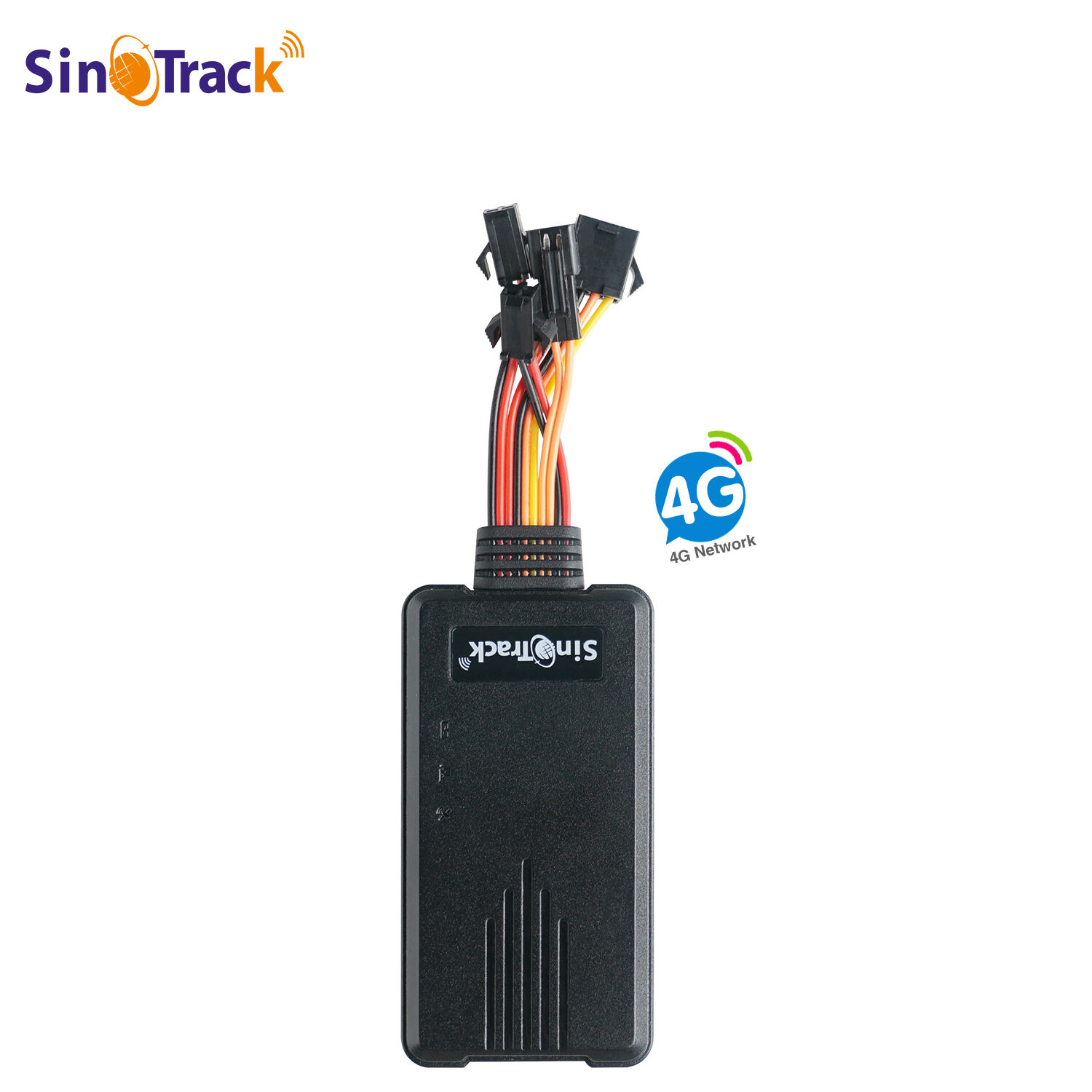
Modern vehicle security and fleet management have evolved dramatically with the widespread adoption of GPS tracking technology. Understanding the legal framework surrounding car GPS tracker usage is essential for businesses, fleet operators, and individual vehicle owners who want to leverage this powerful technology while remaining compliant with applicable laws. The legal landscape varies significantly across jurisdictions, making it crucial to navigate these regulations carefully before implementing any tracking solution.

The complexity of car GPS tracker regulations stems from the intersection of privacy rights, property ownership, and legitimate business interests. Different states and countries have developed distinct approaches to balancing these competing concerns, resulting in a patchwork of laws that can be challenging to navigate. Whether you're considering installing a car GPS tracker for theft prevention, fleet management, or family safety purposes, understanding these legal requirements is your first line of defense against potential liability.
Constitutional and Privacy Considerations
Fourth Amendment Implications for GPS Tracking
The Fourth Amendment to the United States Constitution provides protection against unreasonable searches and seizures, which has significant implications for car GPS tracker deployment. Law enforcement agencies must typically obtain a warrant before installing tracking devices on private vehicles, following landmark Supreme Court decisions that established GPS tracking as a form of search requiring judicial oversight. However, these constitutional protections primarily apply to government actors rather than private individuals or businesses.
Private use of car GPS tracker technology operates under different legal standards than government surveillance. Property owners generally have broader latitude to monitor their own vehicles, though this right is not unlimited. The distinction between government and private tracking becomes particularly important when considering the admissibility of GPS data in legal proceedings or the potential for civil liability arising from unauthorized tracking activities.
Reasonable Expectation of Privacy Standards
Courts have established various tests to determine when GPS tracking violates an individual's reasonable expectation of privacy. The nature of the relationship between the tracker installer and the vehicle occupant plays a crucial role in these determinations. Employers tracking company vehicles typically face fewer restrictions than individuals attempting to track vehicles owned by others, reflecting the legal principle that privacy expectations vary based on context and relationship.
The duration and scope of tracking also influence privacy analysis. Continuous, long-term monitoring may trigger higher privacy protections than occasional or limited tracking, even when conducted by private parties. Understanding these nuanced privacy standards helps ensure that car GPS tracker deployment remains within legal boundaries while achieving legitimate monitoring objectives.
Employment and Fleet Management Regulations
Employee Notification Requirements
Most jurisdictions require employers to provide clear notification when installing car GPS tracker systems in company vehicles. These notification requirements vary in specificity, with some states mandating written disclosure while others accept verbal notification or policy handbook provisions. The timing of notification also matters, with many laws requiring disclosure before installation rather than after the fact.
Effective employee notification goes beyond mere legal compliance to include practical considerations about tracker capabilities and data usage. Employees should understand what information the car GPS tracker collects, how long data is retained, who has access to tracking information, and under what circumstances the data might be shared with third parties. Comprehensive notification policies help prevent misunderstandings and reduce the likelihood of privacy-related disputes.
Union and Collective Bargaining Considerations
Unionized workplaces face additional requirements when implementing car GPS tracker programs. Many collective bargaining agreements include provisions governing workplace monitoring, which may require negotiation before introducing new tracking technologies. Labor relations laws in various jurisdictions may also mandate bargaining over the decision to implement GPS tracking or the specific terms governing tracker usage.
The intersection of employment law and GPS tracking becomes particularly complex when tracking data reveals information about employee behavior during non-work hours. Even when employees use company vehicles for personal purposes with permission, the legal framework governing such tracking varies significantly across jurisdictions and employment contexts.
Personal and Family Vehicle Tracking Laws
Spouse and Family Member Tracking
Family vehicle tracking presents unique legal challenges that differ from commercial fleet management. Generally, vehicle owners have the right to install a car GPS tracker on their own property, but this right may be limited when other family members regularly use the vehicle. Marital property laws, domestic relations statutes, and stalking regulations all potentially impact the legality of tracking family vehicles.
Many states have enacted specific provisions addressing GPS tracking in domestic relationships, particularly in the context of divorce proceedings or domestic violence situations. These laws often focus on preventing the use of tracking technology for harassment or intimidation purposes while preserving legitimate interests in property protection and child safety.
Minor Child Tracking Considerations
Parents generally have broader authority to track vehicles driven by minor children, reflecting legal principles that grant parents significant discretion in supervising their children's activities. However, this authority is not unlimited, and some jurisdictions have begun to address concerns about excessive surveillance of older teenagers. The legal framework continues to evolve as courts balance parental rights with developing concepts of minor privacy.
Practical considerations in family tracking include disclosure obligations, data security requirements, and the potential impact on family relationships. While legal authority may exist to install a car gps tracker without notification in many family contexts, open communication often leads to better outcomes and reduced conflict.
Data Protection and Security Requirements
Information Storage and Retention Policies
Car GPS tracker systems generate vast amounts of location data that must be handled in compliance with applicable data protection laws. Many jurisdictions have implemented specific requirements governing the collection, storage, and retention of location information. These requirements often include provisions for data minimization, purpose limitation, and secure storage protocols designed to prevent unauthorized access or disclosure.
Retention policies must balance legitimate business needs with privacy protection principles. Some laws specify maximum retention periods for location data, while others require periodic review and deletion of information that is no longer necessary for the original tracking purpose. Understanding these requirements is essential for maintaining compliance and reducing liability exposure.
Third-Party Data Sharing Limitations
The sharing of car GPS tracker data with third parties is subject to various legal restrictions depending on the nature of the data, the recipient, and the purpose of sharing. Law enforcement requests, insurance company requirements, and vendor relationships all present different legal considerations that must be carefully evaluated before disclosing tracking information.
Many data protection laws require explicit consent before sharing location data with third parties, even when such sharing might be commercially beneficial or operationally convenient. These consent requirements often include specifications about the form and timing of consent, as well as ongoing obligations to allow withdrawal of consent under certain circumstances.
Enforcement and Penalty Frameworks
Civil Liability for Unauthorized Tracking
Unauthorized installation or use of car GPS tracker devices can result in significant civil liability under various legal theories. Privacy tort claims, trespass to property, and intentional infliction of emotional distress are among the potential causes of action that may arise from improper tracking activities. Damages in these cases can include both actual harm and statutory penalties, which may be substantial in some jurisdictions.
The scope of civil liability often extends beyond the direct installation of tracking devices to include the use of tracking data obtained through improper means. This expanded liability framework means that even individuals who did not personally install a car GPS tracker may face legal consequences for using improperly obtained tracking information.
Criminal Penalties and Enforcement Actions
Many states have criminalized certain forms of unauthorized GPS tracking, with penalties ranging from misdemeanor charges to felony convictions depending on the circumstances and jurisdiction. These criminal laws often focus on tracking activities that involve harassment, stalking, or other harmful intent, though some statutes apply more broadly to unauthorized tracking regardless of intent.
Enforcement priorities and practices vary significantly among different jurisdictions and law enforcement agencies. Some areas have specialized units focused on technology-related crimes, while others handle GPS tracking violations through general criminal investigation units. Understanding local enforcement patterns can help inform compliance strategies and risk assessment decisions.
International and Cross-Border Considerations
Jurisdiction and Applicable Law Issues
Car GPS tracker usage that crosses state or national boundaries raises complex jurisdictional questions about which laws apply to tracking activities. The location of the tracker installation, the path of the tracked vehicle, the location of data storage servers, and the residence of the tracking parties all potentially influence jurisdictional analysis. These complications are particularly relevant for fleet operators or families that regularly travel across jurisdictional boundaries.
International tracking presents additional challenges related to data sovereignty, cross-border data transfer restrictions, and varying privacy standards among different countries. European Union regulations, for example, impose strict requirements on the processing of location data that may differ significantly from requirements in other jurisdictions.
Compliance with Multiple Legal Frameworks
Organizations operating across multiple jurisdictions must develop compliance strategies that address the most restrictive applicable requirements while remaining practical and cost-effective. This often requires careful analysis of overlapping legal frameworks and the development of policies that exceed minimum compliance requirements in some areas to ensure consistent adherence across all relevant jurisdictions.
The complexity of multi-jurisdictional compliance has led many organizations to adopt privacy-by-design principles in their car GPS tracker deployments, incorporating strong data protection measures and consent processes that meet or exceed requirements across all jurisdictions where they operate.
FAQ
Can I legally install a car GPS tracker on my own vehicle
Yes, vehicle owners generally have the legal right to install GPS tracking devices on their own property. However, this right may be subject to limitations when other individuals regularly use the vehicle, particularly in employment contexts where notification requirements may apply or in family situations involving domestic relations laws. It's advisable to review local regulations and consider disclosure obligations even when tracking your own property.
Do I need to notify employees before installing GPS trackers in company vehicles
Most jurisdictions require some form of employee notification before installing car GPS tracker systems in company vehicles. The specific requirements vary by location, with some states mandating written disclosure while others accept verbal notification or policy handbook provisions. Union contracts may also impose additional notification or bargaining requirements that must be satisfied before implementation.
Is it legal to track my spouse's vehicle without their knowledge
The legality of tracking a spouse's vehicle depends on factors including vehicle ownership, marital property laws, and applicable domestic relations statutes. While vehicle owners generally have tracking rights, many states have specific provisions addressing GPS tracking in domestic relationships, particularly in cases involving divorce or domestic violence concerns. Consultation with a local attorney is recommended for specific situations.
What are the penalties for illegally using a car GPS tracker
Penalties for unauthorized GPS tracking can include both civil liability and criminal charges. Civil penalties may involve damages for privacy violations, emotional distress, and statutory penalties that can be substantial. Criminal penalties vary by jurisdiction but may range from misdemeanor charges to felony convictions, particularly in cases involving stalking or harassment. The specific penalties depend on local laws and the circumstances of the tracking activity.