
 EN
EN
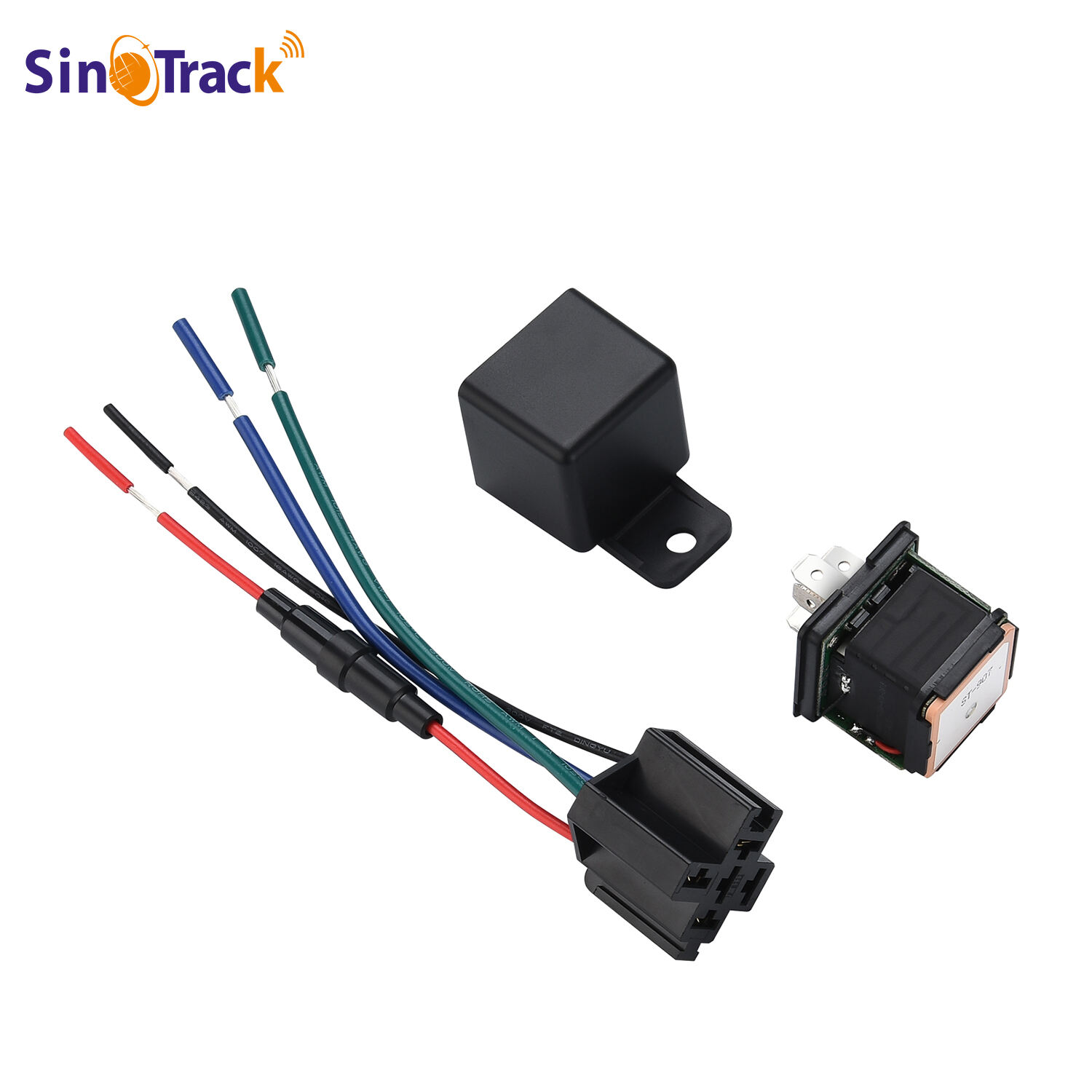
When it comes to vehicle security and location monitoring, drivers face a critical decision between dedicated hardware solutions and smartphone applications. The debate between using a professional car gps tracker versus relying on phone-based tracking apps has intensified as both technologies have evolved significantly. While smartphone apps offer convenience and immediate accessibility, dedicated tracking devices provide robust features specifically engineered for automotive environments. Understanding the fundamental differences between these approaches helps vehicle owners make informed decisions based on their specific security needs, budget constraints, and performance expectations.
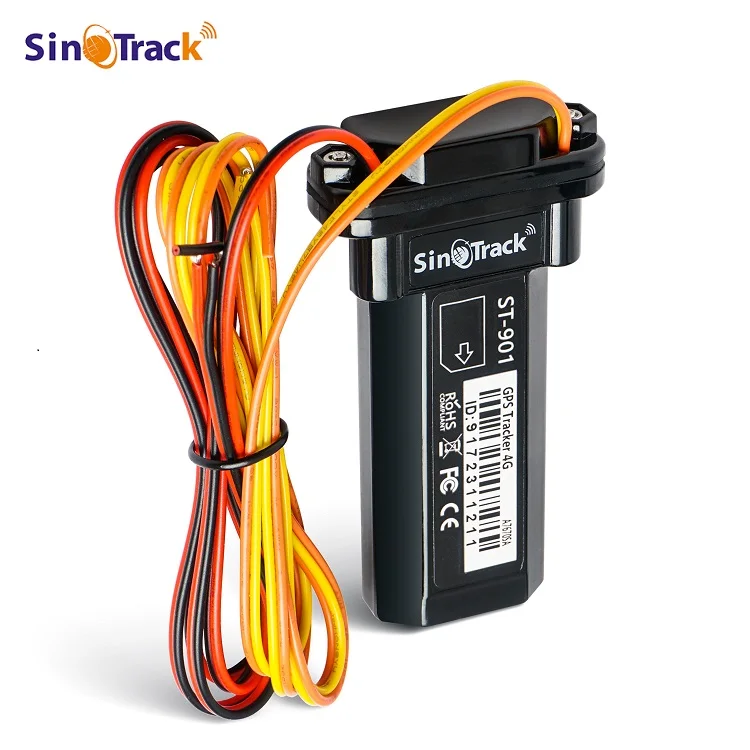
Technical Capabilities and Performance Differences
Hardware Specifications and Reliability
Dedicated car gps tracker devices utilize specialized hardware components designed specifically for vehicle tracking applications. These units typically feature high-sensitivity GPS receivers, cellular modems, and robust processors optimized for continuous operation in automotive environments. The hardware architecture ensures consistent performance across varying temperature ranges, from extreme cold to intense heat conditions commonly experienced in vehicles. Professional tracking devices also incorporate backup power systems and tamper-resistant casings that maintain functionality even when primary vehicle power is disconnected.
Phone applications, while convenient, rely on smartphone hardware that was primarily designed for communication and general computing tasks. Smartphones may experience performance degradation in extreme temperatures and often struggle with battery life during extended tracking sessions. The GPS accuracy in phones can vary significantly depending on the device quality, age, and environmental factors. Additionally, phones are more susceptible to signal interference and may not maintain consistent tracking capabilities when placed in areas with poor cellular reception or GPS obstruction within the vehicle.
Power Management and Operational Duration
Professional car gps tracker systems excel in power management through specialized low-power modes and efficient energy consumption algorithms. These devices can operate for weeks or months on backup battery power while maintaining essential tracking functions. The power management systems are specifically tuned to balance performance with longevity, ensuring continuous monitoring even during extended periods when the vehicle remains stationary. Many advanced trackers feature sleep modes that activate during periods of inactivity, significantly extending operational duration without compromising security coverage.
Smartphone applications face inherent limitations due to the general-purpose nature of mobile device power management. Phone batteries typically provide only hours of continuous tracking before requiring recharging, making them impractical for long-term vehicle monitoring scenarios. The multiple applications and system processes running simultaneously on smartphones further drain battery resources, reducing the effective tracking duration. Users must constantly manage power consumption and remember to charge devices regularly, creating potential security gaps during critical monitoring periods.
Installation Requirements and Setup Complexity
Professional Installation Considerations
Installing a dedicated car gps tracker often requires professional expertise to ensure proper integration with vehicle electrical systems. The installation process involves connecting the device to the vehicle's power supply, grounding systems, and potentially interfacing with onboard diagnostic ports. Professional installers can strategically position tracking devices in concealed locations that optimize GPS reception while minimizing detection risks. The installation complexity varies depending on the specific tracker model and desired integration level with existing vehicle systems.
Proper installation also considers factors such as antenna placement, wire routing, and weatherproofing to ensure long-term reliability. Professional installers understand vehicle-specific considerations and can recommend optimal mounting locations that avoid interference with airbag systems, heating elements, or other critical vehicle components. The installation investment often pays dividends through improved performance, enhanced security, and reduced maintenance requirements over the device's operational lifetime.
DIY Setup and User Accessibility
Phone-based tracking applications offer immediate setup convenience through simple app downloads and account creation processes. Users can activate tracking functionality within minutes without requiring technical expertise or professional assistance. The setup process typically involves creating user accounts, configuring notification preferences, and granting necessary permissions for location access and cellular communication. This accessibility makes phone apps attractive for users seeking immediate tracking capabilities without installation delays or additional costs.
However, the simplicity of app-based setup can lead to suboptimal configurations that compromise tracking effectiveness. Users may overlook critical settings such as update frequency, battery optimization, or security permissions that significantly impact performance. The ease of setup also means that tracking can be easily disabled or removed, either intentionally or accidentally, creating potential security vulnerabilities that dedicated hardware solutions typically avoid through their integrated installation approach.
Cost Analysis and Long-Term Value Proposition
Initial Investment and Hardware Costs
The upfront cost of a professional car gps tracker includes the device price, installation fees, and initial service activation charges. Quality tracking devices typically range from moderate to premium pricing depending on feature sets and manufacturer reputation. The initial investment also covers the hardware durability and specialized components that ensure reliable long-term operation. While the upfront costs may appear substantial compared to free phone applications, the investment provides dedicated functionality and professional-grade reliability.
Installation costs vary based on vehicle complexity and desired integration level, but professional installation ensures optimal performance and warranty compliance. The combined hardware and installation investment creates a comprehensive tracking solution specifically tailored to automotive applications. This targeted approach often provides better value proposition over time compared to the hidden costs and limitations associated with phone-based alternatives.
Ongoing Service Fees and Maintenance
Professional tracking services typically require monthly or annual subscription fees for cellular connectivity, server infrastructure, and customer support services. These fees cover the cost of maintaining dedicated tracking networks, providing real-time monitoring capabilities, and ensuring data security through professional-grade systems. The subscription model also includes regular software updates, feature enhancements, and technical support from specialized tracking service providers.
Phone applications may appear free initially but often involve hidden costs through data usage charges, premium feature subscriptions, or advertising-supported revenue models. The cellular data consumption for continuous tracking can result in significant monthly charges depending on the user's data plan structure. Additionally, the reliability and performance limitations of phone-based solutions may necessitate backup tracking methods, effectively increasing the total cost of ownership while reducing overall effectiveness.
Security Features and Anti-Theft Capabilities
Tamper Resistance and Concealment
Professional car gps tracker devices incorporate advanced anti-tamper features designed to prevent unauthorized removal or disabling. These security measures include tamper alerts, backup communication methods, and hardened casings that resist physical attacks. The devices can be concealed within vehicle structures, making them virtually impossible to locate without detailed knowledge of the installation. Advanced models feature multiple redundant systems that continue operating even if primary components are compromised.
The concealment capabilities of dedicated trackers provide significant advantages in theft recovery scenarios where criminals specifically target and attempt to disable tracking systems. Professional installation ensures that car gps tracker devices remain hidden and protected even during thorough vehicle searches. The integration with vehicle electrical systems makes removal extremely difficult without specialized knowledge and tools.
Real-Time Monitoring and Alert Systems
Dedicated tracking systems provide sophisticated alert mechanisms that notify owners immediately when suspicious activities occur. These alerts can include unauthorized movement, excessive speed, geofence violations, or tampering attempts. The professional monitoring infrastructure ensures reliable alert delivery through multiple communication channels, including SMS, email, and mobile notifications. Advanced systems can even integrate with professional monitoring services for enhanced security coverage.
Phone applications typically offer basic alert functionality but may experience delays or failures due to network connectivity issues, battery depletion, or application crashes. The reliability of phone-based alerts depends on numerous factors beyond the user's control, including cellular network status, smartphone performance, and application background processing limitations. These dependencies can create critical security gaps during emergency situations when immediate notification is essential.
User Experience and Interface Design
Mobile Application Interfaces
Professional car gps tracker services provide dedicated mobile applications designed specifically for vehicle tracking and fleet management functions. These applications offer intuitive interfaces optimized for tracking workflows, historical data analysis, and security management tasks. The user experience focuses on essential tracking functions without the distractions and complexity associated with general-purpose smartphone applications. Professional interfaces typically include advanced features such as detailed reporting, route optimization, and integration with other security systems.
The design philosophy behind professional tracking applications emphasizes clarity, reliability, and functionality over aesthetic appeal or entertainment value. Users receive consistent interface experiences across different devices and platforms, ensuring familiarity and efficiency when accessing critical vehicle information. The application architecture supports robust data handling and provides reliable access to tracking information even under challenging network conditions.
Integration with Vehicle Systems
Advanced car gps tracker systems can integrate directly with vehicle onboard diagnostic systems to provide comprehensive monitoring beyond basic location tracking. This integration enables monitoring of engine parameters, fuel consumption, maintenance schedules, and diagnostic trouble codes. The seamless integration provides holistic vehicle management capabilities that extend far beyond the location-only functionality offered by smartphone applications.
Vehicle integration also enables advanced features such as remote engine disable, door lock control, and climate system management through the tracking interface. These capabilities transform the car gps tracker from a passive monitoring device into an active vehicle management system. Phone applications cannot achieve this level of integration due to their external nature and lack of direct connection to vehicle systems.
FAQ
How accurate are car gps tracker devices compared to phone apps
Professional car gps tracker devices typically provide superior accuracy compared to phone applications due to their specialized GPS hardware and optimized antenna designs. Dedicated trackers often achieve accuracy within 3-5 meters under normal conditions, while phone GPS accuracy can vary from 5-15 meters depending on device quality and environmental factors. The consistent performance of dedicated hardware ensures reliable positioning even in challenging conditions such as urban canyons or areas with limited satellite visibility.
Can thieves easily disable car gps tracker systems
Professional car gps tracker installations are specifically designed to resist tampering and unauthorized removal attempts. When properly installed by professionals, these devices are concealed within vehicle structures and protected by backup power systems and anti-tamper alerts. While no security system is completely foolproof, dedicated trackers provide significantly more resistance to disabling attempts compared to phone-based tracking solutions that can be easily removed or turned off.
What happens if my car gps tracker loses cellular signal
Quality car gps tracker devices include data buffering capabilities that store location information locally when cellular connectivity is unavailable. Once cellular service is restored, the device automatically uploads the stored tracking data to provide complete location history without gaps. Many professional systems also include multiple communication methods and can switch between different cellular networks to maintain connectivity in areas with poor coverage.
Do car gps tracker devices drain vehicle batteries
Modern car gps tracker systems are engineered for minimal power consumption and include intelligent power management features that prevent vehicle battery drain. Professional devices typically consume less power than a standard clock radio and include protective circuits that disconnect when vehicle battery voltage drops to critical levels. The power consumption is negligible during normal vehicle operation and designed to preserve battery life even during extended parking periods.