
 EN
EN
In 2025, fleet managers and business owners are under more financial pressure than ever to reduce operational costs without sacrificing performance or reliability. One of the most proven strategies to achieve this is deploying a vehicle tracking device across every vehicle in a fleet. What was once considered a luxury or a security add-on has evolved into a core financial tool that directly impacts fuel expenses, insurance premiums, driver accountability, and asset protection.
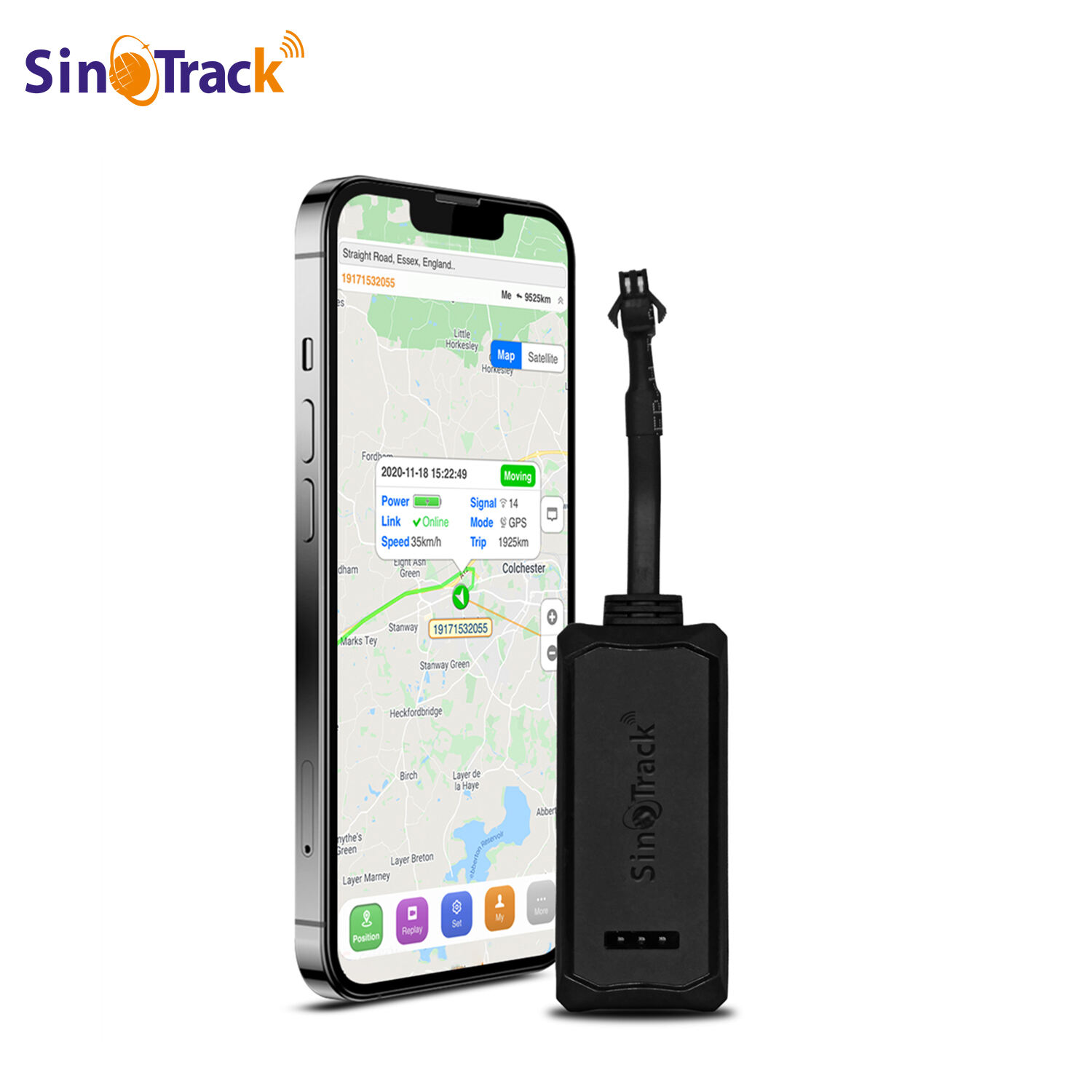
Understanding exactly how a vehicle tracking device saves money requires looking beyond the upfront hardware cost and examining the operational changes it triggers across an entire business. From smarter route planning to reduced unauthorized vehicle usage, the financial benefits compound quickly. This article breaks down the key mechanisms through which GPS tracking technology generates real, measurable savings in today's business environment.
Fuel Cost Reduction Through GPS Intelligence
Eliminating Inefficient Routes and Idle Time
Fuel is consistently one of the highest operating expenses for any vehicle-dependent business. A vehicle tracking device gives fleet managers visibility into exactly how every vehicle is being used at any given moment. When drivers take longer routes out of habit or convenience, the GPS system flags the deviation and allows managers to correct the behavior before it becomes a costly pattern.
Excessive idling is another silent fuel drain that goes unnoticed without real-time monitoring. Engines left running during deliveries, rest stops, or traffic jams burn fuel without producing any productive output. Data from a vehicle tracking device quantifies idle time per driver and per route, giving managers concrete evidence to initiate operational changes. Businesses that actively monitor and reduce idling typically report fuel savings of ten to fifteen percent within the first few months of deployment.
Beyond individual drivers, GPS data enables a broader view of network-level inefficiencies. Dispatchers can assign the nearest available vehicle to a new job rather than routing a distant one, cutting total distance driven across the entire fleet. Over a year, these incremental savings accumulate into a significant reduction in fuel spend.
Speed and Driving Behavior Monitoring
Aggressive driving habits such as hard braking, rapid acceleration, and sustained high speeds all increase fuel consumption and accelerate mechanical wear. A vehicle tracking device captures this behavioral data continuously and translates it into driver scorecards that management can review on a regular basis. This visibility creates accountability without requiring constant manual supervision.
When drivers know their behavior is being monitored, they naturally adopt smoother, more fuel-efficient driving patterns. This cultural shift in driving behavior reduces not only fuel usage but also the frequency of maintenance events and part replacements. The downstream financial benefit is substantial when multiplied across a fleet of ten, fifty, or several hundred vehicles.
Maintenance Cost Management and Vehicle Longevity
Preventive Maintenance Triggered by Real Usage Data
Traditional maintenance schedules are based on fixed time intervals or estimated mileage, which often leads to either premature servicing or dangerously overdue maintenance. A vehicle tracking device eliminates this guesswork by tracking actual mileage, engine hours, and usage intensity in real time. This data feeds directly into maintenance scheduling systems, ensuring every vehicle is serviced at precisely the right time.
Preventive maintenance driven by accurate usage data avoids the far more expensive scenario of reactive repairs. A transmission failure, engine seizure, or brake system breakdown caused by neglect can cost several times more than routine servicing. Fleet businesses that switch to usage-based maintenance cycles consistently report longer vehicle lifespans and lower total cost of ownership.
The vehicle tracking device also allows managers to monitor unusual driving patterns that may indicate mechanical issues before they escalate. For example, if a vehicle is consuming more fuel than its historical average on identical routes, this data point can prompt an early inspection that catches a minor mechanical fault before it becomes a major repair bill.
Reducing Wear Caused by Unauthorized Use
Vehicles used outside of authorized hours or outside designated service areas accumulate wear that the business is not financially accounting for. A vehicle tracking device creates geofence boundaries and time-based alerts that notify managers immediately when a vehicle leaves an approved area or operates outside scheduled hours. This capability directly protects vehicle assets from misuse.
Unauthorized use also exposes the business to liability risks and increased insurance claims. By maintaining strict control over when and where company vehicles operate, businesses reduce both mechanical wear and legal exposure simultaneously. The combined financial benefit of reduced wear and lower liability risk is a compelling argument for GPS monitoring in any fleet-dependent operation.
Insurance Premium Reduction and Liability Protection
Demonstrating Risk Reduction to Insurers
Insurance companies price commercial fleet premiums based on perceived risk. Businesses that can demonstrate responsible fleet management through GPS data present a measurably lower risk profile. Many insurers now offer direct premium discounts to fleet operators who deploy a vehicle tracking device and share usage data, recognizing that monitored fleets have fewer accidents and lower claim frequencies.
The discount percentage varies by insurer and fleet size, but savings of five to twenty percent on annual premiums are commonly reported. For a business with ten or more vehicles, this alone can justify the cost of deploying and maintaining a GPS tracking system. The financial logic is straightforward: lower risk equals lower premiums, and GPS data proves lower risk.
Incident Documentation and Dispute Resolution
When an accident or incident occurs, the GPS record provides an objective, timestamped account of the vehicle's speed, location, and behavior at the moment of the event. This data is invaluable when disputing fraudulent insurance claims or defending against inflated liability lawsuits. Without a vehicle tracking device, these disputes are often resolved based on incomplete witness testimony, which frequently results in costly settlements.
Real-time location history also helps resolve customer disputes about delivery times, service windows, or vehicle presence at a specific location. Having this documentation on hand removes ambiguity from operational disputes and reduces the administrative time and cost spent managing complaints. A vehicle tracking device essentially functions as a neutral, always-on witness for every journey made.
Driver Productivity and Workforce Accountability
Accurate Job Completion and Time Verification
For businesses that bill clients by the hour or by job completion, GPS tracking provides irrefutable proof of when drivers arrived, how long they stayed, and when they departed. This accuracy protects the business from billing disputes and ensures payroll is calculated based on verified activity rather than self-reported timesheets. A vehicle tracking device essentially closes the gap between what drivers report and what actually occurred.
The transparency this creates also motivates drivers to maintain higher standards of punctuality and professionalism. When employees understand that arrival times and route choices are being logged automatically, they are more likely to adhere to company policies and client commitments. This productivity lift directly translates into more jobs completed per day and higher revenue per vehicle.
Dispatch Efficiency and Resource Allocation
A vehicle tracking device gives dispatchers a live map of the entire fleet, making it possible to assign jobs to the most appropriately positioned vehicle at any given moment. This eliminates the inefficiency of assigning jobs based on incomplete or outdated information, reducing the total distance traveled per job and improving response times for time-sensitive clients.
Better dispatch efficiency also means that the same volume of work can often be handled with fewer vehicles, or that the existing fleet can absorb additional job volume without adding headcount or assets. Either scenario represents a direct financial benefit that grows in proportion to fleet size and job complexity. The vehicle tracking device transforms dispatching from a reactive activity into a strategic, data-driven function.
Over time, the cumulative data gathered by a vehicle tracking device reveals patterns in demand, peak usage windows, and underperforming routes that management can act on. These insights feed into better workforce scheduling, territory planning, and capacity management decisions that compound the original cost-saving benefits of GPS deployment.
FAQ
How quickly does a vehicle tracking device pay for itself?
For most businesses, a vehicle tracking device pays for itself within three to six months of deployment when accounting for fuel savings, reduced maintenance costs, and insurance discounts. Larger fleets typically see a faster return on investment because the savings scale with the number of monitored vehicles.
Does a vehicle tracking device require professional installation?
Many modern vehicle tracking device models are designed for simple self-installation and can be connected to a vehicle's OBD port or hardwired to the power supply without specialized tools. However, for permanent installations in commercial fleets, professional installation ensures reliable connectivity and correct configuration for ongoing data accuracy.
Can a vehicle tracking device help reduce driver fatigue risks?
Yes, a vehicle tracking device can monitor driving hours and flag when a driver has exceeded safe working limits based on preset thresholds. This supports regulatory compliance with hours-of-service rules and reduces the risk of fatigue-related incidents, which carry significant financial and reputational costs for fleet operators.
Is the data from a vehicle tracking device admissible in legal disputes?
GPS data from a vehicle tracking device is widely accepted as supporting evidence in insurance claims, employment disputes, and civil liability cases. The timestamped, location-based nature of the records provides a level of objectivity that courts and insurers find credible, making it a valuable asset for protecting the business financially and legally.