
 EN
EN
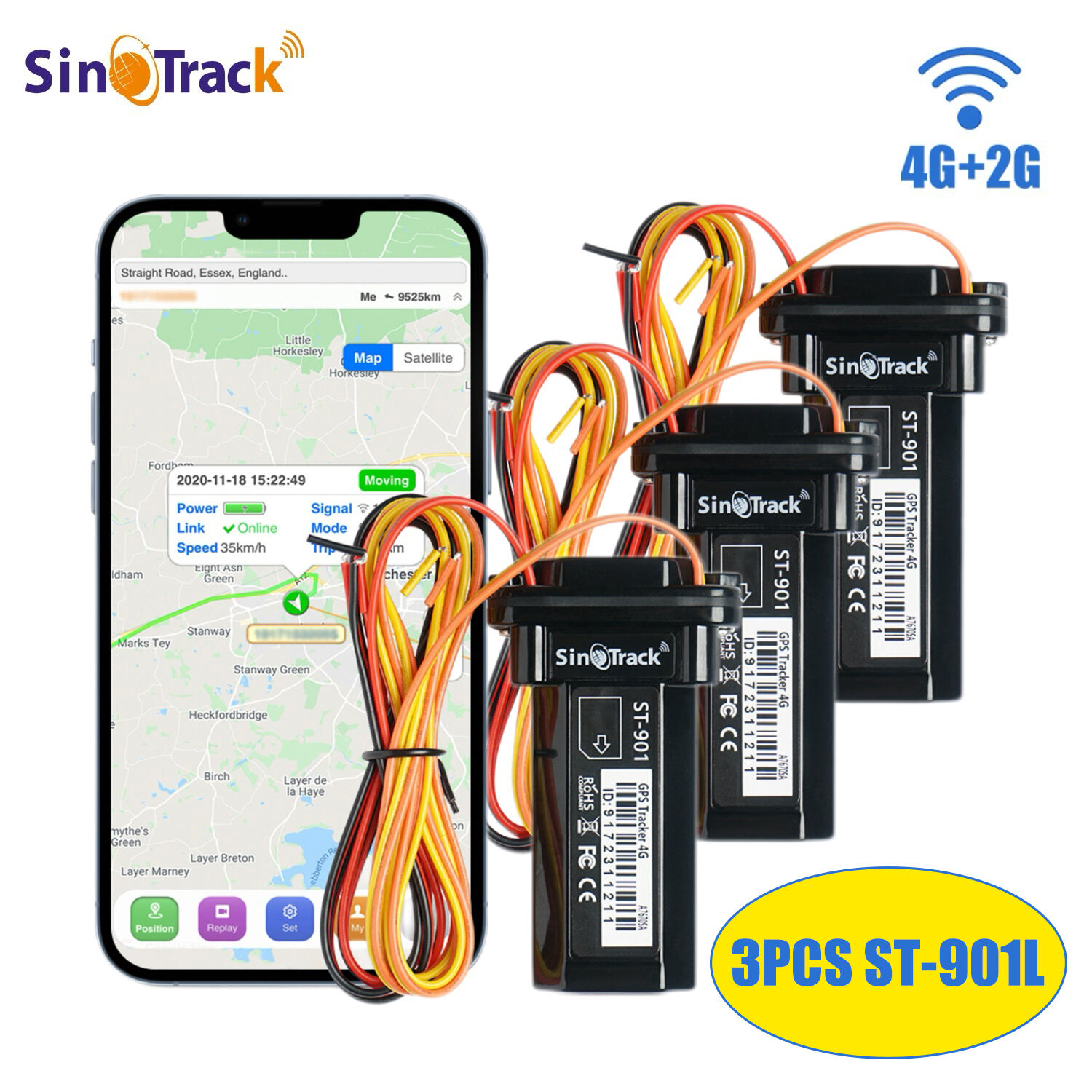
In 2025, fleet managers, logistics operators, and business owners are under more pressure than ever to control costs, improve accountability, and protect mobile assets. A vehicle tracking device has moved from being a luxury add-on to an operational necessity for any organization that depends on a moving fleet. Whether you manage two vehicles or two hundred, understanding how modern GPS tracking works — and what it can do for your business — is essential knowledge for this year and beyond.
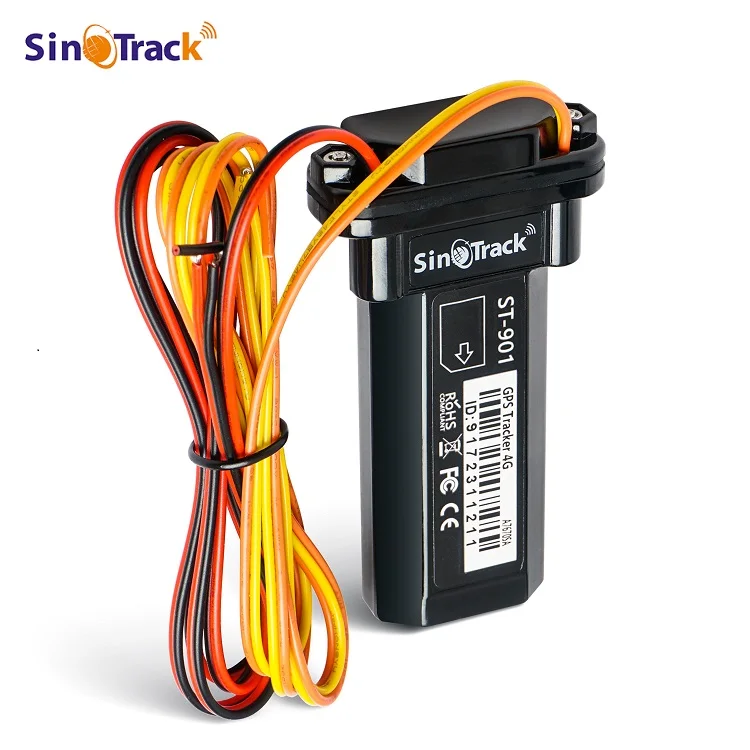
This complete guide covers everything you need to know about GPS vehicle tracking in 2025: how the technology works, what benefits it delivers, which operational challenges it solves, and what to look for when selecting a vehicle tracking device for your specific needs. By the end, you will have a clear, practical picture of why this technology has become a cornerstone of modern fleet and asset management.
How GPS Vehicle Tracking Technology Works in 2025
The Core Technology Behind a Vehicle Tracking Device
A vehicle tracking device uses the Global Positioning System — a network of satellites orbiting the Earth — to determine the precise geographic location of a vehicle at any given moment. The device receives signals from multiple satellites simultaneously, calculates its position through a process called trilateration, and then transmits that location data to a central server via cellular networks such as 4G LTE or, increasingly, 5G.
Modern devices do far more than report a simple latitude and longitude coordinate. A quality vehicle tracking device in 2025 captures speed, heading, ignition status, engine diagnostics, and even driver behavior metrics such as harsh braking or rapid acceleration. This data is packaged and sent to a cloud-based platform where fleet managers can view it in real time through a web dashboard or mobile application.
The hardware itself has become remarkably compact and reliable. Many units are hardwired directly into a vehicle's OBD-II port or connected via a four-pin relay harness, allowing the device to draw power from the vehicle and also interact with systems like the ignition or fuel circuit. This integration is what enables advanced features such as remote immobilization, which allows an authorized user to disable a stolen or unauthorized vehicle remotely.
Data Transmission and Platform Integration
Once a vehicle tracking device captures positional and diagnostic data, it transmits that information at configurable intervals — typically every 10 to 60 seconds depending on the use case. High-frequency reporting is valuable for urban delivery fleets where route accuracy matters, while lower-frequency reporting conserves data costs for long-haul vehicles on predictable routes.
The receiving platform aggregates data from every device in a fleet and presents it through an intuitive interface. Managers can view live maps, replay historical routes, set geofence boundaries, and generate automated reports on driver performance or fuel consumption. In 2025, many platforms also offer API integrations with ERP systems, payroll software, and customer delivery notification tools, making the vehicle tracking device a connected node in a broader operational ecosystem.
Security protocols have also matured significantly. Data encryption during transmission and at rest is now standard, and role-based access controls ensure that only authorized personnel can view sensitive fleet information or trigger remote commands. This matters especially for businesses operating in regulated industries where data privacy compliance is mandatory.
Key Business Benefits of Deploying a Vehicle Tracking Device
Operational Efficiency and Cost Reduction
One of the most immediate and measurable benefits of a vehicle tracking device is the reduction in fuel costs. By monitoring idling time, speeding, and inefficient routing, fleet managers can identify and correct behaviors that waste fuel. Studies across multiple industries consistently show that fleets using GPS tracking reduce fuel expenditure by a meaningful margin within the first few months of deployment.
Route optimization is another major efficiency driver. When dispatchers can see exactly where every vehicle is in real time, they can assign the nearest available driver to a new job, reroute vehicles around traffic congestion, and eliminate unnecessary mileage. Over a full year, these small daily improvements compound into significant savings on fuel, vehicle wear, and labor hours.
Maintenance scheduling also improves dramatically when a vehicle tracking device is in place. By tracking engine hours, mileage, and diagnostic fault codes, fleet managers can shift from reactive maintenance — fixing things after they break — to proactive maintenance that prevents costly breakdowns and extends vehicle lifespan. This is particularly valuable for heavy commercial vehicles where unplanned downtime carries a high financial penalty.
Driver Accountability and Safety Improvement
A vehicle tracking device creates a transparent record of driver behavior that benefits both the business and the drivers themselves. When drivers know their speed, braking patterns, and route adherence are being monitored, behavior tends to improve naturally. This is not about surveillance for its own sake — it is about creating a culture of accountability that reduces accidents, lowers insurance premiums, and protects the company's reputation.
In the event of an accident or a customer dispute, the historical data stored by a vehicle tracking device provides an objective record of what happened, when, and where. This data has proven invaluable in insurance claims, legal proceedings, and internal investigations. Having that factual record removes ambiguity and protects both the business and its drivers from unfair accusations.
Safety features have also expanded in 2025. Many vehicle tracking device models now support driver fatigue alerts, speed limit zone warnings, and integration with dashcam systems. These layered safety tools help businesses meet duty-of-care obligations and demonstrate compliance with transport regulations in markets where such requirements are enforced.
Asset Protection and Security Applications
Real-Time Theft Detection and Recovery
Vehicle theft remains a significant risk for businesses with mobile assets, and a vehicle tracking device is one of the most effective countermeasures available. When a vehicle moves outside a predefined geofence or is activated outside of authorized hours, the system generates an immediate alert to the fleet manager or security team. This rapid notification dramatically improves the chances of vehicle recovery before the asset is stripped or moved across borders.
The remote immobilization feature available on many hardwired vehicle tracking device models adds another layer of protection. Once law enforcement has confirmed the vehicle's location, an authorized user can send a command through the platform to cut the fuel circuit, preventing the vehicle from being driven further. This feature must be used responsibly and in coordination with authorities, but it has proven highly effective in real-world theft recovery scenarios.
For businesses that lease or finance their vehicles, a vehicle tracking device also provides lenders and lessors with the assurance that assets can be located and recovered if a borrower defaults. This has made GPS tracking a standard requirement in many commercial vehicle financing agreements, particularly in emerging markets where asset recovery infrastructure is less developed.
Geofencing and Unauthorized Use Prevention
Geofencing allows fleet managers to draw virtual boundaries on a map and receive alerts whenever a vehicle tracking device crosses those boundaries. This is useful for preventing unauthorized after-hours use of company vehicles, ensuring that vehicles stay within approved service territories, and monitoring high-value cargo as it moves through a supply chain.
In industries like construction, agriculture, and utilities, equipment and vehicles are often left at remote job sites overnight. A vehicle tracking device with geofence alerts provides continuous passive monitoring without requiring a human guard on site. Any movement outside the defined perimeter triggers an immediate notification, allowing a rapid response before the asset is lost.
Geofencing also supports customer service applications. Businesses can set up automatic notifications to customers when a delivery vehicle enters a defined zone near their location, improving the customer experience without requiring manual communication from the driver or dispatcher. This kind of automated, data-driven service is increasingly expected by B2B customers in 2025.
Selecting the Right Vehicle Tracking Device for Your Fleet
Hardware Considerations and Installation Types
Choosing the right vehicle tracking device starts with understanding your installation requirements. Hardwired devices that connect directly to the vehicle's power supply and relay circuits offer the most reliable power source and enable advanced features like remote immobilization and ignition detection. These are the preferred choice for commercial fleets where vehicles are in continuous use and where security features are a priority.
OBD-II plug-in devices offer a simpler installation path and are suitable for lighter-duty applications or situations where vehicles are frequently rotated or replaced. However, they are more visible and easier to remove, which limits their effectiveness as a theft deterrent. For businesses where security is a primary concern, a hardwired vehicle tracking device with a concealed installation is the stronger choice.
Battery-powered or magnetic vehicle tracking device units serve a different purpose — they are ideal for tracking trailers, containers, and non-powered assets that do not have a constant power source. These units typically report at lower frequencies to conserve battery life, but they fill an important gap in asset visibility for businesses that manage mixed fleets of powered and non-powered equipment.
Platform Features and Scalability
The hardware is only half of the equation. The software platform that receives and presents data from your vehicle tracking device is equally important. Look for platforms that offer real-time mapping, historical route playback, customizable alerts, and automated reporting. The interface should be intuitive enough for daily use by dispatchers and managers who are not technical specialists.
Scalability matters as your fleet grows. A platform that works well for ten vehicles should also handle a hundred without requiring a complete system migration. Cloud-based platforms with subscription pricing models are generally more scalable than on-premise solutions, and they benefit from continuous software updates that add new features without requiring hardware replacement.
Integration capability is another critical factor in 2025. A vehicle tracking device platform that can share data with your dispatch software, accounting system, or customer portal creates compounding value across the business. Before committing to a system, verify that the platform offers open APIs or pre-built integrations with the tools your team already uses.
Implementation Best Practices for 2025
Rollout Planning and Driver Communication
Successful deployment of a vehicle tracking device program depends as much on change management as it does on technology. Drivers who understand why the system is being implemented — and who see it as a tool that protects them as much as it monitors them — are far more likely to accept and support the program. Transparent communication about what data is collected, how it is used, and what the consequences of policy violations are is essential from day one.
A phased rollout often works better than a simultaneous fleet-wide deployment. Starting with a pilot group of vehicles allows the operations team to identify configuration issues, refine alert thresholds, and build internal expertise before scaling to the full fleet. It also gives drivers in the pilot group time to become familiar with the system and serve as informal advocates when the rollout expands.
Training for dispatchers and fleet managers is equally important. A vehicle tracking device generates a large volume of data, and without proper training, teams can become overwhelmed or fail to act on the insights the system provides. Structured onboarding, combined with clear standard operating procedures for responding to alerts and reviewing reports, ensures that the investment in tracking technology translates into measurable operational improvements.
Ongoing Optimization and Data Utilization
The value of a vehicle tracking device compounds over time as historical data accumulates and patterns become visible. Monthly and quarterly reviews of fleet performance data allow managers to identify persistent inefficiencies, recognize top-performing drivers, and make evidence-based decisions about route design, vehicle replacement cycles, and staffing levels.
Setting meaningful KPIs tied to the data your vehicle tracking device provides — such as average idle time per vehicle, percentage of trips completed on schedule, or number of speeding events per driver per month — gives the program measurable goals and makes it easier to demonstrate ROI to senior leadership. Without defined metrics, tracking programs often lose momentum after the initial deployment phase.
Regular firmware and software updates should also be part of your ongoing maintenance plan. GPS technology, cellular network standards, and platform features evolve continuously, and keeping your vehicle tracking device ecosystem current ensures you benefit from the latest improvements in accuracy, security, and functionality without needing to replace hardware prematurely.
FAQ
What is the difference between a hardwired and a plug-in vehicle tracking device?
A hardwired vehicle tracking device is connected directly to the vehicle's electrical system, providing a permanent power source and enabling advanced features like remote immobilization and ignition monitoring. A plug-in device connects to the OBD-II port and is easier to install and transfer between vehicles, but it is more visible and lacks the advanced control features of a hardwired unit. For commercial fleets where security and full functionality are priorities, hardwired installation is generally the better choice.
How accurate is a vehicle tracking device in 2025?
Modern GPS technology combined with cellular network assistance delivers positional accuracy of approximately 2 to 5 meters under open-sky conditions. In urban environments with tall buildings or in areas with limited satellite visibility, accuracy may reduce slightly, but most quality vehicle tracking device units compensate using cell tower triangulation and accelerometer data to maintain reliable position estimates. For practical fleet management purposes, this level of accuracy is more than sufficient.
Can a vehicle tracking device help reduce insurance costs?
Yes, many commercial vehicle insurers offer premium discounts for fleets that deploy a certified vehicle tracking device program. The reasoning is straightforward: tracked fleets have lower accident rates, faster theft recovery times, and better documented incident records, all of which reduce the insurer's risk exposure. The discount varies by insurer and market, but it is worth requesting a formal review from your insurance provider once your tracking program is operational.
Is driver data from a vehicle tracking device subject to privacy regulations?
In most jurisdictions, data collected by a vehicle tracking device on company-owned vehicles used for business purposes is permissible, provided that employees are informed of the monitoring policy in writing. However, regulations vary by country and region, and some markets impose stricter requirements around data retention, employee consent, and the types of data that can be collected. It is advisable to consult with a legal advisor familiar with employment and data privacy law in your operating region before deploying a fleet-wide tracking program.