
 EN
EN
Motorcycle theft remains one of the most frustrating realities for riders around the world, and in 2025, the technology available to combat it has never been more capable. A mini gps tracker has become an essential tool for motorcycle owners who want real-time visibility over their vehicle's location, movement history, and security status. Whether you ride daily for commuting or own a high-value touring bike, understanding what makes a quality mini gps tracker the right choice for motorcycles in 2025 is the first step toward smarter, safer riding.
This guide explores the key features, selection criteria, installation considerations, and real-world performance factors that define the best mini gps tracker options for motorcycles in 2025. By the end, you will have a clear, practical framework for choosing the right device for your specific needs, whether you prioritize compact design, long battery life, live tracking accuracy, or tamper-alert functionality.
Why a Mini GPS Tracker Is the Right Choice for Motorcycles
The Compact Form Factor Advantage
Motorcycles present a unique installation challenge compared to cars and trucks. Space is extremely limited, mounting points are often exposed to weather and vibration, and a visible tracking device could be discovered and removed by a thief. This is exactly why the mini gps tracker design format has become the preferred solution for motorcycle security in 2025. Its small footprint allows it to be hidden inside fairings, under seats, within frame cavities, or discreetly mounted near the battery.
The smaller the device, the harder it is to detect during a rushed theft, which directly increases the probability of recovery. A mini gps tracker also creates less drag and weight impact than bulkier alternatives, which matters on sport bikes and lightweight commuters alike. In practical terms, compact design is not just a cosmetic preference — it is a functional security feature that improves the device's effectiveness in real theft scenarios.
Modern mini gps tracker devices have managed to pack impressive technology into their small housings, including multi-network SIM support, internal antennas, motion detection sensors, and geofence alarm functions. The miniaturization of these components in 2025 means riders no longer have to sacrifice capability for size.
Real-Time Tracking and Instant Alert Capabilities
A high-quality mini gps tracker provides real-time location updates at intervals as short as every few seconds, depending on the configured reporting rate and network conditions. This level of responsiveness means that if your motorcycle is moved without authorization, you receive an immediate notification on your smartphone or monitoring platform. The speed of that alert is critical in theft recovery scenarios where the first minutes determine whether the vehicle is found or lost permanently.
Beyond theft detection, real-time tracking gives fleet operators and rental businesses live operational oversight of multiple motorcycles simultaneously. A mini gps tracker can report speed, direction, ignition status, and even battery voltage on compatible models. For a business managing a fleet of delivery or rental bikes, this data is operationally valuable well beyond basic security.
Key Features to Evaluate in a 2025 Motorcycle GPS Tracker
Network Coverage and SIM Compatibility
One of the most critical technical decisions when selecting a mini gps tracker in 2025 is network compatibility. The global shift from 2G networks to 4G LTE and expanding 5G coverage has significantly affected which devices perform reliably in different regions. A mini gps tracker that relies solely on older 2G infrastructure may perform poorly or fail entirely in areas where those networks have been decommissioned. Buyers should confirm that the device supports the network bands active in their target country or region.
Some mini gps tracker models offer multi-network SIM compatibility or support for global SIMs, which is particularly relevant for riders who travel internationally. Connectivity directly affects how quickly location updates reach the monitoring app or platform, so investing in a device with solid network support pays dividends in real-world usage.
Power Source and Wiring Configuration
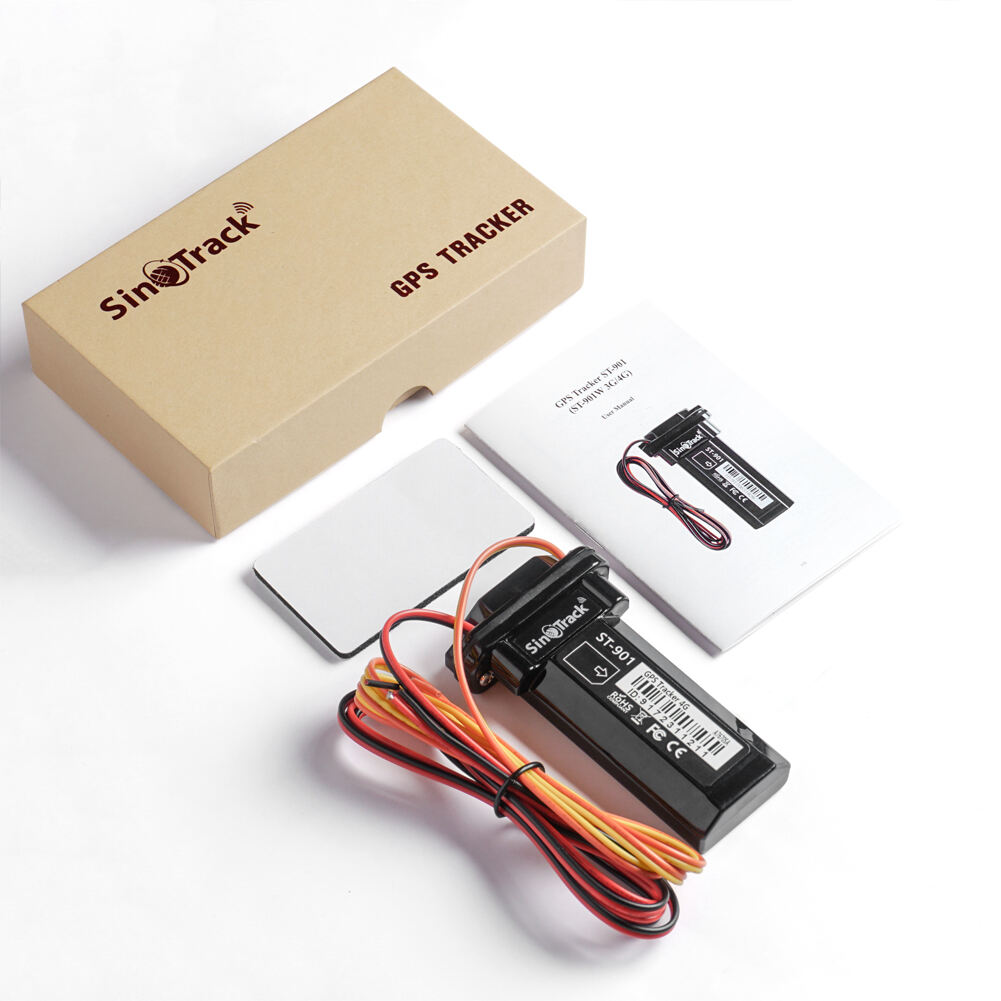
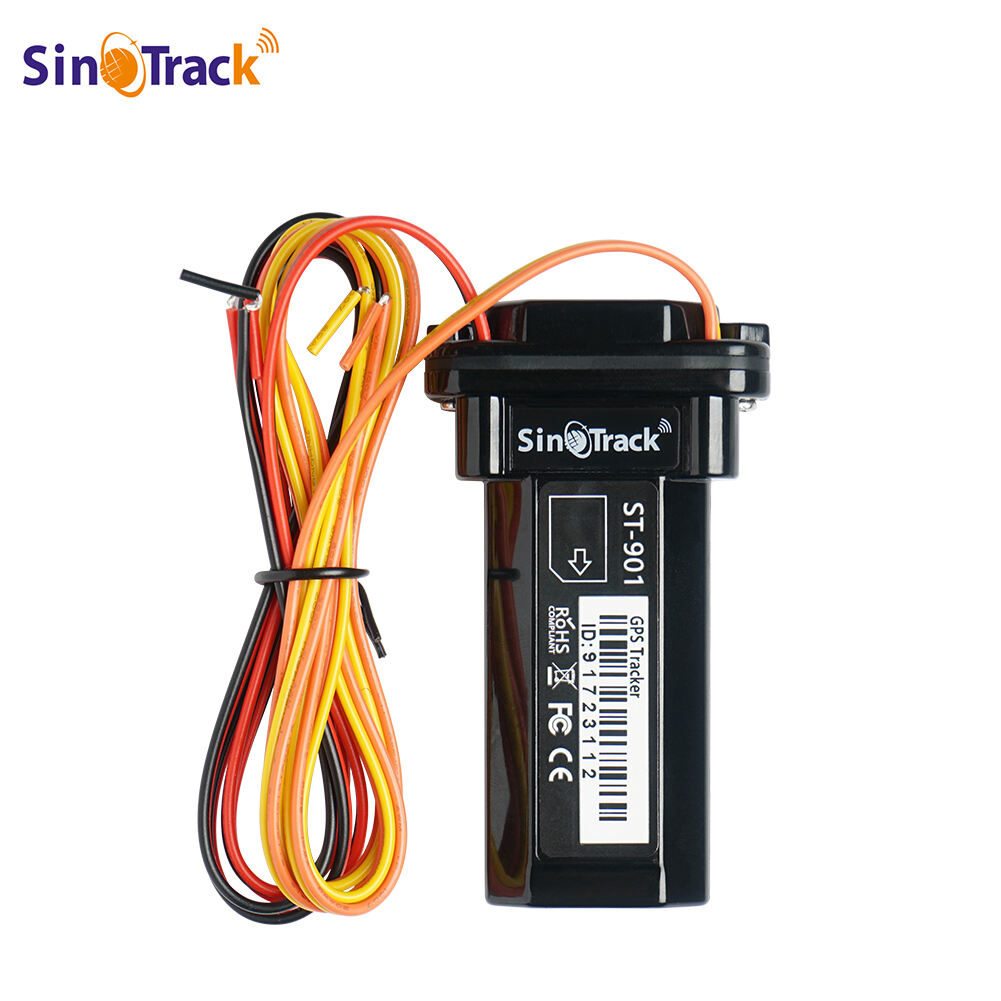
Mini gps tracker devices for motorcycles typically fall into two power categories: hardwired units that draw power from the motorcycle's battery and standalone units with their own internal battery. Hardwired models offer continuous operation without the need for recharging, making them ideal for permanent installation and always-on monitoring. The SinoTrack ST-901, for example, uses a 4-pin wiring configuration that connects directly to the motorcycle's electrical system, enabling constant power and ignition-triggered alerts.
Battery-powered mini gps tracker models offer more flexibility in placement since they do not require access to the bike's wiring harness, but they require periodic recharging or battery replacement. For motorcycles used daily, hardwired power is generally the more reliable and lower-maintenance choice. For seasonal or occasional-use bikes, a battery-backed mini gps tracker with long standby life may be preferable.
Understanding your usage pattern before choosing a power configuration helps ensure the device actually performs when you need it most. A mini gps tracker that loses power before you realize your bike has been moved provides no protection at all.
Geofencing and Motion Alert Functions
Geofencing allows you to define a virtual boundary around a location — your garage, parking lot, or workplace — and receive an immediate alert when the mini gps tracker leaves that zone. This is one of the most practically effective security features available in 2025 devices because it detects unauthorized movement even before a theft is visually noticed. Setting up a tight geofence around your usual parking area effectively turns the mini gps tracker into an automated alarm system.
Motion sensors in advanced mini gps tracker models go one step further by detecting vibration or tilt events. If someone attempts to load your motorcycle onto a vehicle or physically moves it without starting the engine, the tracker fires an alert. This capability closes a gap that ignition-based alerts cannot cover and is increasingly standard in quality devices aimed at motorcycle security.
Installation Guidance for Motorcycle GPS Trackers
Choosing the Right Mounting Location
The installation location of a mini gps tracker on a motorcycle has a direct impact on both GPS signal quality and tamper resistance. Positions that offer good sky visibility — away from thick metal panels or engine components — provide better signal accuracy, while locations inside plastic fairings often work well because they are both concealed and signal-permeable. The goal is to find the intersection of strong GPS reception and low visual detectability.
Common installation locations for a mini gps tracker on motorcycles include under the seat near the battery, inside the tail fairing, within the headlight housing on compatible models, or tucked into the frame's internal channels. Each location has trade-offs in terms of wiring access, signal strength, and weather protection. A waterproof or water-resistant mini gps tracker is strongly recommended for any exterior or semi-exposed mounting position.
Proper cable management is equally important. Loose or visible wiring can alert a knowledgeable thief that a tracker is installed, defeating the purpose of the device entirely. Routing wiring along existing harness paths and using cable ties or protective sleeves maintains the concealed installation that makes a mini gps tracker truly effective.
Professional vs. DIY Installation Considerations
Many mini gps tracker models designed for motorcycles are built for accessible DIY installation, with color-coded wiring diagrams and straightforward connector systems. A basic understanding of motorcycle electronics is usually sufficient for hardwired models. The 4-pin connection used on popular devices like the ST-901 involves connections to positive power, ground, and ignition detect wires — all of which are accessible in the seat or under-tail area on most motorcycles.
For riders who are not comfortable working with their bike's electrical system, professional installation by a motorcycle accessory shop or auto electrician is a worthwhile investment. Incorrect wiring can cause electrical faults or compromise the tracker's operation. Regardless of whether installation is DIY or professional, testing the mini gps tracker thoroughly before relying on it is essential — verify that position updates appear correctly in the app and that alerts fire as expected.
How to Evaluate Tracking Platforms and App Quality
Platform Accessibility and Data Visibility
The hardware performance of a mini gps tracker is only as useful as the software platform that delivers its data to the user. In 2025, most quality mini gps tracker devices come paired with a dedicated mobile app or web-based tracking platform that displays live location, route history, speed data, and alert logs. Evaluating the quality and reliability of this platform is just as important as evaluating the hardware itself.
A good tracking platform for a mini gps tracker should offer intuitive map navigation, customizable alert settings, clear route playback for historical trips, and stable notification delivery. Platforms that frequently crash, suffer server outages, or require complex setup procedures reduce the practical value of an otherwise capable device. User experience on the tracking app directly affects whether riders actually use and trust the system.
Subscription Costs and Long-Term Ownership Value
Most mini gps tracker devices in the motorcycle segment require a SIM card and either a monthly service fee or a pay-as-you-go data plan to transmit location data over cellular networks. When comparing devices, the total cost of ownership — hardware plus ongoing service costs over two to three years — should factor into the purchase decision, not just the upfront device price.
Some platforms offer lifetime service fees or one-time platform access charges, which can significantly lower the long-term cost of operating a mini gps tracker. Others use monthly subscription models with varying tiers based on update frequency or number of devices. Understanding these cost structures before purchase prevents unexpected expenses after installation and ensures the service remains active when it is needed most.
For fleet operators managing multiple mini gps tracker units across a motorcycle fleet, scalable pricing models and centralized multi-device dashboards become critical considerations. The ability to manage geofence rules, alert preferences, and reporting schedules across many devices from a single interface dramatically reduces administrative overhead.
FAQ
What is the difference between a mini gps tracker and a standard GPS tracker for motorcycles?
A mini gps tracker is specifically designed with a compact form factor that allows it to be concealed within tight spaces on a motorcycle, such as inside fairings or under the seat. Standard GPS trackers may offer similar features but in larger housings that are harder to hide. On motorcycles, where space and concealment are critical for security, the mini gps tracker format offers a practical advantage that larger devices cannot match.
How accurate is a mini gps tracker in urban environments with tall buildings?
Modern mini gps tracker devices use a combination of GPS, GLONASS, and in some cases Beidou satellite systems, along with cellular network triangulation, to improve accuracy in environments where satellite signals may be obstructed. In typical urban conditions, a quality mini gps tracker can achieve accuracy within 5 to 15 meters. Very dense urban canyons may temporarily reduce accuracy, but the device usually recovers a strong signal fix once the motorcycle moves to a more open area.
Can a mini gps tracker drain my motorcycle's battery if left connected?
A hardwired mini gps tracker draws a small amount of standby current even when the motorcycle is parked. Most quality devices consume very little power in sleep mode, typically just a few milliamps, which has a negligible impact on a healthy motorcycle battery over short periods. However, if the motorcycle sits unused for several weeks, the cumulative standby drain can become noticeable. Choosing a mini gps tracker with a low-power sleep mode and a programmable deep-sleep schedule helps minimize this risk for seasonally used bikes.
Is it difficult to configure geofence alerts on a mini gps tracker?
On most modern mini gps tracker platforms, setting up a geofence is a straightforward process done directly through the mobile app or web portal. Users typically draw a boundary on a map, set an entry or exit trigger condition, and specify how they want to receive the alert — usually via push notification, SMS, or email. The process takes only a few minutes and does not require any technical expertise. Most mini gps tracker products aimed at motorcycle users include step-by-step geofence setup instructions in their documentation or app interface.
Table of Contents
- Why a Mini GPS Tracker Is the Right Choice for Motorcycles
- Key Features to Evaluate in a 2025 Motorcycle GPS Tracker
- Installation Guidance for Motorcycle GPS Trackers
- How to Evaluate Tracking Platforms and App Quality
-
FAQ
- What is the difference between a mini gps tracker and a standard GPS tracker for motorcycles?
- How accurate is a mini gps tracker in urban environments with tall buildings?
- Can a mini gps tracker drain my motorcycle's battery if left connected?
- Is it difficult to configure geofence alerts on a mini gps tracker?