
 EN
EN
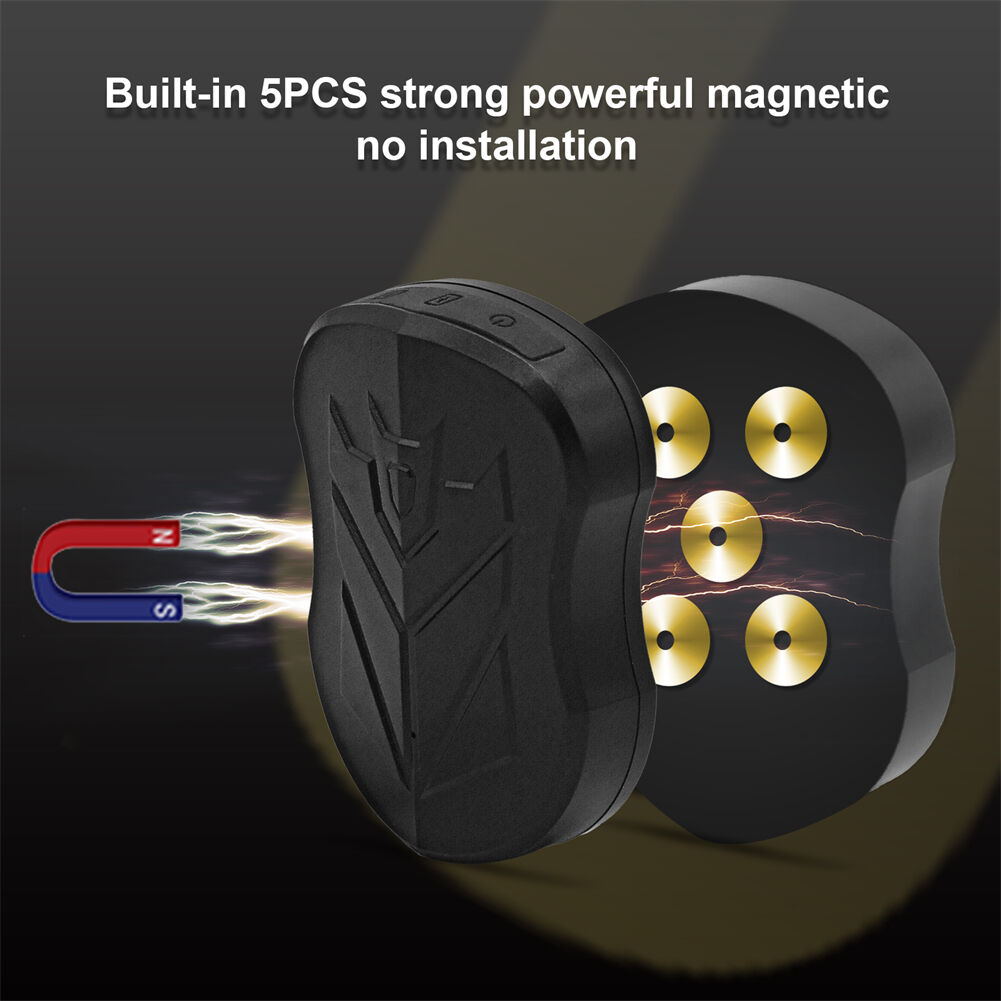
Finding a reliable 4g gps tracker without spending a fortune has become entirely achievable in 2025. The market has matured significantly, and the price threshold for capable, network-connected tracking devices has dropped well below $50 — making real-time vehicle and asset tracking accessible for individuals, small business owners, and fleet managers alike. Whether you need to monitor a motorcycle, a car, or valuable equipment, an affordable 4g gps tracker can now deliver performance that once cost several times more.
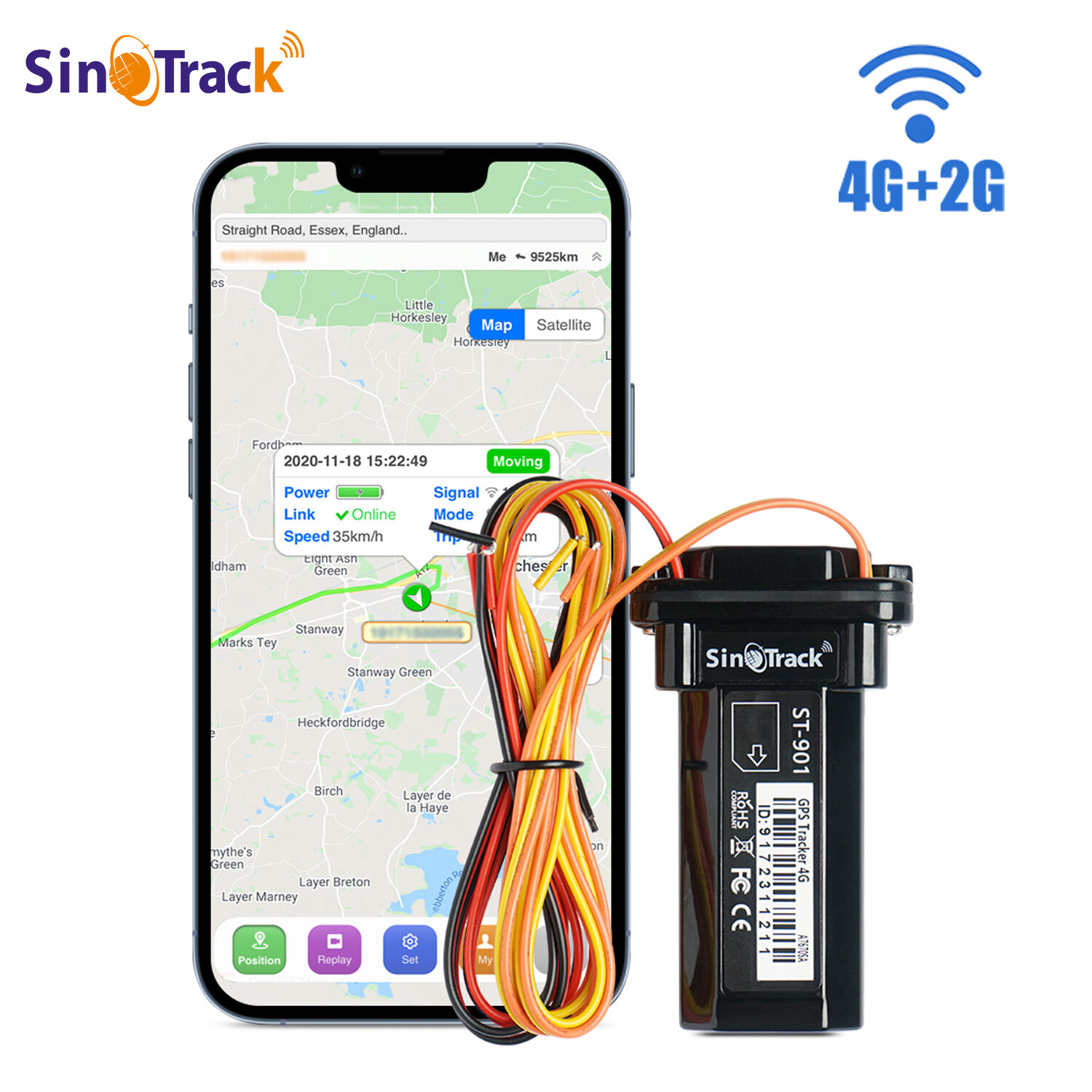
This article explores exactly what you can expect from a 4g gps tracker priced under $50 in 2025, the key features to look for, the practical use cases that benefit most, and the smart buying considerations that separate a good deal from a poor investment. If you are ready to protect your vehicle or assets without overpaying, understanding what today's budget-friendly 4g gps tracker options truly offer is the best place to start.
Why a 4G GPS Tracker Makes Sense in 2025
The Shift from 2G and 3G to 4G Networks
Across much of the world, older 2G and 3G cellular networks have been sunset or are being phased out rapidly. This shift has been a major driver pushing consumers and businesses toward the 4g gps tracker as the new standard. A device running on a 4G LTE network benefits from faster data transmission, more reliable connections, and broader geographic coverage in areas where older networks no longer operate.
For real-time tracking purposes, the difference between 2G and 4G connectivity is substantial. A 4g gps tracker can push location updates at much shorter intervals and maintain a stable connection even in congested urban environments. This translates to more accurate position histories and fewer gaps in tracking data — features that matter greatly when monitoring a moving vehicle or time-sensitive asset.
Purchasing a 4g gps tracker in 2025 also means future-proofing your investment. With 4G infrastructure firmly established and 5G still rolling out gradually in many regions, a quality 4g gps tracker will remain compatible with active networks for years without requiring an upgrade.
Affordability Without Sacrificing Core Features
The sub-$50 price point for a 4g gps tracker was nearly unimaginable just a few years ago. Hardware manufacturing efficiencies, competitive supply chains, and simplified software platforms have combined to bring down costs dramatically. Today, a 4g gps tracker under $50 can realistically include real-time location updates, geofence alerts, remote shutdown capabilities, and SOS emergency features.
It is important to set accurate expectations, however. Budget-friendly devices may use smaller internal batteries, offer fewer mounting options, or rely on third-party tracking platforms rather than proprietary apps. Understanding these trade-offs before purchasing ensures satisfaction with the final product. The core tracking mission — knowing where your vehicle is at all times — is fully achievable at this price range.
Key Features to Look for in a Budget 4G GPS Tracker
Real-Time Location Accuracy and Update Frequency
The most critical function of any 4g gps tracker is delivering accurate, timely location data. When evaluating affordable options, pay close attention to the update interval — how often the device reports its position to the server. A quality 4g gps tracker should be capable of reporting at intervals as short as 10 to 30 seconds when moving, providing a smooth and reliable tracking trail rather than a series of disconnected dots.
GPS accuracy is typically measured in meters, and modern 4g gps tracker hardware using GNSS chipsets can achieve positioning accuracy of around 5 to 15 meters under open sky conditions. This level of precision is sufficient for vehicle tracking in most real-world scenarios, including urban navigation, theft recovery assistance, and fleet monitoring.
Some affordable 4g gps tracker models also incorporate LBS (Location-Based Service) positioning as a fallback when GPS signals are weak — for example, inside parking garages or in dense urban canyons. This hybrid approach helps maintain continuous awareness of your asset's location even in challenging environments.
Geofencing and Alert Capabilities
A well-designed 4g gps tracker under $50 should support geofence alerts, which notify you when a tracked vehicle enters or exits a predefined geographic boundary. This feature is especially valuable for parents monitoring young drivers, businesses tracking delivery vehicles, or owners protecting motorcycles from unauthorized movement. Setting up a geofence is typically done through the companion mobile app or web platform.
Beyond geofencing, look for a 4g gps tracker that offers speed alerts, low battery notifications, and SOS emergency buttons. These features add meaningful safety and security value beyond basic location reporting. An overspeed alert, for instance, can help fleet managers promote safer driving habits without requiring constant manual monitoring.
Power-cut alerts are another often-overlooked feature worth seeking in a 4g gps tracker. If someone tampers with the device by cutting power to it, a notification is sent immediately — a particularly useful anti-theft measure for vehicle installations.
Installation Simplicity and Form Factor
Compact form factors are a hallmark of modern budget 4g gps tracker devices. Smaller units are easier to hide within a vehicle, reducing the risk of removal by a thief who might search for tracking devices. Devices like mini GPS trackers are designed to be installed discretely behind dashboards, under seats, or within motorcycle fairings with minimal effort.
Wired installation — connecting directly to the vehicle's power supply — is common in sub-$50 4g gps tracker models and has the advantage of eliminating battery charging concerns. A hardwired 4g gps tracker draws continuous power from the vehicle, ensuring it is always active without requiring the owner to remember recharging cycles.
Top Use Cases for an Affordable 4G GPS Tracker
Motorcycle and Scooter Tracking
Motorcycles and scooters face a disproportionately high theft risk compared to automobiles, and their compact size makes discreet installation of a 4g gps tracker particularly practical. A mini 4g gps tracker can be tucked into a fairing, under the seat, or within the frame without affecting aesthetics or adding visible bulk. In the event of theft, real-time tracking data can assist authorities in recovering the vehicle quickly.
For daily commuters and ride-sharing operators managing small fleets of scooters, an affordable 4g gps tracker provides operational awareness that would otherwise require expensive fleet management systems. Knowing where each vehicle is at any given moment supports efficient scheduling and reduces the risk of unauthorized use.
Personal Vehicle Protection
Car owners increasingly install a 4g gps tracker as a secondary security layer supplementing factory alarm systems. While modern vehicles come equipped with immobilizers and alarms, a hidden 4g gps tracker adds the ability to actively locate a stolen car in real time rather than simply hoping the alarm deters the thief. Insurance companies in some regions even recognize GPS tracking as a qualifying security measure for premium discounts.
Family use is another strong driver for personal vehicle tracking. Parents with new drivers in the household can use a 4g gps tracker to monitor route compliance, check arrival times, and receive speeding alerts — all through a smartphone app. This is a practical, non-invasive safety tool that provides peace of mind without requiring constant phone calls.
Small Business Fleet and Asset Monitoring
Small businesses operating even a handful of vehicles can benefit enormously from installing a 4g gps tracker in each unit. Delivery vans, service vehicles, and equipment trailers all represent significant capital investments that benefit from location visibility. At under $50 per unit, equipping a small fleet of five to ten vehicles becomes a manageable upfront cost rather than a budget-breaking enterprise.
Beyond vehicles, a 4g gps tracker can be attached to high-value equipment such as generators, compressors, or trailers that move between job sites. Construction and service companies frequently experience equipment loss or unauthorized relocation — problems that a properly installed 4g gps tracker directly addresses by enabling immediate location verification.
Evaluating Value: What Under $50 Realistically Buys You
Hardware Quality and Durability Expectations
A 4g gps tracker priced under $50 will generally use mid-range hardware components rather than premium-grade materials. This means the casing may be less ruggedized than industrial-grade devices, and waterproofing ratings — if present — may be limited to splash resistance rather than full submersion protection. For typical vehicle installations in protected locations, this is rarely a practical limitation.
Battery capacity in budget 4g gps tracker models is usually modest when the unit is designed for hardwired operation, since an internal battery primarily serves as backup power during disconnection events. If a self-contained portable 4g gps tracker with extended standby time is the goal, pricing may need to stretch slightly above the $50 mark for devices with larger internal batteries.
Platform Costs and Ongoing Subscription Fees
One critical consideration when purchasing a 4g gps tracker is the total cost of ownership beyond the hardware price. Most real-time tracking devices require an active SIM card with a data plan, and some platforms charge monthly service fees for access to their tracking portals or mobile apps. These recurring costs should be factored into any budget assessment alongside the upfront device cost.
Many sub-$50 4g gps tracker options support standard SIM cards, giving buyers the freedom to choose a local carrier plan with favorable data rates. Some manufacturers offer their own SIM or data packages, which can be convenient but should be evaluated against local carrier pricing to ensure cost-effectiveness over a 12-month period.
Platforms that offer free web and app access with no mandatory subscription fees represent excellent long-term value for budget-conscious buyers. When comparing 4g gps tracker options, always investigate the full software cost alongside the hardware price to make a truly informed decision.
FAQ
Does a 4G GPS tracker under $50 work in all countries?
Most affordable 4g gps tracker devices support standard 4G LTE frequency bands, but coverage depends on whether local carriers in your country operate on compatible bands. Before purchasing, confirm the device's supported frequency bands match those used by your regional carrier. Many budget 4g gps tracker models are designed for global compatibility and support multiple LTE bands, but it is always worth verifying this specification before ordering.
How often does a 4G GPS tracker update its location?
The update frequency of a 4g gps tracker varies by model and platform settings. Most devices allow customizable reporting intervals ranging from every 10 seconds to several minutes. More frequent updates consume more data and may drain backup batteries faster, so the optimal interval balances real-time awareness with resource efficiency. For vehicle tracking, an update every 15 to 30 seconds is generally considered the practical standard.
Is installation of a 4G GPS tracker difficult for non-technical users?
Most compact 4g gps tracker devices designed for vehicles are engineered for straightforward installation. Hardwired models typically connect to three wires — power, ground, and ignition — which can be done with basic tools and the vehicle's wiring diagram. Plug-and-play OBD-port models are even simpler, requiring no wiring at all. Manufacturers generally provide detailed installation guides, and the process is accessible to most users without professional help.
What is the difference between a 4G GPS tracker and older 2G models?
The primary difference is network compatibility and performance. A 4g gps tracker connects via 4G LTE networks, offering faster data speeds, more reliable connectivity, and compatibility with currently active cellular infrastructure. Older 2G models operate on networks that have already been decommissioned in many countries, meaning they may no longer function at all in those regions. Choosing a 4g gps tracker ensures long-term usability and access to modern platform features that rely on faster data transmission.