
 EN
EN
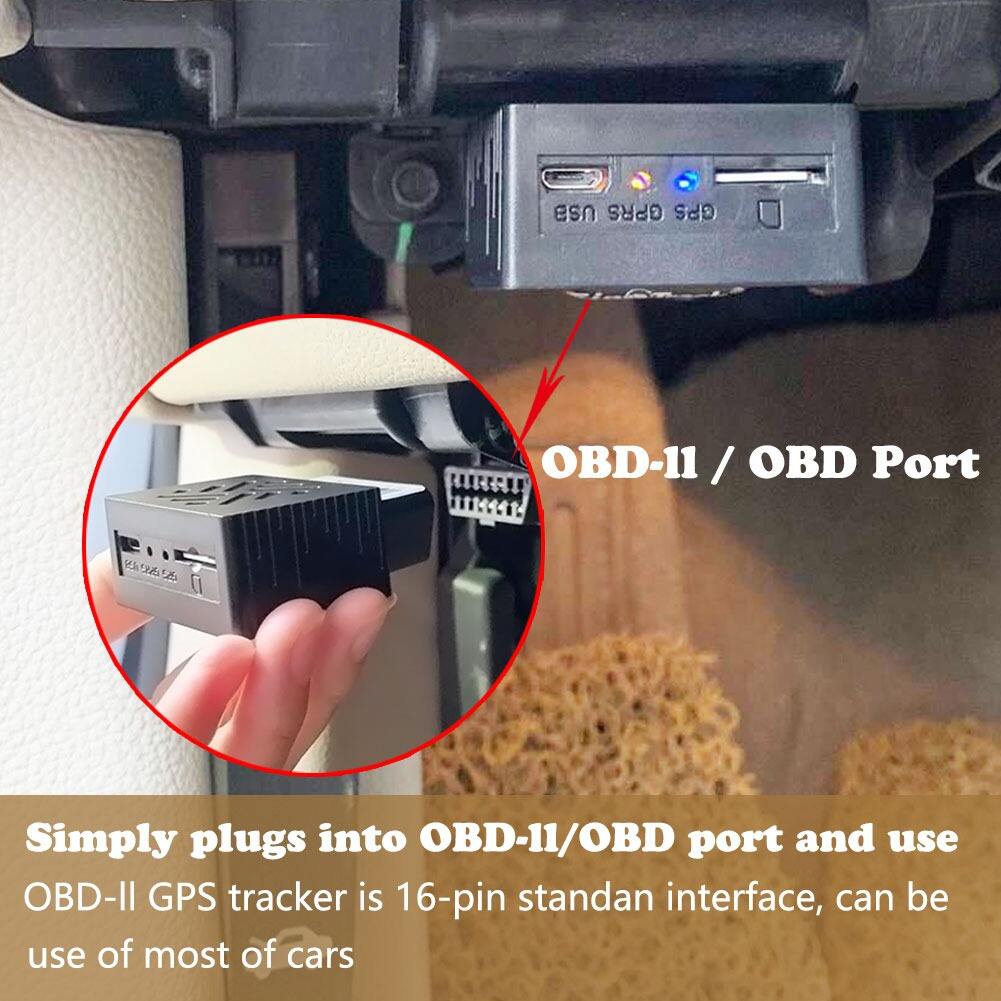
Motorcycle theft is a persistent and costly problem for riders, fleet operators, and logistics businesses worldwide. Whether you own a single commuter bike or manage a fleet of delivery motorcycles, protecting your assets requires more than a physical lock. A mini gps tracker has become one of the most effective and widely adopted security tools available today, offering real-time location data, remote alerts, and covert installation that thieves cannot easily detect or disable.
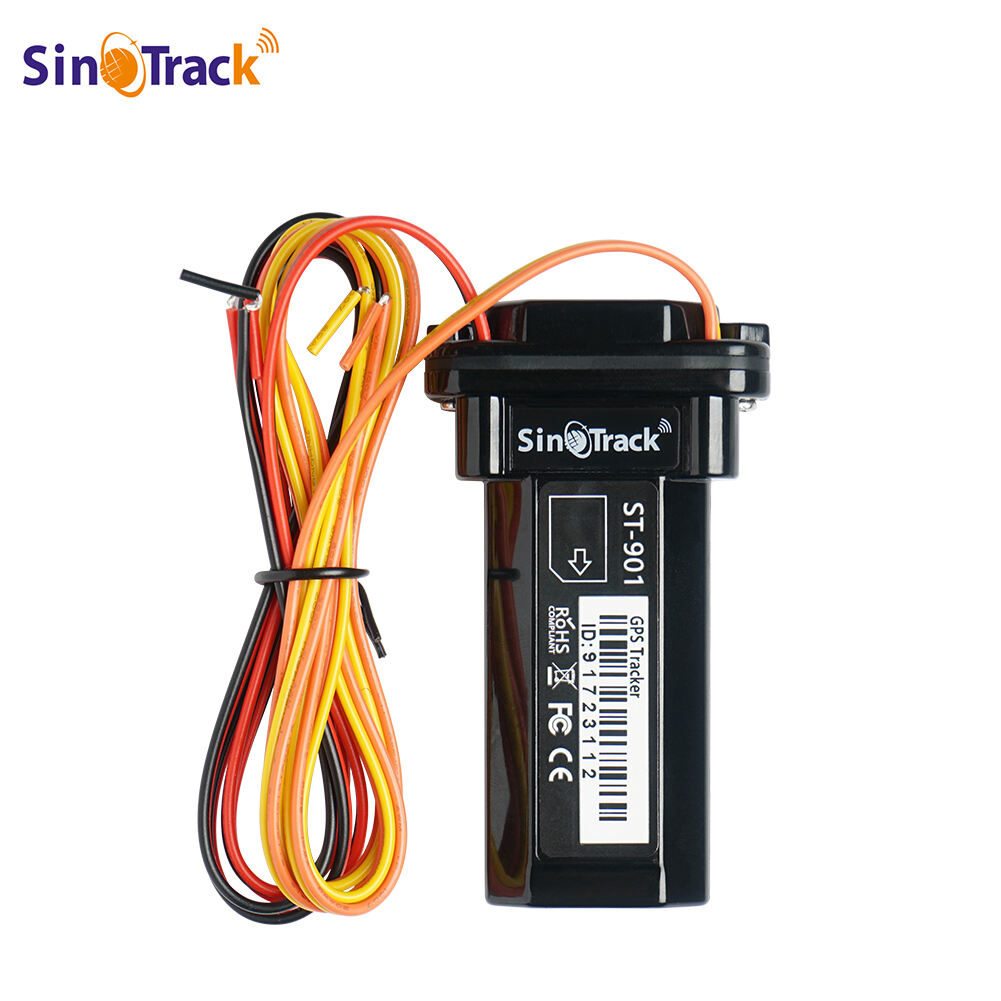
This article explores the top security solutions built around GPS tracker technology for motorcycles, explaining what makes each approach effective, how a mini gps tracker fits into a broader security strategy, and what features matter most when selecting the right device for your specific needs. From covert placement to geofence alerts and SOS functions, understanding these solutions helps you make a smarter, more informed decision about protecting your motorcycle investment.
Why a Mini GPS Tracker Is Central to Motorcycle Security
The Limitations of Traditional Security Measures
Physical security measures such as disc locks, chain locks, and handlebar clamps are valuable deterrents, but they have a fundamental weakness: once a thief bypasses them, your motorcycle is gone with no way to track its location. Alarm systems can draw attention, but in busy urban environments, most bystanders ignore triggered alarms. These tools are reactive at best and offer no recovery capability once a theft has occurred.
A mini gps tracker changes the equation entirely by adding an active, real-time intelligence layer to your security setup. Even if a thief successfully moves your motorcycle, the device continues transmitting location data to your smartphone or monitoring platform. This transforms a theft event from a total loss into a recoverable situation, giving law enforcement actionable data to act on quickly.
The compact size of a modern mini gps tracker is a critical advantage. Devices small enough to be hidden inside fairings, under seats, or within the frame are extremely difficult for thieves to locate and remove, especially under time pressure. This covert capability is what separates GPS-based security from visible deterrents that can be neutralized.
How Real-Time Tracking Supports Recovery and Prevention
Real-time tracking means the mini gps tracker reports its position at regular intervals, often every few seconds to every minute depending on configuration. This continuous data stream allows the owner or a monitoring center to follow the motorcycle's movement on a live map. When combined with mobile alerts, the owner is notified the moment the bike moves outside a defined zone, enabling an immediate response.
Recovery rates for stolen motorcycles equipped with a mini gps tracker are significantly higher than for unequipped bikes. Police units in many regions have dedicated vehicle recovery teams that rely on GPS data to intercept stolen vehicles before they are stripped or exported. The speed of response is directly tied to how quickly the owner receives an alert and shares location data with authorities.
Beyond theft recovery, real-time tracking also supports preventive behavior. Fleet managers can monitor whether riders are staying on approved routes, and individual owners can verify their motorcycle has not been moved while parked overnight. This dual function — prevention and recovery — makes the mini gps tracker a foundational element of any serious motorcycle security plan.
Key Security Solutions Built Around a Mini GPS Tracker
Geofence Alerting for Boundary-Based Protection
Geofencing is one of the most practical security features available in a mini gps tracker system. The owner defines a virtual boundary around a parking location, garage, or permitted riding zone. If the motorcycle crosses that boundary without authorization, the system immediately sends an alert via SMS or app notification. This is particularly useful for overnight parking situations where any movement is inherently suspicious.
For fleet operators, geofencing serves a dual purpose. It protects against theft while also enforcing operational boundaries for riders. A delivery company, for example, can set geofences around approved service zones and receive alerts if a motorcycle deviates from its assigned area. The mini gps tracker thus becomes both a security tool and an operational management asset.
Modern geofence configurations allow multiple zones with different rules, time-based activation, and sensitivity adjustments to reduce false alerts caused by GPS drift. This level of control makes geofencing a reliable and low-maintenance security layer that works continuously in the background without requiring active monitoring from the owner.
Covert Installation for Anti-Tamper Protection
The effectiveness of a mini gps tracker depends heavily on whether a thief can find and remove it. Covert installation — placing the device in a hidden, non-obvious location — is therefore one of the most important security practices associated with GPS tracking. Common hidden locations include inside the headlight housing, beneath the fuel tank, within the tail section, or integrated into the wiring harness area.
A well-installed mini gps tracker should be wired directly to the motorcycle's power supply rather than relying solely on an internal battery. This ensures continuous operation without the need for periodic recharging, which would require accessing and exposing the device. Hardwired installation also allows the tracker to draw power only when the ignition is on, or to maintain a low-power standby mode when the bike is parked.
Some advanced mini gps tracker models include tamper detection alerts that notify the owner if the device is disconnected or if the power supply is interrupted. This adds another layer of protection, as any attempt to locate and remove the tracker triggers an immediate alert before the thief can complete the action.
SOS and Emergency Alert Functions
Beyond theft protection, a mini gps tracker with SOS functionality provides personal safety benefits for the rider. In the event of an accident or emergency, the rider can trigger an SOS alert that sends the current GPS coordinates to pre-configured emergency contacts or a monitoring center. This is especially valuable for solo riders traveling in remote areas where mobile coverage may be limited.
Some mini gps tracker models include automatic crash detection using built-in accelerometers. If the device detects a sudden impact or abnormal movement pattern consistent with a collision, it automatically sends an alert without requiring any action from the rider. This passive safety feature can be critical in situations where the rider is incapacitated and unable to call for help.
For commercial motorcycle operators, SOS functionality also serves a liability and duty-of-care purpose. Employers can demonstrate that they have taken reasonable steps to protect rider safety, which is increasingly important in regulated industries. The mini gps tracker thus extends its value well beyond asset protection into the domain of workforce safety management.
Evaluating Mini GPS Tracker Features for Motorcycle Use
Size, Form Factor, and Mounting Compatibility
Motorcycles present unique installation challenges compared to cars or trucks. The available space for hiding a mini gps tracker is more limited, and the device must withstand vibration, temperature extremes, moisture, and road debris. Selecting a device with an appropriate IP rating for water and dust resistance is essential for reliable long-term performance in outdoor conditions.
The physical dimensions of the mini gps tracker matter significantly for covert installation. Devices with a compact, flat profile are easier to tuck into tight spaces within the motorcycle's bodywork. Some models are specifically designed for two-wheel vehicles and include mounting brackets or adhesive options suited to curved surfaces and confined compartments.
Weight is also a consideration, particularly for performance motorcycles where balance and handling are sensitive to added mass. A quality mini gps tracker designed for motorcycle use typically weighs less than 50 grams, making it negligible in terms of impact on the bike's dynamics. Choosing a purpose-designed device rather than a generic automotive tracker ensures better fit, reliability, and installation outcomes.
Network Connectivity and Platform Compatibility
A mini gps tracker relies on cellular networks to transmit location data, which means network compatibility is a critical selection factor. Most modern devices support 2G or 4G LTE connectivity, with 4G offering faster data transmission and better performance in dense urban environments. It is important to verify that the chosen device supports the cellular bands used by carriers in your region.
The tracking platform — the software interface used to view location data and manage alerts — is equally important. A well-designed platform should offer a clear map interface, historical route playback, alert configuration, and multi-device management for fleet users. Compatibility with both iOS and Android mobile apps ensures that the owner can access tracking data from any device at any time.
Some mini gps tracker systems also support integration with third-party fleet management software via API, which is valuable for businesses that need to consolidate tracking data across multiple vehicle types. Evaluating platform capabilities alongside hardware specifications ensures that the chosen solution meets both current and future operational requirements.
Integrating a Mini GPS Tracker Into a Layered Security Strategy
Combining GPS Tracking With Physical Deterrents
The most effective motorcycle security strategies use multiple layers of protection rather than relying on any single solution. A mini gps tracker works best when combined with physical deterrents that slow down or discourage theft attempts. A disc lock or ground anchor forces a thief to spend more time at the scene, increasing the risk of detection and giving the GPS system more time to generate and transmit alerts.
Visible deterrents such as steering locks and alarm systems serve a complementary role by targeting opportunistic thieves who prefer easy targets. When a motorcycle appears well-protected on the surface, many thieves will move on to a less secured target. The mini gps tracker then serves as the hidden backstop for more determined criminals who proceed despite visible deterrents.
This layered approach — visible deterrence plus covert tracking — addresses the full spectrum of theft risk. It reduces the probability of an attempt while maximizing the probability of recovery if an attempt succeeds. For high-value motorcycles or fleet assets, this combination represents the current best practice in motorcycle security management.
Using Historical Data for Risk Assessment and Insurance
A mini gps tracker generates a continuous record of the motorcycle's location history, which has value beyond immediate security applications. This historical data can be used to identify patterns such as high-risk parking locations, unusual overnight movements, or routes that pass through areas with elevated theft rates. Over time, this intelligence supports smarter decisions about where and how to park the motorcycle.
Insurance companies in many markets now offer premium discounts for motorcycles equipped with approved GPS tracking devices. The presence of a mini gps tracker reduces the insurer's risk exposure by improving recovery rates and deterring theft. Providing documentation of the installed tracking system to your insurer can result in meaningful cost savings that partially offset the device's purchase and subscription costs.
For fleet operators, historical GPS data also supports maintenance scheduling, mileage verification, and driver behavior analysis. The mini gps tracker thus delivers a return on investment that extends well beyond its primary security function, making it a cost-effective tool for any business that depends on motorcycle assets for its operations.
FAQ
How small is a typical mini gps tracker designed for motorcycles?
Most mini gps tracker devices designed for motorcycle use measure between 50mm and 80mm in their longest dimension and weigh under 50 grams. This compact form factor allows them to be concealed within fairings, under seats, or inside the frame without requiring significant modification to the motorcycle. The small size is a deliberate design feature that supports covert installation and reduces the risk of detection by thieves.
Does a mini gps tracker require a monthly subscription to function?
Most mini gps tracker systems require a SIM card and a data plan to transmit location information over cellular networks. Some providers bundle the SIM and data service into a monthly subscription, while others allow the user to source their own SIM from a local carrier. The ongoing cost is typically modest, and many users find that the security and recovery benefits, combined with potential insurance savings, make the subscription cost well justified.
Can a mini gps tracker be detected and removed by a thief?
A professionally installed mini gps tracker that is hidden within the motorcycle's bodywork or wiring is very difficult for a thief to locate, especially under the time pressure of a theft situation. Thieves who are aware of GPS tracking may use signal jammers, but many modern devices include jamming detection alerts that notify the owner when interference is detected. Choosing a device with tamper alerts and installing it in a non-obvious location significantly reduces the risk of removal.
Is a mini gps tracker suitable for both personal motorcycles and commercial fleets?
Yes, a mini gps tracker is well-suited to both individual and commercial applications. For personal use, it provides theft protection, recovery capability, and rider safety features. For commercial fleets, it adds route monitoring, geofence enforcement, historical data reporting, and multi-device management through a centralized platform. The scalability of modern GPS tracking systems means the same core technology serves both a single motorcycle owner and a business managing dozens of vehicles.