 EN
EN
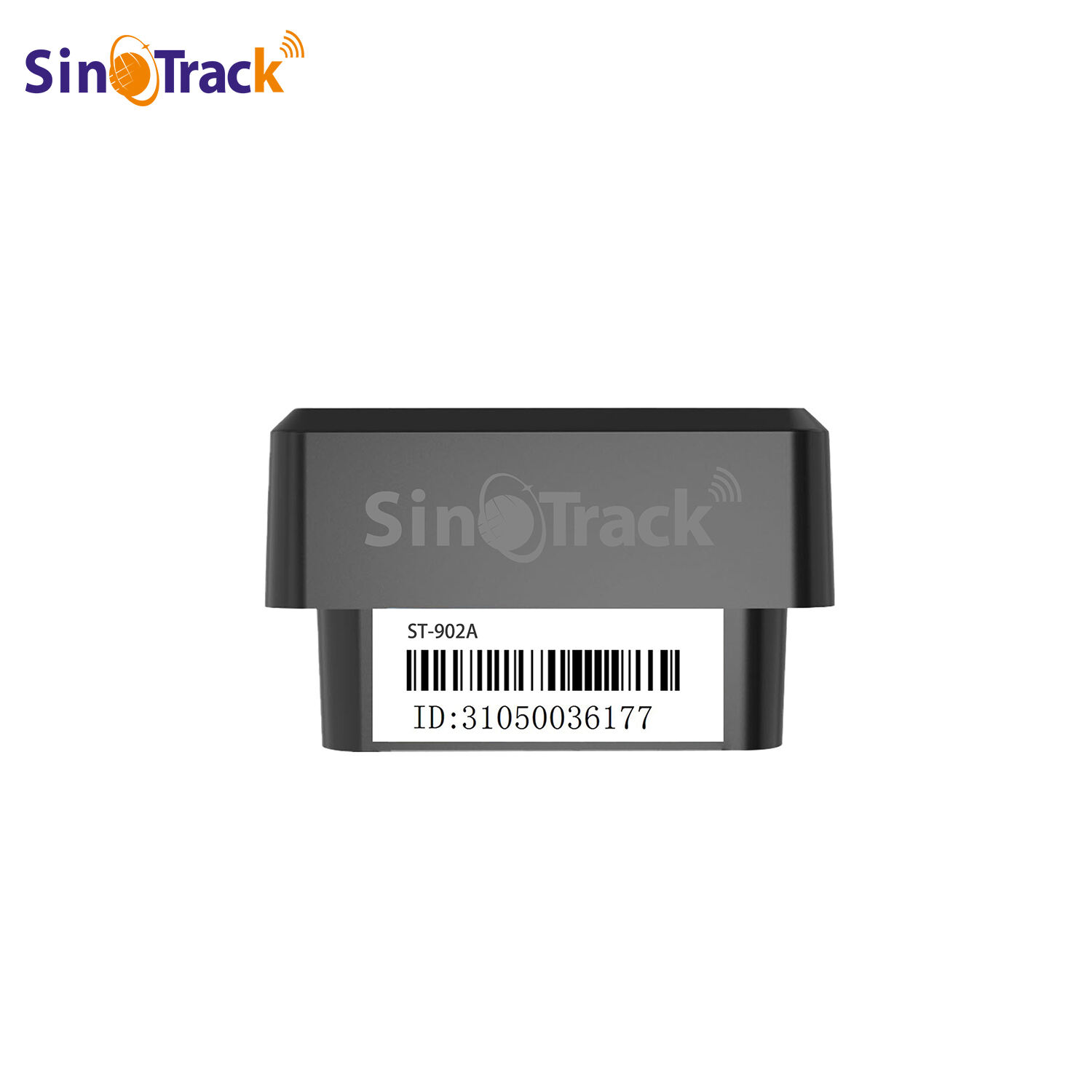
When evaluating a car gps tracker for motorcycles, buyers often discover that the technology behind these devices is far more versatile than its name suggests. A car gps tracker is not limited to four-wheeled vehicles — it has become one of the most relied-upon tools for motorcycle fleet managers, independent riders, and logistics operators who need precise, real-time location data on two-wheeled assets. Understanding what features matter and how pricing is structured will help you make a far more informed purchasing decision.
The market for motorcycle GPS tracking has expanded significantly over the past several years. Whether you operate a delivery fleet, manage rental motorcycles, or simply want to protect a personal bike, a capable car gps tracker offers critical functionality such as real-time positioning, geofence alerts, engine cut-off, and historical route playback. This article breaks down the core features you should look for and explains the pricing tiers available so you can compare options with confidence and clarity.
What Makes a Car GPS Tracker Suitable for Motorcycles
Compact Design and Waterproof Construction
Motorcycles present a unique installation challenge compared to cars. There is far less enclosed space for hardware, and the device is exposed to rain, dust, and vibration on a daily basis. A quality car gps tracker designed for motorcycle use must be compact enough to fit discreetly behind panels or under seats while still maintaining a robust build quality. IP65 or higher waterproof ratings are standard expectations in this category.
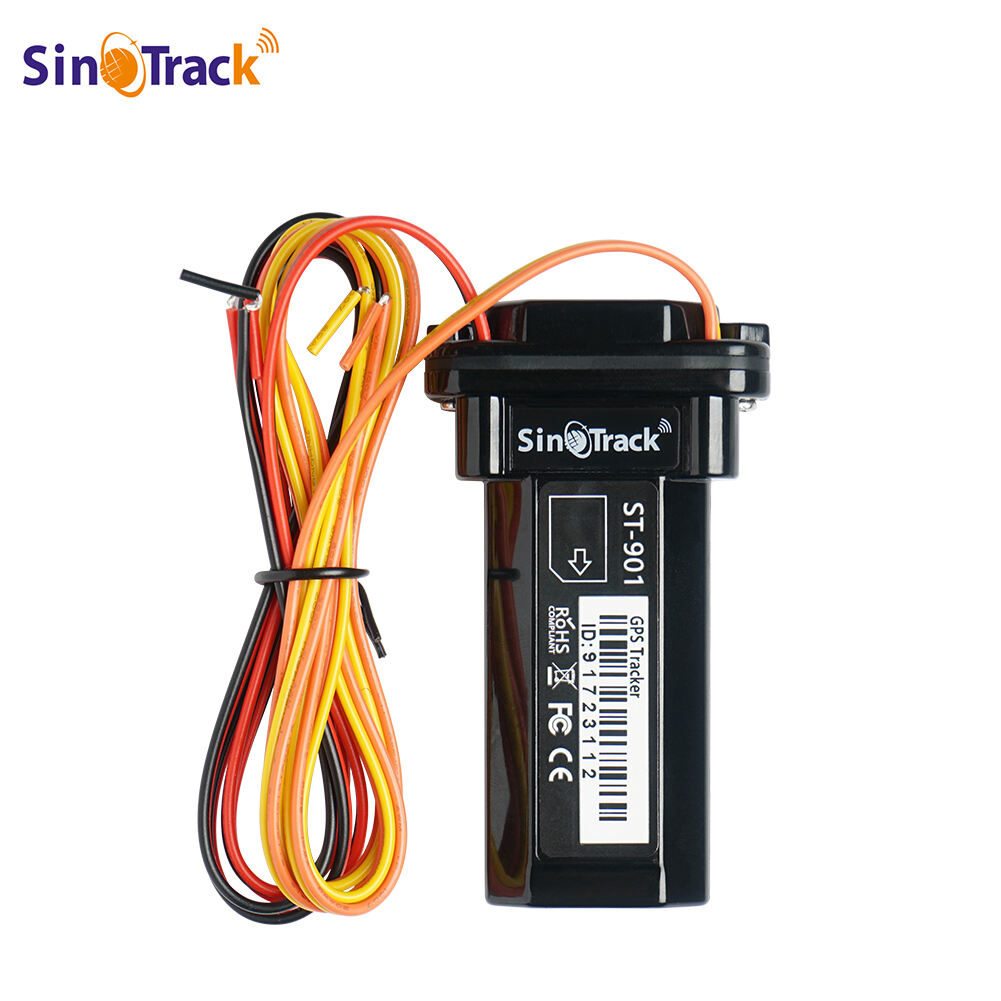
The physical size of the tracker matters considerably when mounting on a motorcycle. Devices shaped in slim, rectangular profiles with wire harness connections rather than bulky OBD plugs are preferred. A well-designed car gps tracker for motorcycles will sit unobtrusively within the bike's chassis while continuing to transmit accurate location data regardless of weather conditions.
Vibration resistance is another critical physical specification. Motorcycles generate higher mechanical vibration than cars, especially on rough terrain. Devices built with reinforced solder joints and encased in rubber-dampened shells tend to perform better over longer service lives when installed on motorcycles.
Real-Time Tracking and Network Compatibility
The most fundamental function of any car gps tracker is real-time positioning, and for motorcycles, this capability must work reliably across a wide range of coverage areas — including rural roads, mountain passes, and dense urban environments. Most modern trackers rely on GSM/GPRS networks for data transmission, with 2G and 4G LTE variants available depending on regional infrastructure.
For motorcycle applications, 2G-based car gps tracker models remain cost-effective and widely supported in many markets, particularly in Asia, Southeast Asia, and parts of Africa and Latin America. Where 2G networks are being phased out, 4G LTE car gps tracker variants are recommended to future-proof the investment. The GPS module itself should support multi-satellite systems including GPS, GLONASS, and ideally BeiDou for improved accuracy in challenging signal environments.
Positioning accuracy is typically quoted at under 10 meters under open sky conditions. For motorcycle tracking, this level of precision is more than sufficient to identify exact parking locations, route deviations, and unauthorized movement — all critical scenarios in both commercial fleet management and personal theft recovery use cases.
Key Features to Evaluate in a Motorcycle GPS Tracker
Geofencing and Alert Notifications
Geofencing is one of the most practically useful features embedded in a modern car gps tracker. This function allows the user to draw a virtual boundary on a map interface and receive an automatic alert whenever the motorcycle enters or exits that zone. For businesses managing delivery motorcycles or rental fleets, geofencing enforces operational boundaries and reduces unauthorized use of company assets.
Alert notifications are typically delivered via SMS, app push notifications, or platform email alerts. A high-quality car gps tracker will support multiple alert types simultaneously — including geofence breach, overspeed warning, low battery, SOS panic button trigger, and power disconnection alerts. Each of these scenarios is directly relevant to motorcycle monitoring, where theft, reckless riding, and power tampering are common risks.
The responsiveness of the alert system matters. The best car gps tracker platforms deliver notifications within seconds of a triggered event. Delayed alerts reduce the operational value of the device significantly, especially in theft scenarios where every minute of response time matters.
Remote Immobilization and Engine Cut-Off
Remote engine cut-off is a feature that distinguishes professional-grade car gps tracker devices from basic location loggers. When connected to the motorcycle's ignition circuit, the tracker can relay a remote command from the platform or mobile app to disable the engine. This is a powerful anti-theft tool that allows the owner or fleet manager to immobilize a stolen or misused motorcycle without requiring physical intervention.
For this feature to function safely, the car gps tracker must include a relay wiring configuration. Devices with a 4-pin or 6-pin wire harness typically support this capability. It is important to note that the cut-off function should only be engaged when the motorcycle is stationary or moving at low speed, as cutting the engine at high speed creates a safety risk. Reputable platforms include safety logic that delays the command until vehicle speed drops below a set threshold.
Remote immobilization also supports rental motorcycle businesses by allowing operators to prevent bikes from being taken out of designated zones or operated beyond agreed hours. This feature adds a measurable layer of asset protection that directly reduces financial risk for fleet operators.
Historical Route Playback and Mileage Reporting
Beyond real-time tracking, a well-featured car gps tracker records every movement of the motorcycle and stores that data for later review. Historical route playback allows managers and owners to replay trips on a map, reviewing departure times, stop durations, speeds, and the exact path taken. This is highly valuable for delivery operations, where proof of service and route efficiency are business-critical metrics.
Mileage reporting generated by the car gps tracker also supports maintenance scheduling and fuel cost analysis. Since motorcycles typically require more frequent service intervals per kilometer compared to cars, having automated mileage logs directly from the tracking platform reduces administrative overhead and helps prevent missed maintenance cycles.
GPS Tracker Pricing Tiers for Motorcycles
Entry-Level Car GPS Tracker Pricing
Entry-level car gps tracker devices designed for motorcycle use are typically priced between $10 and $25 USD per unit at wholesale. These devices support basic real-time tracking, geofencing, and SMS alerts. They are most commonly 2G-based and come with straightforward wiring harnesses. For individual owners or small fleets looking for theft protection on a budget, this pricing tier represents strong value.
At this price point, the car gps tracker will often rely on a third-party tracking platform, with monthly or annual SIM and platform subscription fees that typically range from $2 to $6 USD per month. Buyers should factor in the total cost of ownership — device cost plus ongoing subscription — when comparing options across pricing tiers. A lower device cost can be offset by higher monthly fees, so comparing the two-year total cost of ownership often provides a clearer comparison framework.
Mid-Range and Advanced Tracker Pricing
Mid-range car gps tracker models for motorcycles are priced between $25 and $60 USD and typically offer enhanced features such as 4G LTE connectivity, built-in backup batteries, accelerometer-based movement detection, and richer platform integration. These devices are well-suited for commercial motorcycle fleets where reliability and data depth are more important than minimizing per-unit hardware cost.
Advanced or premium car gps tracker variants — often $60 USD and above — may include features such as dual-mode GPS and LBS fallback positioning, encrypted data transmission, driver behavior scoring, and API access for integration with third-party fleet management systems. For larger operations managing hundreds of motorcycles, these features deliver measurable ROI through improved operational efficiency and reduced asset loss rates.
When comparing prices across tiers, it is equally important to evaluate the quality of the platform support, firmware update frequency, and customer service responsiveness offered by the tracker provider. A slightly higher per-unit cost paired with strong after-sales support often results in lower total operating costs over a multi-year deployment horizon.
Installation and Platform Considerations
Wiring and Mounting Best Practices
Proper installation of a car gps tracker on a motorcycle is essential for accurate data collection and long-term device reliability. The device should be mounted in a location that minimizes exposure to direct water spray, extreme heat from the engine, and physical impact. Common mounting locations include under the seat, inside the headlight housing, or secured within the tail section of the frame.
Most hardwired car gps tracker units for motorcycles require connection to a constant power source, an ignition-switched wire, and a ground wire. Devices with relay support will require an additional wiring loop through the ignition circuit. Professional installation is recommended for users unfamiliar with motorcycle electronics, as incorrect wiring can damage the device or the motorcycle's electrical system.
A correctly installed car gps tracker should be hidden from plain view to reduce the risk of tampering or removal by a thief. Discreet placement is a core part of the anti-theft strategy and complements the software-based geofencing and immobilization features with a physical deterrent layer.
Platform Compatibility and App Access
The tracking platform is arguably as important as the hardware itself. A car gps tracker is only as useful as the software interface through which its data is accessed. Most manufacturers provide proprietary platforms accessible via web browser and mobile app. Key platform features to evaluate include map clarity, real-time update interval, alert customization, and the ability to manage multiple devices under a single account.
For B2B buyers managing multiple motorcycles, the platform should support bulk device management, exportable reporting, and role-based user access. The update interval of the car gps tracker — typically every 10 to 30 seconds during active motion — should be clearly specified in the product documentation, as this directly impacts the real-time usefulness of the tracking data.
Mobile app availability for both Android and iOS ensures that field managers and riders can access tracking data on the go. A well-designed mobile interface for the car gps tracker platform significantly improves day-to-day usability and encourages consistent monitoring practices within fleet operations.
FAQ
Can a car GPS tracker be used on a motorcycle?
Yes, a car gps tracker can be used on a motorcycle, provided the device is compact enough for discreet installation and is rated for outdoor exposure. Many car gps tracker models are specifically designed to serve both motorcycles and cars, with waterproof housings and flexible wiring harnesses that accommodate both vehicle types.
What is the typical monthly cost of a motorcycle GPS tracker?
Monthly subscription costs for a car gps tracker platform typically range from $2 to $6 USD per device, depending on the provider and the data plan selected. Some providers offer annual plans at a discounted rate. This recurring cost covers SIM data transmission and access to the cloud-based tracking platform.
How accurate is a GPS tracker for motorcycles?
Most car gps tracker devices achieve positioning accuracy of under 10 meters under clear sky conditions. In urban canyons or areas with heavy signal interference, accuracy may reduce slightly, but multi-satellite support — combining GPS, GLONASS, and BeiDou — significantly mitigates this limitation for motorcycle tracking applications.
Does a motorcycle GPS tracker require professional installation?
Basic car gps tracker models with simple 3-wire connections can often be self-installed by users with basic electrical knowledge. However, models with relay-based engine cut-off features are more complex and benefit from professional installation to ensure safe and correct integration with the motorcycle's ignition system. Incorrect wiring can void device warranties and risk electrical damage.