
 EN
EN
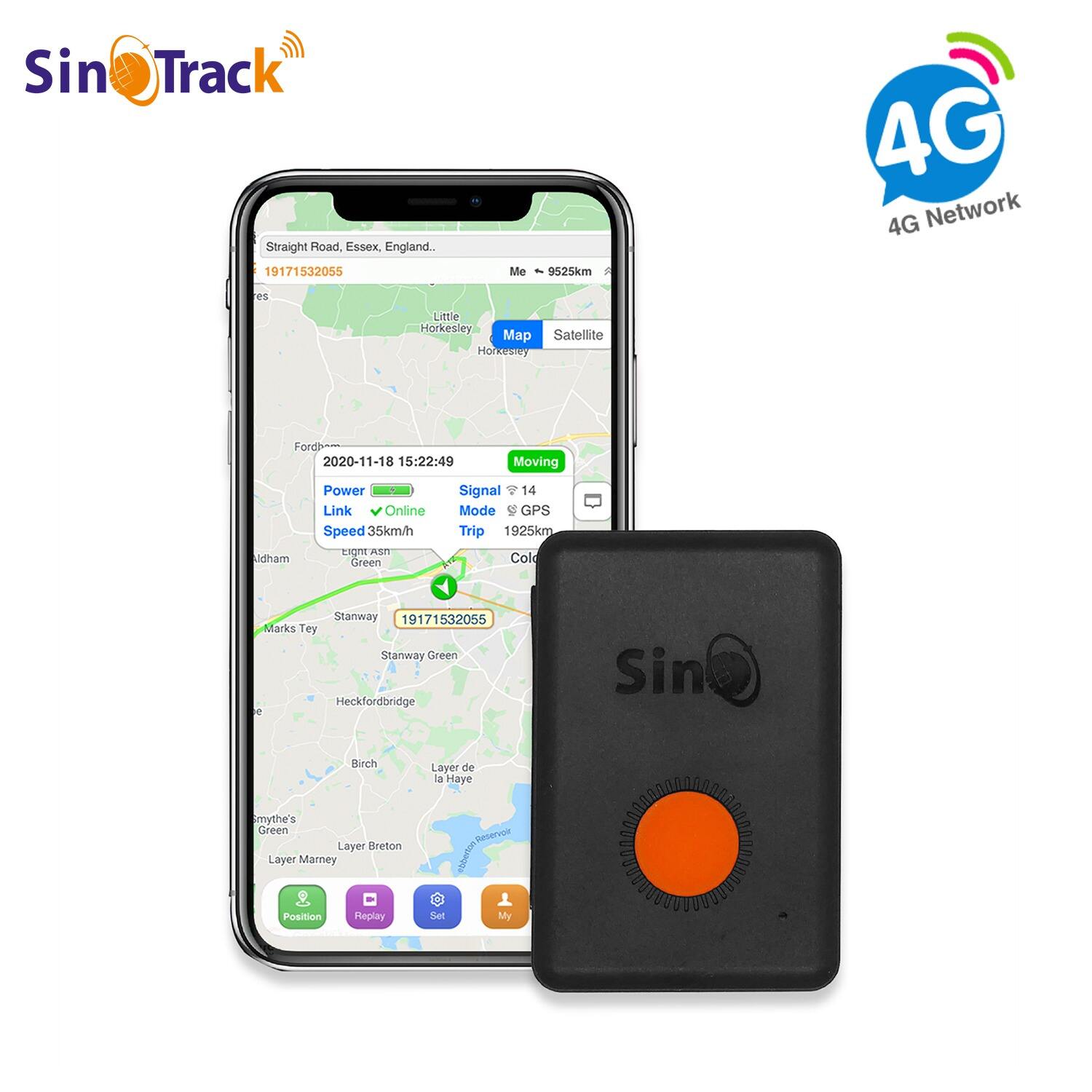
Choosing the best waterproof GPS tracker for your motorcycle in 2025 means looking beyond basic location data. Riders today need compact, durable, and reliable devices that can withstand rain, dust, and road vibration without missing a beat. A high-quality mini gps tracker purpose-built for motorcycles delivers exactly that — real-time positioning, tamper alerts, and weatherproof construction in a form factor small enough to stay hidden on your bike.
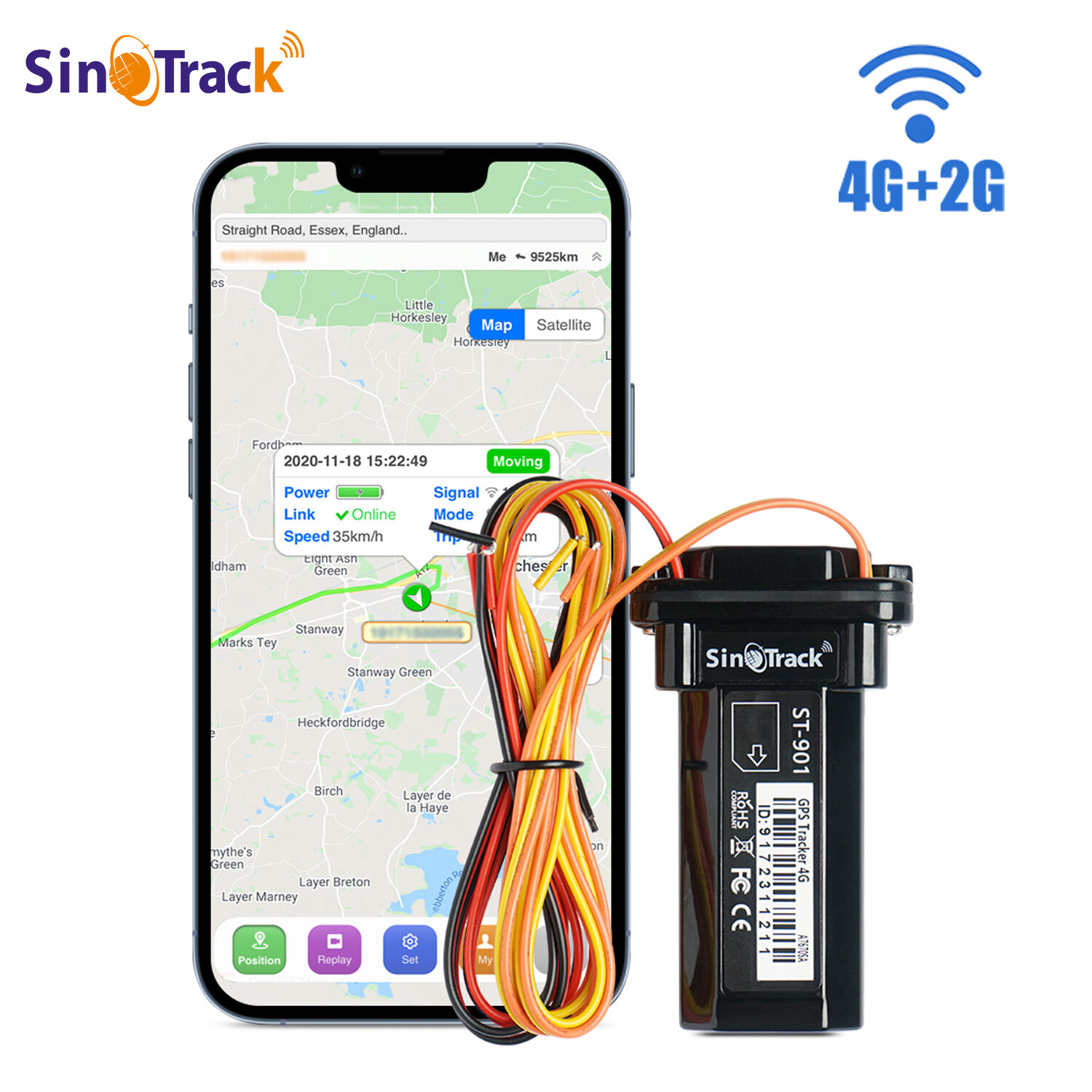
The market for motorcycle tracking solutions has grown significantly, and 2025 brings with it a new generation of mini gps tracker options that combine 4G LTE connectivity, IP67-rated waterproofing, and smart geo-fence alerts into one slim unit. Whether you ride a cruiser, a sport bike, or a commuter scooter, understanding what separates a genuinely capable mini gps tracker from a cheap alternative will help you protect your investment and ride with greater peace of mind. This guide breaks down exactly what you should look for and why waterproofing combined with compact sizing is the non-negotiable standard for serious motorcycle riders in 2025.
Why Waterproof Rating Matters for Motorcycle GPS Trackers
Exposure Conditions on the Road
Motorcycles are exposed to environmental conditions in ways that cars simply are not. A mini gps tracker mounted under the seat, inside a fairing, or attached to the frame is directly vulnerable to splashing water, road spray, condensation, and heavy rainfall. Without adequate waterproofing, even a well-performing tracker can fail within days of outdoor installation.
The most reliable motorcycle mini gps tracker units carry at least an IP65 rating, with IP67 being the preferred standard for 2025. IP67 certification means the device can withstand full submersion in water up to one meter deep for 30 minutes — more than enough protection for the harshest riding conditions most riders encounter. This level of durability is not optional; it is a baseline requirement for any tracker marketed toward motorcycle use.
It is also worth noting that road vibration compounds the stress on exposed electronics. A mini gps tracker without a robust casing may allow moisture ingress through micro-cracks that form over time. Premium units use sealed, gasket-protected enclosures that maintain their integrity even after prolonged exposure to combined vibration and moisture.
Long-Term Reliability and Total Cost
A waterproof mini gps tracker may cost slightly more upfront, but the total ownership cost over a riding season or a full year is far lower than replacing a cheaper device that fails after a few wet rides. Reliability is especially important for anti-theft tracking, where a device failure at the wrong moment could mean the permanent loss of your motorcycle.
Riders who invest in a genuinely waterproof mini gps tracker tend to report greater confidence in their security setup. They check the app less obsessively during rainy weather, trust their alerts more, and experience fewer false disconnections caused by hardware failure. In commercial fleet environments, this reliability translates directly into reduced operational downtime.
Key Features to Prioritize in a 2025 Motorcycle Mini GPS Tracker
4G LTE Connectivity and Network Coverage
The shift from 2G and 3G to 4G LTE networks is essentially complete in most major markets heading into 2025. Any mini gps tracker still operating on legacy 2G infrastructure is at risk of becoming non-functional as carriers shut down those networks. A 4G LTE mini gps tracker ensures sustained service and faster data transmission, which matters when you need real-time updates rather than delayed position logs.
4G connectivity also enables more frequent GPS polling intervals. Where older trackers might update every 30 to 60 seconds, a modern 4G mini gps tracker can transmit location data every 10 seconds or less when in motion. This precision dramatically improves recovery chances if your motorcycle is stolen and moving quickly through urban areas.
When selecting a mini gps tracker for your specific region, confirm that the device supports the correct 4G LTE frequency bands for your country or area of use. A tracker built for the North American market may not function correctly in Europe or Asia, and vice versa. Reputable manufacturers provide clear band specification listings to prevent compatibility issues.
Compact Form Factor and Hidden Installation
The defining advantage of a mini gps tracker over full-sized alternatives is its ability to be installed discreetly. On a motorcycle, discretion is essential — a visible tracker is a tracker a thief will find and remove. Units with dimensions small enough to fit inside a hollow handlebar grip, beneath a seat cowl, or within a tool tray provide genuine anti-theft value precisely because they are hidden.
A well-designed mini gps tracker for motorcycles typically weighs under 50 grams and features a low-profile housing that can be zip-tied, magnetically attached, or wired into the bike's existing electrical system. Some advanced units include a built-in backup battery that continues transmitting even if the main power connection is severed — a critical feature that prevents thieves from simply disconnecting the power supply to disable tracking.
When evaluating a mini gps tracker for hidden installation, check whether the device can function in enclosed metal cavities. GPS signals can be partially blocked by metal housings, so units with high-sensitivity antennas are preferable for applications where the tracker will be fully concealed inside a metal-framed section of the motorcycle.
Geo-Fence Alerts and Remote Monitoring
Beyond basic location tracking, a capable mini gps tracker should offer programmable geo-fence boundaries. This feature allows you to define a virtual perimeter around your motorcycle's usual parking area. If the bike is moved outside that perimeter without authorization, the tracker sends an immediate alert to your smartphone — often within seconds of the boundary being crossed.
Advanced mini gps tracker platforms also support movement alerts, ignition-on detection, and speed monitoring. These features are particularly useful for motorcycle fleet operators managing delivery fleets or rental businesses, where knowing exactly when and how a vehicle is being used is as important as knowing where it is.
Understanding IP Ratings and Weatherproofing Standards
What IP Ratings Mean for Your Tracker
The IP (Ingress Protection) rating system is a standardized international classification that describes how well an enclosure resists the intrusion of solid particles and liquids. For a mini gps tracker intended for motorcycle use, the two digits in the IP code are both important. The first digit covers dust and particle protection, while the second covers liquid protection.
An IP65-rated mini gps tracker is protected against low-pressure water jets from any direction, making it suitable for heavy rain. An IP67 rating extends this protection to full temporary submersion. The best motorcycle trackers available in 2025 target IP67 as the minimum acceptable standard, with some units achieving IP68, which covers prolonged submersion at greater depths.
It is important not to confuse 'splash-resistant' with 'waterproof.' Many budget mini gps tracker options on the market carry only a splash resistance rating that is inadequate for serious outdoor use. Always verify the exact IP rating number rather than relying on marketing language like 'weather resistant' or 'rain proof,' which are not standardized terms.
Vibration and Shock Resistance
Waterproofing alone does not fully capture the durability requirements of a motorcycle mini gps tracker. Road vibration, speed bumps, off-road riding, and the general mechanical stress of a running engine all subject mounted devices to constant mechanical agitation. A mini gps tracker designed for automotive or motorcycle use should be tested to relevant shock and vibration standards to ensure the internal components and connections remain intact.
Quality mini gps tracker units use internally potted circuit boards, reinforced antenna connections, and vibration-dampened mounting brackets. These design choices extend the functional lifespan of the tracker considerably compared to consumer-grade devices that use the same components in a less ruggedized package.
Installation Guidance for Motorcycle GPS Trackers
Wired vs. Battery-Powered Installation
Motorcycle mini gps tracker installations generally fall into two categories: wired units that draw power directly from the bike's electrical system, and battery-powered units that operate independently. Each approach has distinct advantages depending on the rider's priorities and technical comfort level.
A wired mini gps tracker draws power from the motorcycle's 12V circuit, typically connected to the fuse box. This setup ensures continuous operation without the need to recharge a battery, making it ideal for long-term anti-theft deployment. Wired units can also monitor ignition status, giving fleet managers or owners the ability to see exactly when the motorcycle is started or stopped.
Battery-powered mini gps tracker options offer greater installation flexibility and can be placed in locations where wiring would be difficult or impossible. The trade-off is battery life management — most standalone battery-powered trackers use low-power sleep modes to extend their operational window, transmitting at reduced frequency when the vehicle is stationary and increasing update intervals when motion is detected.
Mounting Positions for Maximum Concealment
The effectiveness of a mini gps tracker as a theft deterrent and recovery tool depends largely on placement. Common discreet mounting positions on motorcycles include inside the headlight housing, within the tail fairing, behind the instrument cluster, under the seat, inside hollow frame sections, and within the air filter compartment.
When choosing a mounting position for your mini gps tracker, consider both concealment and GPS signal quality. Positions deep within metal cavities may reduce signal strength. Testing the unit in your intended location before permanent installation will confirm adequate coverage. Many high-sensitivity mini gps tracker models include signal strength indicators in their companion apps to assist with optimal placement.
Cable management is also an important consideration for wired mini gps tracker installations. Clean routing of power cables through existing wiring harnesses not only improves concealment but also reduces the risk of cable damage from vibration or heat sources near the engine.
FAQ
What makes a mini gps tracker suitable specifically for motorcycles?
A mini gps tracker designed for motorcycle use must combine a compact, concealable form factor with genuine weatherproofing, typically IP67 or higher, and the ability to withstand continuous vibration from the engine and road surface. It should also support real-time 4G connectivity and provide tamper or movement alerts. Consumer-grade trackers not designed for vehicle use often lack the necessary durability and reliability for outdoor, on-bike deployment.
How often does a mini gps tracker update its location?
Update frequency depends on the device model and the tracking platform settings. Most modern 4G mini gps tracker units can update every 10 to 30 seconds when in motion, and many switch to a low-power sleep mode with infrequent check-ins when stationary to conserve power. Some platforms allow users to customize the update interval based on their preferred balance between real-time accuracy and data usage or battery consumption.
Can a mini gps tracker work without a SIM card?
No. A cellular mini gps tracker requires an active SIM card and a data plan to transmit location data to the companion platform or app. Without a working SIM, the device can still receive GPS satellite signals and log position data internally on some models, but it cannot communicate that data in real time. Buyers should confirm SIM card compatibility and plan availability in their region before purchasing a mini gps tracker.
Is it legal to install a mini gps tracker on a motorcycle you own?
Installing a mini gps tracker on a vehicle you legally own is lawful in virtually all jurisdictions. Tracking is used by individual owners to protect their property, by businesses to monitor fleet assets, and by insurance providers to offer usage-based coverage. Legal complications typically arise only when a tracker is placed on a vehicle without the owner's consent. Always verify local regulations if you have specific questions about tracking in commercial or shared-use scenarios.