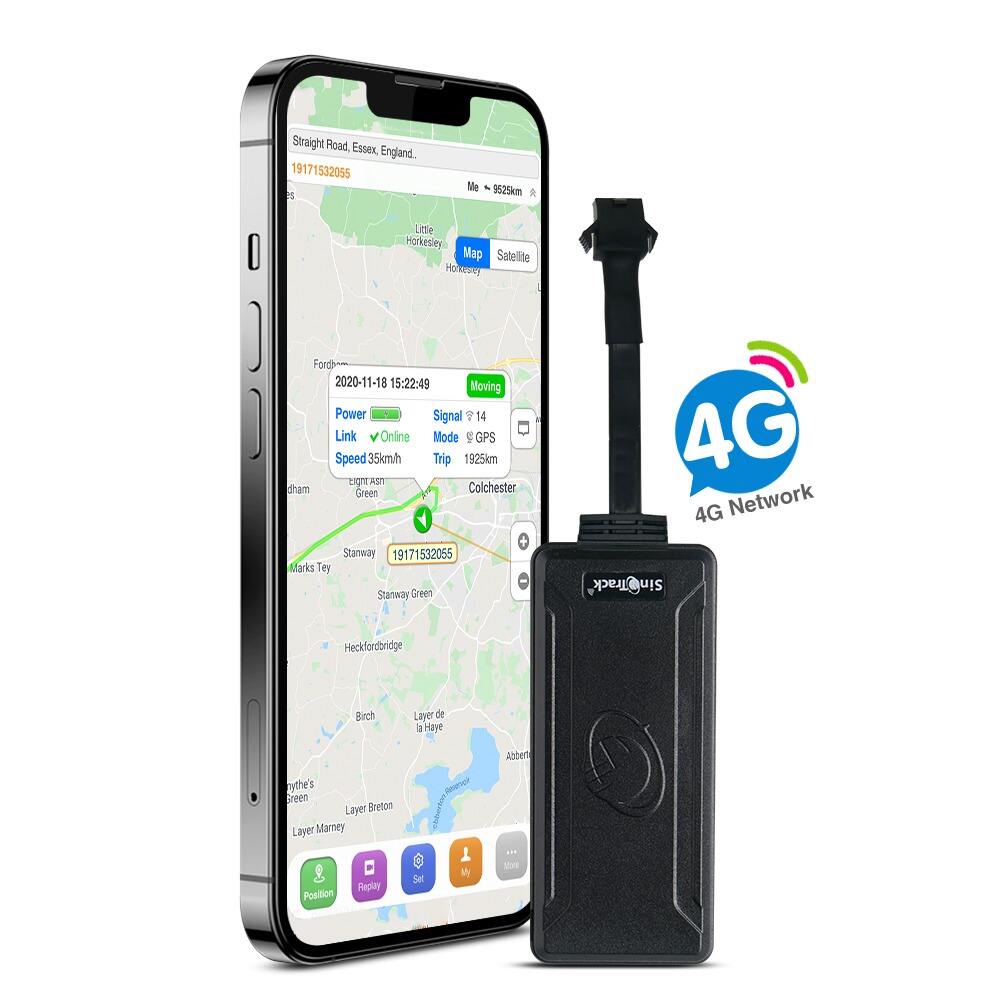
Comprehensive Fleet Management and Driver Monitoring Solutions
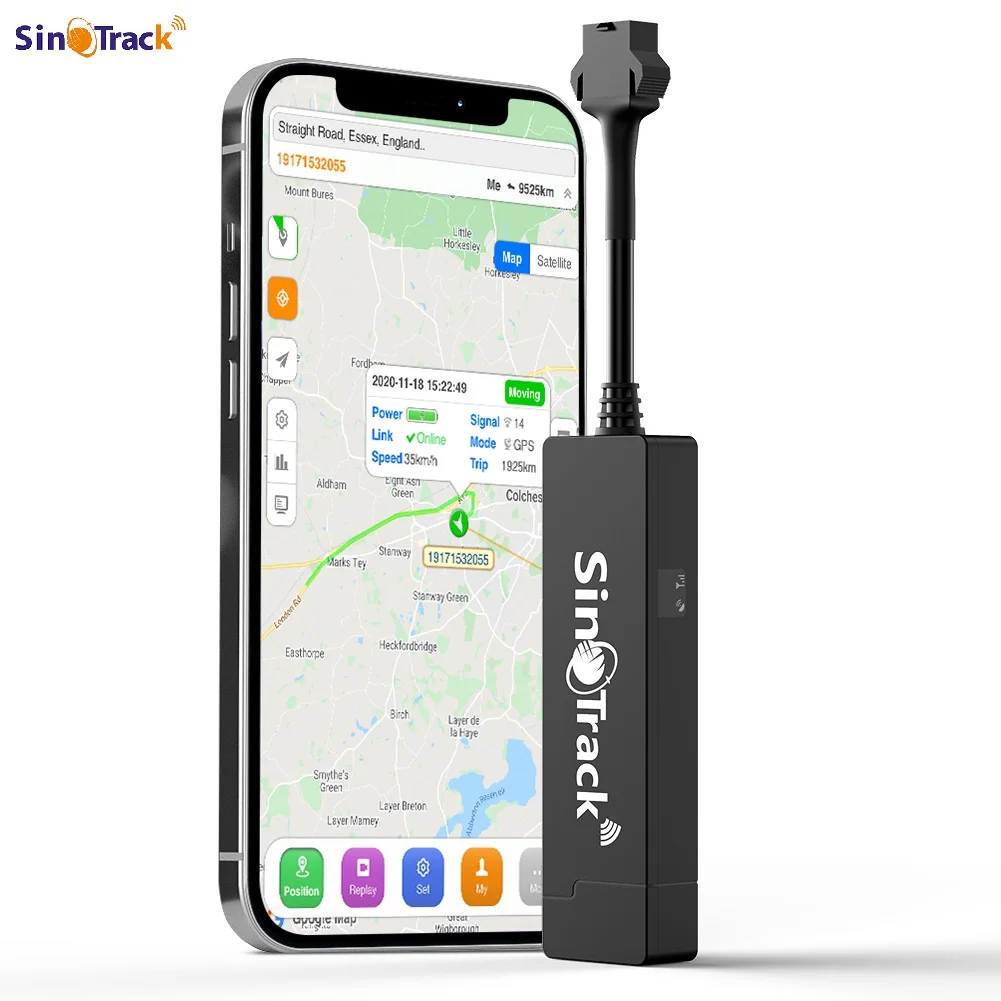
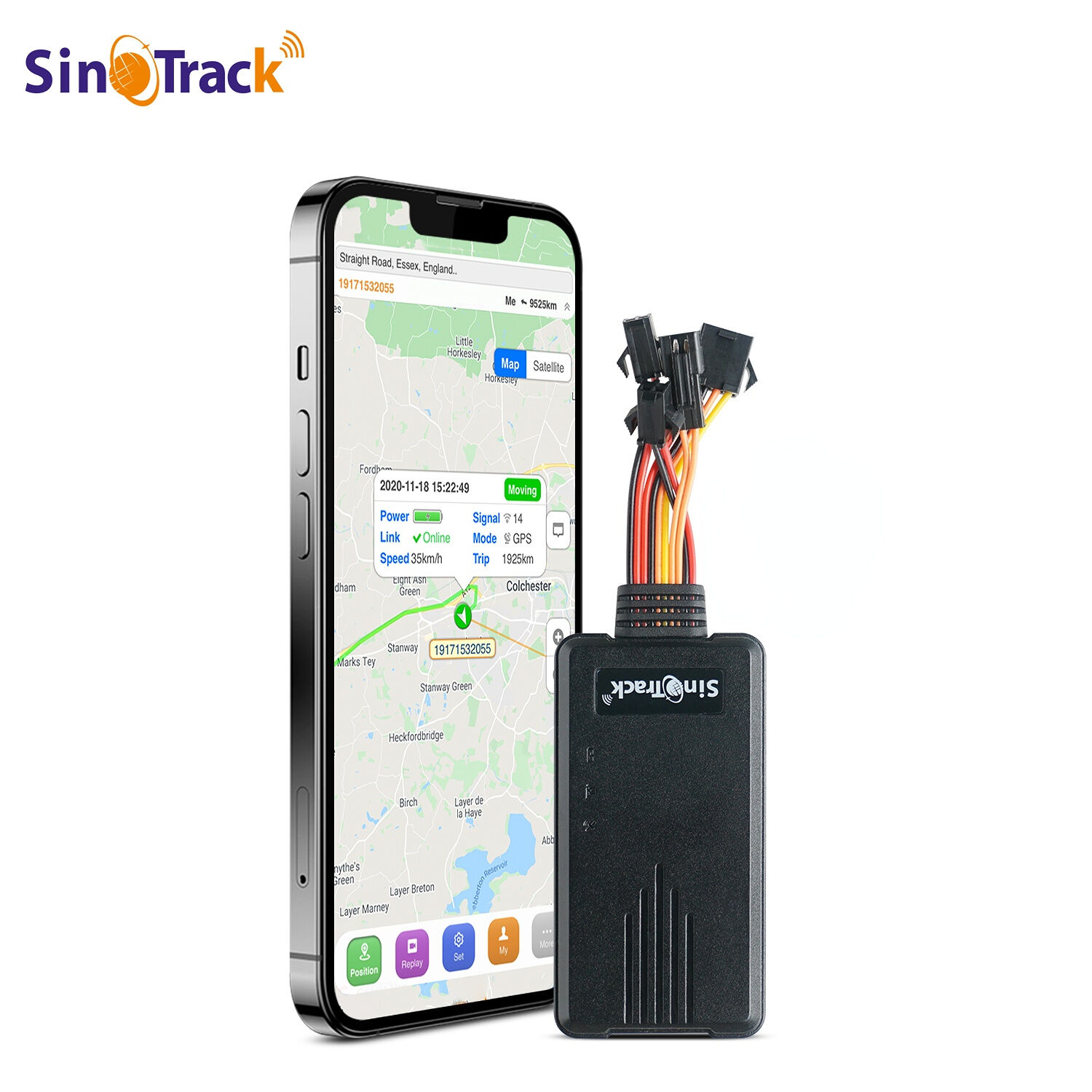
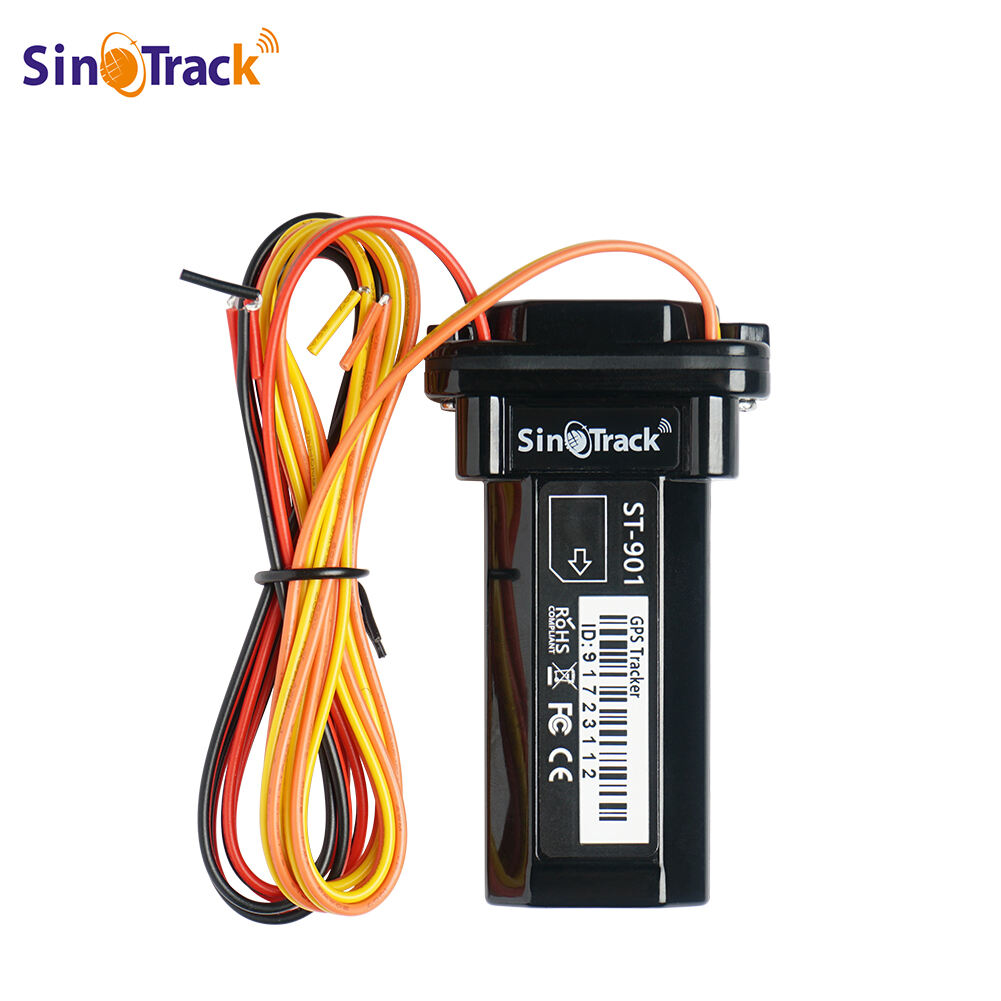
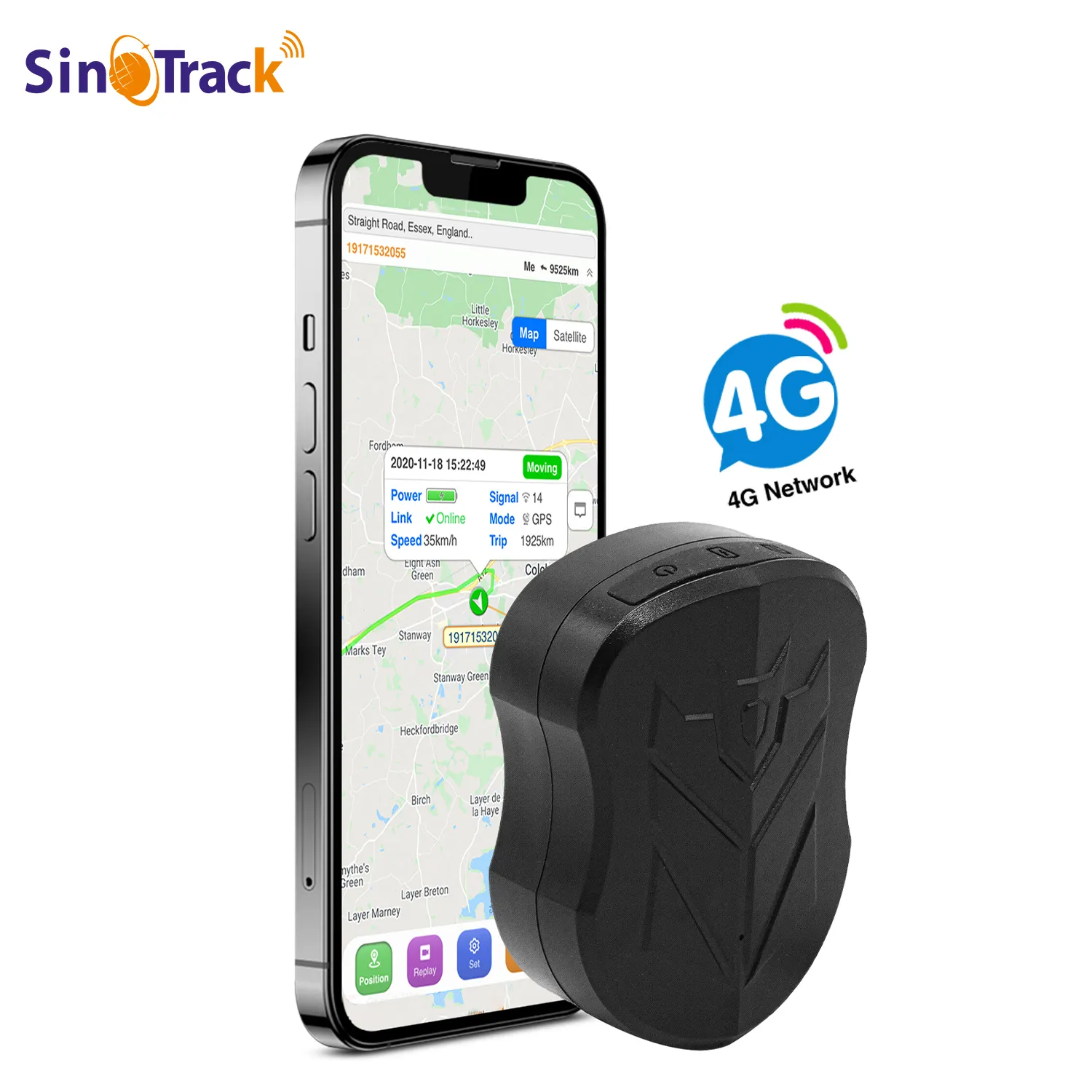
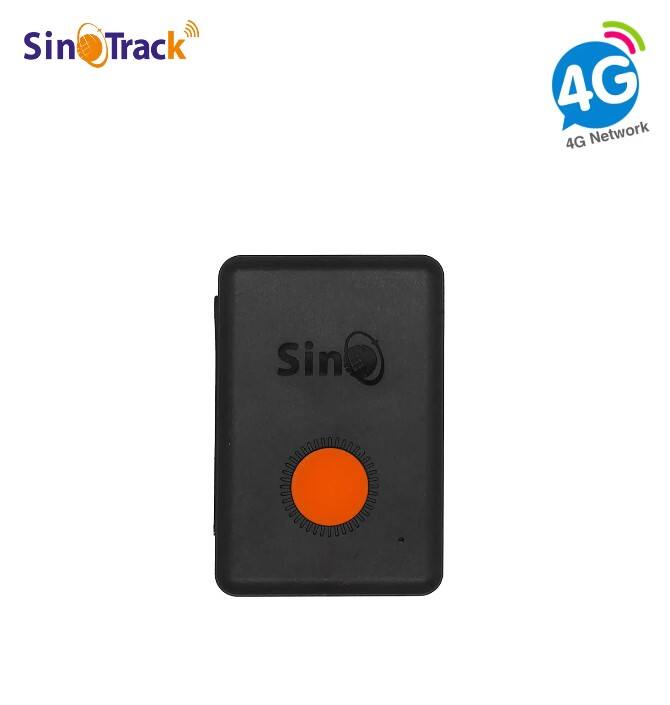
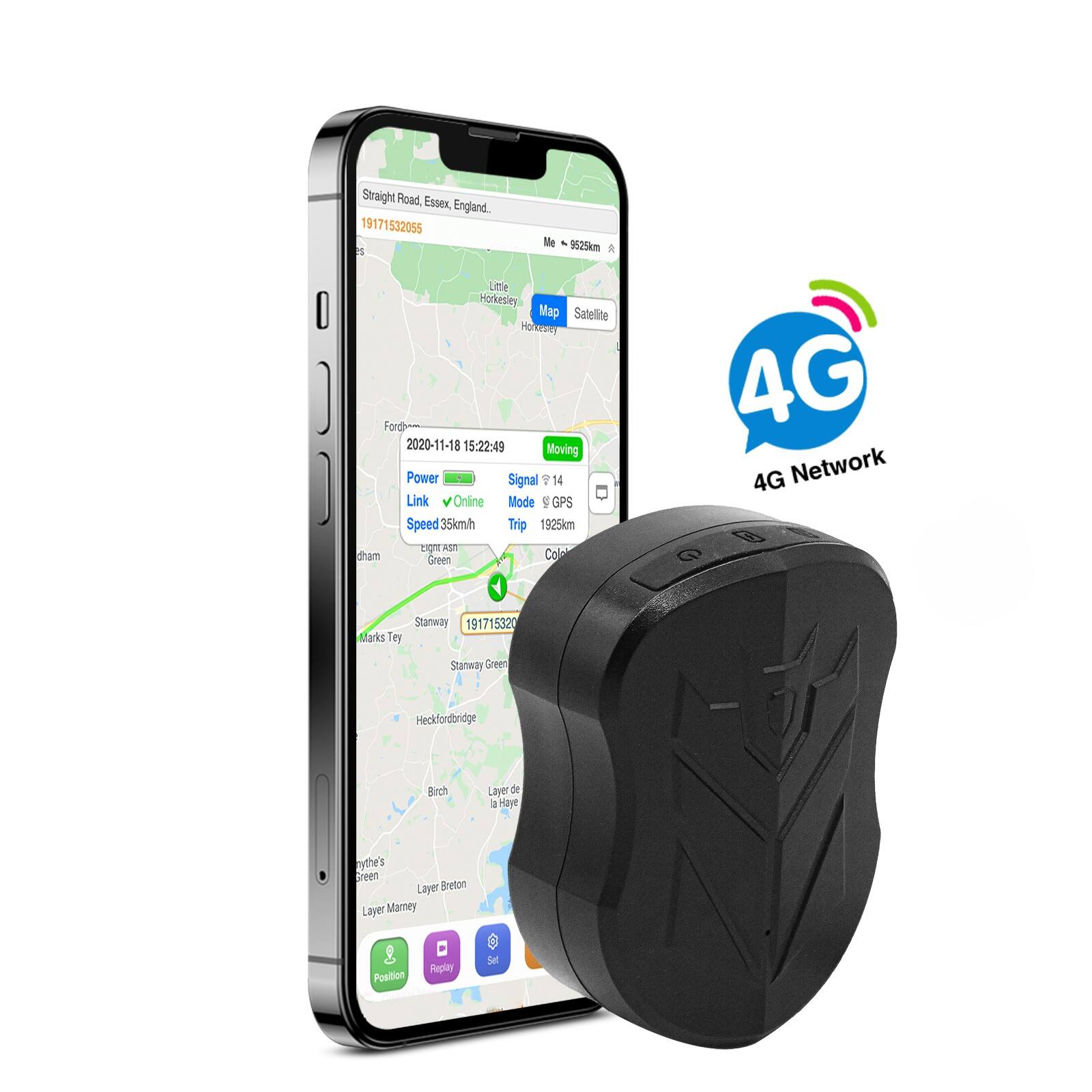
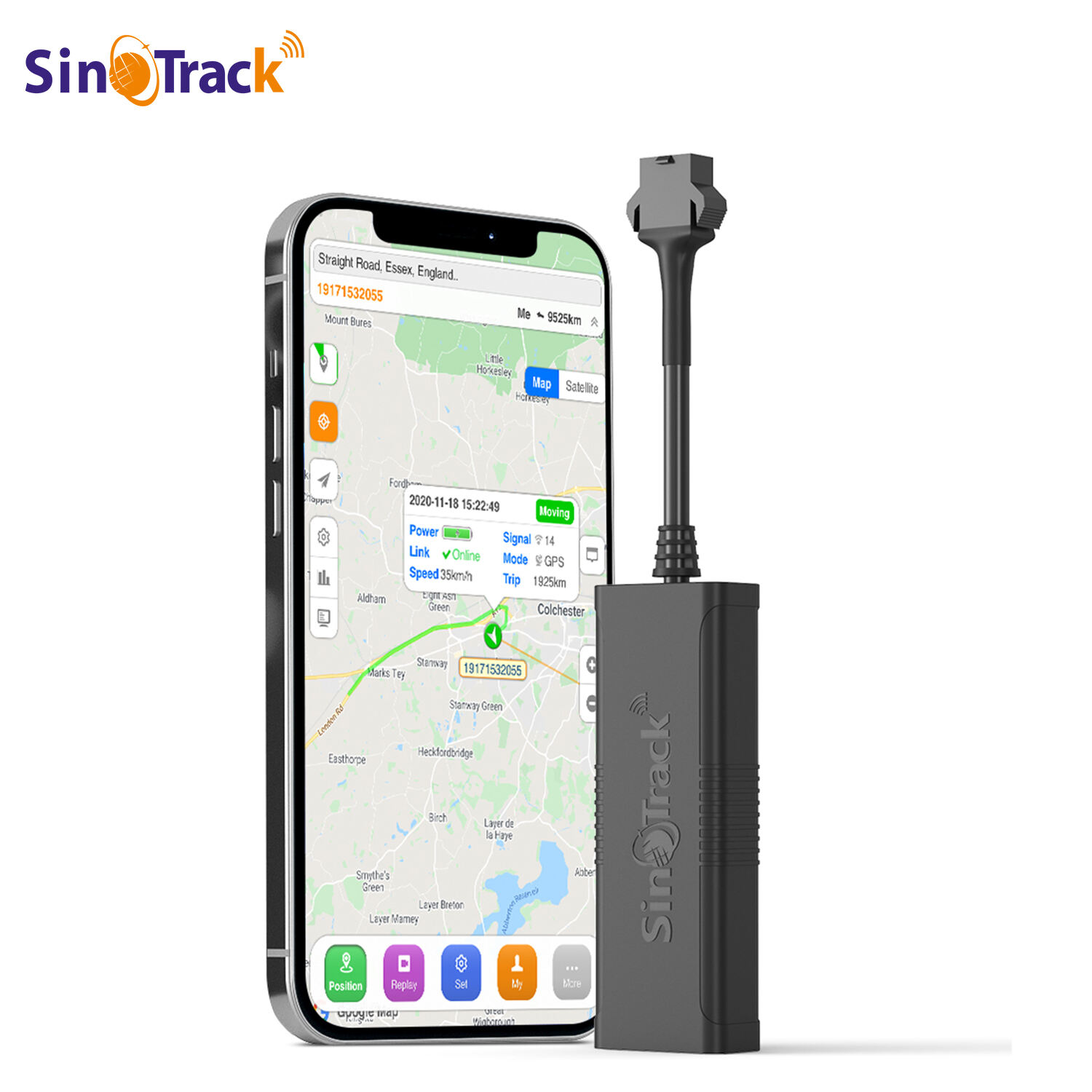
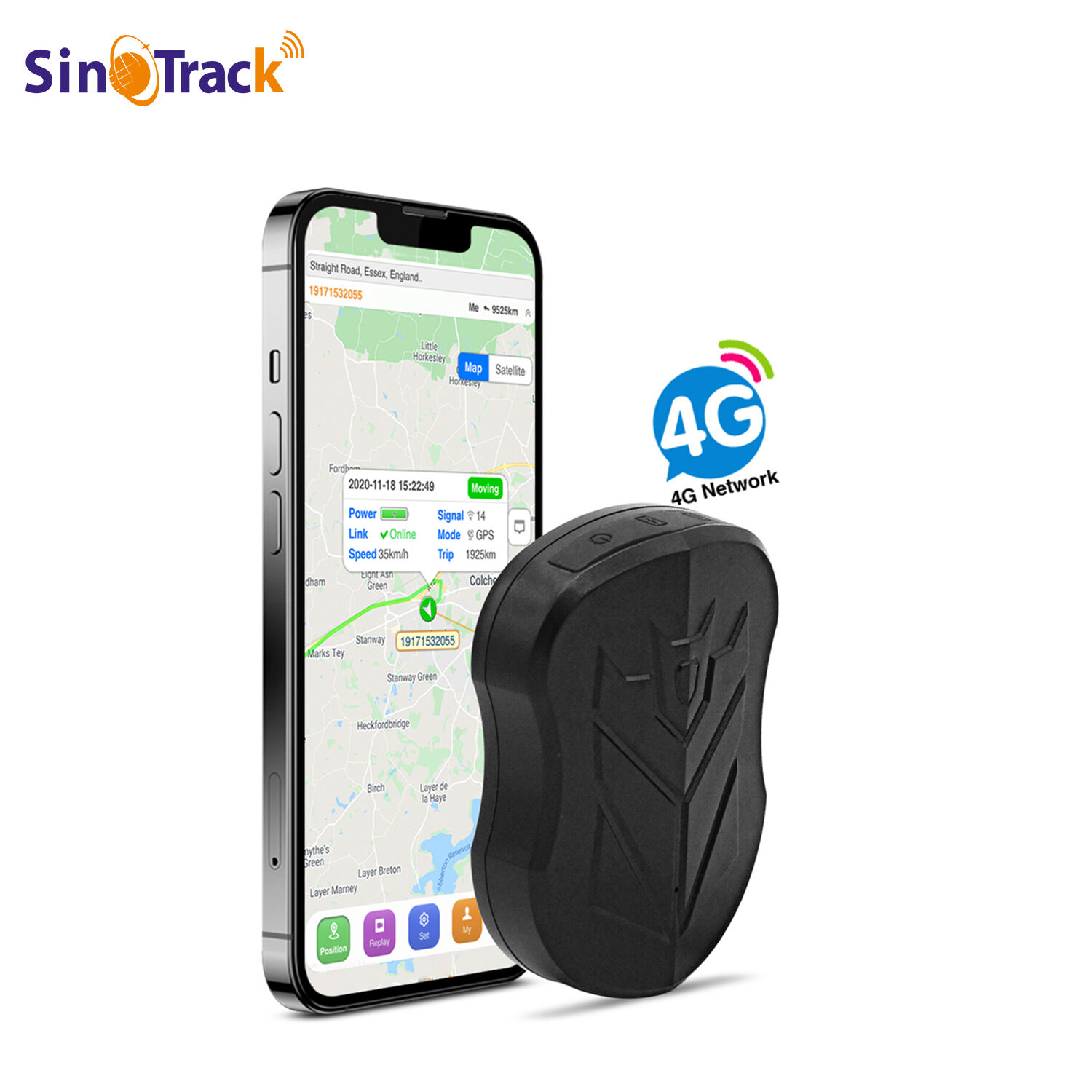
Professional fleet management represents one of the most valuable applications of remote car tracker technology, providing business owners with unprecedented visibility into vehicle operations, driver behavior, and operational efficiency metrics that directly impact profitability and safety standards. The comprehensive monitoring capabilities of modern remote car tracker systems enable fleet managers to optimize routes, reduce fuel consumption, improve driver safety, and maintain detailed compliance records that satisfy regulatory requirements while maximizing operational productivity. The remote car tracker continuously collects detailed operational data including vehicle speeds, acceleration patterns, braking behaviors, idle times, route selections, and fuel consumption metrics that provide managers with actionable insights for improving fleet performance. This data collection occurs automatically without requiring driver input or manual recording, ensuring accuracy and consistency while eliminating the administrative burden associated with traditional fleet monitoring methods. Route optimization represents a significant advantage of remote car tracker implementation, as managers can analyze historical travel patterns to identify the most efficient paths between common destinations. The system can detect when drivers deviate from optimal routes, whether due to traffic conditions, personal errands, or unfamiliarity with assigned areas. By comparing actual travel times with estimated optimal routes, managers can provide targeted training to improve efficiency and reduce operational costs. Many remote car tracker systems include integration capabilities with popular mapping and logistics platforms, enabling automated route planning that considers current traffic conditions, vehicle capacities, and delivery schedules. Driver behavior monitoring through remote car tracker systems promotes safer driving practices while reducing liability exposure for fleet operators. The system automatically detects and records instances of excessive speeding, rapid acceleration, hard braking, sharp cornering, and extended idling periods that indicate inefficient or potentially dangerous driving behaviors. Managers receive detailed reports that highlight specific incidents along with time stamps, locations, and severity levels that enable targeted coaching and training interventions. This objective monitoring eliminates disputes about driving performance while providing concrete data for performance evaluations and improvement programs. Maintenance scheduling and vehicle diagnostics represent additional benefits of comprehensive remote car tracker systems that help prevent costly breakdowns and extend vehicle lifespans. Many systems integrate with onboard diagnostic systems to monitor engine performance, maintenance intervals, and potential mechanical issues before they result in expensive repairs or unexpected downtime. The remote car tracker can automatically schedule maintenance appointments based on mileage intervals or operating hours while tracking maintenance costs and vehicle performance trends over time. Compliance documentation for regulatory requirements becomes streamlined through automated record-keeping features that maintain detailed logs of driver hours, vehicle inspections, route histories, and safety incidents that satisfy transportation authority requirements while reducing administrative overhead.
 EN
EN