gps fleet tracking devices
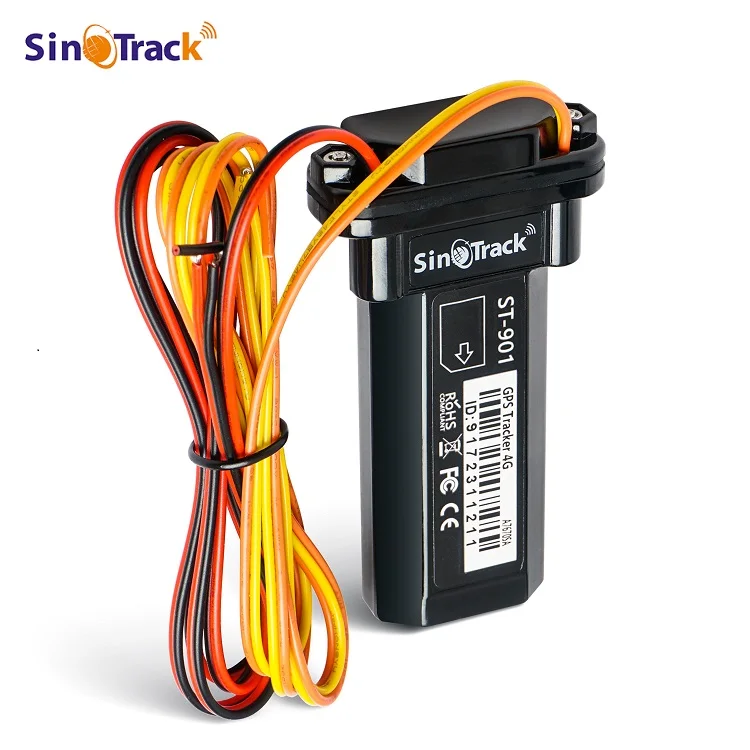
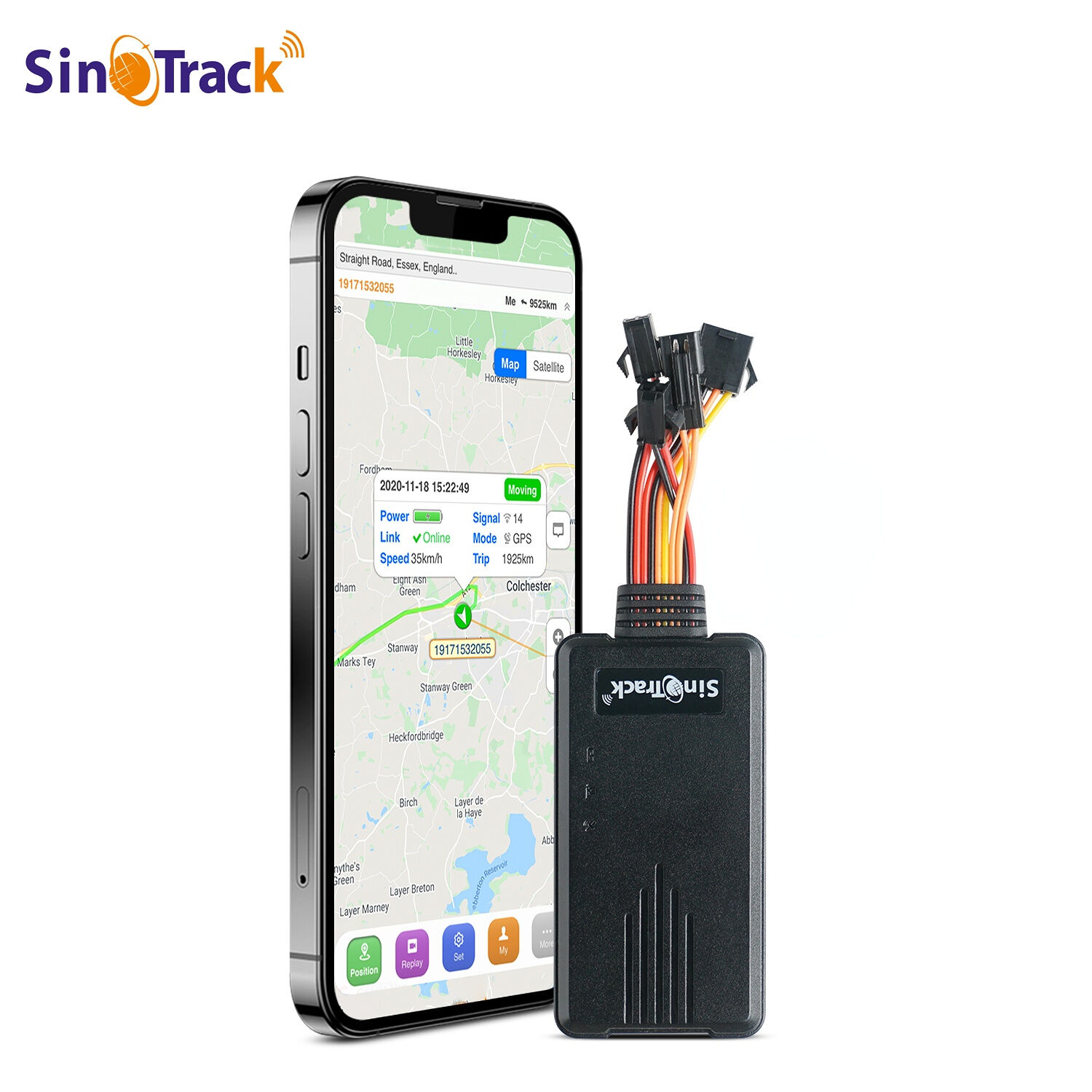
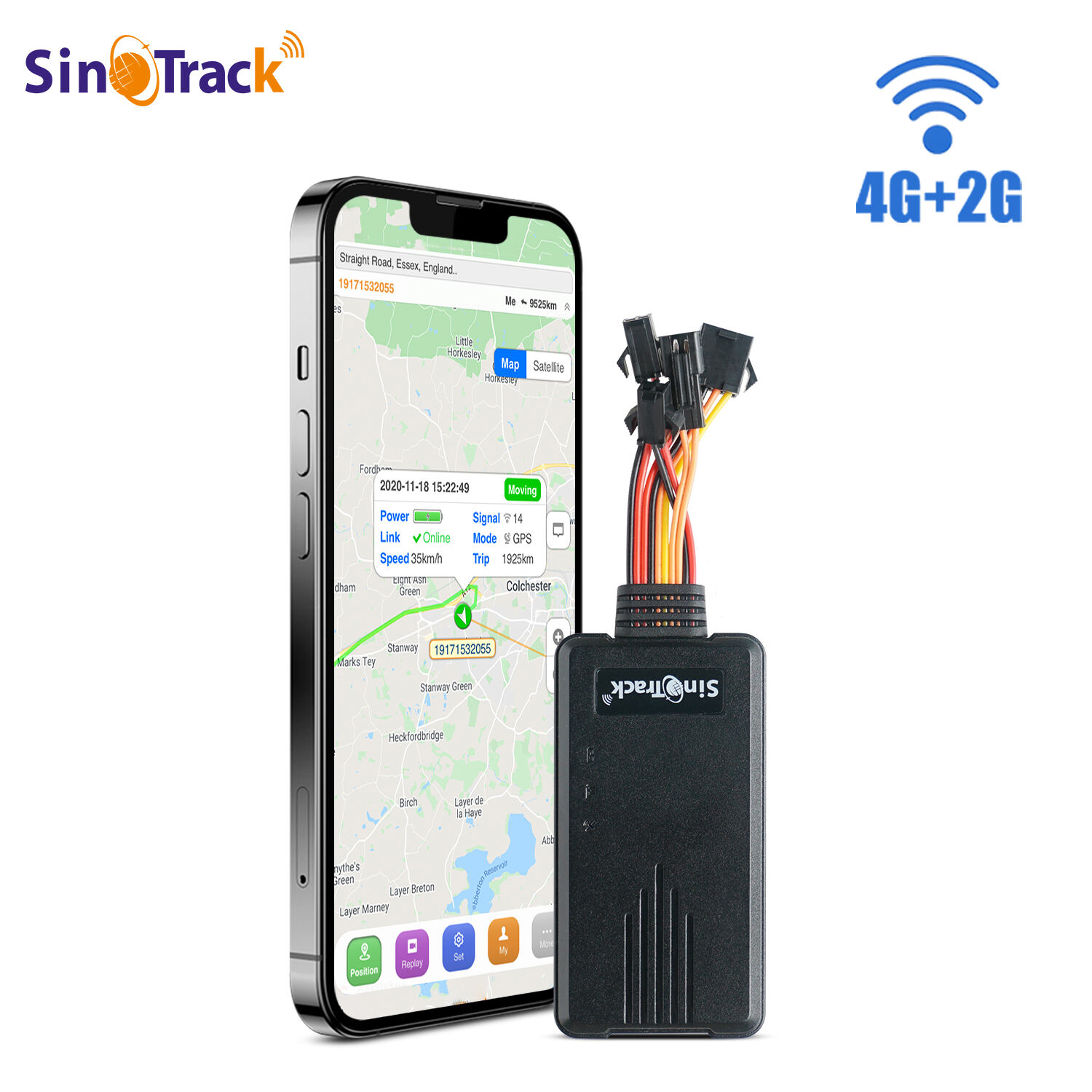
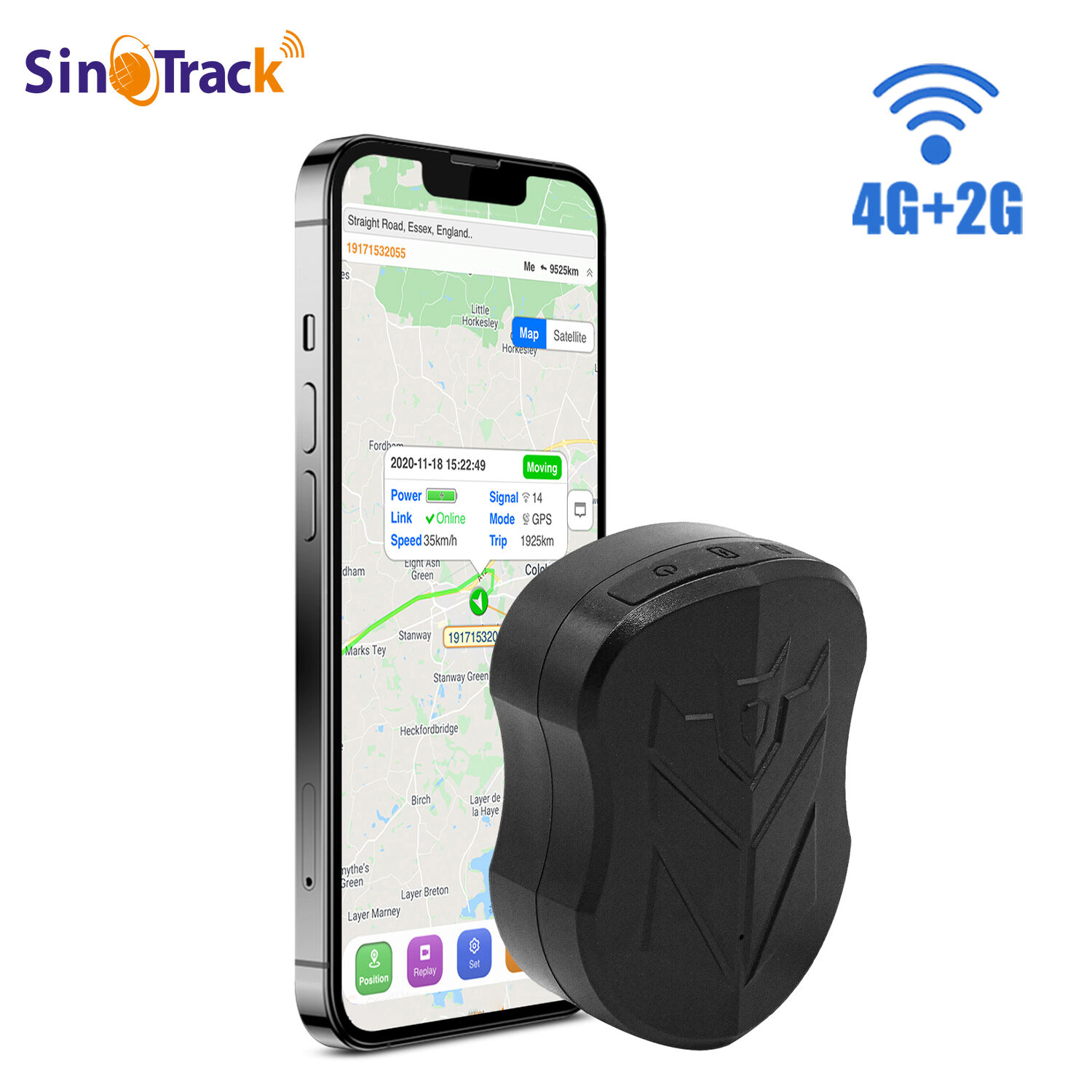
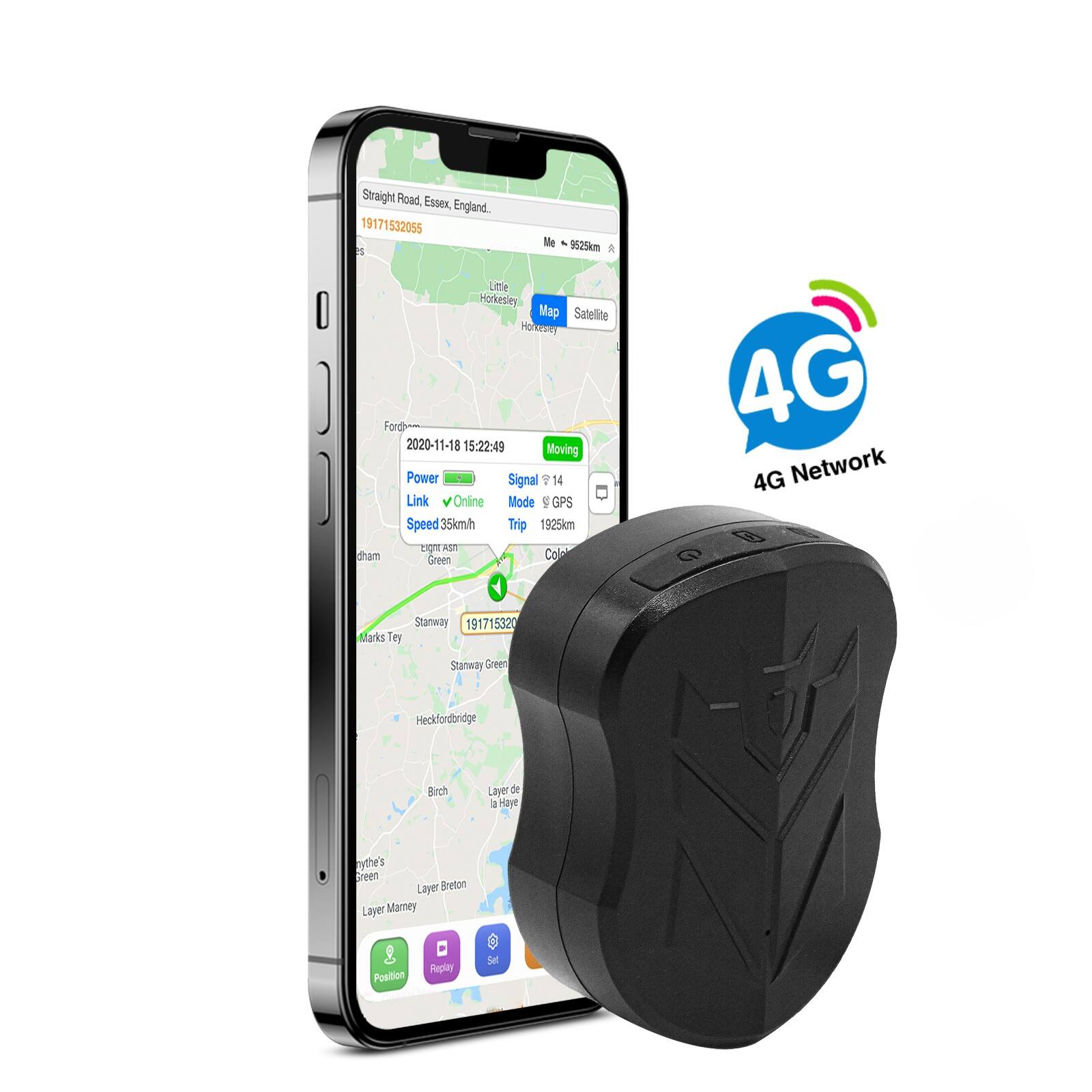
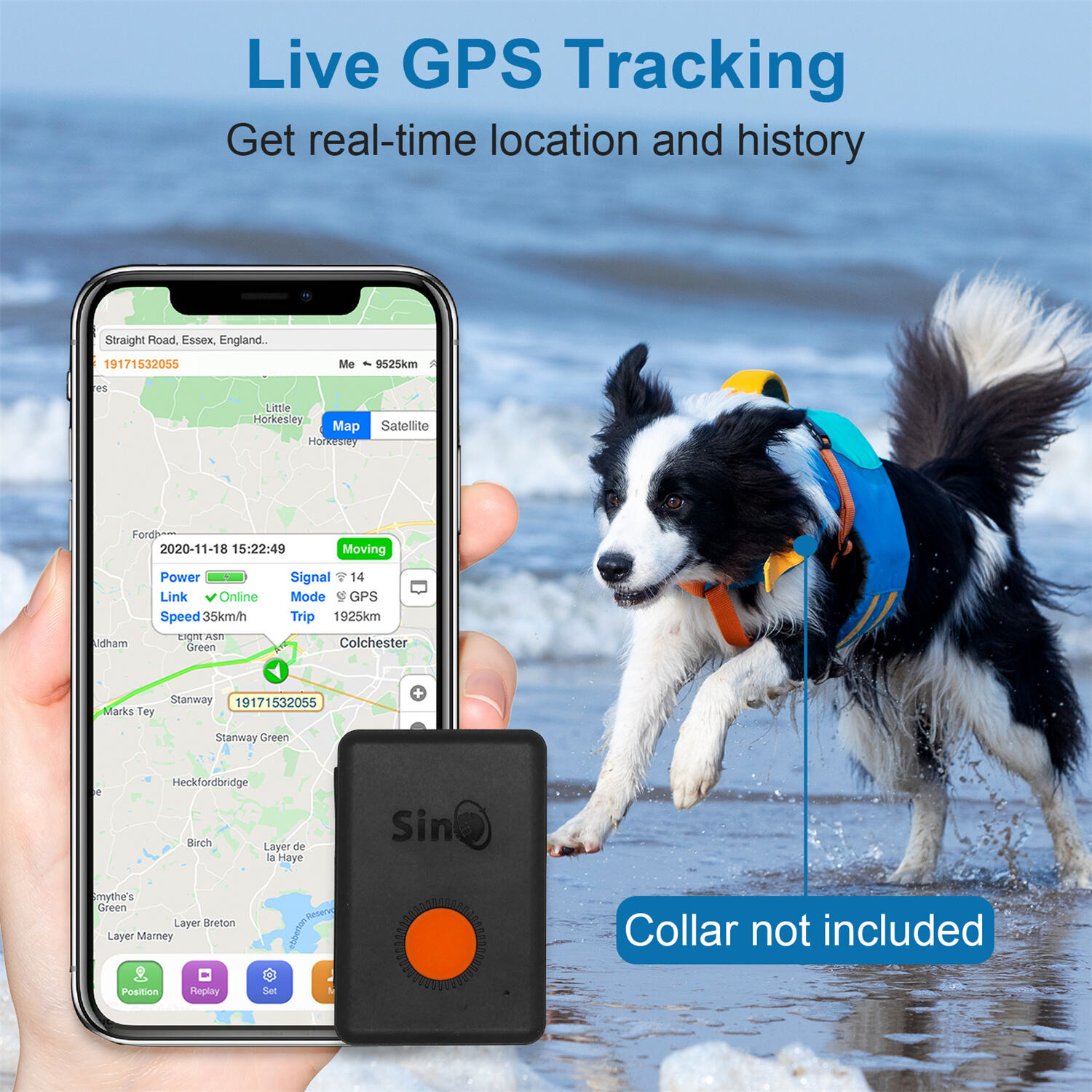
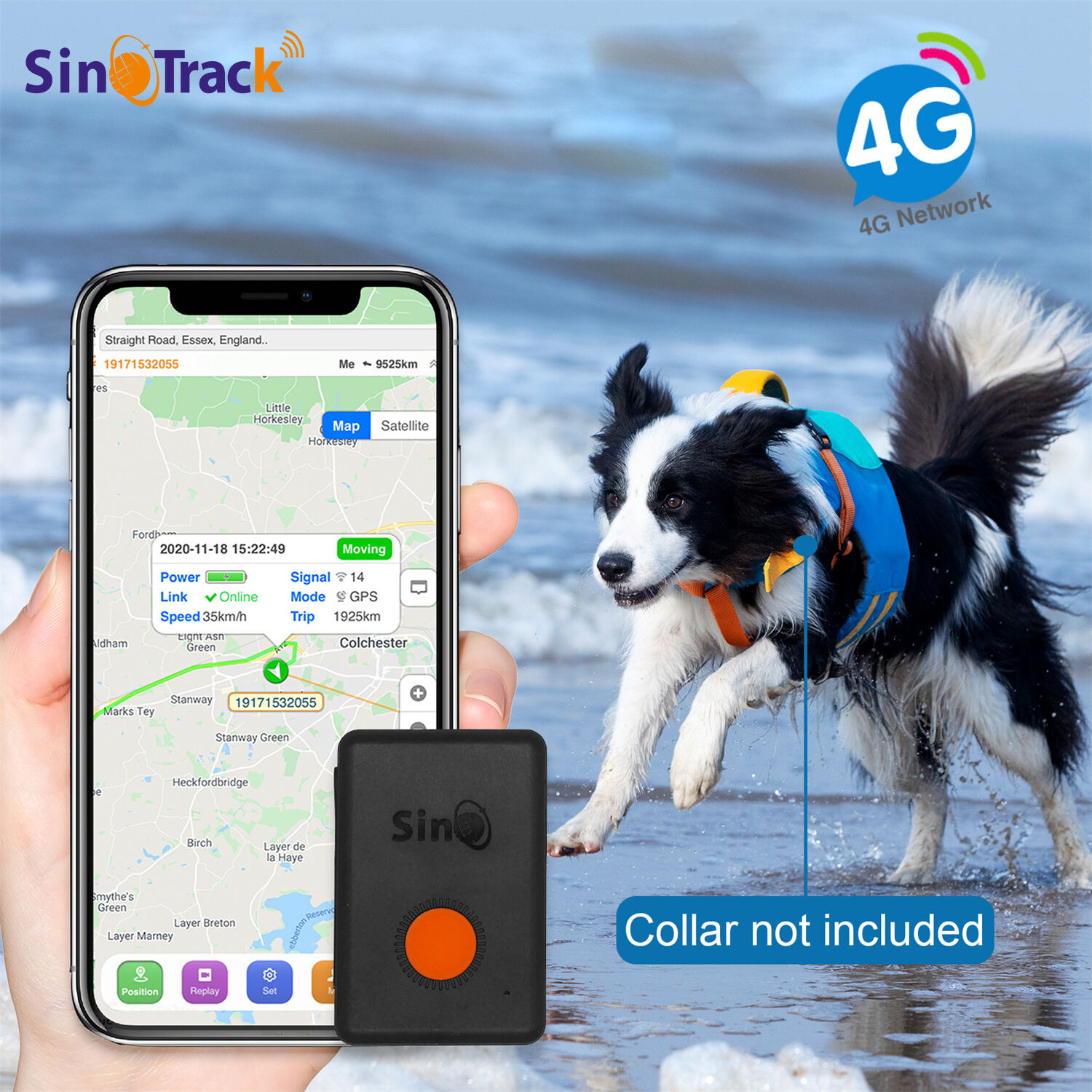
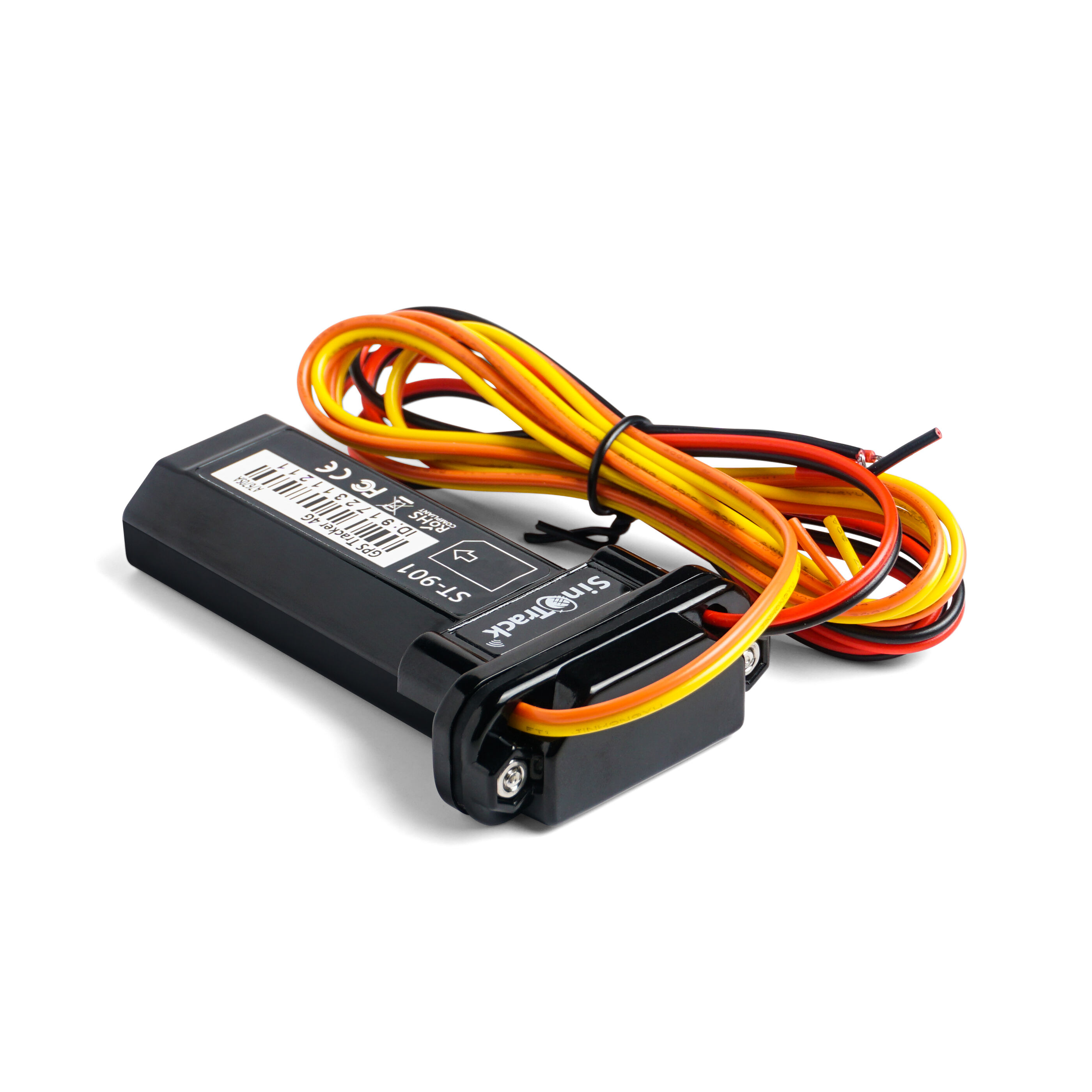
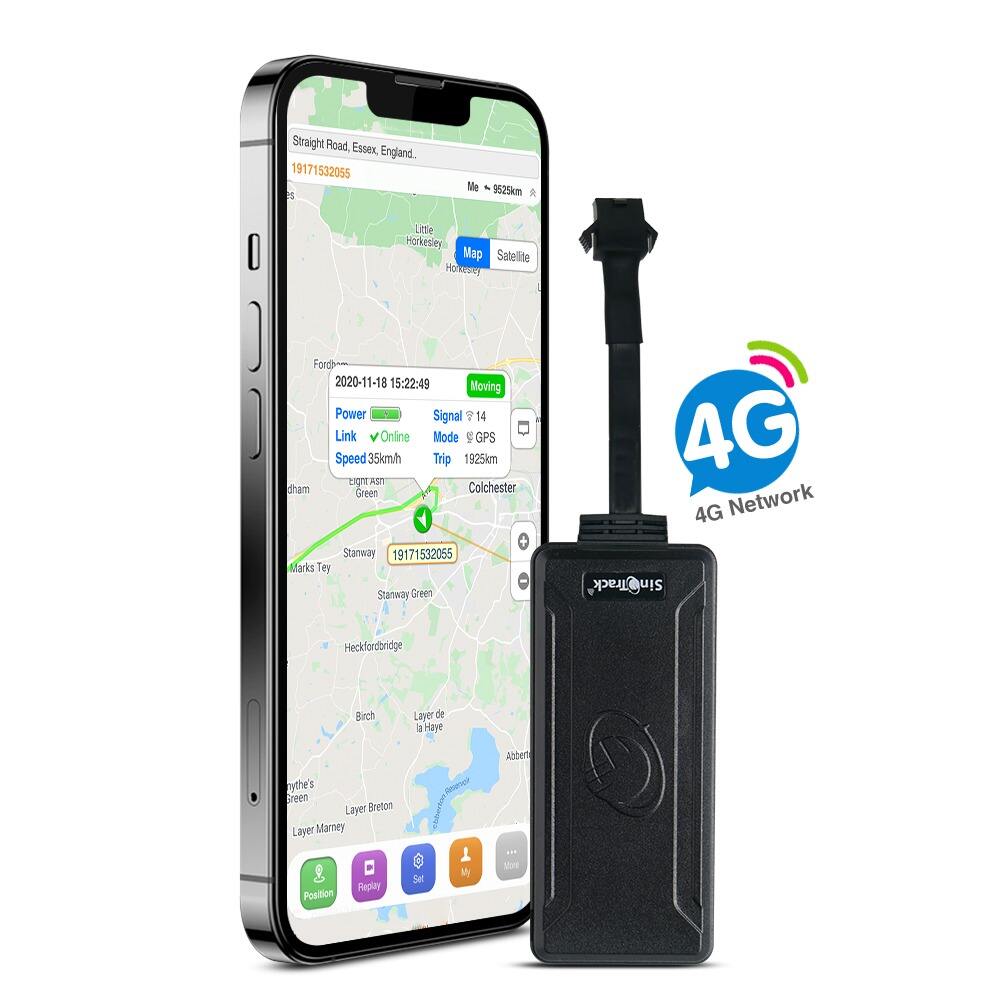
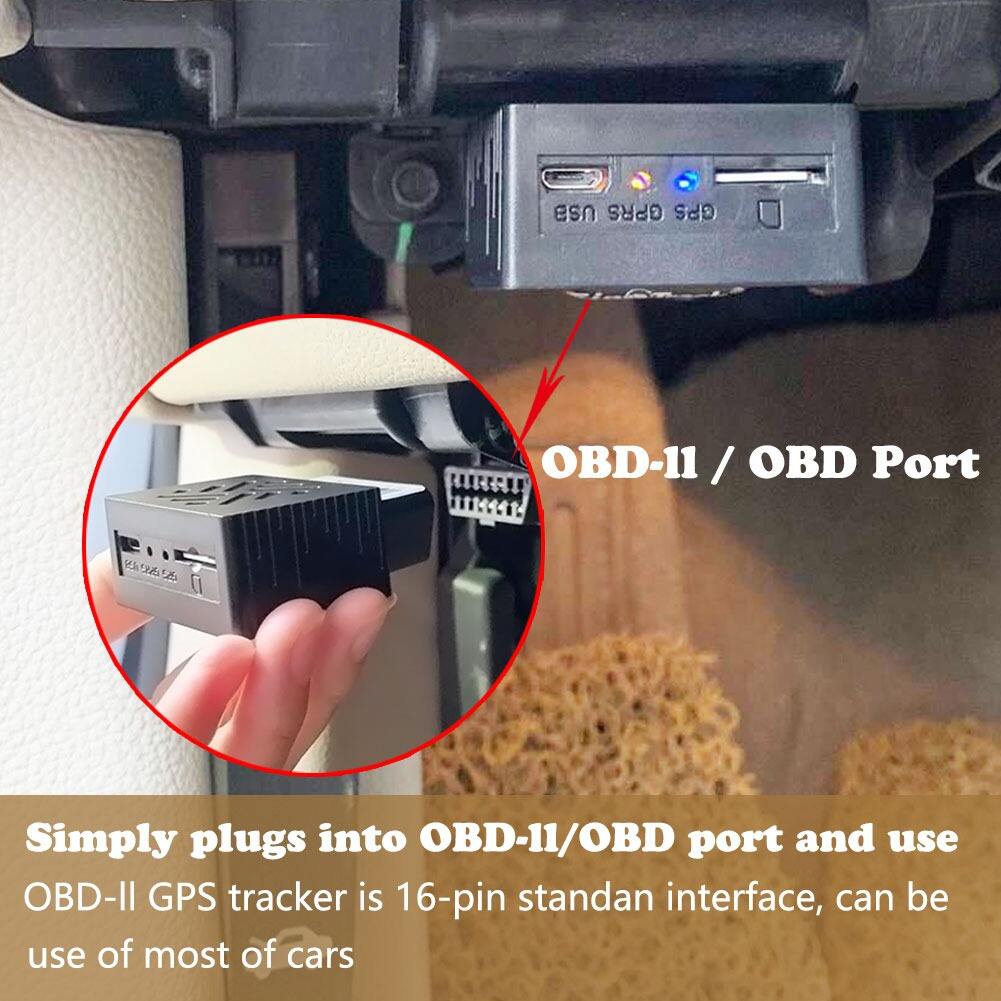
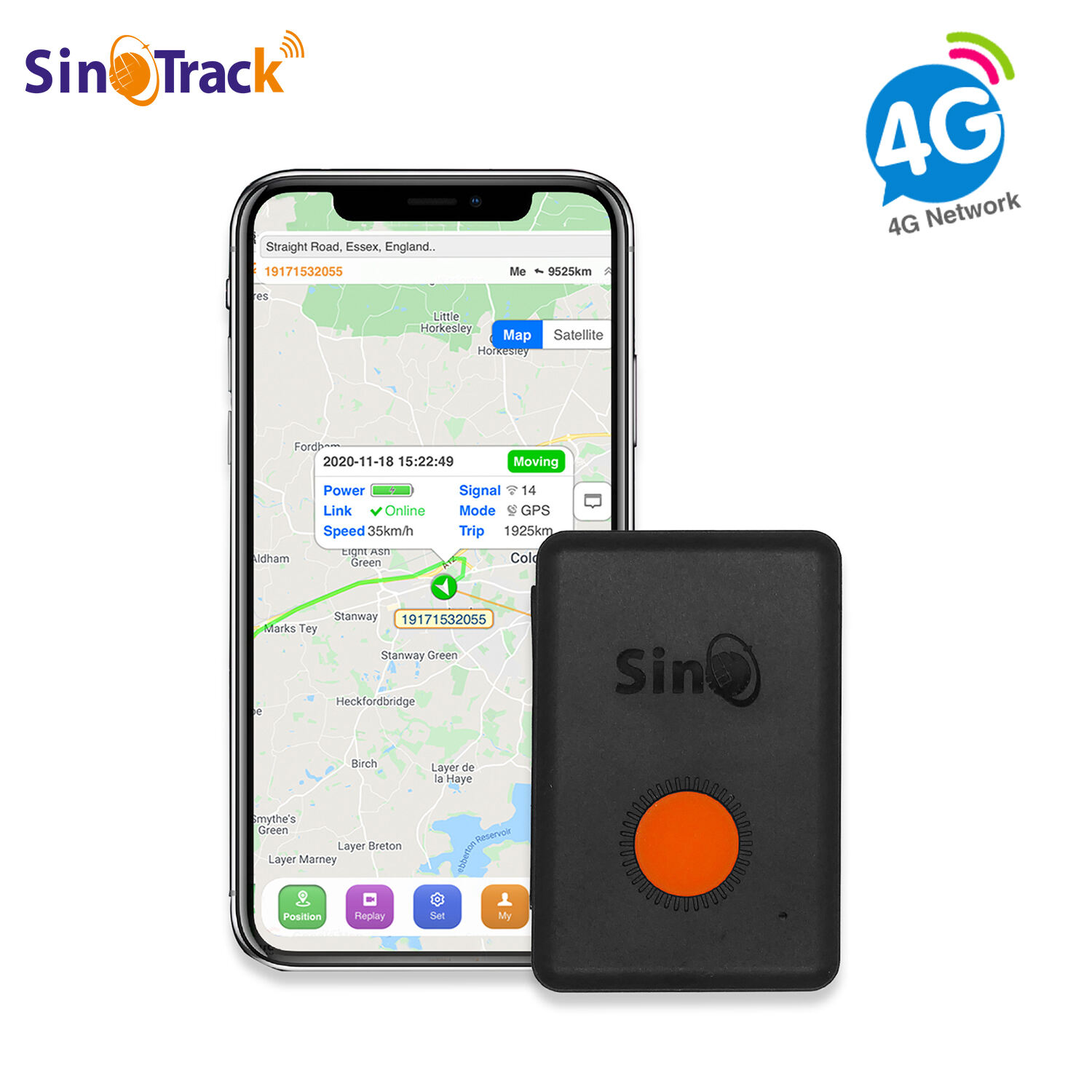
GPS fleet tracking devices represent cutting-edge technology solutions designed to monitor, manage, and optimize commercial vehicle operations in real-time. These sophisticated systems combine Global Positioning System satellites, cellular communication networks, and advanced software platforms to provide comprehensive visibility into fleet activities. Modern GPS fleet tracking devices incorporate multiple sensors, telematics capabilities, and data analytics to deliver actionable insights for fleet managers and business owners. The core functionality revolves around precise location monitoring, enabling operators to track vehicle positions with remarkable accuracy across vast geographical areas. These devices continuously collect and transmit critical operational data, including speed patterns, route efficiency, engine diagnostics, fuel consumption metrics, and driver behavior analytics. Advanced GPS fleet tracking devices feature robust hardware construction designed to withstand harsh environmental conditions, ensuring reliable performance in extreme temperatures, humidity, and vibration scenarios. The integration of accelerometers, gyroscopes, and other motion sensors allows these systems to detect sudden movements, harsh braking events, rapid acceleration patterns, and potential collision incidents. Communication protocols utilize 4G LTE and emerging 5G networks to ensure seamless data transmission between vehicles and centralized monitoring platforms. Many GPS fleet tracking devices incorporate backup power sources and tamper-resistant installations to maintain functionality during power disruptions or unauthorized interference attempts. The technological architecture supports over-the-air updates, enabling continuous feature enhancements and security improvements without physical device modifications. Cloud-based data storage and processing capabilities allow fleet managers to access comprehensive reporting dashboards, generate detailed analytics, and establish automated alert systems for various operational parameters. These devices support integration with existing fleet management software, accounting systems, and customer relationship management platforms, creating unified operational ecosystems. Emergency response features include panic buttons, automatic crash detection, and direct communication channels with monitoring centers, enhancing driver safety and security protocols across all fleet operations.

 EN
EN