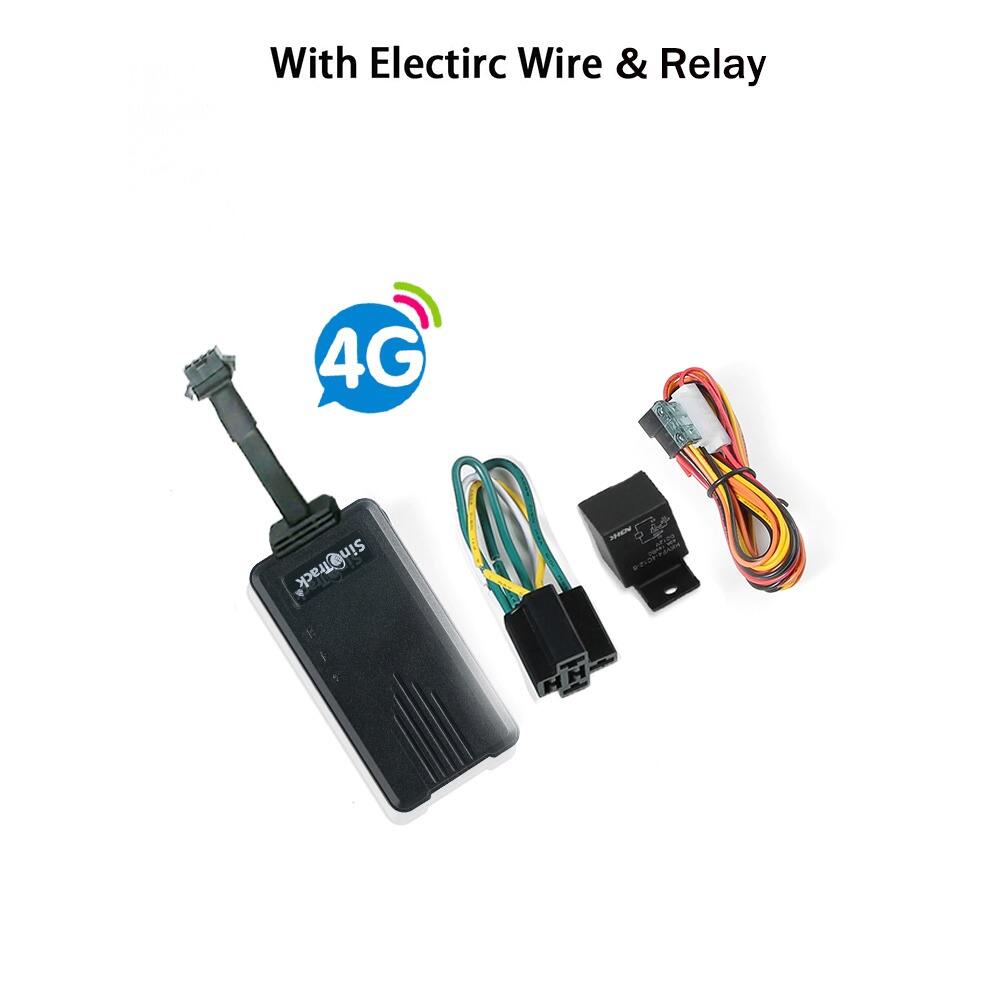
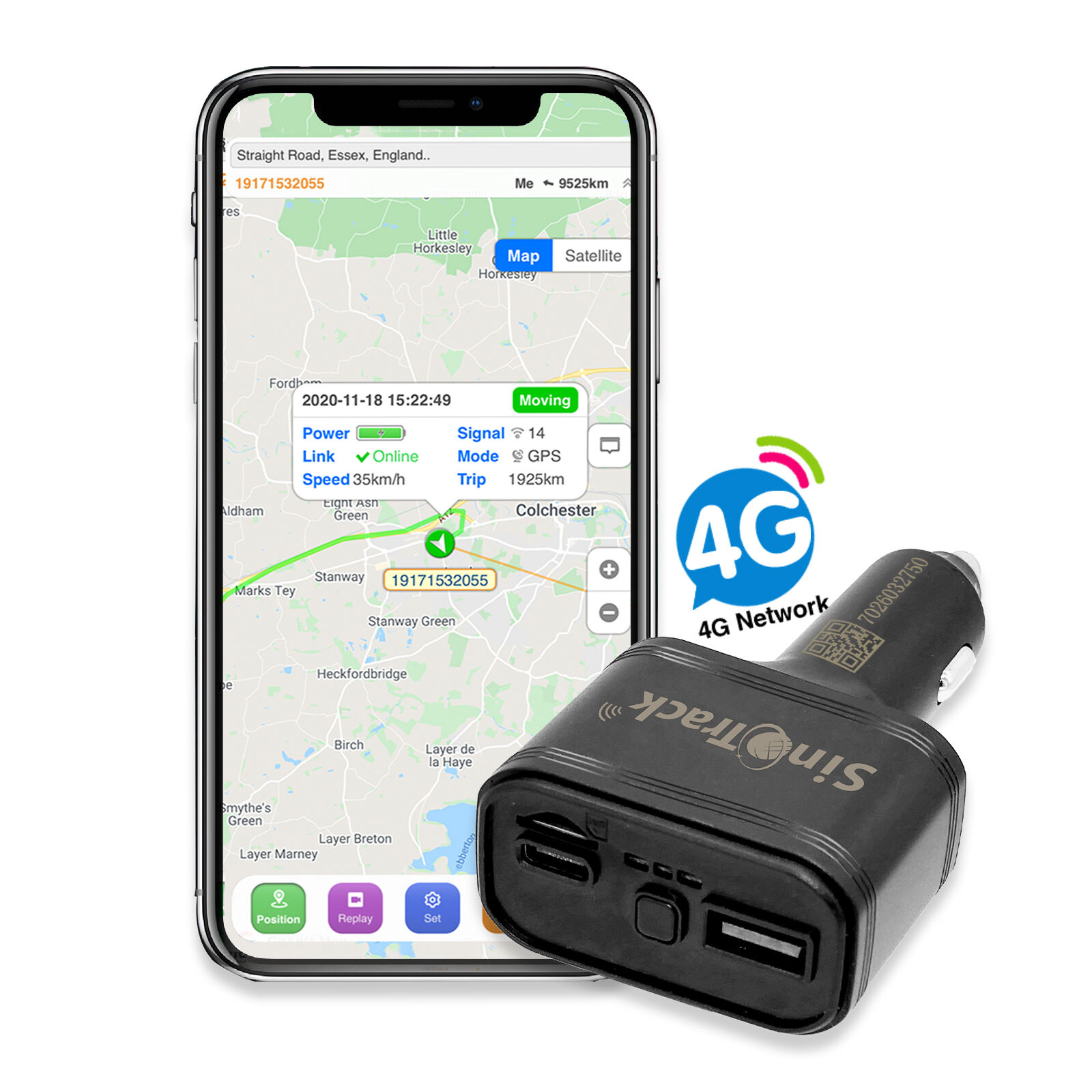
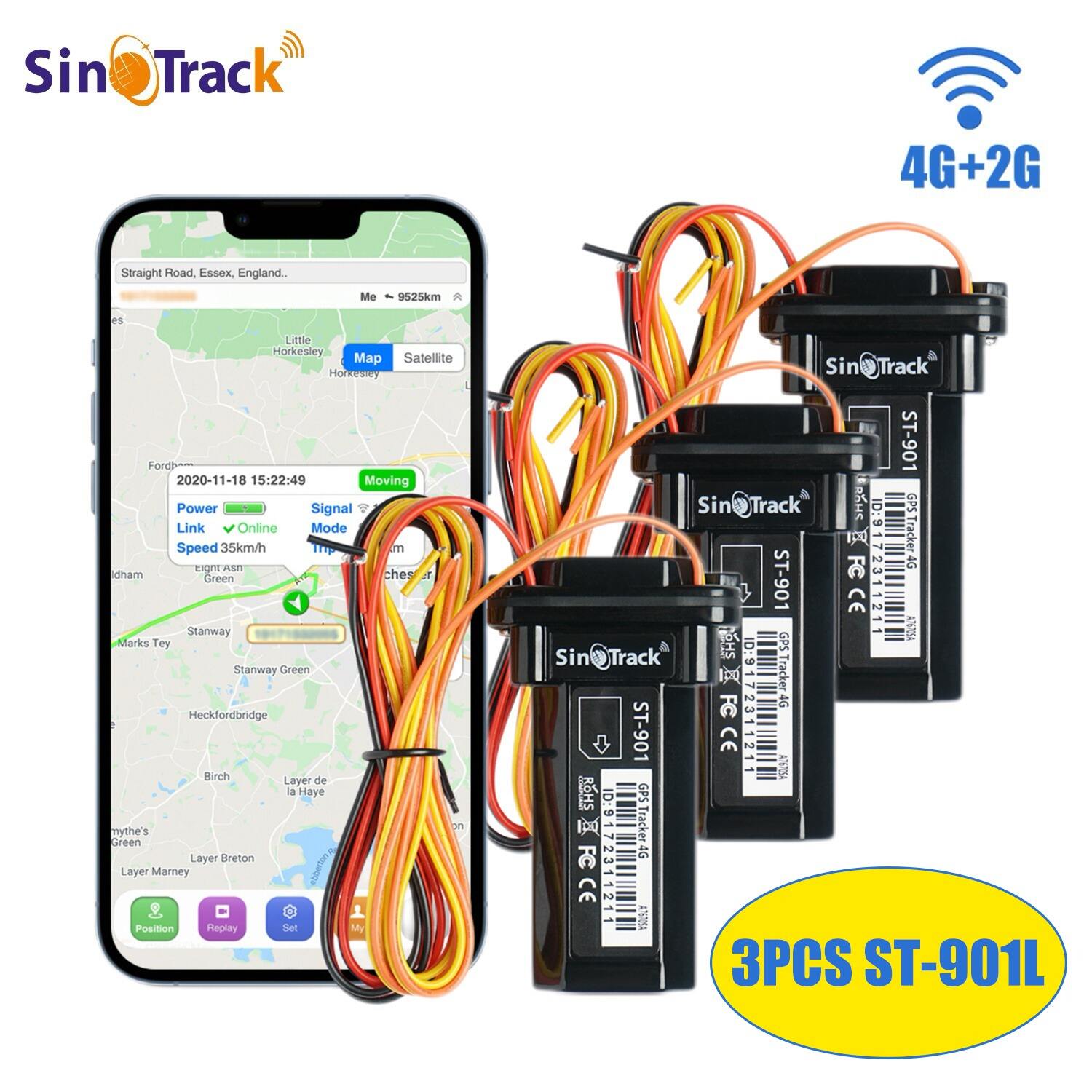
gps tractor tracker
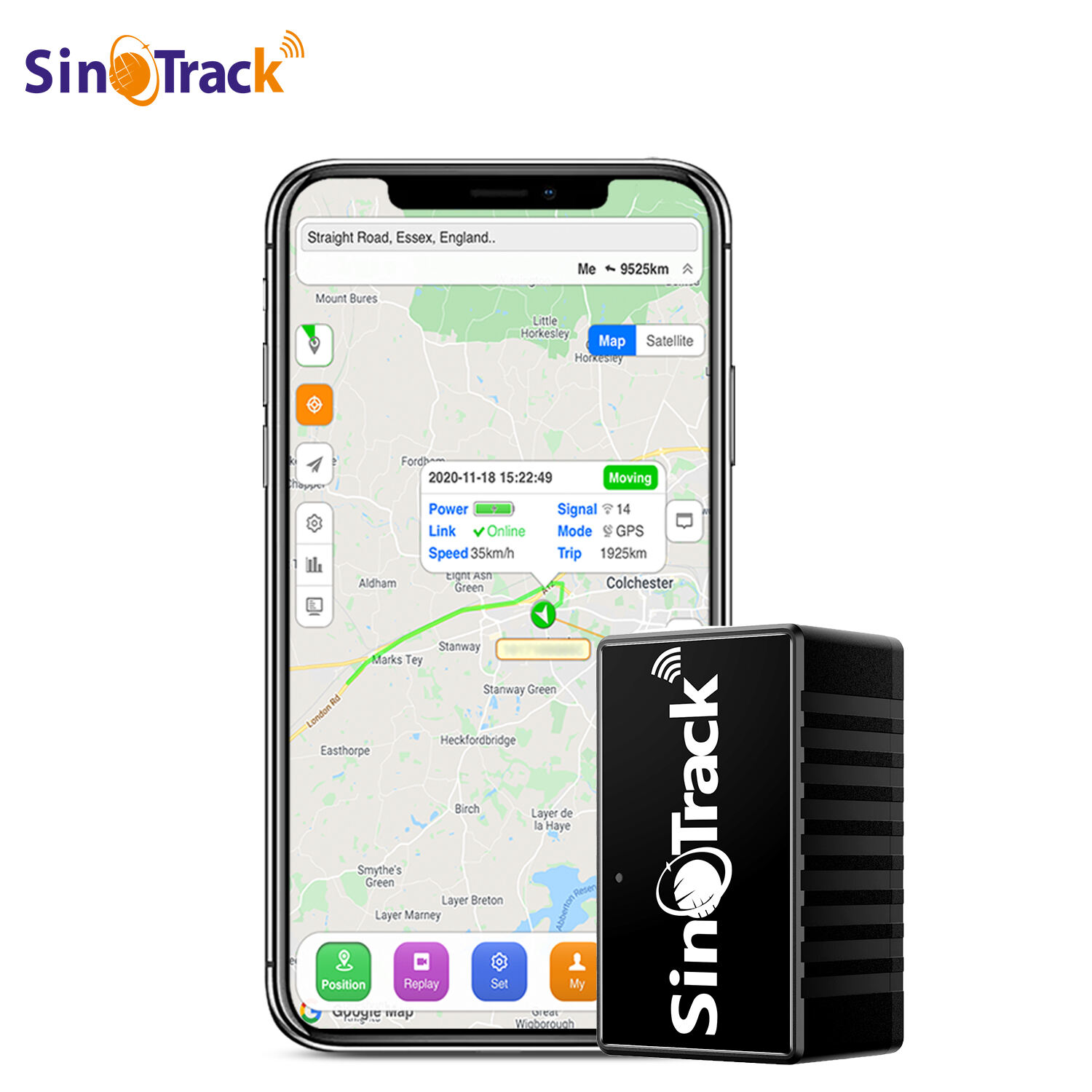
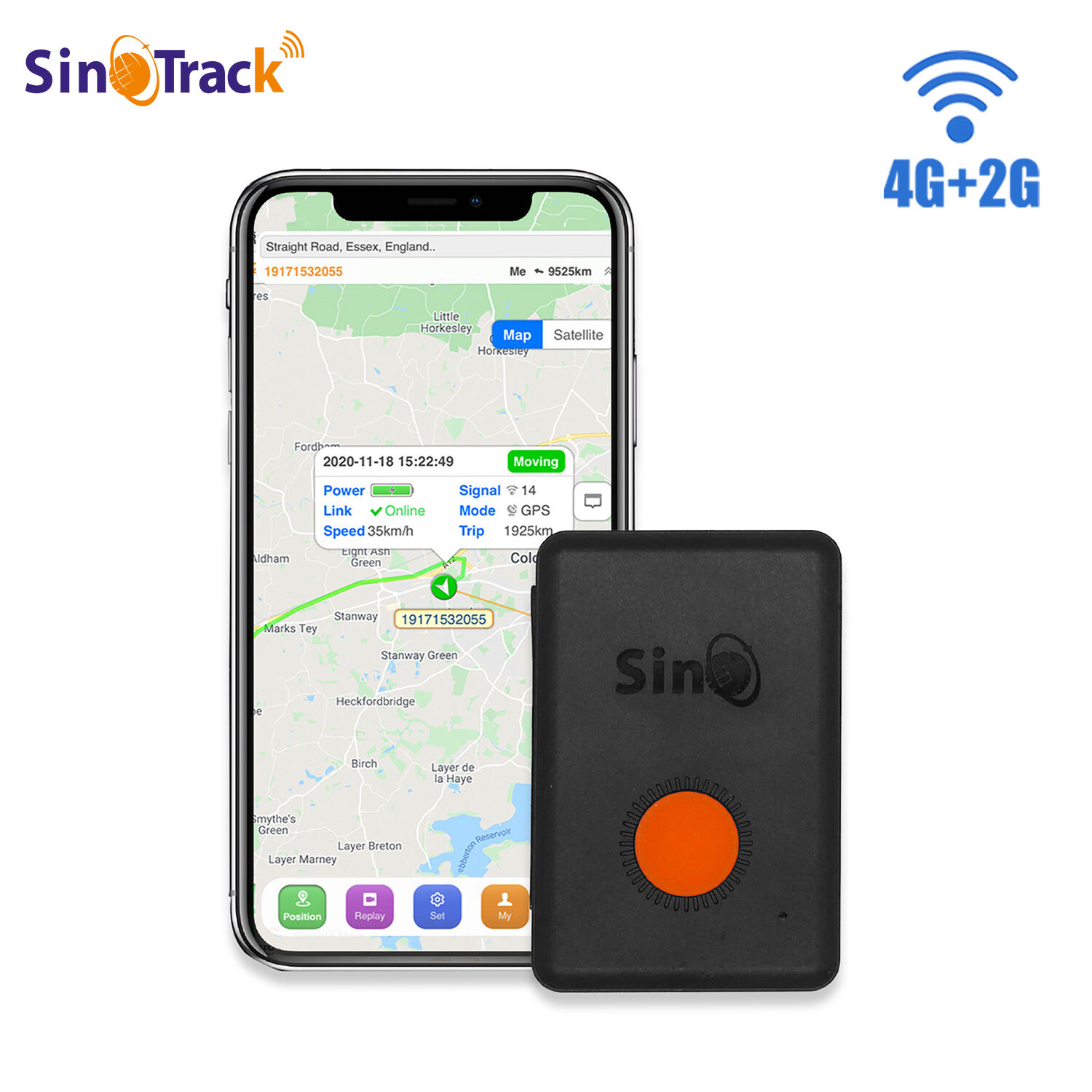
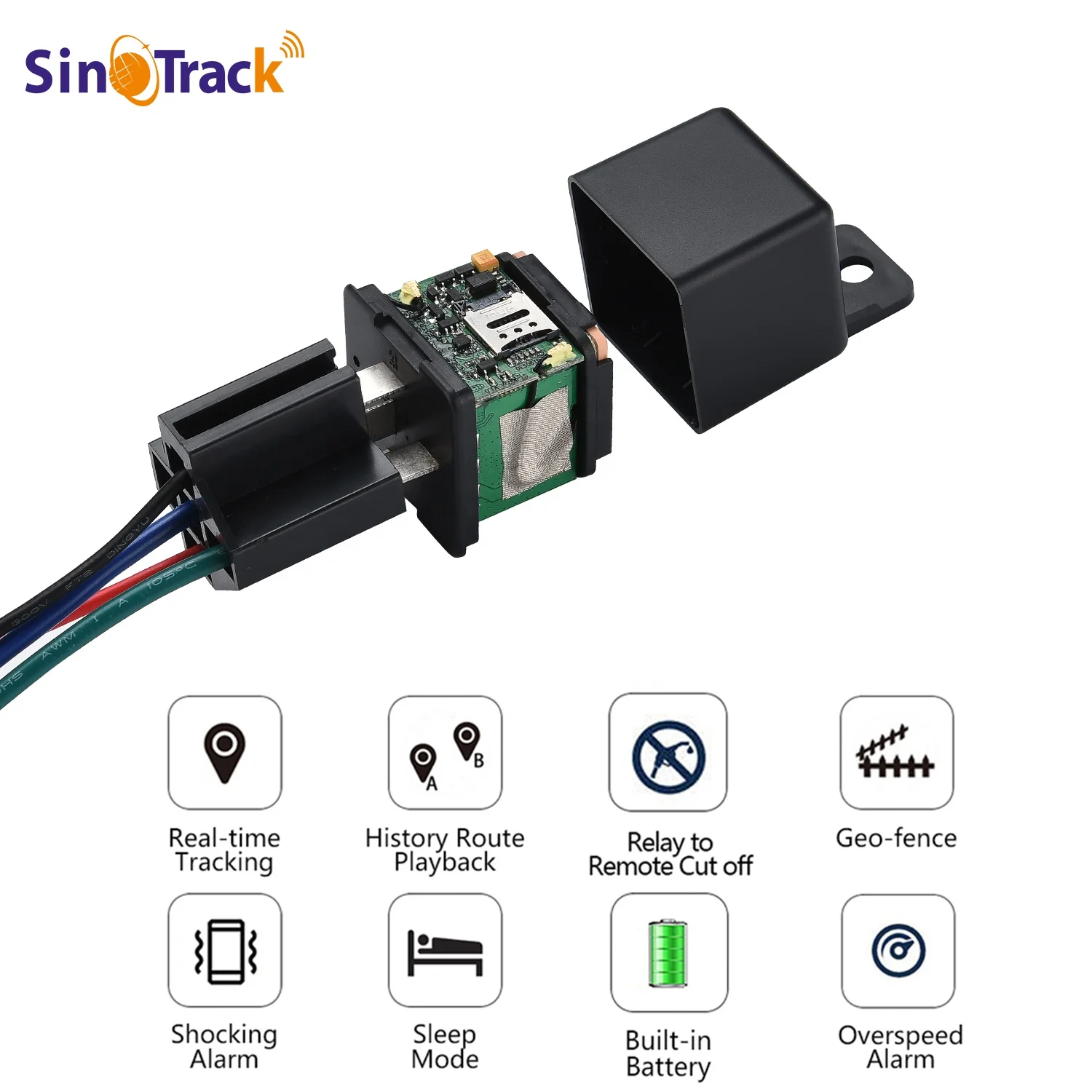
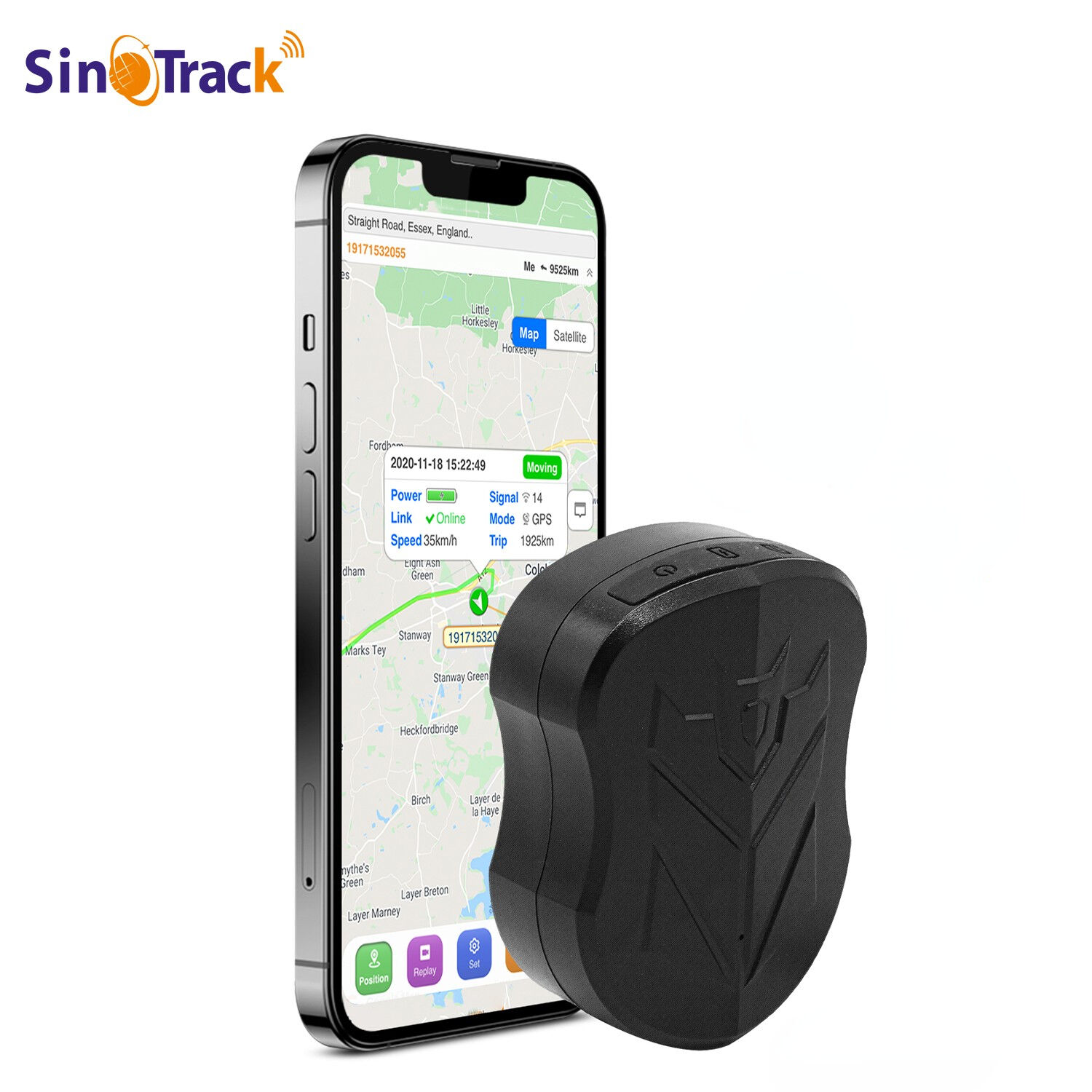
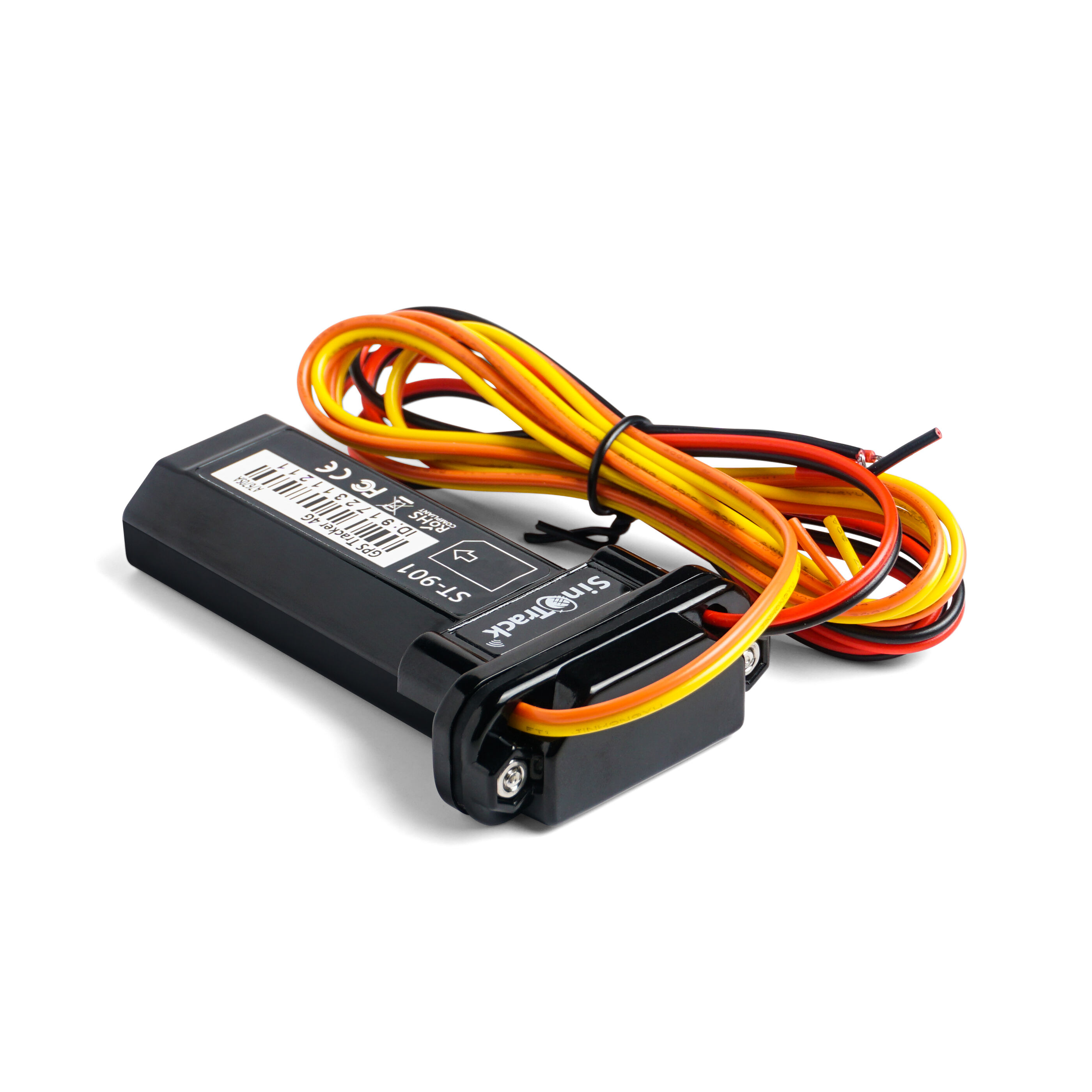
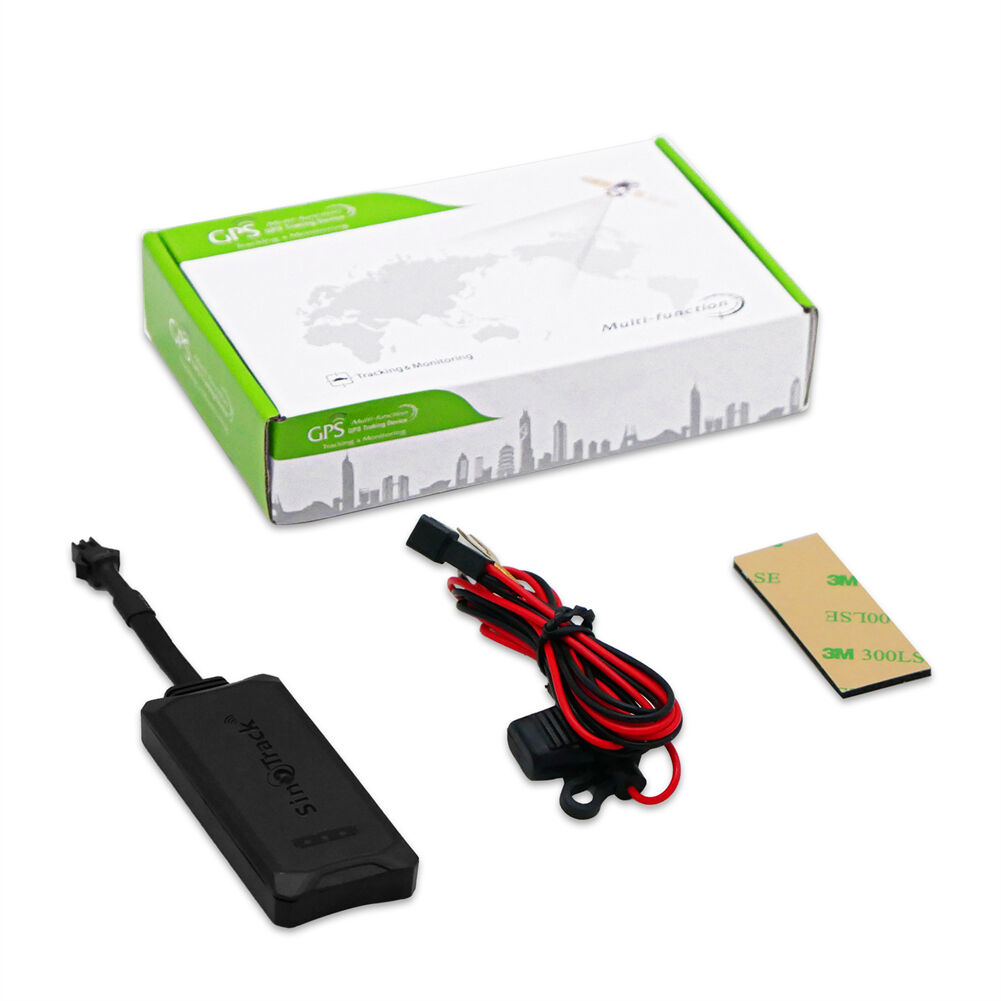
A GPS tractor tracker represents a cutting-edge agricultural technology solution designed specifically for modern farming operations. This sophisticated device combines global positioning system technology with advanced telematics to provide comprehensive monitoring and management capabilities for agricultural vehicles. The GPS tractor tracker serves as an essential tool for farmers, fleet managers, and agricultural businesses seeking to optimize their operations through precise location tracking, performance monitoring, and data-driven insights. The primary functions of a GPS tractor tracker encompass real-time location monitoring, route optimization, fuel consumption tracking, and operational efficiency analysis. These devices continuously collect and transmit data about tractor movements, working hours, idle time, and field coverage patterns. Advanced models incorporate geofencing capabilities, allowing users to establish virtual boundaries and receive instant notifications when vehicles enter or exit designated areas. The technological features of modern GPS tractor trackers include high-precision satellite connectivity, robust weatherproof construction, long-lasting battery systems, and wireless communication protocols. Many units feature integrated sensors that monitor engine diagnostics, hydraulic system performance, and implement usage statistics. The data collection capabilities extend to maintenance scheduling, operator behavior analysis, and productivity measurements across different field conditions. Agricultural applications for GPS tractor trackers span across various farming sectors including crop production, livestock management, and specialty agriculture. Large-scale operations utilize these systems for coordinating multiple vehicles, optimizing field patterns, and ensuring efficient resource allocation. Smaller farms benefit from improved cost management, theft prevention, and operational transparency. The integration with farm management software platforms enables comprehensive record-keeping for regulatory compliance, insurance purposes, and seasonal planning. Environmental monitoring features help farmers implement sustainable practices through precise application mapping and reduced overlap in field operations.
 EN
EN