Advanced Truck Fleet Tracking Solutions - Real-Time GPS Monitoring & Fleet Management

All Categories

truck fleet tracking

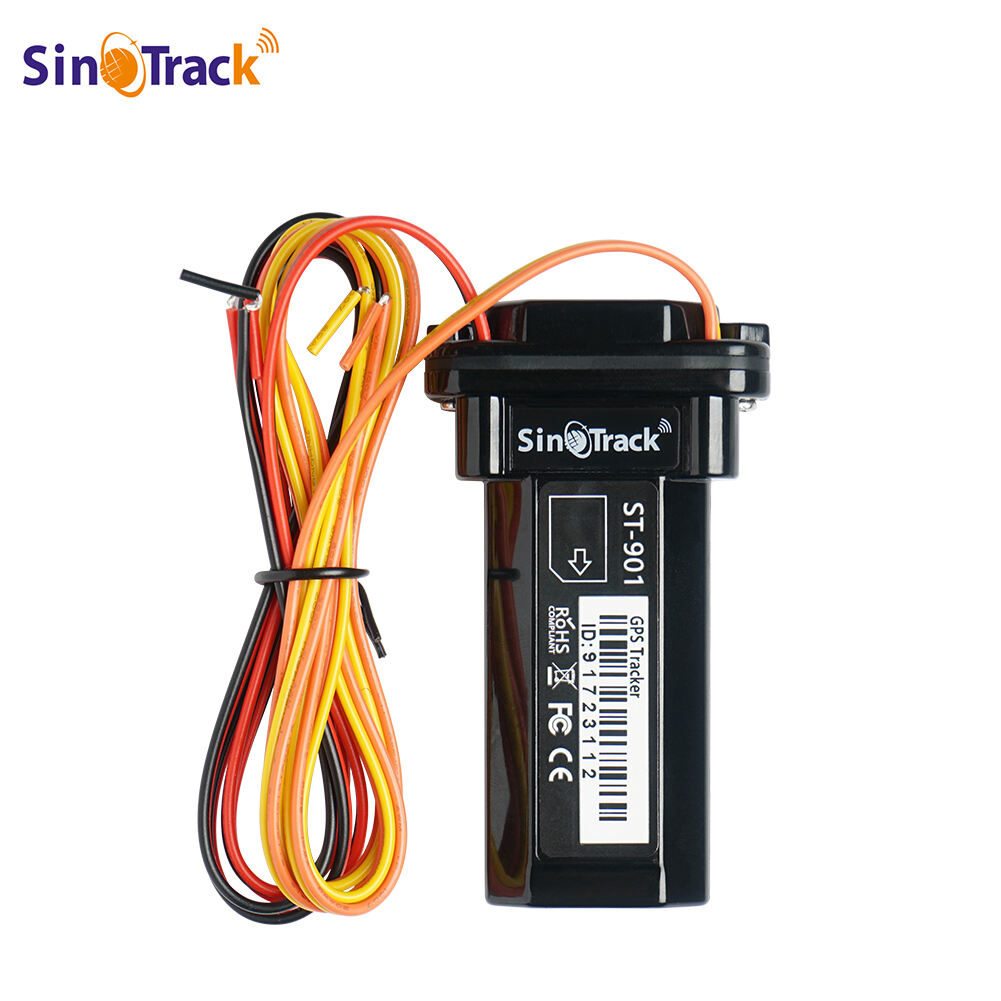
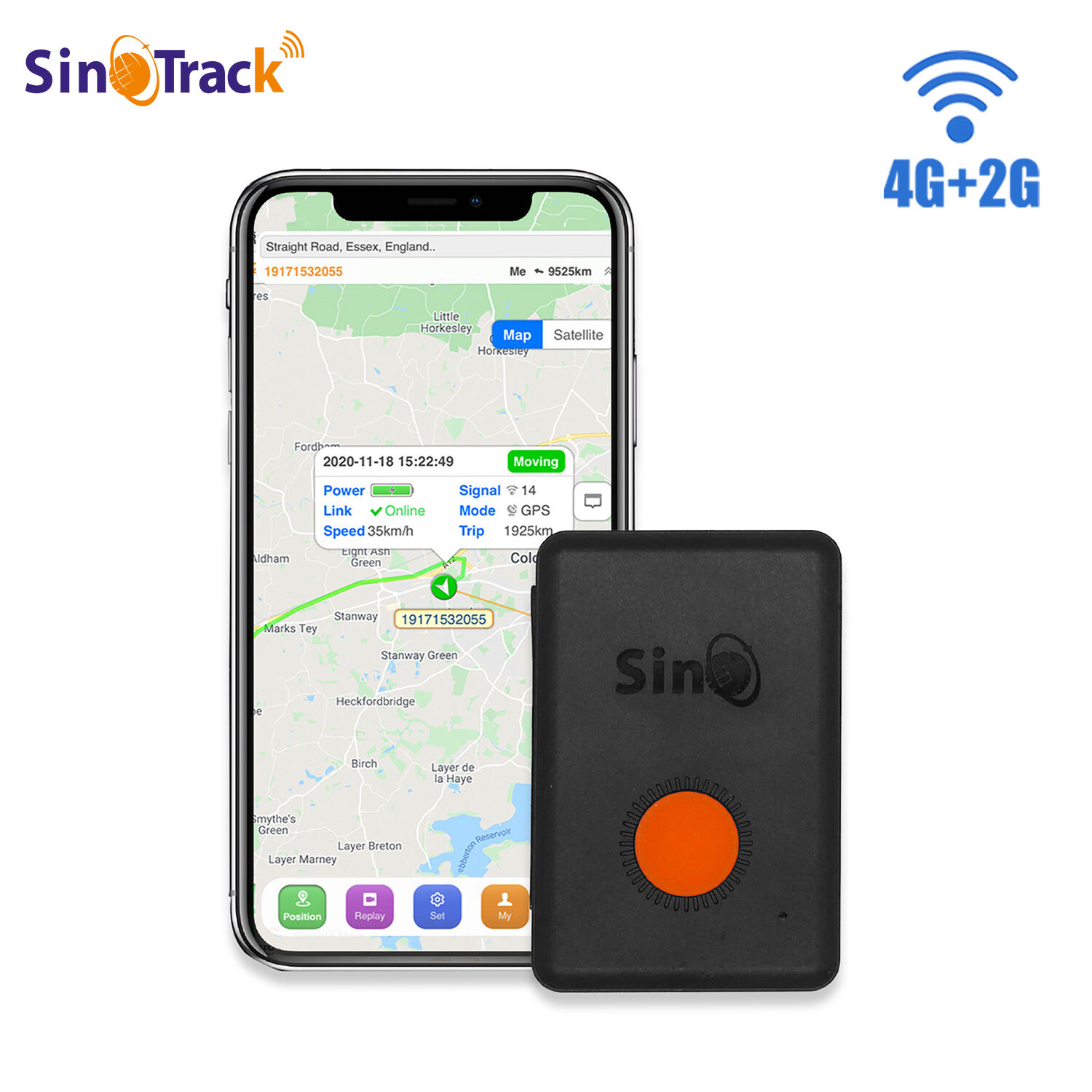
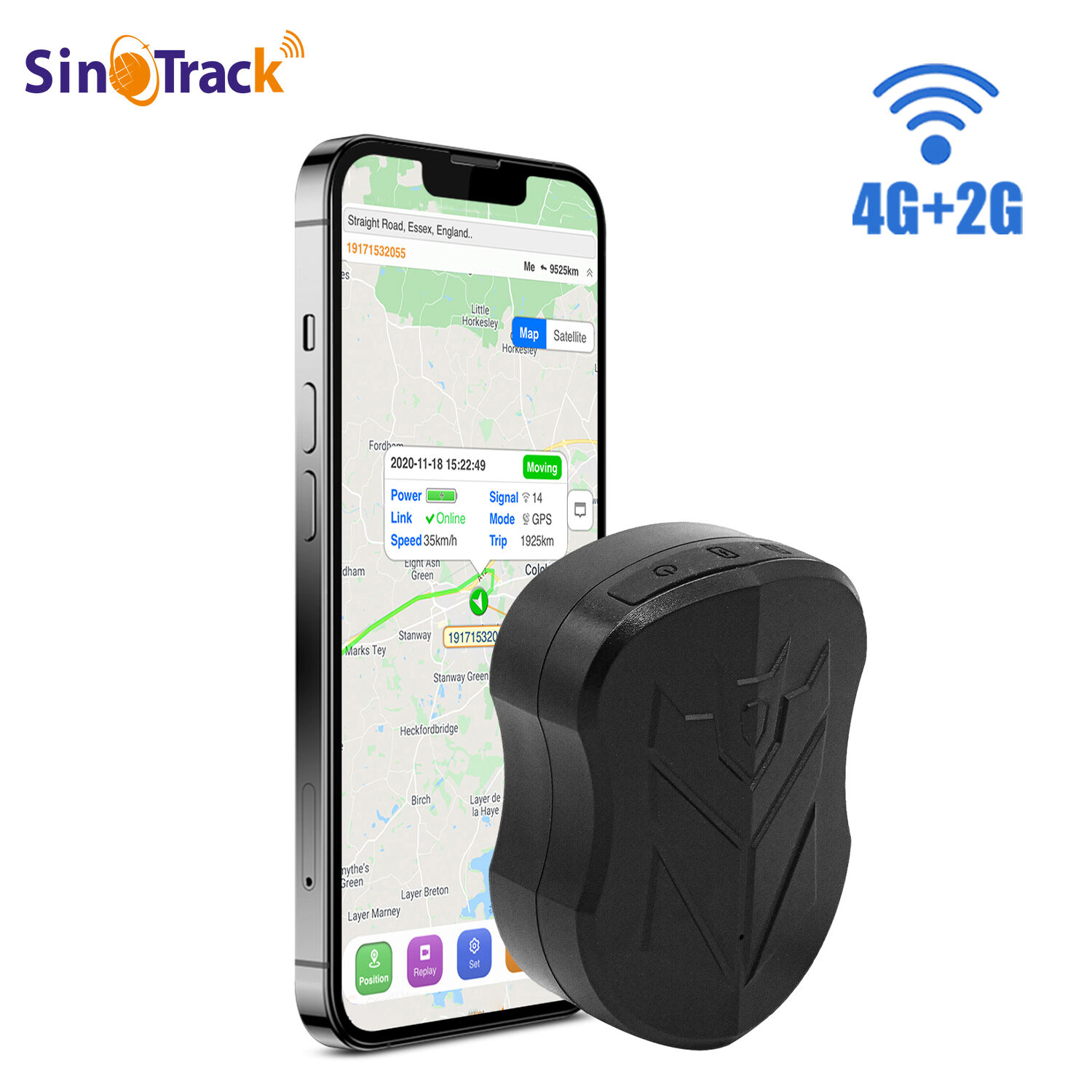
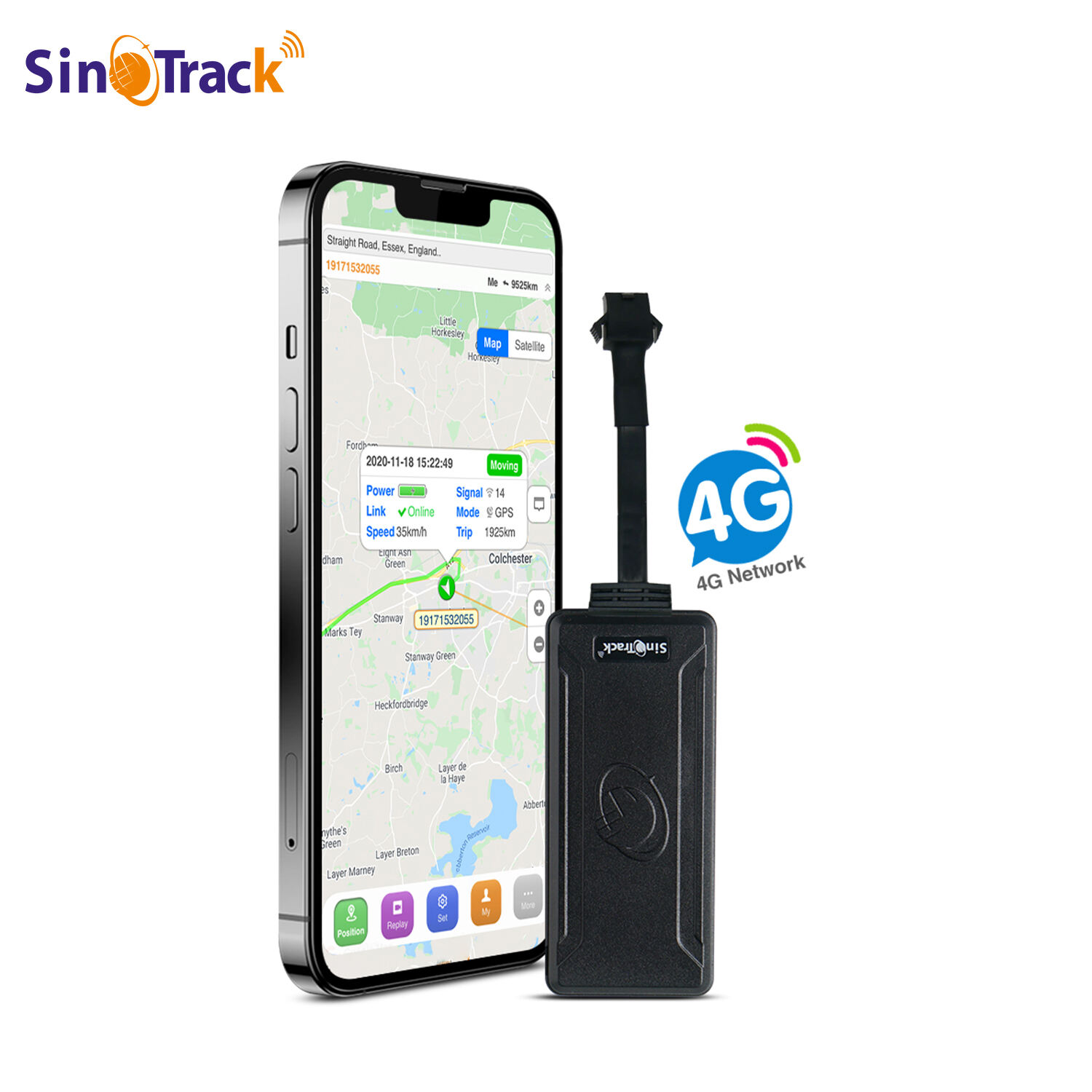
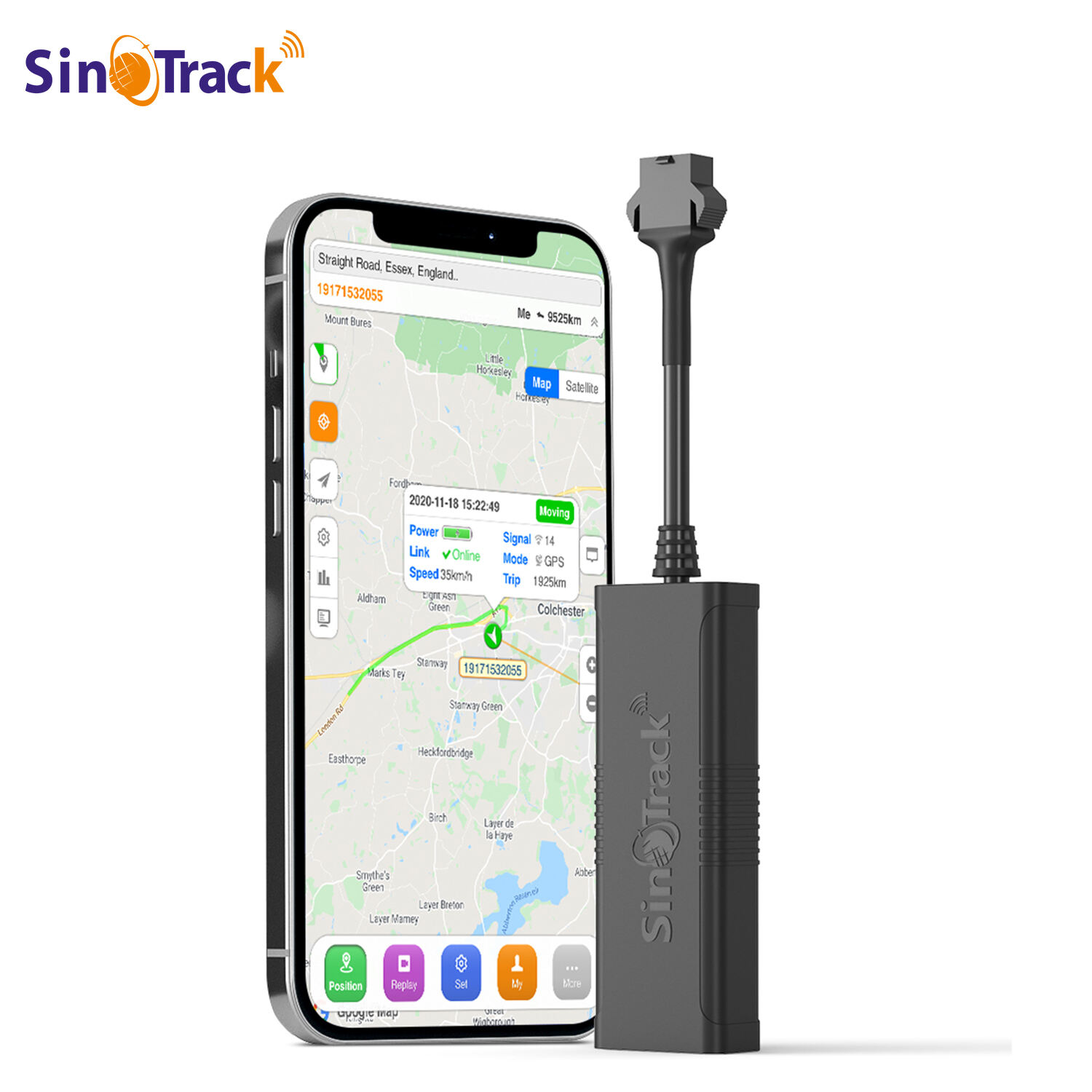
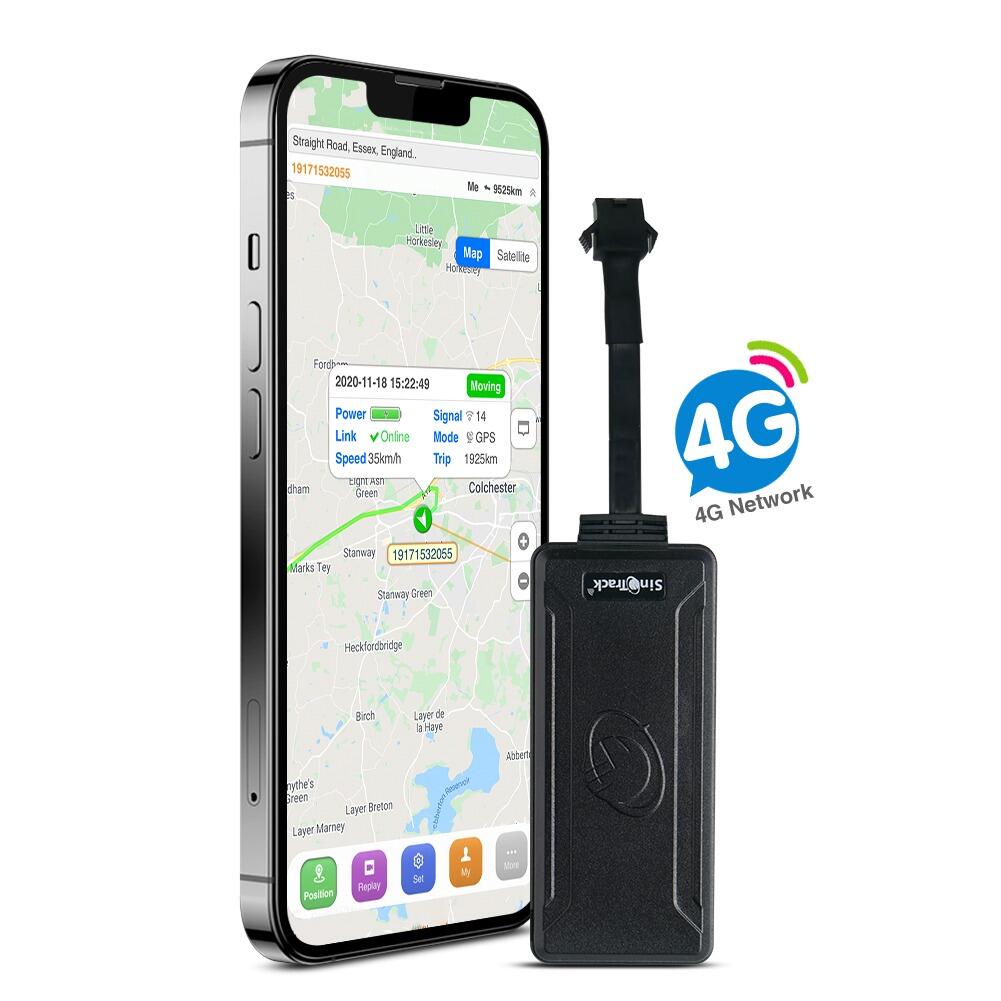
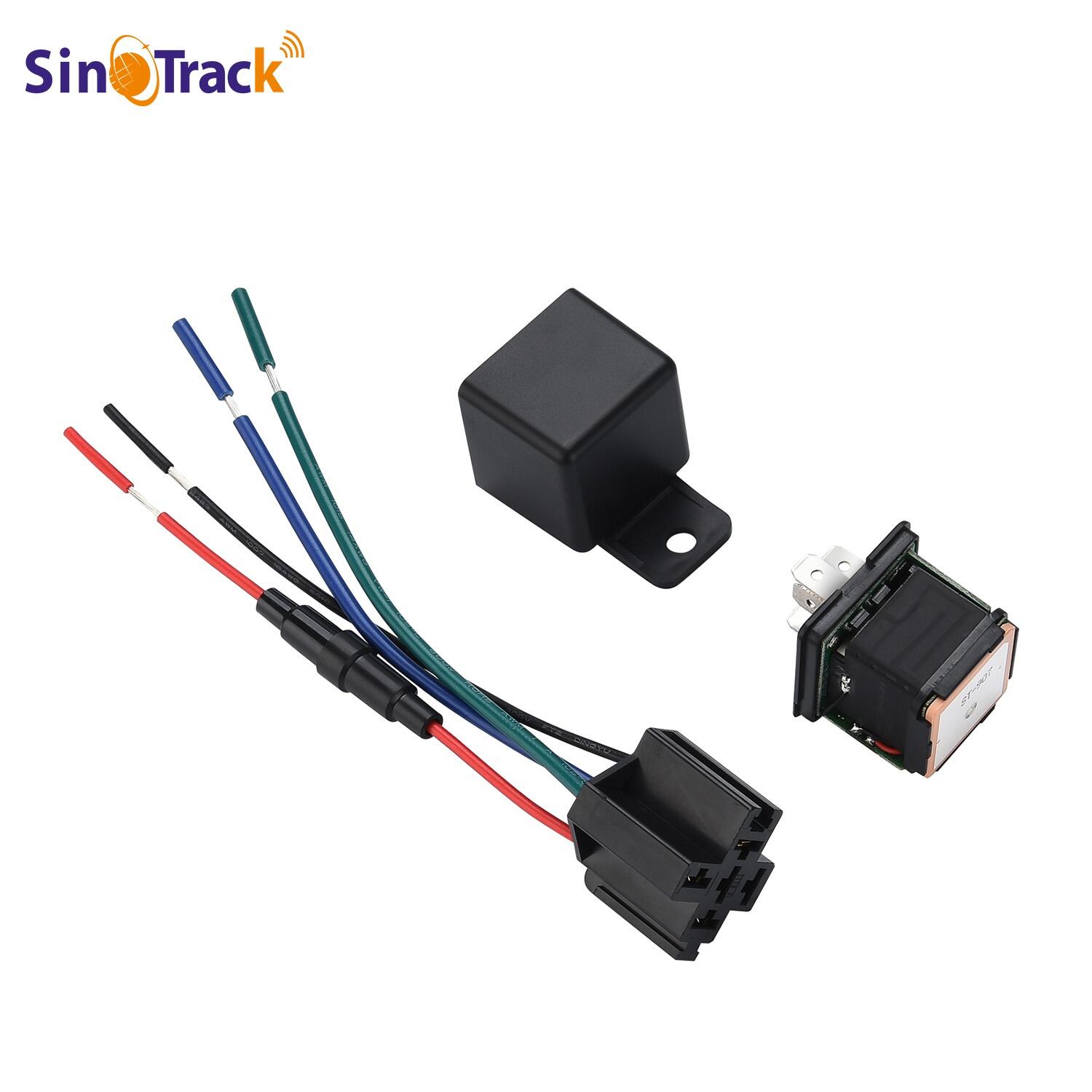
Truck fleet tracking represents a comprehensive technological solution that enables businesses to monitor, manage, and optimize their commercial vehicle operations in real-time. This sophisticated system combines GPS technology, telematics devices, and cloud-based software platforms to provide complete visibility into fleet activities. Modern truck fleet tracking solutions utilize advanced hardware installed directly in vehicles, collecting data on location, speed, fuel consumption, engine diagnostics, and driver behavior patterns. The core functionality revolves around real-time positioning services that allow fleet managers to track every vehicle's exact location, route history, and current status through intuitive dashboard interfaces. These systems integrate multiple data sources including GPS satellites, cellular networks, and onboard vehicle sensors to create a comprehensive monitoring ecosystem. Fleet tracking platforms offer automated reporting capabilities, generating detailed analytics on vehicle utilization, maintenance schedules, and operational efficiency metrics. The technology supports geofencing features that create virtual boundaries around specific locations, triggering alerts when vehicles enter or exit designated areas. Advanced truck fleet tracking systems include driver identification capabilities through RFID cards or mobile applications, ensuring accurate trip logging and accountability. Modern solutions incorporate artificial intelligence algorithms that analyze driving patterns, predict maintenance needs, and optimize route planning based on traffic conditions and historical data. Integration capabilities allow these systems to connect with existing business software including accounting platforms, dispatch systems, and customer relationship management tools. The scalability of truck fleet tracking technology accommodates operations ranging from small delivery services with just a few vehicles to large transportation companies managing hundreds of trucks across multiple regions. Cloud-based architecture ensures data accessibility from any internet-connected device, enabling remote fleet management and real-time decision-making capabilities for transportation businesses seeking operational excellence.

New Product Recommendations

Truck fleet tracking delivers substantial cost savings through improved fuel efficiency and reduced operational expenses. Fleet managers can monitor driving behaviors such as excessive idling, harsh acceleration, and speeding, which directly impact fuel consumption and vehicle wear. By addressing these issues, companies typically reduce fuel costs by fifteen to twenty percent within the first year of implementation. The system provides real-time traffic updates and route optimization recommendations, helping drivers avoid congested areas and select the most efficient paths to their destinations. This capability reduces travel time, improves delivery schedules, and increases the number of jobs completed per day. Enhanced security features protect valuable assets and cargo through continuous monitoring and immediate theft alerts. When unauthorized vehicle movement occurs, the system sends instant notifications to fleet managers and can provide law enforcement with precise location data for rapid recovery. Driver safety improvements result from comprehensive monitoring of driving habits, speed compliance, and adherence to hours of service regulations. Fleet managers can identify risky driving patterns and provide targeted training to reduce accident rates and insurance premiums. Maintenance scheduling becomes proactive rather than reactive, as the system monitors engine diagnostics, mileage intervals, and component wear indicators. This approach prevents costly breakdowns, extends vehicle lifespan, and ensures compliance with safety regulations. Customer service quality increases through accurate delivery time estimates and real-time shipment tracking capabilities. Clients receive automatic updates about their deliveries, reducing customer service calls and improving satisfaction scores. Administrative efficiency improves significantly as manual paperwork decreases and automated reporting systems generate comprehensive operational data. Fleet managers can analyze performance metrics, identify trends, and make data-driven decisions to optimize their operations. Compliance with regulatory requirements becomes streamlined through automated logging of driver hours, vehicle inspections, and maintenance records. Insurance benefits often include reduced premiums due to improved safety records and the ability to provide detailed incident reports. The technology enables rapid response to emergencies, roadside assistance requests, and customer inquiries through precise vehicle location data and communication capabilities.

Practical Tips

Best Car GPS Trackers for Fleet Management Solutions

10

Sep

Best Car GPS Trackers for Fleet Management Solutions

Revolutionizing Fleet Operations with Advanced GPS Tracking Technology The landscape of fleet management has undergone a remarkable transformation with the integration of car GPS trackers. These sophisticated devices have become indispensable tools f...
View More
Installing and Using Pet GPS Trackers Effectively

26

Sep

Installing and Using Pet GPS Trackers Effectively

Understanding Modern Pet GPS Tracking Technology The evolution of pet tracking technology has transformed the way we care for and protect our beloved animal companions. Pet GPS trackers have become increasingly sophisticated, offering pet owners unpr...
View More
4G GPS Tracker Security Features You Need to Know

29

Oct

4G GPS Tracker Security Features You Need to Know

Advanced Security Capabilities of Modern GPS Tracking Systems The evolution of tracking technology has brought unprecedented capabilities to businesses and individuals alike. At the forefront of this revolution stands the 4g gps tracker, combining hi...
View More
2025 Best GPS Tracker Devices: Expert Buying Guide

13

Nov

2025 Best GPS Tracker Devices: Expert Buying Guide

Modern vehicle security and fleet management have evolved significantly with the advancement of GPS tracking technology. A reliable gps tracker serves as an essential tool for businesses, individuals, and fleet operators who need real-time location m...
View More

Get a Free Quote

Our representative will contact you soon.
Email
Name
Company Name
Message
0/1000

truck fleet tracking

Real-Time GPS Monitoring and Route Optimization

Real-Time GPS Monitoring and Route Optimization

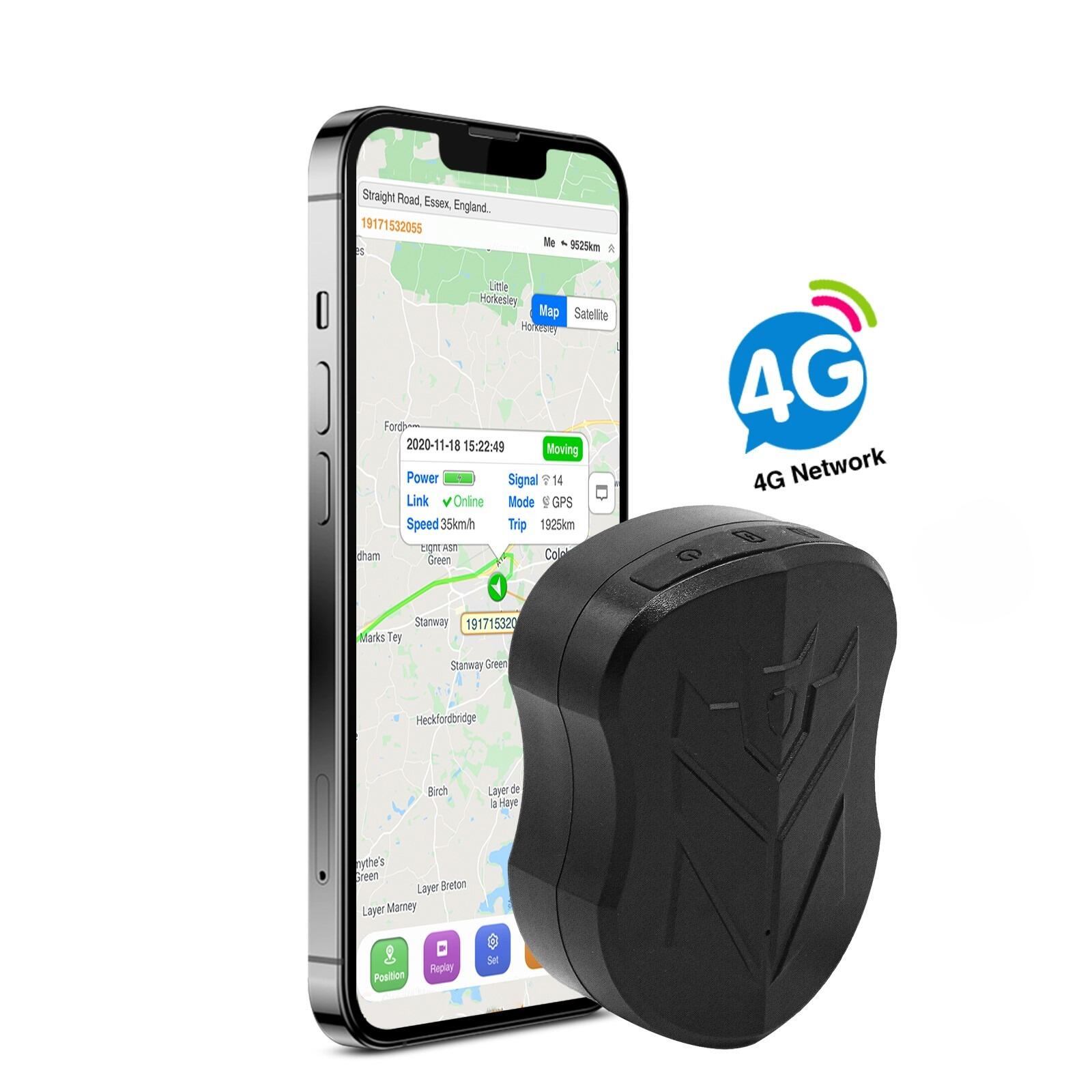
The cornerstone feature of truck fleet tracking systems lies in their sophisticated real-time GPS monitoring capabilities that provide unprecedented visibility into vehicle locations and movement patterns. This technology utilizes a network of satellites combined with cellular communication to deliver precise positioning data with accuracy typically within three to five meters. Fleet managers gain access to live maps displaying all vehicles simultaneously, complete with detailed information including current speed, direction of travel, and estimated arrival times. The system continuously updates vehicle positions every thirty seconds to two minutes, depending on configuration settings, ensuring managers always have current operational intelligence. Route optimization algorithms analyze multiple variables including traffic conditions, road restrictions, vehicle specifications, and delivery priorities to suggest the most efficient paths for each trip. These intelligent routing systems consider factors such as bridge weight limits, hazardous material restrictions, and time-sensitive delivery windows to create optimized travel plans. Historical route data enables managers to identify patterns, evaluate driver performance, and discover opportunities for efficiency improvements. The technology supports dynamic rerouting capabilities that automatically adjust planned routes when unexpected delays or road closures occur. Geofencing functionality creates virtual boundaries around customer locations, warehouses, and restricted areas, triggering automatic notifications when vehicles enter or exit these zones. This feature enables precise tracking of service calls, delivery confirmations, and unauthorized area access. Advanced mapping interfaces provide multiple view options including satellite imagery, street-level detail, and traffic overlay information. Integration with popular navigation applications ensures drivers receive turn-by-turn directions optimized for commercial vehicles. The system maintains comprehensive trip histories, recording detailed logs of stops, travel times, and route deviations for analysis and reporting purposes. Managers can set up custom alerts for various scenarios such as vehicles exceeding speed limits, deviating from assigned routes, or remaining stationary for extended periods. This real-time monitoring capability transforms fleet management from a reactive process to a proactive operation where issues are identified and addressed before they impact customer service or operational efficiency.
Comprehensive Vehicle Diagnostics and Predictive Maintenance

Comprehensive Vehicle Diagnostics and Predictive Maintenance

Modern truck fleet tracking systems incorporate advanced vehicle diagnostics capabilities that monitor critical engine and component parameters to enable predictive maintenance strategies. These systems connect directly to the vehicle's onboard diagnostic port, accessing real-time data from multiple sensors throughout the truck including engine temperature, oil pressure, brake system status, and transmission performance indicators. Sophisticated algorithms analyze this continuous stream of diagnostic information to identify patterns that indicate potential mechanical issues before they result in costly breakdowns or safety hazards. The technology tracks maintenance-critical metrics such as engine hours, mileage intervals, and component usage cycles to generate automated maintenance alerts based on manufacturer specifications and actual operating conditions. Fleet managers receive detailed reports showing upcoming maintenance requirements, allowing them to schedule service appointments during planned downtime rather than experiencing unexpected vehicle failures. The system monitors diagnostic trouble codes in real-time, immediately alerting managers when engine faults or system malfunctions occur, enabling rapid response and preventing minor issues from becoming major repairs. Fuel efficiency monitoring provides detailed analysis of consumption patterns, identifying vehicles that may require tune-ups or repairs to maintain optimal performance. Comprehensive reporting capabilities generate maintenance histories for each vehicle, supporting warranty claims and resale value preservation through documented care records. Integration with maintenance management software streamlines work order creation and parts inventory management. The predictive maintenance approach typically reduces maintenance costs by twenty to thirty percent while improving vehicle reliability and extending operational lifespan. Temperature monitoring for refrigerated units ensures cargo integrity and regulatory compliance for temperature-sensitive shipments. Battery and electrical system monitoring prevents unexpected failures that could leave drivers stranded. Tire pressure monitoring systems help maintain proper inflation levels, reducing fuel consumption and preventing premature tire wear. Engine performance analysis identifies efficiency degradation that may indicate the need for tune-ups or component replacement. The system creates detailed maintenance schedules customized for each vehicle based on actual usage patterns rather than generic manufacturer recommendations, ensuring optimal maintenance timing while avoiding unnecessary service intervals.
Driver Behavior Analytics and Safety Management

Driver Behavior Analytics and Safety Management

Truck fleet tracking systems excel in monitoring and analyzing driver behavior patterns to enhance safety standards, reduce operational risks, and improve overall fleet performance through comprehensive data collection and intelligent reporting capabilities. These sophisticated systems continuously monitor various driving parameters including speed, acceleration patterns, braking intensity, cornering forces, and idle time to create detailed driver scorecards that objectively measure performance against established safety standards. The technology identifies specific risky behaviors such as harsh acceleration, sudden braking, aggressive cornering, and excessive speeding, providing fleet managers with actionable data to address safety concerns through targeted coaching and training programs. Advanced algorithms distinguish between different types of driving events, recognizing emergency situations versus poor driving habits to ensure fair and accurate performance evaluations. Real-time alerts notify managers immediately when dangerous driving behaviors occur, enabling prompt intervention and corrective action. The system tracks hours of service compliance automatically, monitoring drive time, break periods, and rest requirements to ensure adherence to federal regulations and prevent driver fatigue-related incidents. Comprehensive safety reports analyze trends across individual drivers and the entire fleet, identifying patterns that may indicate training needs or policy adjustments. Driver identification features ensure accurate attribution of driving events through RFID cards, mobile applications, or biometric systems, maintaining accountability and supporting performance improvement initiatives. The technology supports gamification approaches to safety improvement through driver competitions, recognition programs, and performance incentives based on objective scoring metrics. Integration with dash cameras provides visual context for driving events, enabling managers to review incidents and provide specific feedback during coaching sessions. Customizable scoring algorithms allow fleet managers to weight different safety factors according to their specific operational priorities and risk tolerance levels. The system generates automated safety reports for insurance providers, often resulting in reduced premiums and improved coverage terms based on demonstrated risk reduction. Training recommendations are generated automatically based on individual driver performance data, ensuring targeted skill development where needed most. Parent company reporting capabilities enable large organizations to maintain consistent safety standards across multiple locations and subsidiaries. The technology supports immediate response protocols for emergency situations, providing precise location data for emergency services and enabling rapid assistance deployment when drivers require help.

Get a Free Quote

Our representative will contact you soon.
Email
Name
Company Name
Message
0/1000