1. Introduction: More Than Just a Map
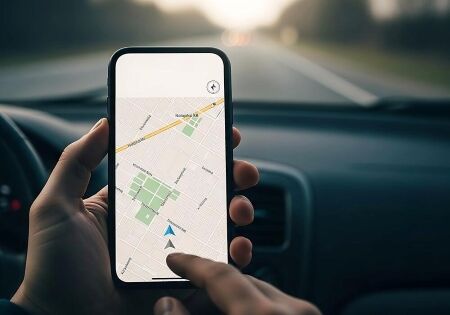
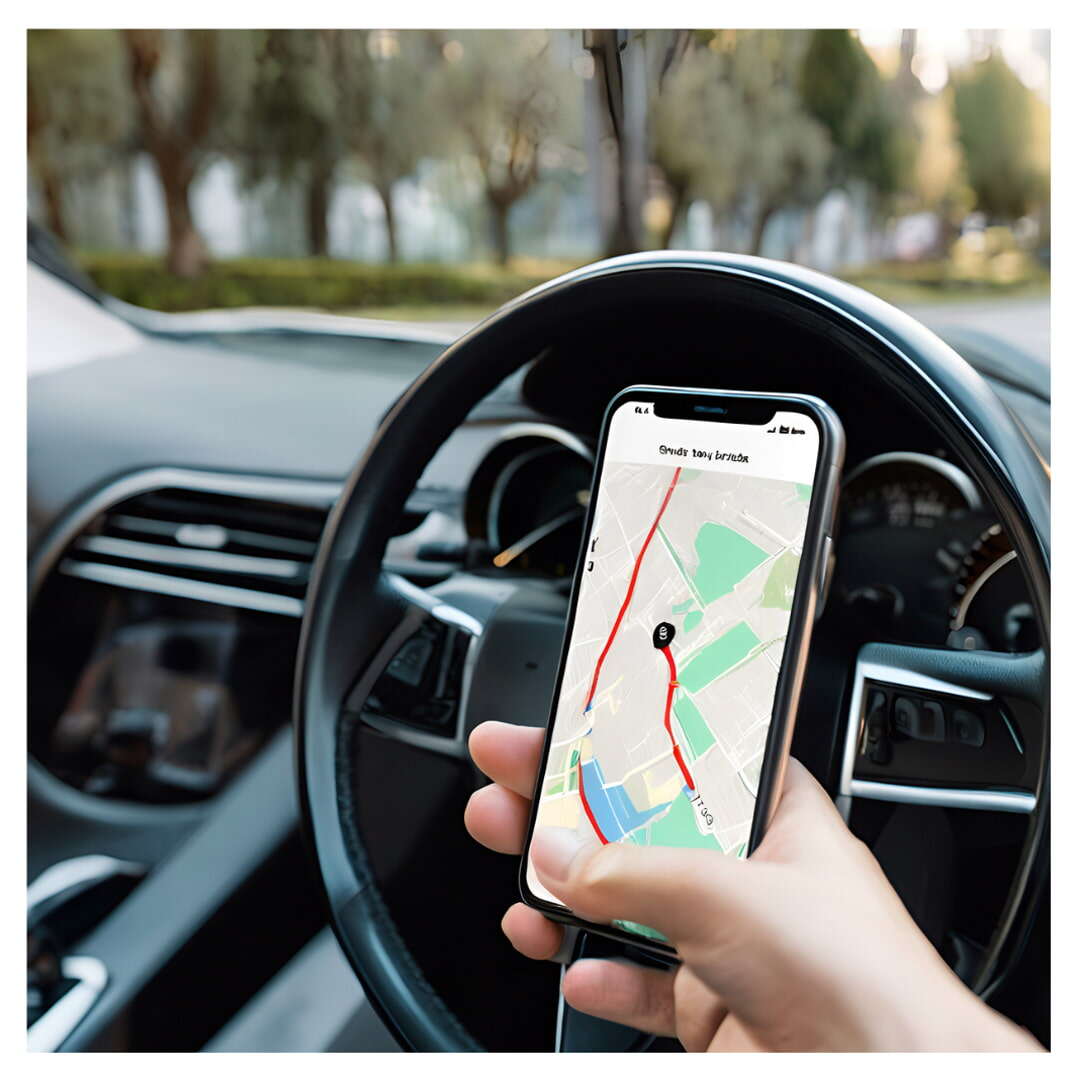
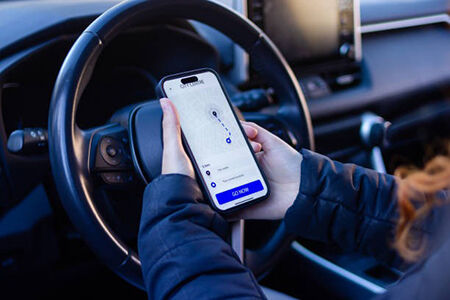
To the end-user, tracking a vehicle looks like a simple blue dot moving across a Google Map. However, beneath that interface lies a complex technological symphony involving billions of dollars of satellite infrastructure and high-speed cellular networks. For SinoTrack users, understanding how this works is key to maximizing the security of their assets. Whether you are using the ST-901L or the ST-905L, your device is a highly advanced computer designed to solve one of the hardest problems in physics: "Where exactly am I on a moving planet?"
2. The First Pillar: Global Positioning System (GPS)
The core of every SinoTrack device is the GPS module. This module communicates with a constellation of over 30 satellites orbiting 20,000 kilometers above Earth.
3. What Happens in the Dark? LBS Positioning Explained
A common question from users is: "Will my tracker work in an underground garage?" This is where LBS (Location Based Service) comes in.
When GPS signals are blocked by thick concrete or metal roofs, SinoTrack trackers switch to LBS. This technology identifies the unique IDs of nearby cellular towers. By measuring the signal strength from three or more towers, the device can estimate its location. While LBS is less precise than GPS (ranging from 100 to 500 meters), it ensures that you never completely lose track of your vehicle. It provides the "last known vicinity," which is often enough for police to begin a search.
4. The Role of AGPS (Assisted GPS)
Ever wonder why SinoTrack devices find their location so quickly after being turned on? This is thanks to AGPS. Traditional GPS can take several minutes to "find" satellites (known as a Cold Start). AGPS uses the cellular network to download a "map" of where the satellites should be. This reduces the time-to-first-fix (TTFF) from minutes to seconds. In a theft situation, those few seconds can be the difference between catching a thief and losing them in traffic.
5. Why 4G LTE is No Longer Optional
As we move into 2025, the transition from 2G to 4G is the most significant trend in the industry.
6. Power Management and Signal Frequency
A 1,500-word deep dive wouldn't be complete without discussing how data frequency affects tracking. Within the SinoTrack Pro app, users can customize the "Upload Interval."
7. Conclusion
SinoTrack doesn't just provide a gadget; we provide a bridge between space-age satellite technology and your smartphone. By combining GPS, LBS, AGPS, and 4G, we ensure that your vehicle is visible in the brightest sunlight and the darkest tunnels.
 EN
EN