Avancerad teknik för realtids-GPS-spårning
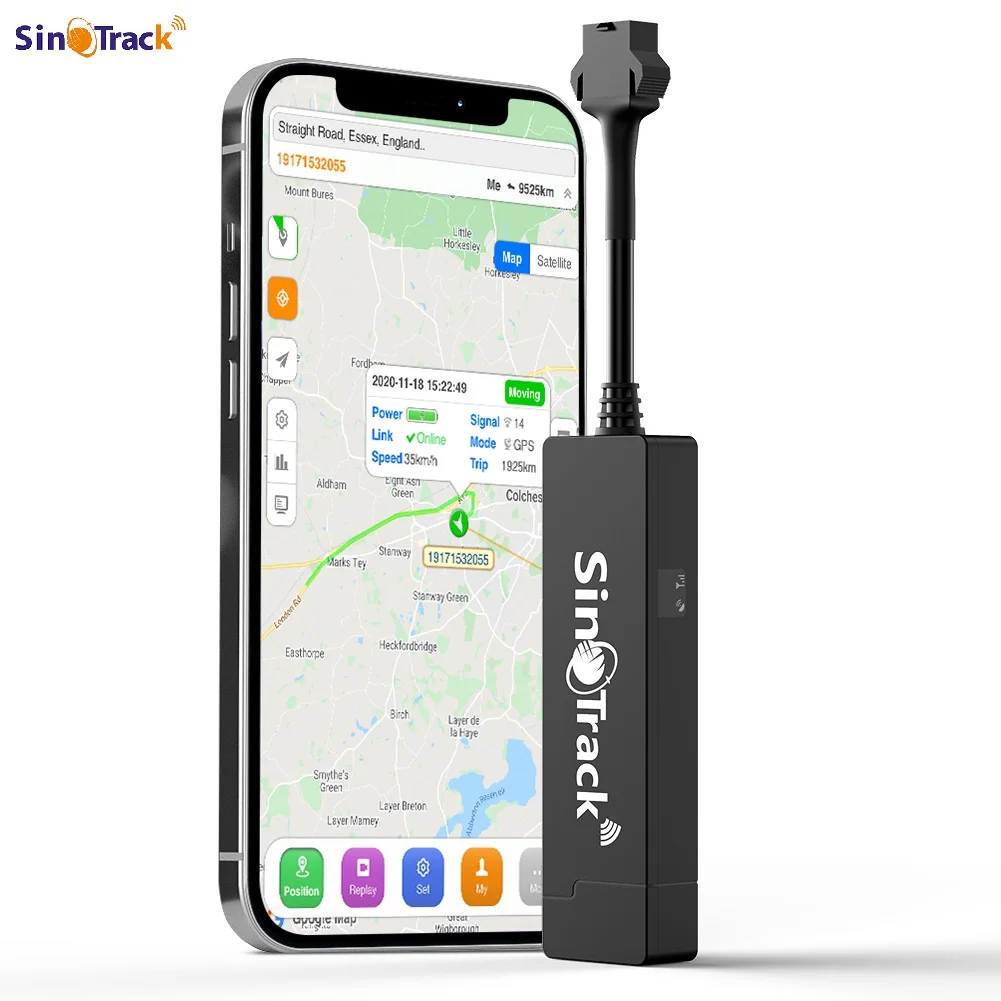
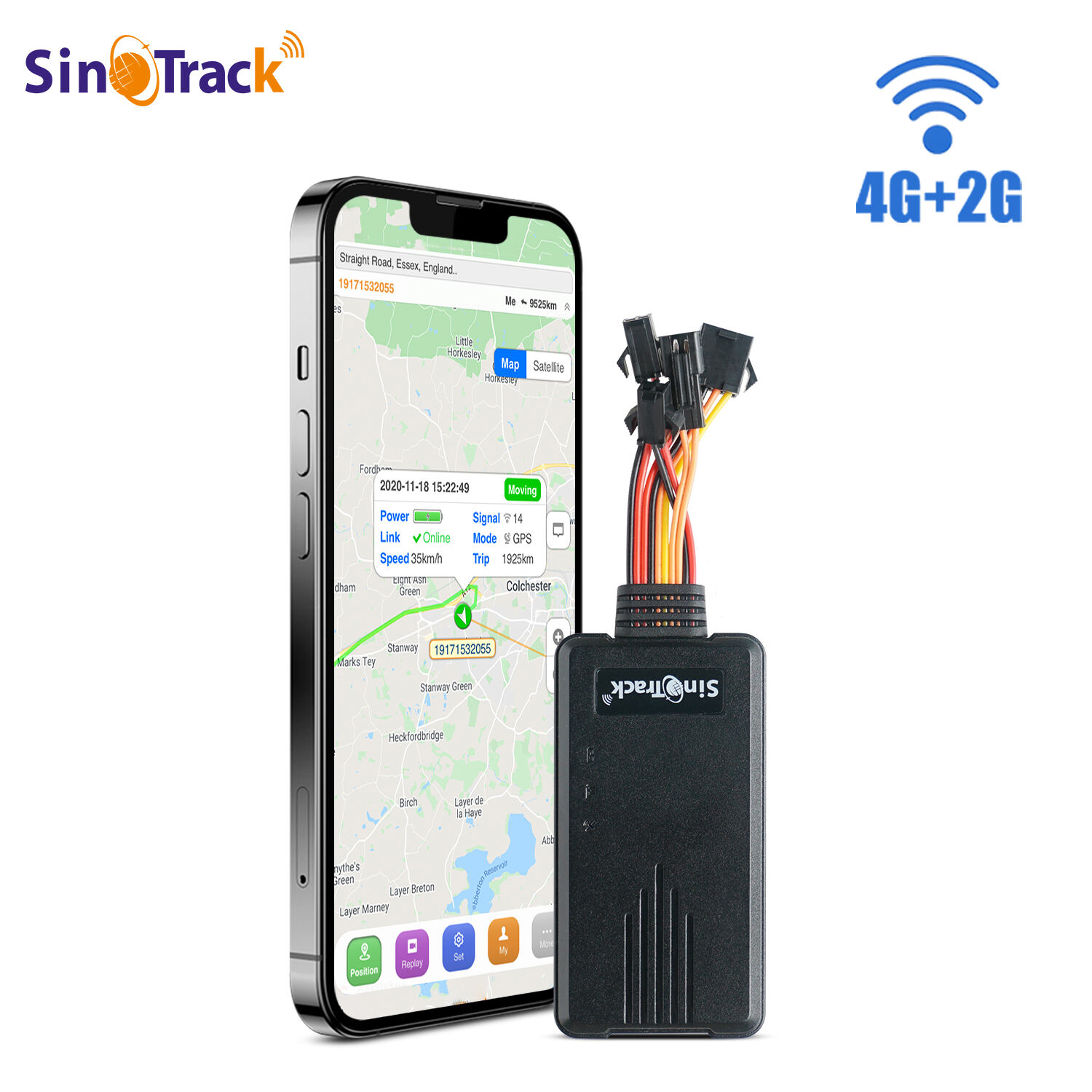
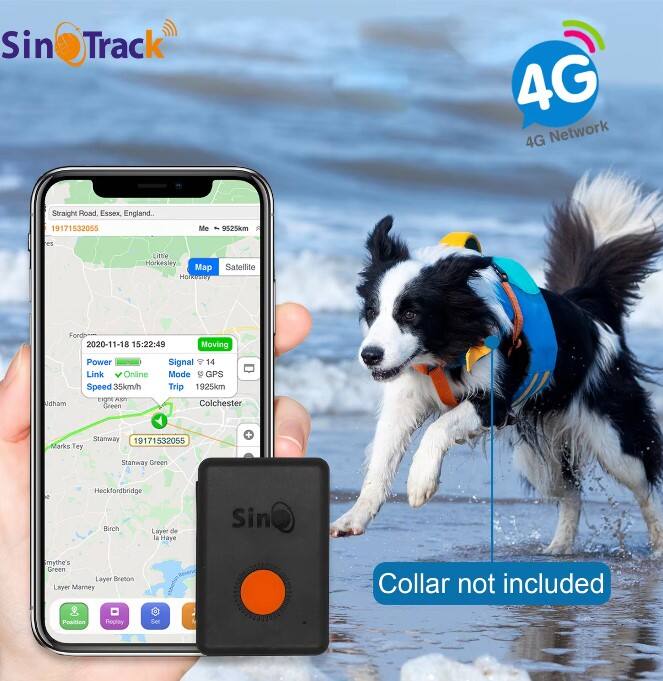
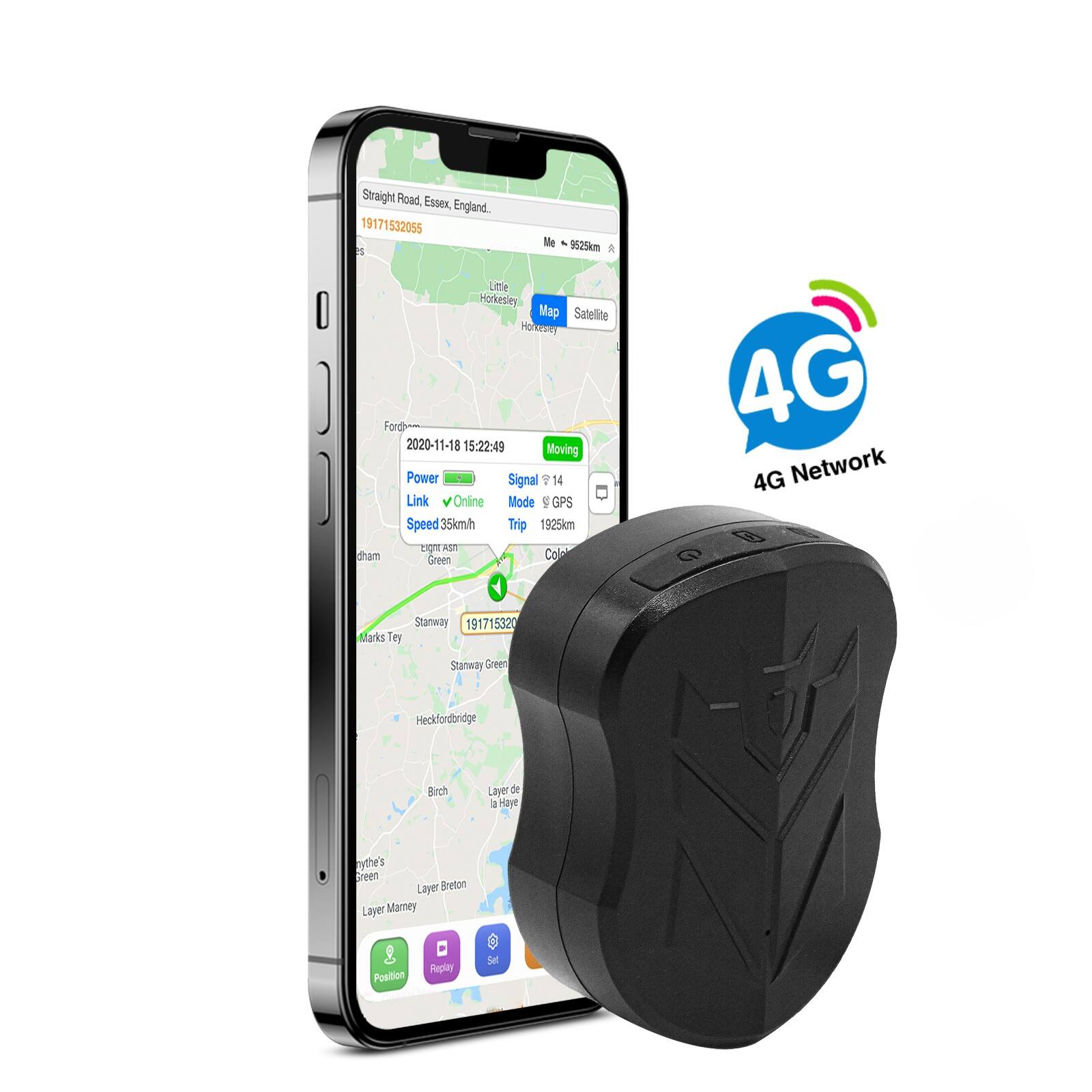
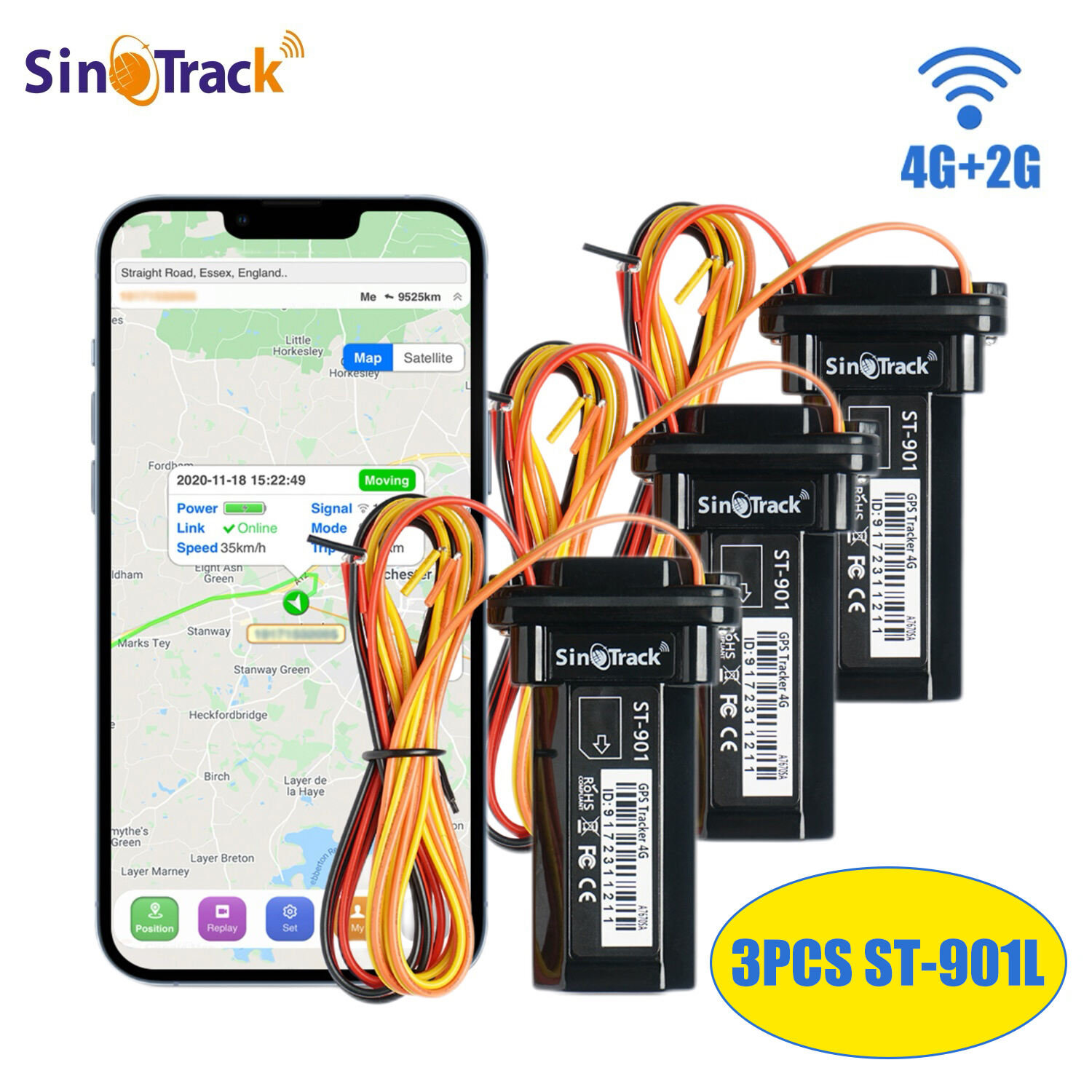
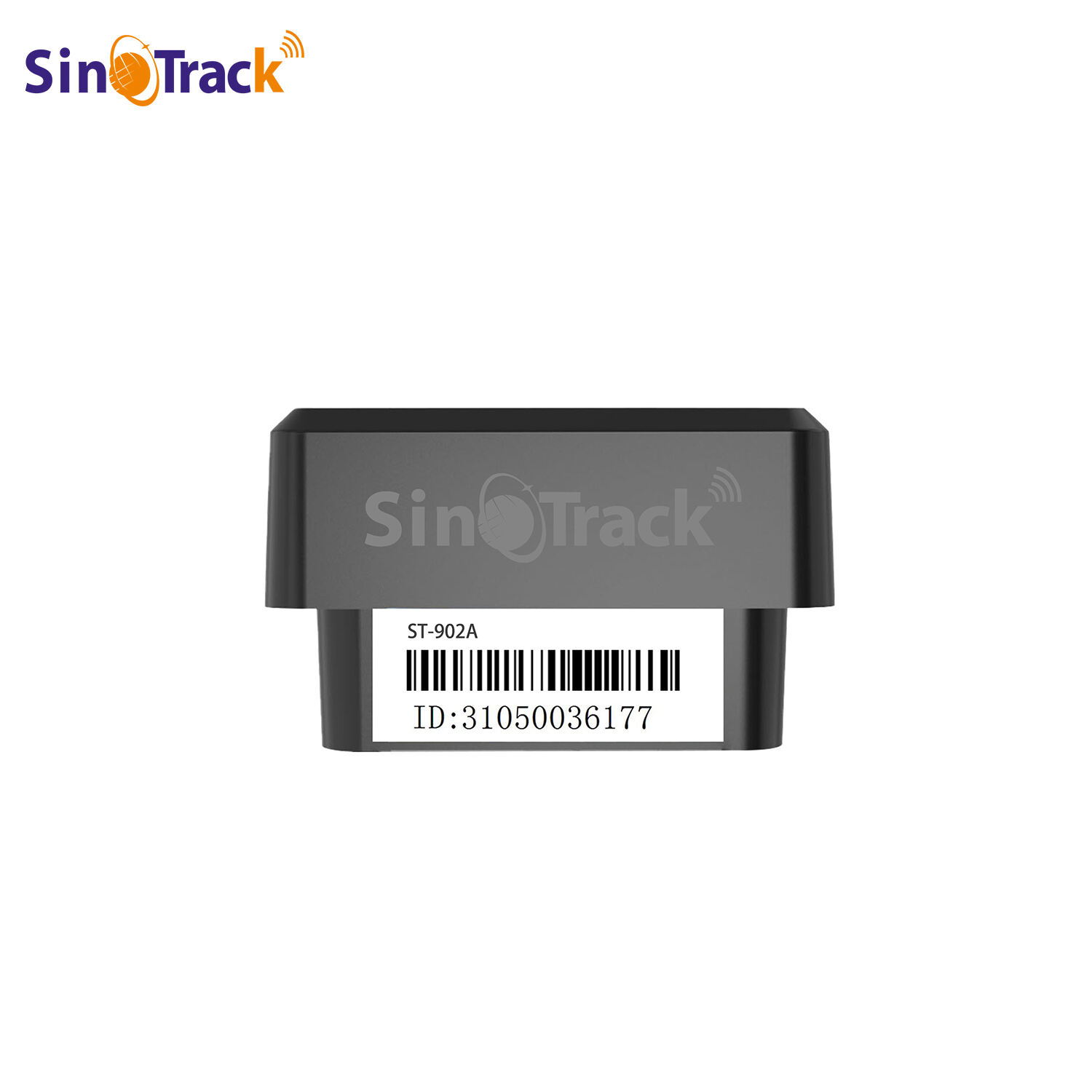
Grundvalen för moderna bilspårningsenheter ligger i deras sofistikerade GPS-spårningsfunktioner som levererar exakt noggrannhet och kontinuerlig övervakning. Dessa avancerade system använder flerkonstellationsatellitnätverk, inklusive GPS, GLONASS och Galileo, för att säkerställa tillförlitlig positionering även i utmanande miljöer såsom urbana canyons, tunnlar och områden med begränsad satellitsynlighet. Funktionen för realtidsövervakning uppdaterar fordonets position varje några sekunder, vilket skapar detaljerade rörelsespår som fångar exakta rutter, hastigheter och tidsinformation med exceptionell precision. Högkänsliga GPS-mottagare integrerade i kvalitetsbaserade bilspårningsenheter behåller signalen även under förhållanden där vanliga navigeringssystem kan misslyckas, vilket säkerställer konsekvent spårningsprestanda över olika geografiska platser och väderförhållanden. Tekniken integrerar mobilkommunikationsmoduler som överför platsdata via 4G LTE-nätverk, vilket ger omedelbara uppdateringar till molnbaserade övervakningsplattformar tillgängliga genom användarvänliga mobilapplikationer och webbgränssnitt. Avancerade algoritmer bearbetar råa GPS-data för att filtrera bort signalmuller och beräkna exakta positioner, medan intelligenta energihanteringssystem optimerar batteriförbrukningen under längre spårningsperioder. Geofencing-teknik utgör en särskilt värdefull funktion, vilket gör det möjligt för användare att skapa virtuella gränser runt viktiga platser såsom hem, skolor, arbetsplatser eller förbjudna områden. När fordon utrustade med bilspårningsenheter korsar dessa förbestämda gränser skickar systemet omedelbart anpassningsbara aviseringar via SMS, e-post eller push-aviseringar, vilket möjliggör proaktiv övervakning av fordonets rörelser. Funktionen för uppspelning av historiska rutter lagrar månader med spårningsdata, vilket gör det möjligt för användare att granska tidigare resor, analysera körvanor och generera detaljerade rapporter för försäkringsanspråk, affärsdokumentation eller personlig arkivering. Kombinationen av realtidsövervakning och historisk analys ger omfattande överblick över fordonet, vilket förbättrar säkerheten, ökar driftseffektiviteten och ger värdefulla insikter i fordonets användningsmönster – information som kan leda till bättre beslut gällande underhåll, försäkring och driftsplanering.
 EN
EN