Förbättrade säkerhetsfunktioner och nödsvar
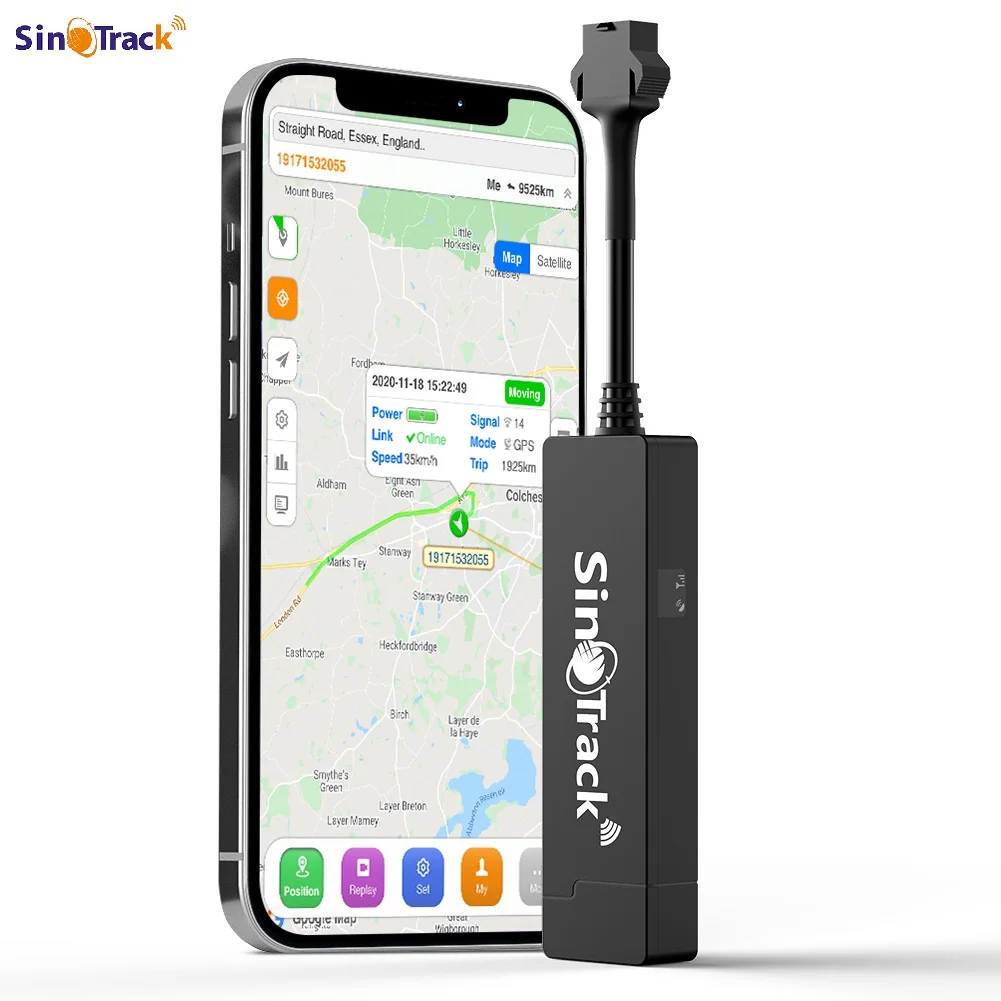
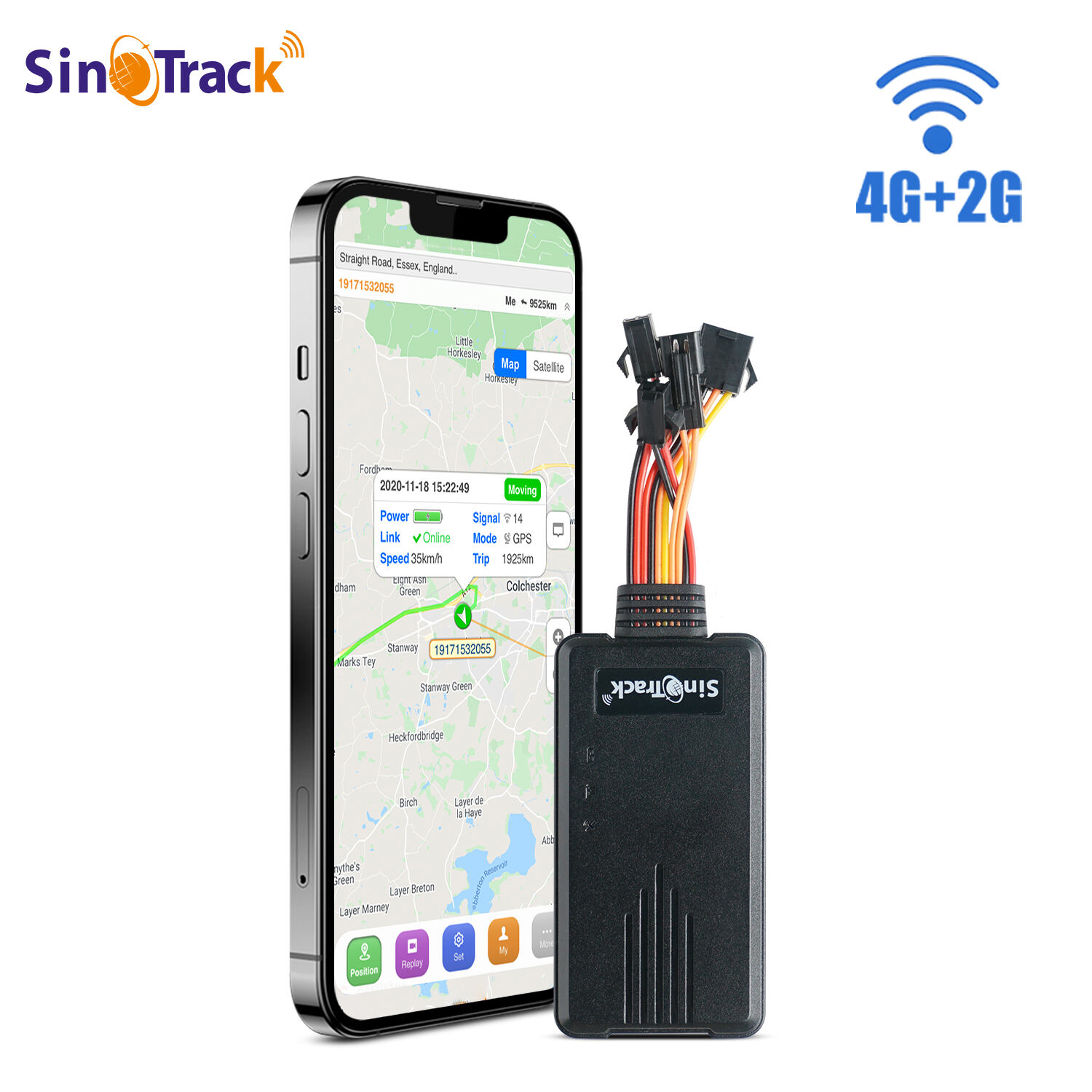
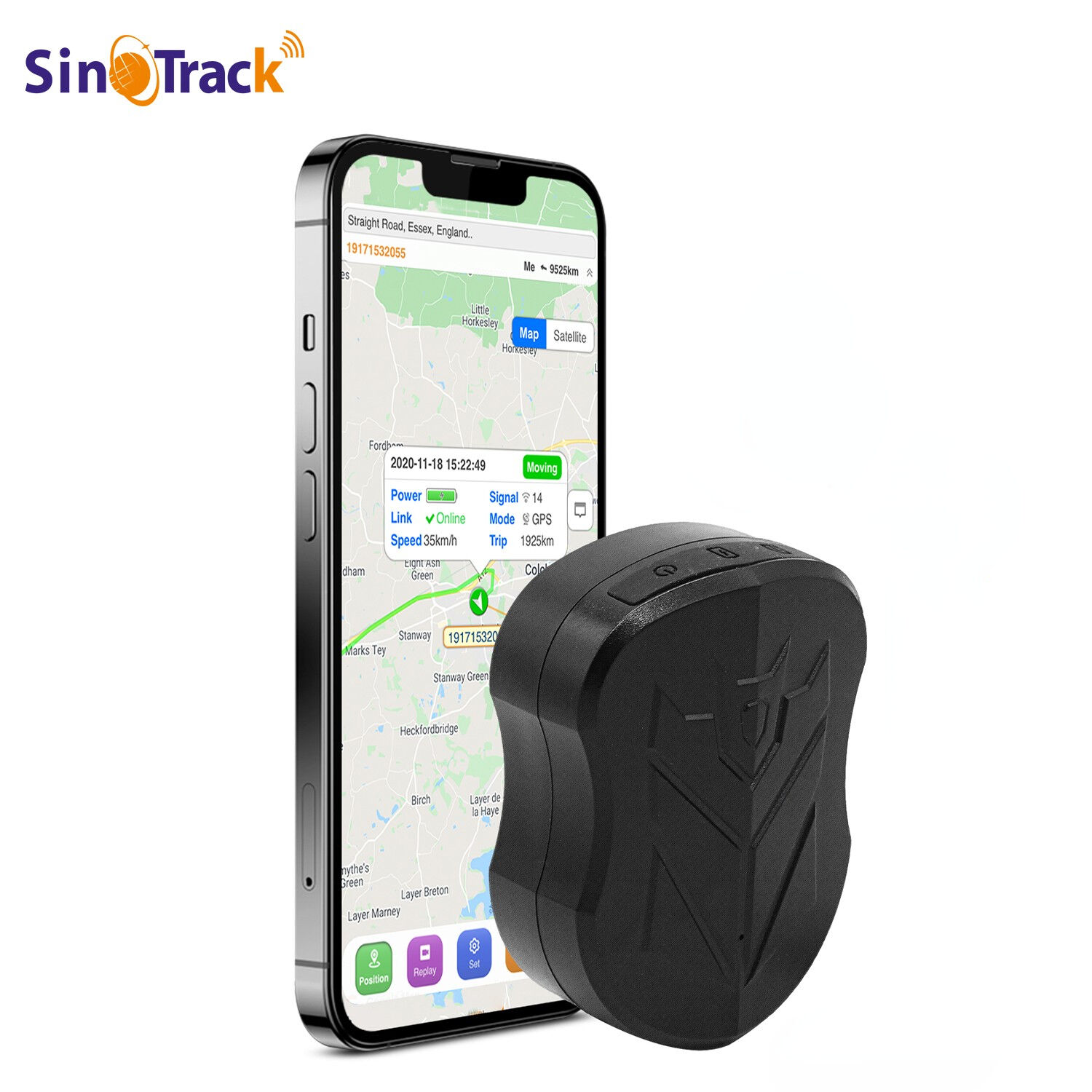
Säkerhetsförbättring utgör en avgörande fördel med GPS-spårningssystem för bilimplementation, vilket ger flera skyddsnivåer för förare, passagerare och fordon genom avancerade övervakningsfunktioner och nödfunktioner. Funktionen för panikknapp möjliggör omedelbar sändning av nödsignaler till fördefinierade nödkontakter, säkerhetstjänster eller övervakningscentraler, där exakta GPS-koordinater och fordonets identifieringsinformation automatiskt ingår, vilket snabbar upp insatser vid medicinska nödsituationer, olyckor eller säkerhot. Impaktidentifieringssensorer använder sofistikerade accelerometerer och gyroskop för att automatiskt upptäcka krockhändelser och omedelbart skicka nödalarm även om fordonets användare är medvetslösa eller inte kan manuellt begära hjälp. GPS-spårningssystemet för bil övervakar kontinuerligt fordonets hälsa via integration med diagnostikporten och ger tidiga varningar om mekaniska problem såsom motorfel, bromssystemfel eller batteribrott som kan leda till farliga haverier vid vägkanten. Geofence-funktioner skapar virtuella säkerhetsgränser runt farliga områden, byggområden eller förbjudna platser och varnar automatiskt chefer när fordon kommer in i potentiellt farliga miljöer där ytterligare säkerhetsprotokoll kan krävas. Övervakning av förardysfunktion analyserar körbeteenden för att identifiera tecken på trötthet, inklusive irradiatorisk styrning, inkonsekventa hastigheter eller långa körperioder utan pauser, och skickar varningar till flottchef eller familjemedlemmar när åtgärder kan vara nödvändiga. Systemet förvarar detaljerade nödkontaktsdatabaser som möjliggör automatiska notifieringssekvenser som samtidigt kontaktar flera parter under kris situationer, vilket säkerställer snabb koordinering även när primära kontakter inte är tillgängliga. Hastighetsövervakning hjälper till att förhindra olyckor genom anpassningsbara varningar när fordon överskrider säkra hastigheter för specifika vägförhållanden, väderförhållanden eller lastkonfigurationer. Identifiering av grovt körbeteende upptäcker mönster som ökar olycksrisken, inklusive snabb acceleration, hårt bromsande eller aggressiv kurvkörning, vilket kan indikera distraktion, medicinska nödsituationer eller kontrollproblem med fordonet. GPS-spårningssystemet för bil tillhandahåller värdefull bevisföring för försäkringsanspråk och rättsliga processer genom detaljerade platsloggar, hastighetsregister och tidslinje-dokumentation som kan fastställa fakta under olycksutredningar eller ansvars tvister. Integration med nödservices centraler i många regioner möjliggör automatisk krocknotifiering som ger första insatspersonal viktig information inklusive bilmärke och modell, antal personer ombord samt medicinsk information lagrad i systemprofiler, vilket potentiellt kan spara viktiga minuter under kritiska nödsituationer där varje sekund räknas för offrens överlevnad och återhämtning.
 EN
EN