
 EN
EN
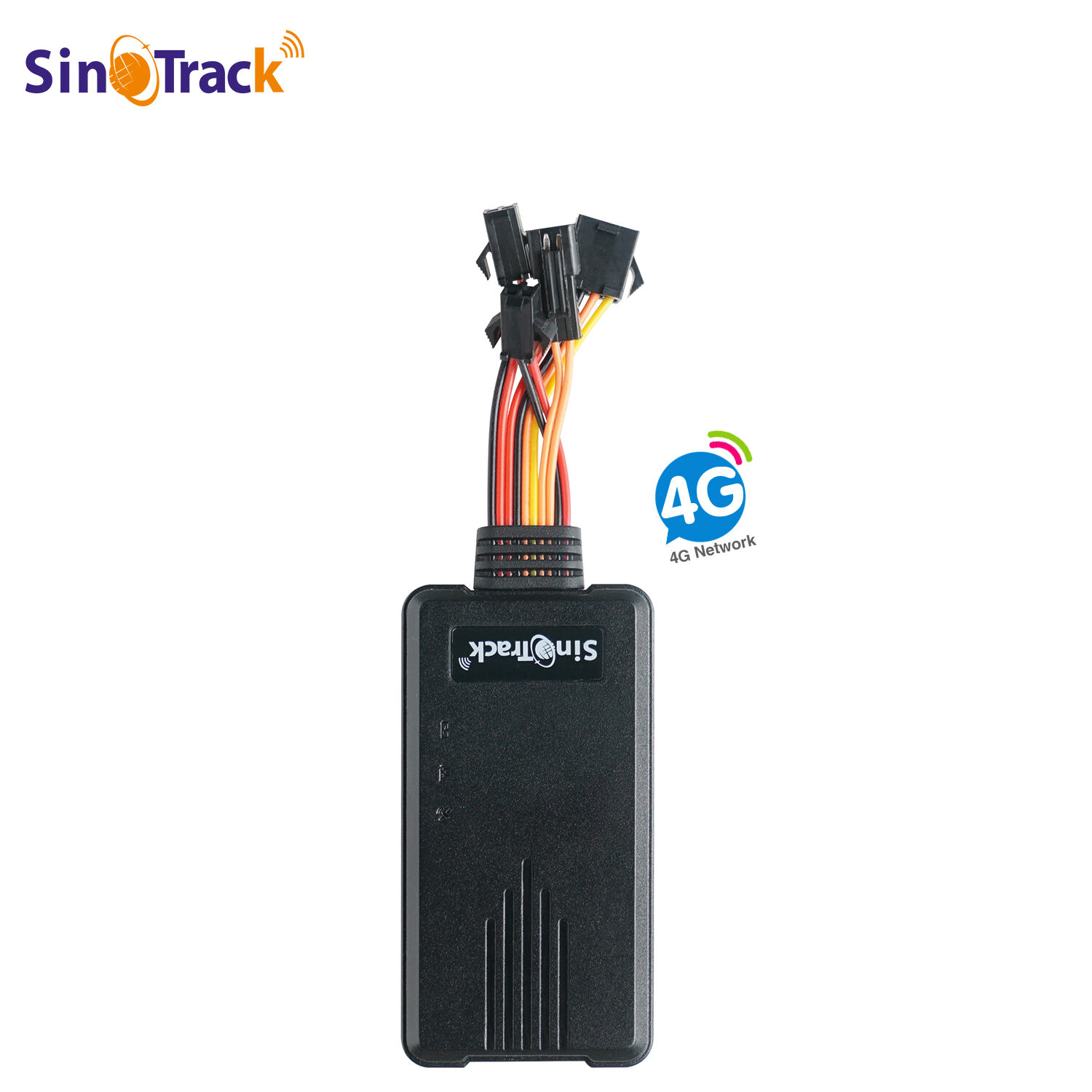
Modern vehicle tracking has entered a new era of speed, accuracy, and connectivity, and the 4g gps tracker stands at the center of this transformation. Whether you manage a commercial fleet, want to protect a personal vehicle, or need real-time oversight of mobile assets, understanding how this technology actually works is essential before making any investment decision. The shift from older 2G and 3G networks to 4G LTE infrastructure has fundamentally changed what a tracking device can do, how fast it responds, and how reliably it performs across different environments.
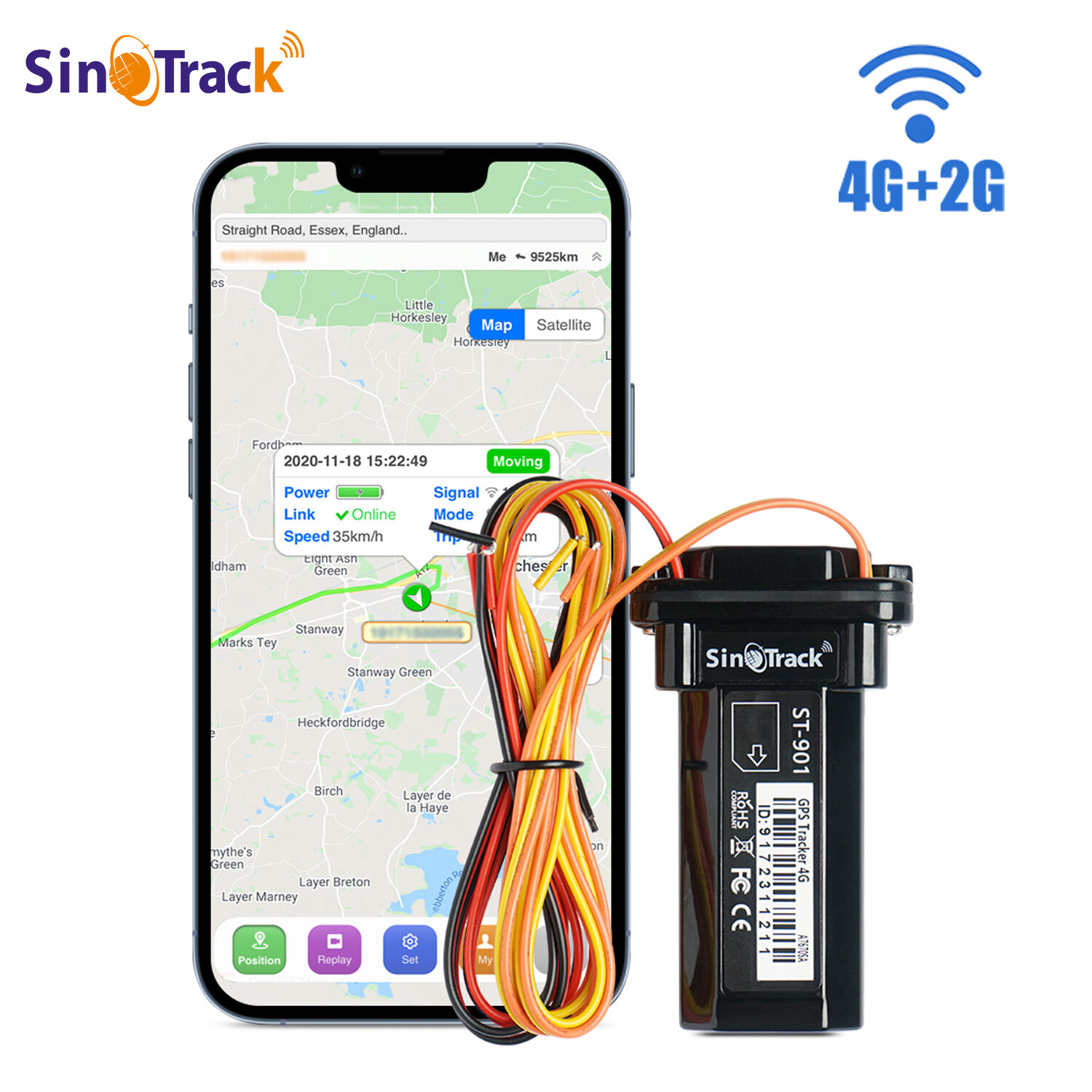
This article breaks down the internal mechanics of a 4g gps tracker, examines the features that make it a practical choice for B2B and personal use alike, and explains the real-world benefits that have made 4G-enabled devices the preferred standard across industries. If you have ever wondered what separates a high-performance 4g gps tracker from a basic model, or how the hardware and software interact to deliver live location data, this guide provides the answers with clarity and depth.
The Core Technology Behind a 4G GPS Tracker
How GPS Positioning Actually Works
Every 4g gps tracker relies on a dual-technology architecture. The GPS component — Global Positioning System — receives signals from a constellation of satellites orbiting the Earth. The device's GPS chipset calculates its precise coordinates by measuring the time delay between signals received from at least four satellites simultaneously. This triangulation process delivers latitude, longitude, altitude, and speed data with high accuracy, typically within a few meters under open-sky conditions.
The quality of the GPS chipset directly affects acquisition speed and positional accuracy. Modern 4g gps tracker models use high-sensitivity chipsets that can lock onto satellite signals even in partially obstructed environments such as urban canyons, covered parking areas, or dense foliage. This improved sensitivity is a significant upgrade over older tracker generations and makes real-time monitoring far more dependable in complex operational environments.
Beyond standard GPS, many advanced 4g gps tracker devices incorporate assisted positioning technologies such as A-GPS, Wi-Fi positioning, and LBS (cell tower-based positioning). These supplementary methods kick in when GPS signal is weak, ensuring the tracker continues to report approximate locations rather than going silent. This layered approach to positioning is a direct benefit of the richer connectivity options that 4G networks enable.
The Role of 4G LTE in Data Transmission
Knowing a device's location is only half the equation. A 4g gps tracker must also transmit that location data to a remote server in real time so that fleet managers, business owners, or individual users can access it through a web platform or mobile application. This is where the 4G LTE cellular module becomes critical. The device contains a SIM card slot and a 4G modem that connects to available LTE networks, sending location packets, event alerts, and status updates at high speed.
The bandwidth advantage of 4G over older 2G or 3G connections means a 4g gps tracker can transmit more data faster and with less latency. Update intervals that were measured in tens of seconds on older networks can now be reduced to just a few seconds on 4G. This matters enormously for high-speed vehicle tracking, emergency response situations, or any scenario where a one-minute delay in location data could have serious operational consequences.
Another important aspect is network reliability. As telecom operators globally phase out 2G and 3G infrastructure, devices depending on those older networks face connectivity gaps or full network unavailability in some regions. A 4g gps tracker is future-proofed against this transition, ensuring continued operation without hardware replacement for years to come. For businesses managing large fleets, this long-term reliability translates directly into lower total cost of ownership.
Key Features of a Modern 4G GPS Tracker
Real-Time Tracking and Geofencing
The most fundamental feature of any 4g gps tracker is real-time location reporting. Unlike passive trackers that store historical data for later download, a 4G-enabled device continuously pushes live coordinates to a cloud server accessible through a web dashboard or smartphone app. Users can see exactly where a vehicle or asset is at any given moment, with map overlays showing route history, stops, speed, and direction.
Geofencing takes real-time tracking one step further by allowing users to define virtual boundaries on a map. When a tracked vehicle crosses a geofence perimeter — either entering or exiting — the 4g gps tracker automatically triggers an alert notification via SMS, email, or push message. This feature is widely used in fleet management to detect unauthorized vehicle use, monitor delivery zone compliance, or receive immediate alerts if a company asset leaves a secured area outside of business hours.
The speed and accuracy of geofence triggers are significantly better on a 4g gps tracker compared to older cellular standards. Because data travels faster over LTE, the time between a physical boundary crossing and the user receiving the alert is minimized, making the feature operationally useful rather than just theoretically available.
Event Alerts and Remote Commands
A capable 4g gps tracker is not just a passive reporting device — it actively monitors conditions and reacts to events. Common event-based alerts include harsh braking detection, rapid acceleration, excessive speeding, prolonged idling, engine on/off notifications, and low battery warnings. These alerts help fleet operators identify unsafe driving behaviors, reduce fuel waste, and maintain vehicle health without requiring manual oversight.
Many 4g gps tracker models also support two-way communication and remote commands. Through the tracking platform, authorized users can send commands to the device to request an immediate location update, adjust reporting intervals, enable or disable certain features, or even trigger a remote engine immobilizer to prevent vehicle movement. This remote control capability transforms the tracker from a simple monitoring tool into an active asset protection system.
The reliability of remote command execution depends heavily on network connectivity. With 4G LTE, commands are acknowledged and executed with minimal delay, which is especially important for immobilizer functions where response time could determine whether a vehicle theft is successfully prevented.
Power Options and Installation Flexibility
One practical dimension of choosing a 4g gps tracker is its power configuration. Hardwired models connect directly to the vehicle's power supply, providing continuous operation without the need for battery charging. These are common for fleet vehicles where permanent installation is acceptable and desirable. The constant power connection also enables features like ignition detection and engine cut-off, which require direct electrical integration.
Battery-powered and magnetic 4g gps tracker variants offer a different kind of flexibility. These devices can be placed covertly on vehicles or attached to non-powered assets like trailers, cargo containers, or construction equipment. The trade-off is battery life management — though modern devices use intelligent sleep modes and motion-triggered reporting to dramatically extend operational duration between charges.
Compact form factors have become a defining characteristic of current-generation 4g gps tracker devices. Miniaturized hardware without sacrificing antenna performance allows units to be installed in discreet locations inside vehicles, reducing the risk of tampering or discovery. This combination of small size and high connectivity performance is one of the clearest examples of how 4G technology has enabled better product design.
Business and Practical Benefits of Using a 4G GPS Tracker
Fleet Efficiency and Operational Cost Reduction
For businesses operating vehicle fleets, the financial case for deploying a 4g gps tracker is straightforward. Real-time visibility into vehicle locations allows dispatchers to optimize routing dynamically, reducing unnecessary mileage and fuel consumption. Idling alerts and driver behavior monitoring encourage more fuel-efficient driving patterns, which aggregate into measurable cost savings across a fleet of any size.
Maintenance scheduling also benefits from tracker data. Many 4g gps tracker platforms log mileage automatically, enabling mileage-based service reminders that prevent both over-servicing and neglected maintenance. Keeping vehicles in optimal mechanical condition reduces breakdowns, lowers repair costs, and extends asset lifespan — all of which contribute positively to the bottom line.
Insurance cost reduction is another tangible benefit. Many commercial insurers offer premium discounts for fleets equipped with certified tracking systems. The presence of a 4g gps tracker demonstrates risk management discipline and enables faster stolen vehicle recovery, both of which reduce the insurer's exposure and justify lower premiums for the policyholder.
Asset Security and Theft Recovery
Vehicle and equipment theft is a persistent cost for businesses across construction, logistics, agriculture, and transportation sectors. A 4g gps tracker provides a multi-layered security response. The presence of a tracking system acts as a deterrent — visible stickers indicating a vehicle is tracked can discourage opportunistic theft. When theft does occur, the real-time location data from a 4g gps tracker dramatically accelerates law enforcement recovery efforts.
Unlike recovery situations involving older 2G trackers, a 4g gps tracker can provide continuous high-frequency location updates even as a stolen vehicle moves at highway speed. This precise trail of location data allows police to intercept the vehicle in progress rather than simply locating it after it has been stripped or abandoned. The speed and granularity of 4G tracking data is a direct security upgrade over previous generations.
For high-value cargo and equipment that moves across multiple locations or job sites, a 4g gps tracker with long battery life and tamper alerts provides ongoing protection without requiring fixed installation. The ability to monitor non-powered assets in transit or storage is particularly valuable in industries where equipment staging is common and asset visibility has historically been poor.
Choosing the Right 4G GPS Tracker for Your Needs
Evaluating Coverage, Compatibility, and Platform Support
Before selecting a 4g gps tracker, buyers should verify 4G LTE band compatibility with the networks available in their operating region. Different carriers and countries use different LTE frequency bands, and a device optimized for one region may have limited connectivity in another. Selecting a multi-band 4g gps tracker that supports a broad range of LTE frequencies ensures reliable connectivity regardless of geographic coverage variations.
Platform compatibility is equally important. A 4g gps tracker is only as useful as the software ecosystem it connects to. Buyers should evaluate whether the tracking platform offers the reporting features, alert types, historical data access, and API integration options that match their operational needs. Platforms that support multi-user access, role-based permissions, and mobile app access add meaningful usability for larger organizations.
SIM card flexibility matters too. Some 4g gps tracker models are locked to a specific carrier or require a proprietary SIM, while others accept any standard SIM card. For international operations or cost-conscious buyers who want to shop for the best data plan, an unlocked 4g gps tracker with standard SIM compatibility provides greater long-term flexibility and cost control.
Matching Tracker Features to Specific Use Cases
Not every 4g gps tracker needs to include every available feature. For straightforward fleet monitoring of commercial vehicles, a hardwired model with ignition detection, real-time tracking, geofencing, and driver behavior reporting covers the core requirements effectively. Adding unnecessary complexity increases cost without adding operational value for these applications.
For motorcycle tracking, a compact 4g gps tracker with waterproofing, vibration alerts, and covert installation capability addresses the specific vulnerabilities of two-wheeled vehicles. Motorcycles are stolen at a disproportionately high rate compared to cars, and their compact size makes them difficult to monitor with larger tracking units. A purpose-designed compact 4g gps tracker fills this gap with targeted features.
Asset tracking across non-powered equipment requires a battery-powered 4g gps tracker with extended sleep modes, motion-triggered wake-up, and robust waterproofing. These units prioritize battery longevity over reporting frequency, sending location updates only when movement is detected or at scheduled intervals. Matching the device specification to the actual use case is the most reliable path to a successful deployment.
FAQ
How frequently does a 4G GPS tracker update its location?
Most 4g gps tracker devices allow configurable reporting intervals, typically ranging from every few seconds up to several minutes depending on the platform settings and battery management requirements. On 4G LTE networks, update intervals as short as five to ten seconds are commonly available without significant data overhead, making near-real-time tracking practical for most commercial applications.
Does a 4G GPS tracker work in areas with poor cellular coverage?
In areas where 4G LTE signal is unavailable, many 4g gps tracker models automatically fall back to available 3G or 2G networks if the hardware supports multi-network operation. Some devices also use internal memory to store location points during coverage gaps and transmit the buffered data once connectivity is restored. Buyers should check the fallback capability of any 4g gps tracker they are considering if their operations include remote or low-coverage regions.
Is a 4G GPS tracker difficult to install on a vehicle?
Installation complexity varies by model. Plug-and-play OBD-port 4g gps tracker units require no wiring and can be installed in under a minute. Hardwired models require connecting to the vehicle's power supply and may also tie into ignition or accessory circuits, which typically requires basic automotive wiring knowledge or a professional installer. Battery-powered magnetic units require no installation at all and can be repositioned as needed.
What data does a 4G GPS tracker typically transmit?
A standard 4g gps tracker transmits GPS coordinates, timestamps, speed, heading, satellite count, and signal quality with each location update. Depending on the model and configuration, it may also send ignition status, battery voltage, input/output status for connected accessories, motion sensor data, and geofence event flags. All of this data is processed by the tracking server and presented through the user interface in an accessible and actionable format.