
 EN
EN
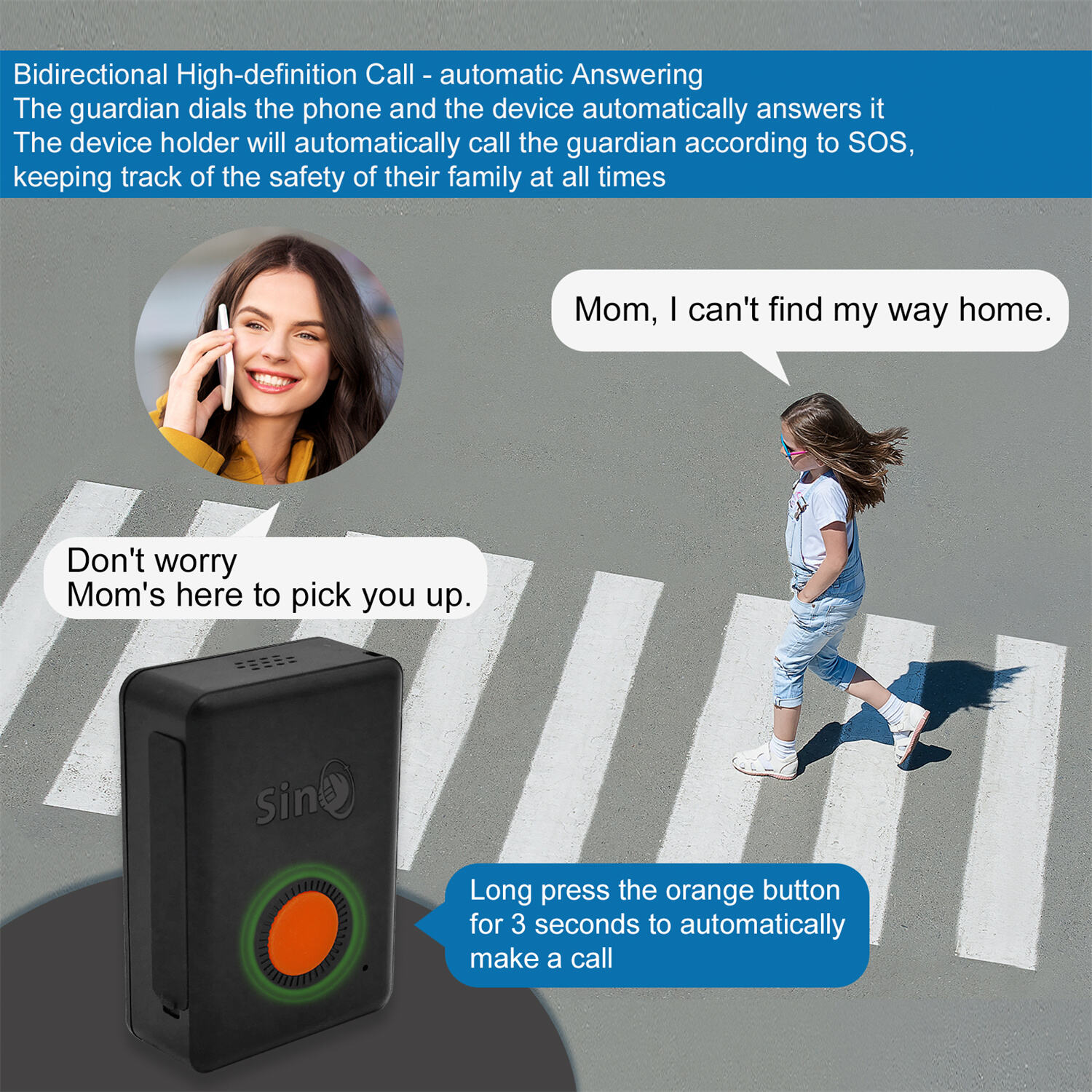
Car owners seeking reliable vehicle tracking solutions in 2025 increasingly prefer GPS tracker systems that eliminate recurring monthly subscription fees. Traditional GPS tracking services often burden users with ongoing costs that can accumulate to hundreds of dollars annually, making one-time purchase GPS tracker devices an attractive alternative for budget-conscious consumers who want effective vehicle monitoring without financial commitment beyond the initial investment.
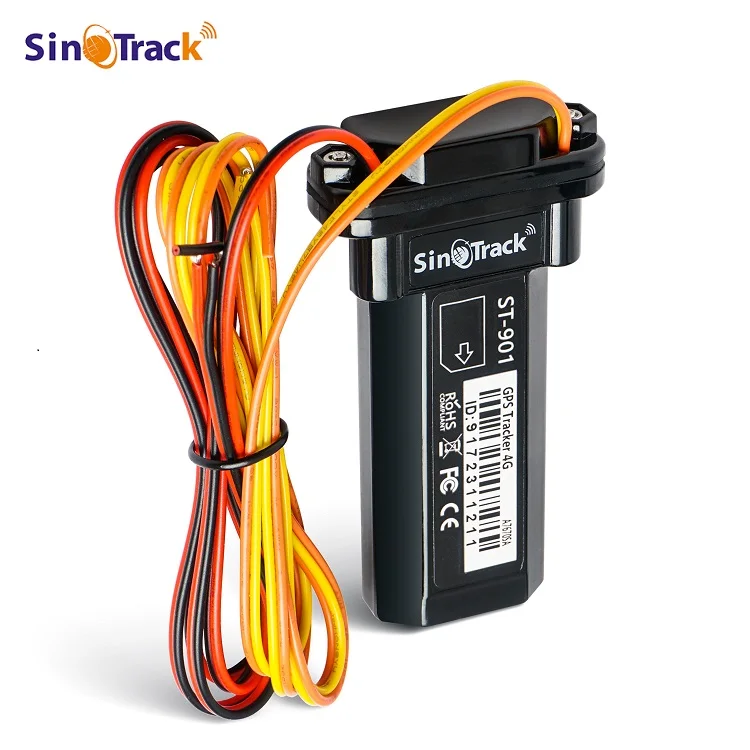
The landscape of fee-free GPS tracker technology has evolved significantly, offering sophisticated features previously available only through subscription-based services. Modern no-monthly-fee GPS tracker units provide real-time location tracking, geofencing capabilities, movement alerts, and smartphone app integration while operating independently of costly service plans that traditional providers require for basic functionality.
Understanding No-Monthly-Fee GPS Tracker Technology
How Fee-Free GPS Tracking Systems Operate
No-monthly-fee GPS tracker devices function through embedded SIM cards or direct cellular connections that transmit location data without requiring separate service subscriptions. These systems typically utilize existing cellular networks to communicate positioning information to dedicated mobile applications, eliminating the need for third-party tracking service providers that charge recurring fees.
The core technology relies on Global Positioning System satellites to determine precise vehicle coordinates, then transmits this information through built-in cellular modems to smartphone apps or web platforms. Advanced GPS tracker models incorporate multiple communication protocols, ensuring reliable data transmission even in areas with limited cellular coverage while maintaining independence from subscription-based tracking services.
Key Advantages of Subscription-Free GPS Trackers
Financial benefits represent the most compelling advantage of no-fee GPS tracker systems, as users avoid monthly charges that can range from fifteen to fifty dollars depending on service provider and feature sets. Over a typical three-year vehicle ownership period, subscription-free GPS tracker devices can save owners between five hundred and eighteen hundred dollars compared to traditional monitoring services.
Operational independence provides another significant benefit, as fee-free GPS tracker systems continue functioning regardless of service provider business changes, price increases, or service discontinuations. Users maintain complete control over their tracking capabilities without dependency on external companies that might alter terms, increase costs, or cease operations entirely.
Essential Features in 2025 GPS Tracker Models
Real-Time Tracking and Location Accuracy
Contemporary no-fee GPS tracker devices deliver positioning accuracy within three to five meters under optimal conditions, utilizing enhanced satellite constellation networks and advanced signal processing algorithms. Real-time tracking capabilities enable immediate location updates, typically refreshing position data every ten to thirty seconds depending on device settings and movement patterns.
Modern GPS tracker systems incorporate multiple positioning technologies, including GPS, GLONASS, and BeiDou satellite networks, ensuring consistent location detection even in challenging environments such as urban canyons or heavily forested areas. This multi-system approach significantly improves tracking reliability compared to single-network devices common in earlier generations.
Mobile App Integration and User Interface
User-friendly mobile applications have become standard features in quality no-monthly-fee GPS tracker systems, providing intuitive interfaces for location monitoring, historical route viewing, and alert management. These apps typically offer both iOS and Android compatibility, ensuring broad device support across different smartphone platforms.
Advanced app features include customizable geofencing zones, movement notifications, speed alerts, and detailed driving history reports. Many GPS tracker applications also provide family sharing capabilities, allowing multiple users to monitor vehicle locations simultaneously while maintaining appropriate privacy controls and access permissions.
Installation and Setup Considerations
Professional vs. DIY Installation Options
Most modern no-fee GPS tracker devices support straightforward DIY installation processes, typically requiring connection to the vehicle's OBD-II diagnostic port or direct wiring to the electrical system. OBD-II connected units offer plug-and-play simplicity but may be visible to potential thieves, while hardwired installations provide better concealment but require basic automotive electrical knowledge.
Professional installation services ensure optimal GPS tracker placement and proper electrical connections, particularly beneficial for hardwired systems that integrate with vehicle security features. Professional installers can also advise on optimal antenna positioning and power management configurations that maximize tracking performance and battery efficiency.
Power Management and Battery Life
Battery-powered GPS tracker models typically provide two to six weeks of continuous operation depending on reporting frequency and feature usage, while vehicle-powered units operate indefinitely when properly connected to the electrical system. Hybrid power systems combine vehicle electrical connections with backup batteries, ensuring continued tracking capability even if primary power sources are disconnected.
Smart power management features in advanced gps tracker devices automatically adjust reporting frequencies based on vehicle activity, reducing power consumption during stationary periods while maintaining frequent updates during active driving. These intelligent systems can extend battery life significantly while preserving essential tracking functionality.
Security and Anti-Theft Capabilities
Tamper Detection and Stealth Features
Professional-grade no-fee GPS tracker systems incorporate sophisticated anti-tampering mechanisms, including motion sensors that detect unauthorized removal attempts and backup communication systems that continue operating even if primary antennas are damaged or disconnected. These security features ensure tracking capability persists through various theft scenarios.
Stealth installation options allow GPS tracker devices to remain completely hidden within vehicle structures, making detection and removal extremely difficult for potential thieves. Advanced models include features such as signal masking and irregular transmission patterns that prevent detection by GPS tracker detection equipment commonly used by sophisticated criminals.
Emergency Response and Recovery Features
Modern GPS tracker systems often include emergency response capabilities such as panic buttons, crash detection, and automatic emergency notifications. These features can automatically alert designated contacts or emergency services when significant impact events occur or when emergency activation buttons are pressed.
Vehicle recovery assistance represents a crucial capability in no-monthly-fee GPS tracker systems, providing law enforcement agencies with real-time location data necessary for rapid vehicle recovery. Many devices maintain emergency communication capabilities even when standard tracking features are disabled, ensuring critical safety functions remain operational during theft incidents.
Technical Specifications and Performance Metrics
Communication Protocols and Network Compatibility
Contemporary GPS tracker devices utilize multiple cellular network technologies, including 4G LTE and emerging 5G connections, ensuring reliable communication across diverse geographic regions. Network compatibility varies by device manufacturer and target market, with global models supporting multiple frequency bands for international travel capability.
Backup communication protocols such as SMS-based reporting ensure basic tracking functionality continues even when primary data connections experience interruptions. These redundant communication systems provide essential reliability for GPS tracker operation in remote areas or during network congestion periods.
Environmental Durability and Weather Resistance
Quality no-fee GPS tracker devices incorporate robust environmental protection, typically meeting IP65 or IP67 water resistance standards that protect against moisture, dust, and temperature extremes. These specifications ensure reliable operation in harsh automotive environments, including exposure to engine heat, road salt, and automotive fluids.
Operating temperature ranges for professional GPS tracker systems typically span from negative forty to positive eighty-five degrees Celsius, accommodating extreme climate conditions without performance degradation. Vibration resistance and shock protection features ensure continued operation despite constant vehicle movement and road impact stresses.
FAQ
How long do no-monthly-fee GPS trackers typically last?
Quality no-monthly-fee GPS tracker devices typically provide three to five years of reliable service when properly installed and maintained. Battery-powered units require periodic charging or battery replacement, while vehicle-powered systems can operate indefinitely with proper electrical connections. Device lifespan depends on usage patterns, environmental conditions, and build quality of the specific GPS tracker model selected.
Can GPS trackers work without cellular service?
GPS tracker devices require cellular connectivity to transmit location data to smartphones or monitoring platforms, though they can continue recording position information locally during communication interruptions. Some advanced models include satellite communication capabilities for remote area operation, but standard GPS tracker systems depend on cellular networks for real-time tracking functionality.
Are DIY GPS tracker installations reliable?
DIY GPS tracker installations can be highly reliable when following manufacturer instructions and using appropriate connection methods. OBD-II port connections offer simple plug-and-play installation, while hardwired systems require basic electrical knowledge but provide more secure mounting options. Professional installation ensures optimal placement and proper electrical connections, particularly beneficial for complex GPS tracker configurations.
What happens if someone finds and removes the GPS tracker?
Advanced GPS tracker systems include tamper detection features that immediately alert owners when devices are disconnected or moved unexpectedly. Multiple GPS tracker installations in different vehicle locations provide redundancy, while stealth mounting options make detection extremely difficult. Some models continue transmitting location data even during removal attempts, helping identify theft perpetrators and recovery efforts.