
 EN
EN
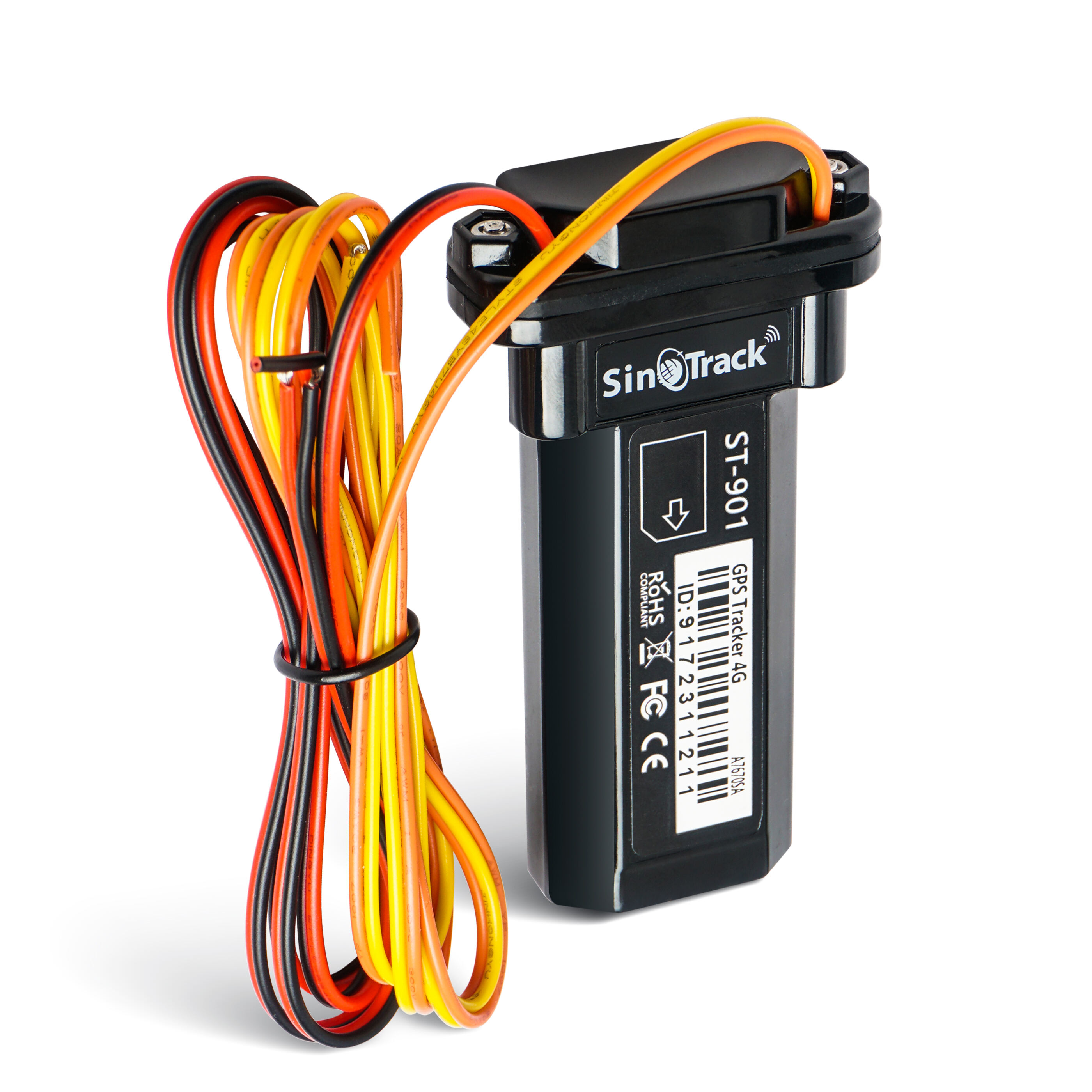
Choosing the right portable GPS tracking device requires careful evaluation of multiple technical and practical factors. Whether you need a car gps tracker for fleet management, personal vehicle security, or asset protection, understanding the key selection criteria will help you make an informed decision that meets your specific tracking requirements.
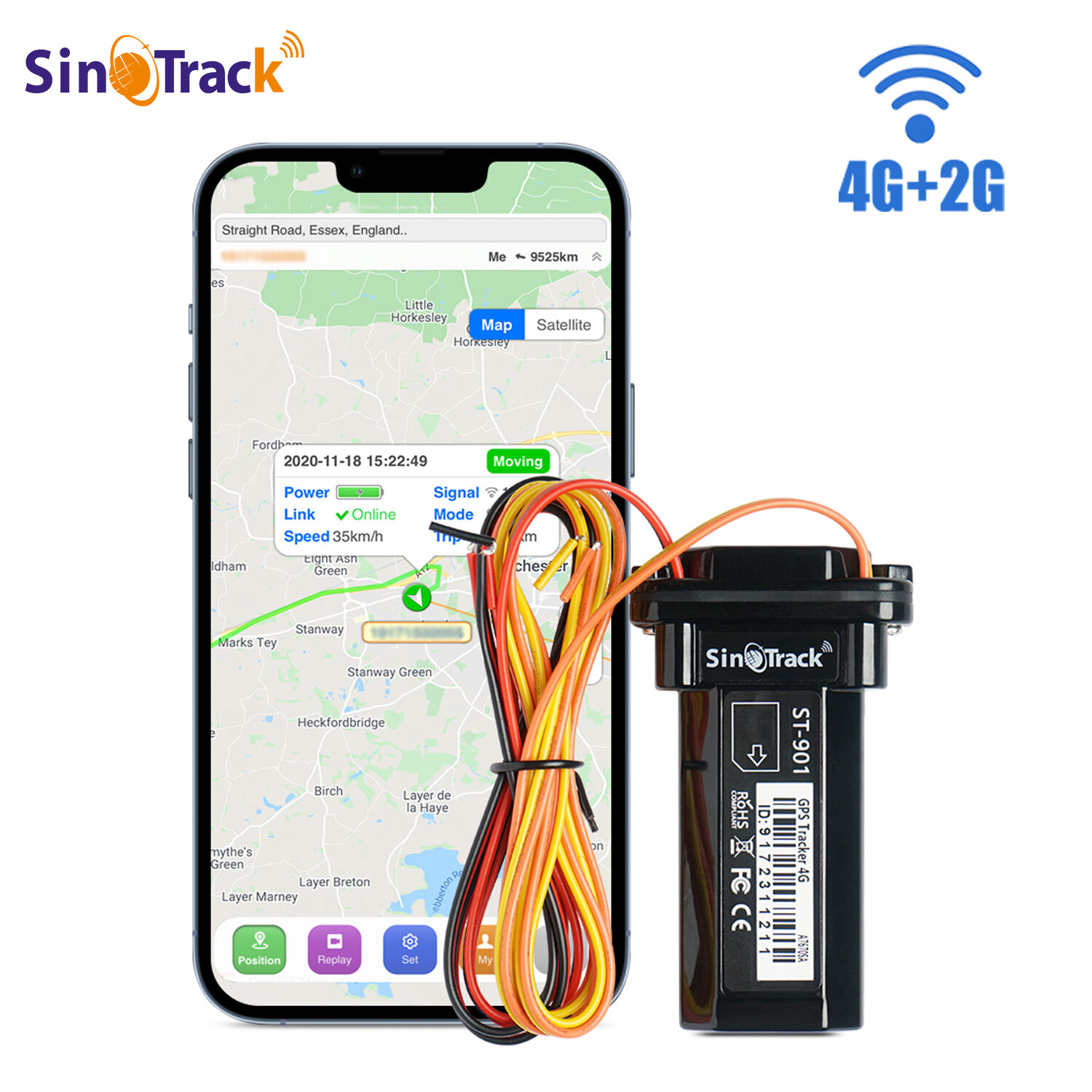
The modern car gps tracker market offers diverse options ranging from compact magnetic units to hardwired systems, each designed for different tracking scenarios and user preferences. Your choice will significantly impact tracking accuracy, battery life, installation complexity, and ongoing operational costs. This comprehensive guide explores the essential factors you should consider when selecting a portable GPS tracking device that delivers reliable performance and value for your investment.
Understanding Core Tracking Technology Features
GPS Accuracy and Signal Strength
The foundation of any effective car gps tracker lies in its GPS chipset quality and signal reception capabilities. Modern portable devices typically utilize multi-constellation satellite systems that combine GPS, GLONASS, Galileo, and BeiDou signals for enhanced positioning accuracy. Look for devices that offer positioning accuracy within 3-5 meters under normal conditions and maintain reliable signal lock even in challenging environments such as urban canyons or parking garages.
Advanced car gps tracker models incorporate assisted GPS (A-GPS) technology, which uses cellular network data to accelerate satellite acquisition and improve cold start times. This feature becomes particularly valuable when the device has been stationary for extended periods or when operating in areas with limited satellite visibility. Consider devices that specify their time-to-first-fix (TTFF) performance, as faster acquisition times ensure more reliable tracking during critical moments.
Cellular Communication Standards
The cellular connectivity options available in a car gps tracker directly impact data transmission reliability, coverage area, and long-term device viability. Current generation devices should support at minimum 4G LTE connectivity, with many newer models offering 5G capability for future-proofing. Verify that your chosen device supports the cellular bands used by your preferred network carrier in your operational area.
Consider the global roaming capabilities if your tracking needs extend beyond domestic borders. Some car gps tracker units support multi-carrier SIM cards or eSIM technology, allowing seamless operation across different countries without manual SIM card changes. Additionally, evaluate the device's fallback communication options, such as 3G or 2G support, which can provide continued service in areas where newer networks may not be available.
Data Transmission Protocols and Security
Modern car gps tracker devices utilize various communication protocols to transmit location data, with each offering different advantages in terms of power consumption, data security, and transmission reliability. Standard protocols include MQTT, HTTP, and UDP, while more advanced devices support encrypted communication channels to protect sensitive location information from interception.
Examine the device's data encryption standards, particularly if you're tracking valuable assets or require compliance with data protection regulations. Look for car gps tracker units that implement AES encryption, secure boot processes, and regular firmware update capabilities. The ability to configure custom data transmission intervals based on movement patterns or specific triggers can significantly impact both battery life and operational costs.
Power Management and Battery Performance
Battery Capacity and Runtime
Battery performance represents one of the most critical factors when selecting a portable car gps tracker, as it directly determines operational independence and maintenance requirements. High-capacity lithium batteries typically range from 3,000mAh to 10,000mAh in portable units, with runtime varying significantly based on reporting frequency, GPS acquisition intervals, and cellular transmission patterns.
Evaluate your specific use case requirements to determine optimal battery specifications. For continuous tracking applications, consider car gps tracker devices that offer 2-4 weeks of operation with hourly position reports. Asset tracking scenarios with less frequent reporting may allow for months of operation between charges. Factor in battery degradation over time, as lithium batteries typically retain 80% capacity after 500 charge cycles.
Power Optimization Features
Intelligent power management systems in modern car gps tracker devices can significantly extend operational time through adaptive reporting algorithms and sleep mode functionality. Motion-activated tracking adjusts reporting frequency based on detected movement, reducing power consumption during stationary periods while maintaining responsiveness during active tracking phases.
Geofencing capabilities allow the car gps tracker to enter low-power standby mode when within predefined safe zones, automatically resuming full tracking when the device exits these areas. Advanced models incorporate accelerometer-based motion detection that can distinguish between different types of movement, enabling customized power profiles for various tracking scenarios such as vehicle operation versus pedestrian movement.
Charging and External Power Options
Consider the charging infrastructure requirements for your chosen car gps tracker, including connector types, charging speeds, and external power compatibility. USB-C connectors have become standard for faster charging and improved durability, while some devices support wireless charging for enhanced convenience and weather resistance.
For vehicle installations, evaluate devices that offer direct 12V or 24V power connections, eliminating battery concerns for permanently installed car gps tracker units. Solar charging options provide sustainable power solutions for remote asset tracking applications, though panel size and efficiency must be matched to device power consumption requirements.
Installation Flexibility and Physical Design
Mounting Options and Versatility
The physical design and mounting flexibility of a car gps tracker significantly impact installation ease and operational effectiveness. Magnetic mounting systems offer quick deployment and repositioning capabilities, making them ideal for temporary tracking applications or situations where permanent installation is not feasible. Strong rare-earth magnets ensure secure attachment to metal surfaces while allowing easy removal when necessary.
Adhesive mounting solutions provide secure attachment to non-metallic surfaces and offer improved concealment options for covert tracking applications. Consider car gps tracker devices that include multiple mounting accessories, allowing adaptation to different installation scenarios without requiring additional hardware purchases. Compact form factors enhance concealment possibilities while maintaining access to charging ports and status indicators.
Environmental Protection Standards
Operating environment conditions directly influence the durability requirements for your car gps tracker selection. IP67 or IP68 waterproof ratings ensure protection against water immersion and dust ingress, essential for outdoor installations or vehicles operating in harsh conditions. Temperature tolerance specifications should match your operational environment, with quality devices supporting -20°C to +70°C operating ranges.
Shock and vibration resistance becomes particularly important for car gps tracker applications involving construction equipment, motorcycles, or other high-vibration environments. Look for devices that meet automotive testing standards such as ISO 16750 or similar military specifications if your tracking applications involve extreme conditions or mission-critical assets.
Size and Weight Considerations
Device dimensions and weight impact both installation options and concealment effectiveness for your car gps tracker deployment. Compact units measuring less than 100mm in length can be easily concealed within vehicle compartments or attached to asset frames without drawing attention. However, smaller size often correlates with reduced battery capacity, requiring careful balance between concealment needs and operational runtime requirements.
Weight considerations become important for applications involving aircraft, drones, or lightweight vehicles where every gram impacts performance. Modern car gps tracker devices can weigh as little as 50 grams while still providing comprehensive tracking functionality, though heavier units often offer superior battery life and additional features such as internal antennas or expanded sensor capabilities.
Software Platform and User Interface Capabilities
Web Platform and Mobile Application Features
The software platform accompanying your car gps tracker determines your ability to access, analyze, and act upon collected tracking data. Comprehensive web-based platforms should offer real-time mapping with multiple view options, historical route playback, and detailed reporting capabilities. Look for platforms that support custom map overlays, satellite imagery, and integration with popular mapping services for enhanced visualization options.
Mobile applications extend tracking access to smartphones and tablets, enabling field personnel to monitor assets remotely. Quality car gps tracker platforms provide native iOS and Android applications with offline map capabilities, push notifications for alert conditions, and intuitive user interfaces optimized for mobile interaction. Cross-platform synchronization ensures consistent data access regardless of the device used to access the system.
Alert and Notification Systems
Configurable alert systems transform raw tracking data into actionable intelligence for effective asset management. Geofencing capabilities allow creation of virtual boundaries around specific locations, triggering notifications when your car gps tracker enters or exits designated areas. Speed alerts monitor velocity thresholds and can help enforce company policies or safety regulations for fleet vehicles.
Advanced notification systems support multiple delivery methods including email, SMS, push notifications, and webhook integrations for custom applications. Time-based alerting allows different notification rules during business hours versus after-hours periods, reducing alert fatigue while maintaining security coverage. Consider car gps tracker platforms that offer escalation procedures, ensuring critical alerts reach appropriate personnel when initial notifications go unacknowledged.
Data Export and Integration Capabilities
Data portability and integration options ensure your car gps tracker information can be incorporated into existing business systems and workflows. Standard export formats such as CSV, KML, and GPX enable data analysis in third-party applications or archival storage systems. API access allows custom application development and integration with enterprise resource planning, fleet management, or security systems.
Real-time data streaming capabilities enable immediate integration with monitoring dashboards, business intelligence platforms, or automated response systems. Consider platforms that support standard protocols such as MQTT or REST APIs for seamless integration with existing infrastructure. Historical data retention policies should align with your compliance requirements and analytical needs, with some car gps tracker platforms offering unlimited data storage while others impose time-based or volume-based limitations.
Cost Analysis and Service Considerations
Device Pricing and Value Assessment
Car gps tracker pricing varies significantly based on feature sets, build quality, and included services, ranging from basic units under $100 to professional-grade devices exceeding $500. Evaluate the total value proposition rather than focusing solely on initial purchase price, considering factors such as battery life, software platform quality, customer support availability, and warranty coverage.
Premium car gps tracker devices often justify higher costs through superior GPS accuracy, extended battery life, enhanced environmental protection, and comprehensive software platforms. However, basic models may provide adequate functionality for simple tracking applications, making cost-effectiveness analysis crucial for determining optimal value. Consider future scalability needs if you plan to expand your tracking deployment over time.
Ongoing Service and Data Plan Costs
Monthly service fees for cellular connectivity and platform access represent ongoing operational costs that can exceed the initial device purchase price over extended deployment periods. Car gps tracker service plans typically range from $10-50 per month depending on data allowances, platform features, and customer support levels. Evaluate plan options carefully, considering factors such as data pooling across multiple devices, international roaming charges, and overage fees.
Some manufacturers offer bundled service packages that include device firmware updates, technical support, and platform enhancements as part of monthly fees. Compare standalone device purchases with leasing or service-inclusive options to determine the most cost-effective approach for your specific deployment timeline and budget constraints. Annual payment discounts can provide significant savings for long-term car gps tracker deployments.
Support and Warranty Considerations
Technical support quality and warranty coverage provide important value components when selecting a car gps tracker system, particularly for business-critical applications. Evaluate manufacturer support channels, including phone, email, chat, and online documentation resources. Response time commitments and escalation procedures become important factors for applications requiring immediate assistance during operational issues.
Warranty coverage should encompass both hardware defects and software platform availability, with quality manufacturers offering 2-3 year hardware warranties and service level agreements for platform uptime. Consider extended warranty options and replacement device programs that minimize downtime during hardware failures. International support availability becomes important for global deployments where local technical assistance may be required.
FAQ
What is the typical battery life for a portable car gps tracker?
Portable car gps tracker battery life varies significantly based on reporting frequency and device specifications, typically ranging from 1-8 weeks for continuous operation. Devices reporting every hour can operate for 2-4 weeks, while those with motion-activated tracking or longer intervals may last 6-8 weeks. High-capacity units with 10,000mAh batteries can achieve extended runtime, while compact devices with smaller batteries prioritize portability over longevity.
Can I use a car gps tracker internationally without changing SIM cards?
Many modern car gps tracker devices support international roaming through global SIM cards or eSIM technology, allowing operation across multiple countries without manual SIM changes. However, roaming charges can be significantly higher than domestic rates, and coverage may vary by country and carrier. Some manufacturers offer global service plans with fixed international rates, while others require regional SIM card changes for cost-effective international operation.
How accurate are portable GPS tracking devices in urban environments?
Quality car gps tracker devices typically maintain 3-5 meter accuracy in open environments, though urban canyons, tunnels, and indoor locations can reduce accuracy to 10-15 meters or cause temporary signal loss. Modern devices using multi-constellation satellites (GPS, GLONASS, Galileo) and assisted GPS technology provide improved performance in challenging environments. Advanced models incorporate dead reckoning sensors that estimate position during GPS signal loss using accelerometers and gyroscopes.
What installation options work best for different vehicle types?
Car gps tracker installation options should match vehicle access and security requirements. Magnetic mounting works well for steel-bodied vehicles and allows easy repositioning, while adhesive mounting suits fiberglass or aluminum vehicles. Hardwired installations provide permanent power for fleet vehicles but require professional installation. Covert placement locations include under wheel wells, inside bumpers, or within interior panels, though signal strength and accessibility for maintenance must be considered during location selection.