Comprehensive Fleet Management and Cost Optimization Features
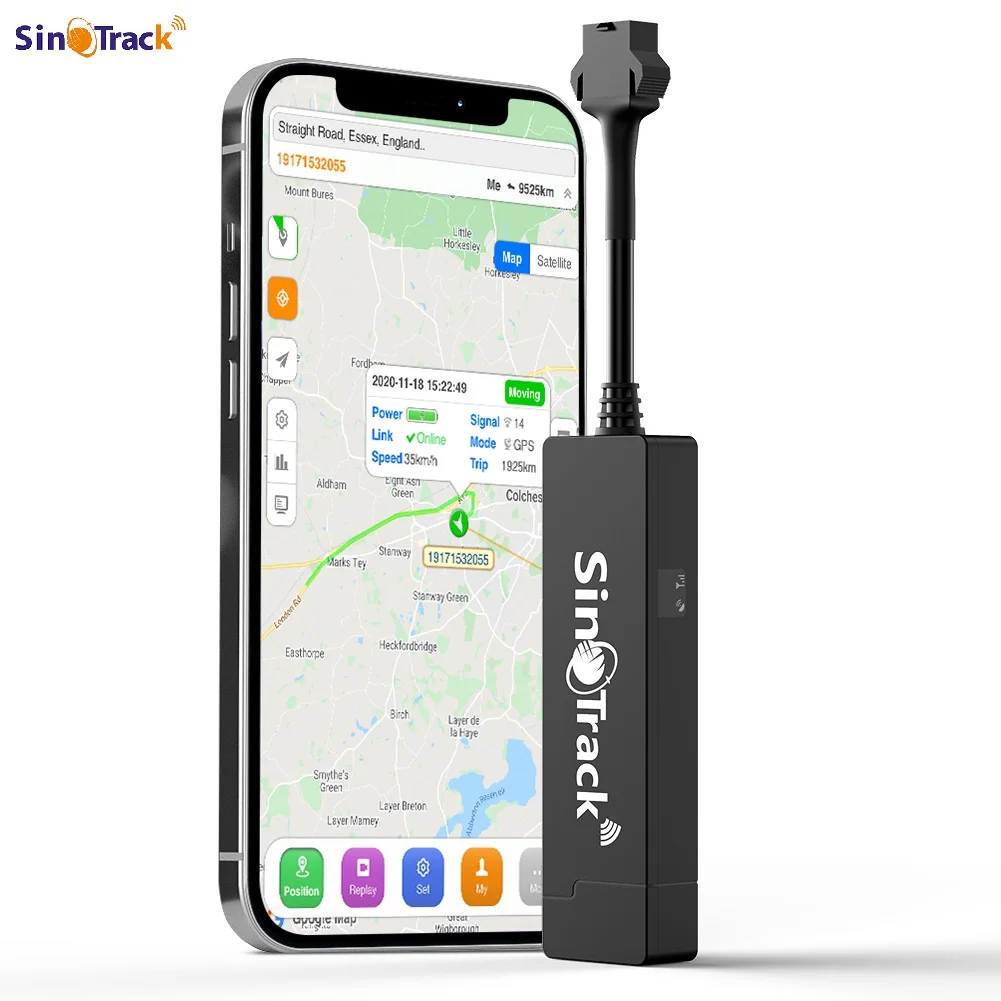
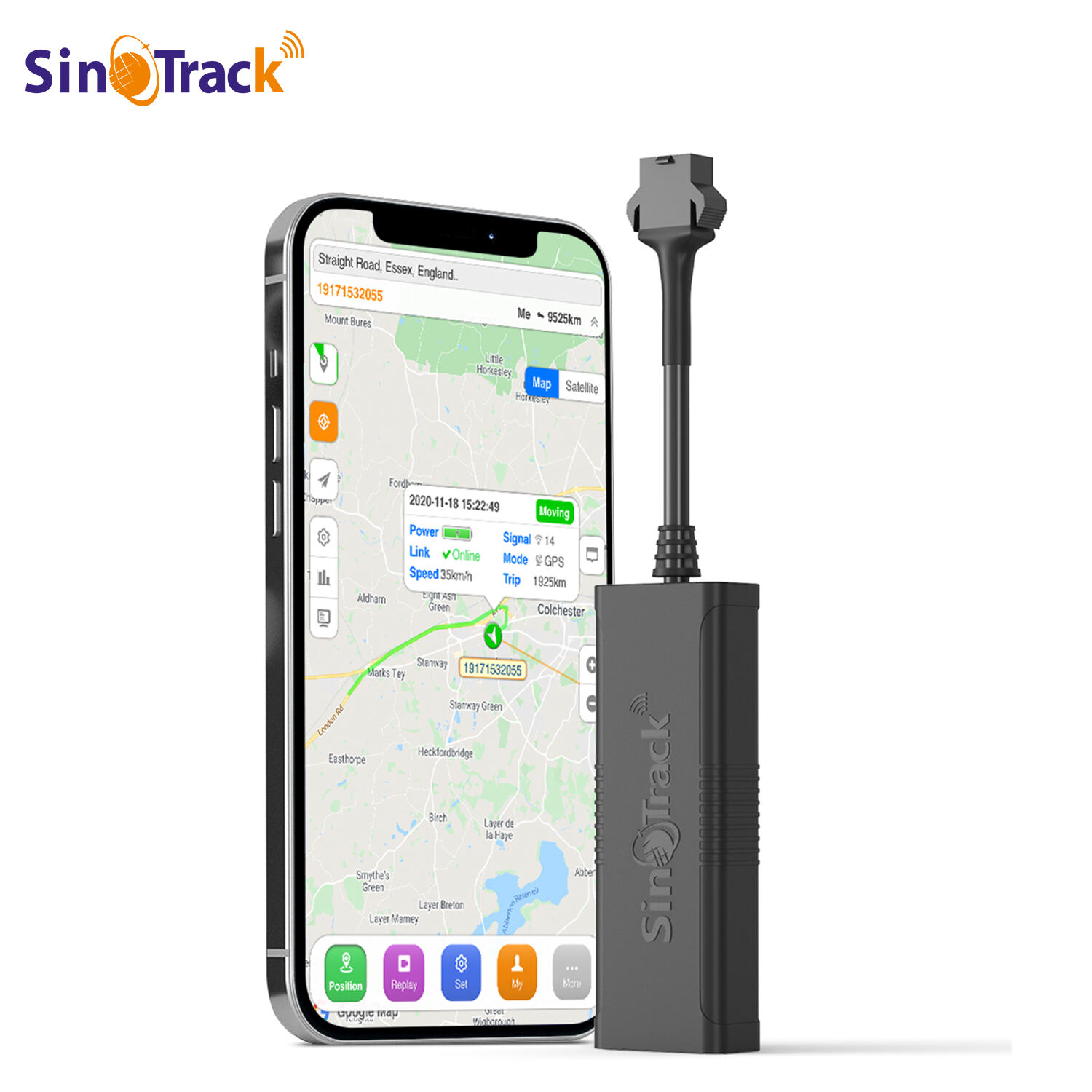
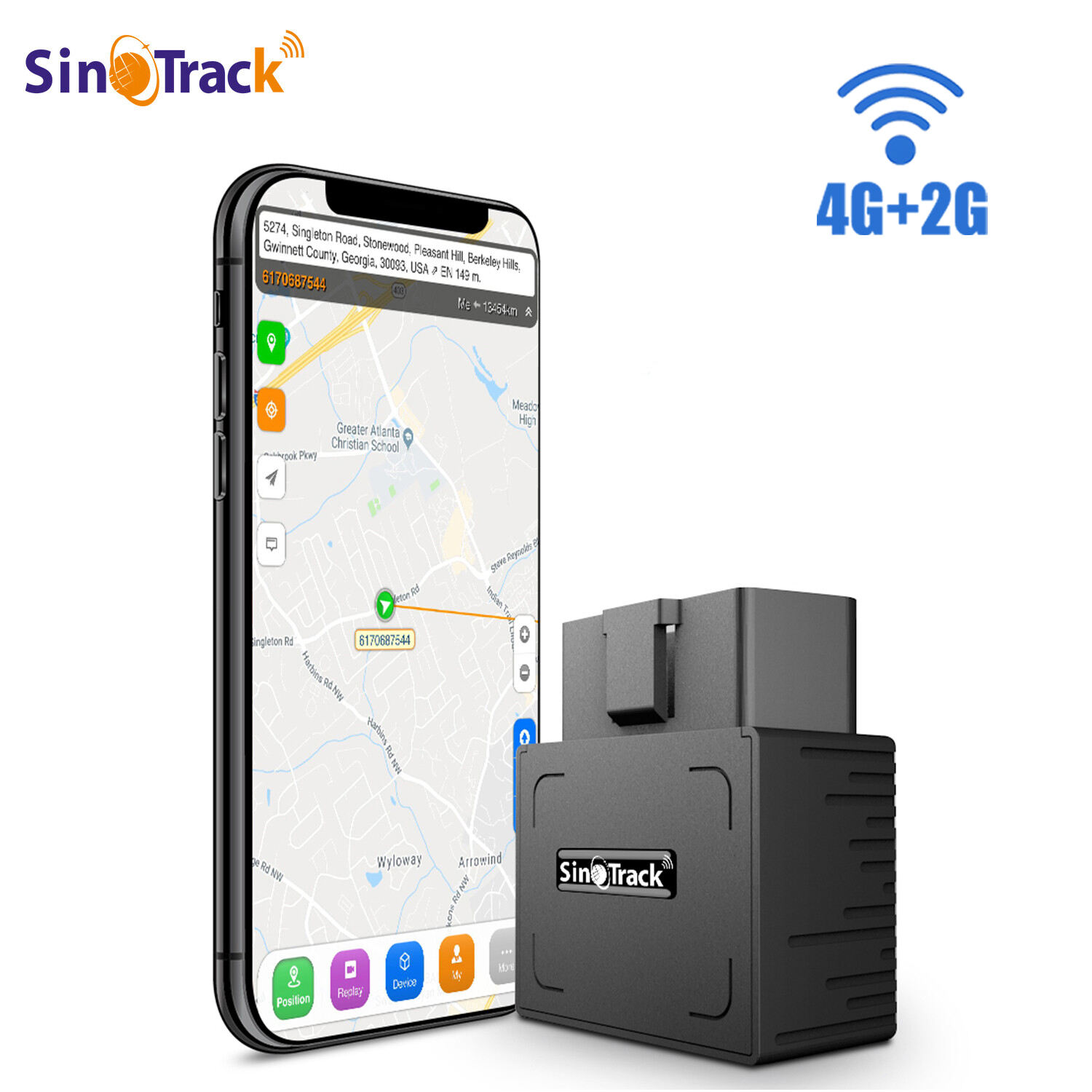
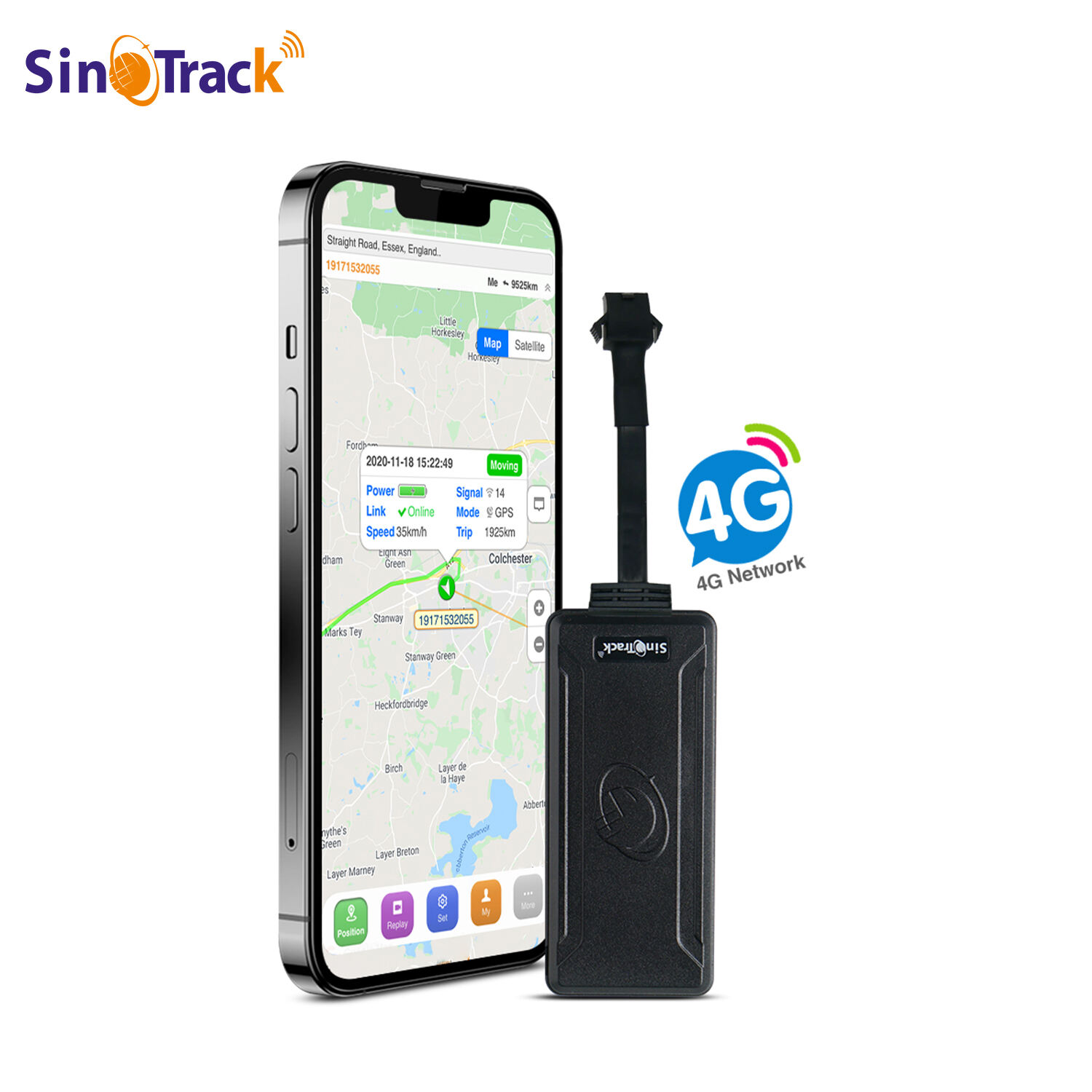
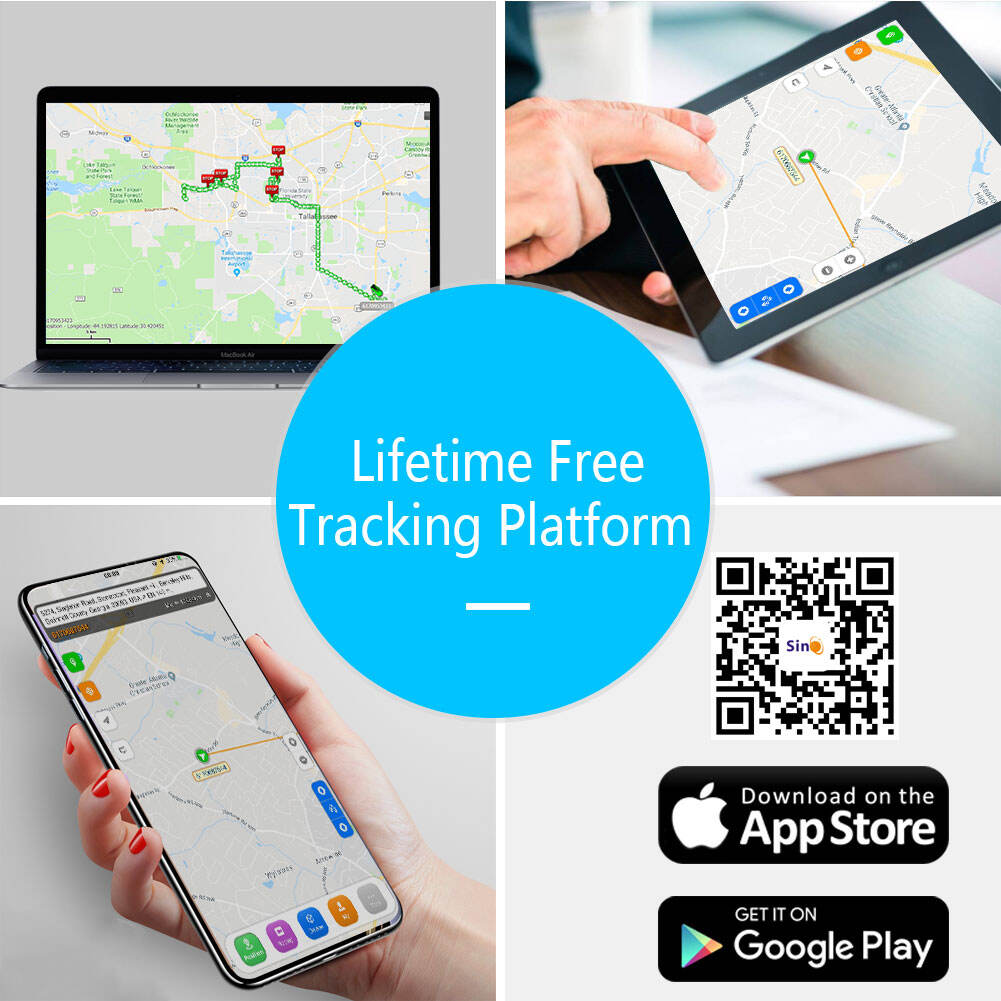
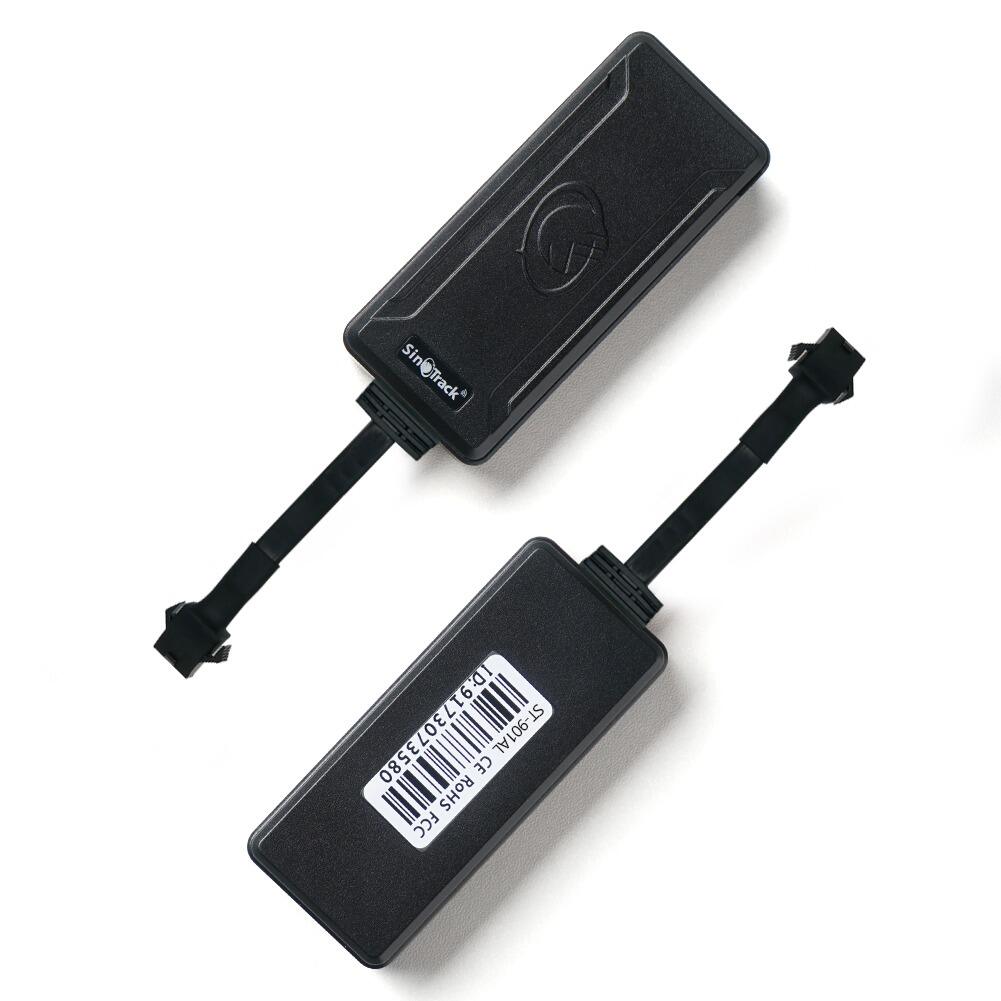
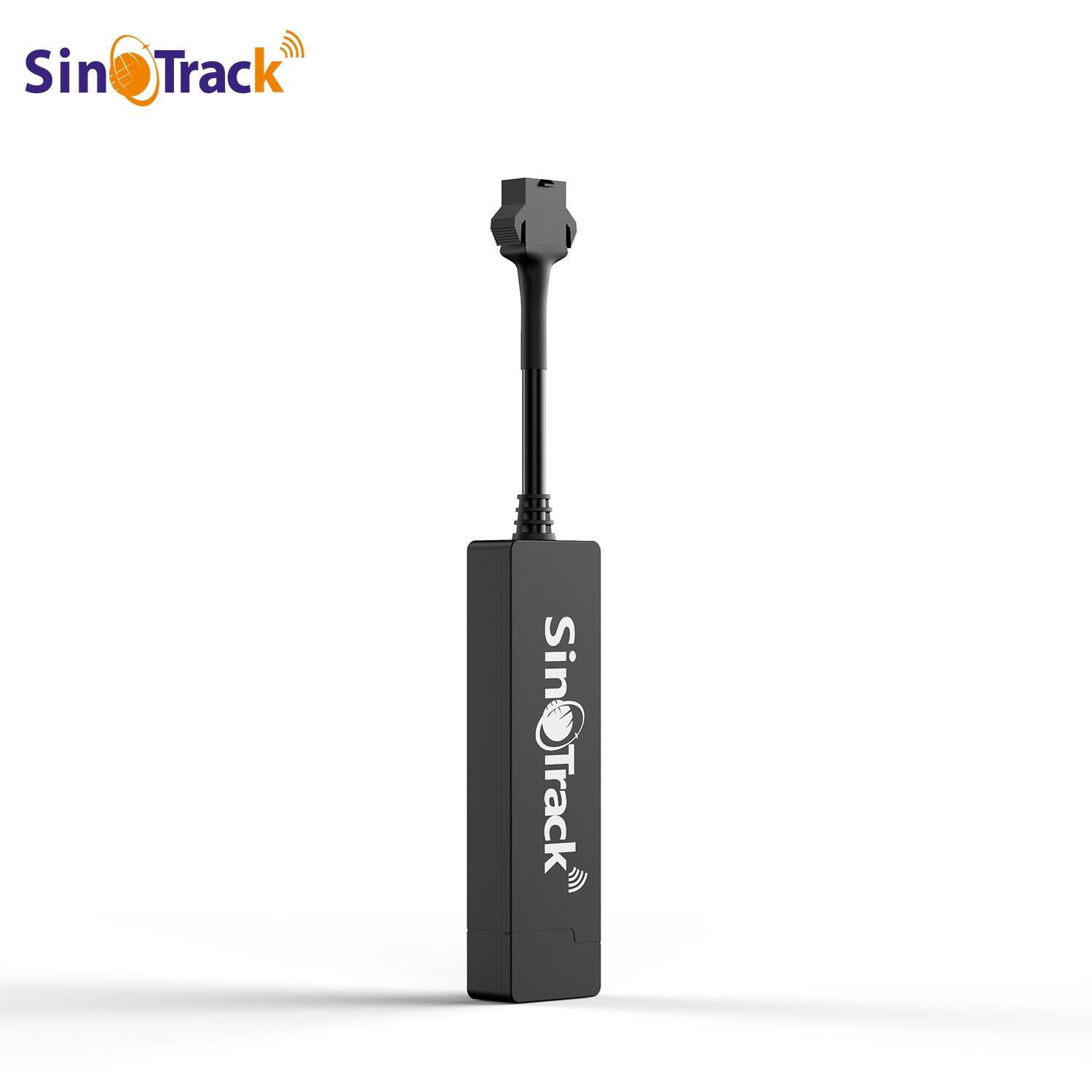
The advanced fleet management capabilities integrated into modern small hidden GPS tracker for car systems deliver unprecedented operational insights that transform vehicle-based businesses through data-driven decision making and automated administrative processes. These sophisticated platforms provide centralized dashboards that display real-time locations, status updates, and performance metrics for entire vehicle fleets through intuitive web interfaces and mobile applications accessible from anywhere with internet connectivity. Route optimization algorithms analyze historical driving patterns, traffic data, and delivery schedules to recommend efficient pathways that reduce fuel consumption, minimize travel time, and increase customer service quality through improved punctuality and reliability. Driver behavior monitoring features track speed violations, harsh braking incidents, rapid acceleration patterns, and excessive idling periods, enabling targeted training programs that improve safety records while reducing vehicle wear and insurance premiums. Maintenance scheduling automation utilizes mileage tracking and engine diagnostics integration to predict service requirements, schedule preventive maintenance appointments, and track repair histories that maximize vehicle longevity while minimizing unexpected breakdown costs. The small hidden GPS tracker for car generates comprehensive reports that satisfy regulatory compliance requirements for commercial transportation operations, providing detailed logs of driver hours, vehicle usage, and route documentation that streamline audit processes and legal obligations. Fuel management tools correlate GPS tracking data with consumption patterns to identify inefficiencies, unauthorized usage, and optimization opportunities that can significantly reduce operational expenses across large fleets. Geofencing capabilities create virtual service territories that automatically log customer visits, verify service completion, and generate billing documentation that improves accuracy while reducing administrative overhead. Emergency response coordination becomes seamless through automatic incident detection and location sharing that enables rapid assistance deployment when vehicles experience mechanical failures, accidents, or security incidents. Integration with existing business management systems allows tracking data to flow directly into accounting software, customer relationship management platforms, and human resources systems, eliminating duplicate data entry while maintaining comprehensive operational records that support strategic business planning and performance analysis.
 EN
EN