GPS Vehicle Tracking System Price Guide 2024 - Features, Benefits & Cost Analysis

All Categories

gps vehicle tracking system price

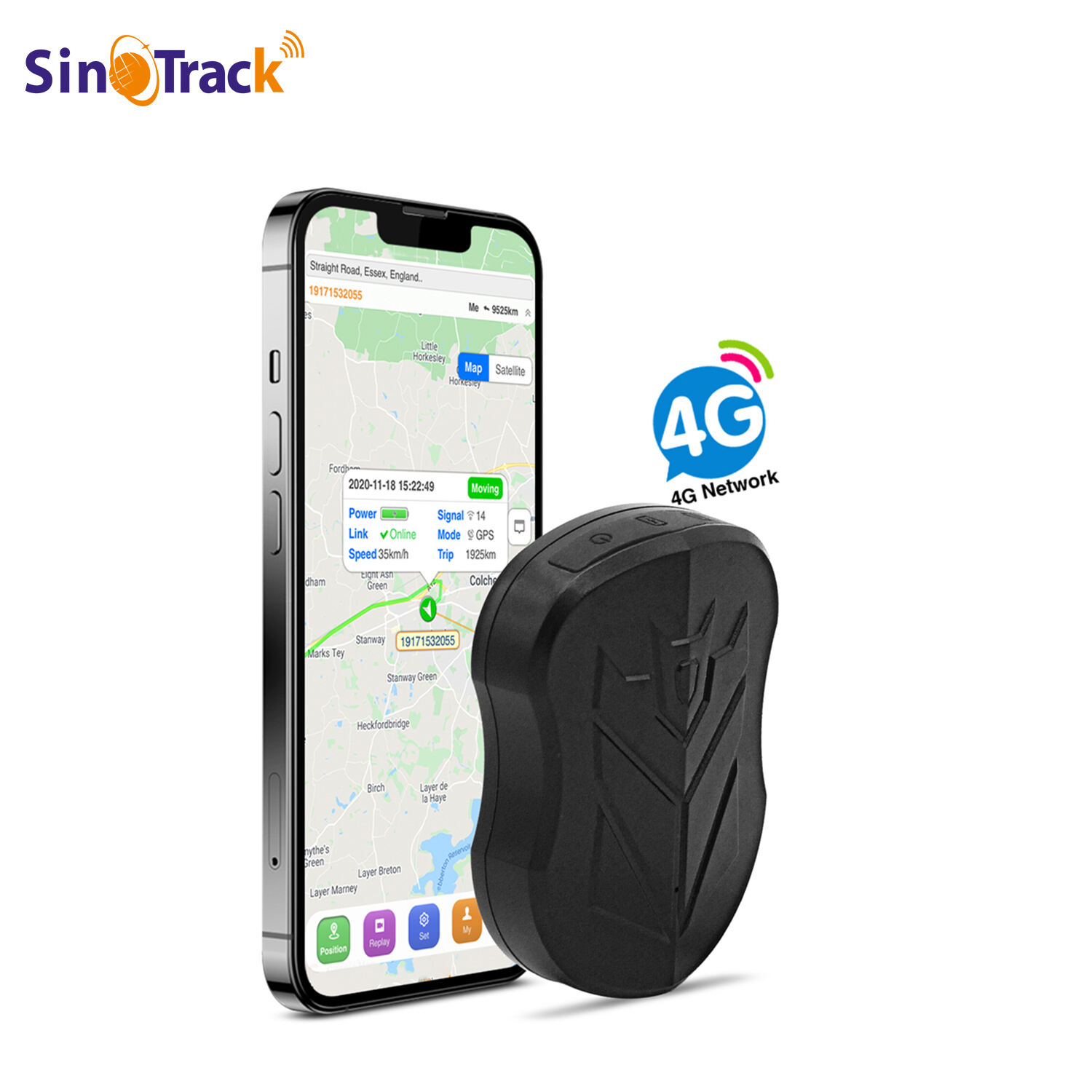
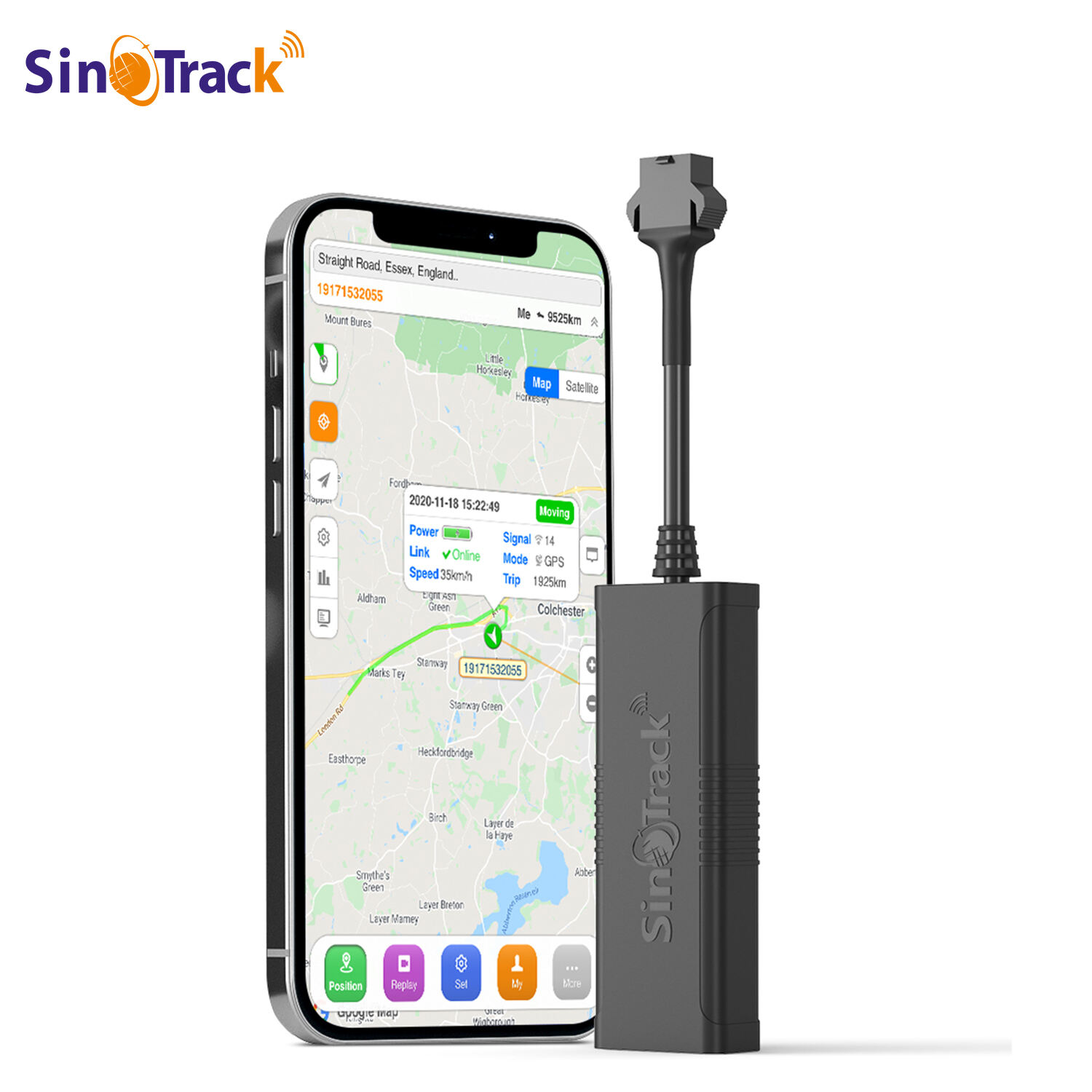
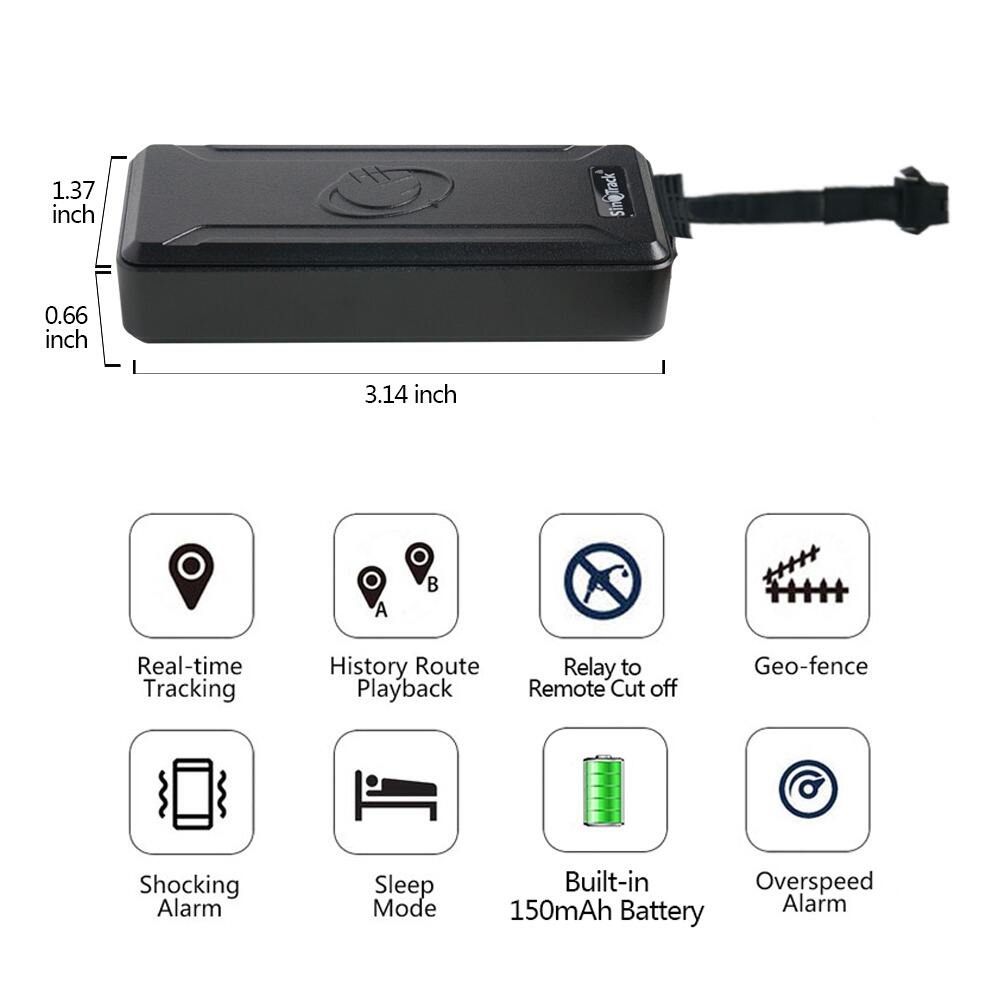
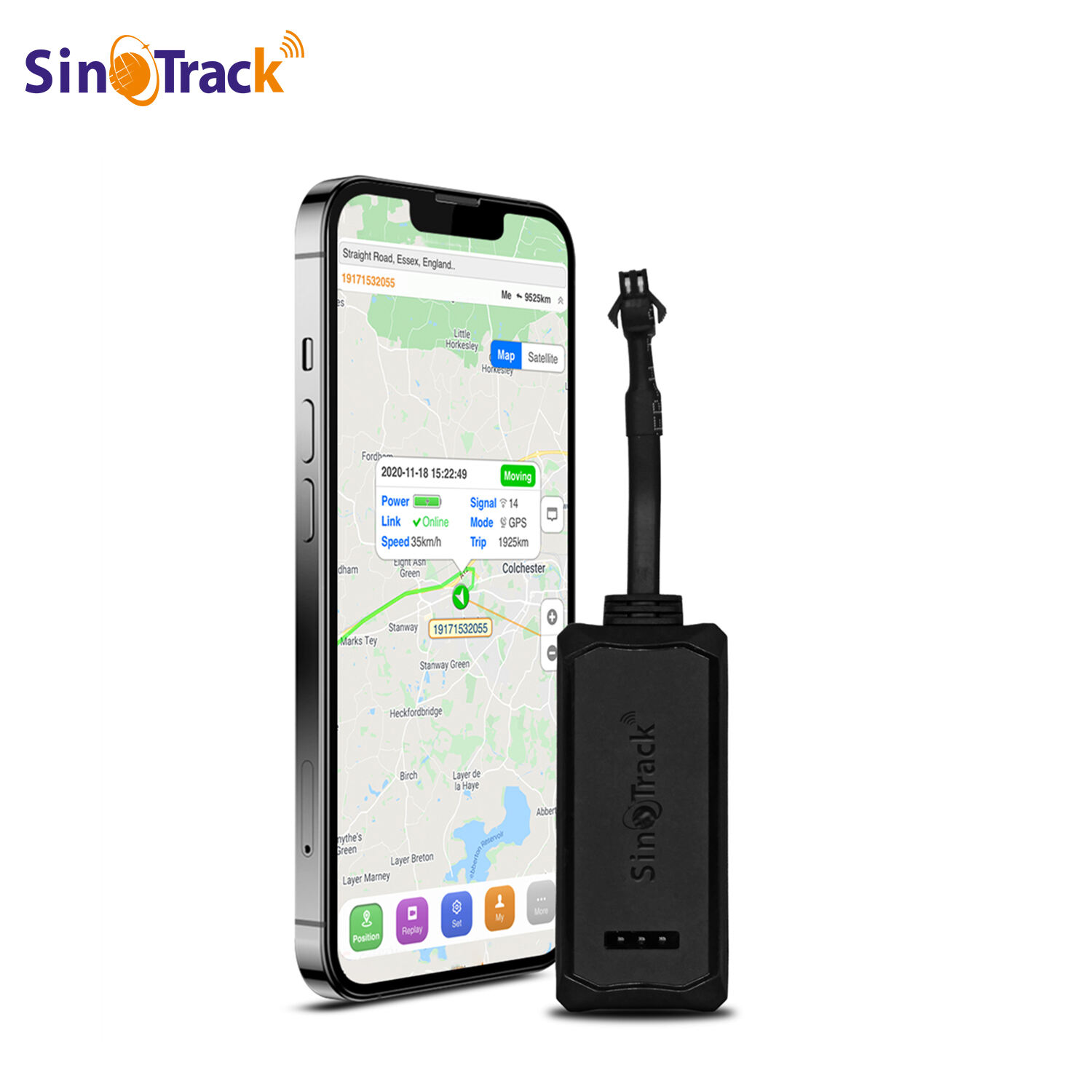
GPS vehicle tracking system price varies significantly based on features, technology, and service packages offered by different providers. Modern GPS vehicle tracking systems combine satellite positioning technology with cellular communication to provide real-time location monitoring, route optimization, and fleet management capabilities. The core functionality revolves around GPS satellites that pinpoint vehicle locations with remarkable accuracy, typically within 3-5 meters under optimal conditions. These systems transmit location data through cellular networks to centralized servers, where fleet managers can access comprehensive dashboards displaying vehicle positions, speeds, routes, and operational status. Advanced GPS vehicle tracking system price packages often include additional sensors for monitoring fuel consumption, engine diagnostics, driver behavior analysis, and maintenance scheduling. The technological foundation incorporates sophisticated algorithms for geofencing, which creates virtual boundaries and triggers alerts when vehicles enter or exit designated areas. Many systems integrate with mobile applications, allowing managers to monitor fleets remotely and receive instant notifications about critical events. The GPS vehicle tracking system price structure typically includes hardware costs for the tracking device installation, monthly or annual subscription fees for data transmission and software access, and potential setup charges. Professional installation services ensure optimal device placement and system configuration for maximum reliability and performance. Cloud-based platforms store historical data, generate detailed reports, and provide analytics tools for identifying operational inefficiencies and cost-saving opportunities. Integration capabilities allow these systems to connect with existing fleet management software, accounting systems, and customer relationship management platforms. The GPS vehicle tracking system price consideration extends beyond initial investment to encompass long-term operational benefits including reduced fuel costs, improved driver safety, enhanced customer service through accurate delivery estimates, and decreased insurance premiums through demonstrated fleet monitoring capabilities.


Popular Products

GPS vehicle tracking systems deliver substantial operational improvements that justify their implementation costs across various business sectors. Fleet managers experience immediate visibility into vehicle locations, enabling them to respond quickly to customer inquiries about delivery status and provide accurate arrival estimates. This enhanced communication capability strengthens customer relationships and builds trust through transparent service delivery. The GPS vehicle tracking system price investment pays dividends through reduced fuel consumption, as route optimization algorithms identify the most efficient paths between destinations, eliminating unnecessary mileage and idle time. Driver behavior monitoring features help companies identify aggressive driving patterns, excessive speeding, and unauthorized vehicle usage, leading to improved safety records and reduced accident-related expenses. Insurance companies often provide premium discounts for fleets equipped with GPS tracking systems, recognizing the correlation between monitoring capabilities and lower claim frequencies. Theft recovery capabilities represent another significant advantage, as GPS vehicle tracking system price packages typically include anti-theft features that enable rapid vehicle location and recovery when unauthorized movement occurs. Maintenance scheduling becomes more precise through engine hour tracking and mileage monitoring, preventing costly breakdowns and extending vehicle lifecycles through proactive service interventions. Compliance management simplifies regulatory requirements for industries subject to hours-of-service regulations, as automated logging eliminates manual paperwork and ensures accurate record-keeping. The GPS vehicle tracking system price consideration becomes favorable when comparing the costs of system implementation against potential savings from improved operational efficiency. Productivity increases result from better resource allocation, as managers can dispatch the nearest available vehicle to service calls, reducing response times and maximizing daily completion rates. Administrative overhead decreases through automated reporting features that generate timesheets, mileage logs, and performance metrics without manual data collection. Emergency response capabilities provide peace of mind for both employers and drivers, as GPS tracking enables quick assistance dispatch when vehicles break down or accidents occur. The GPS vehicle tracking system price structure accommodates businesses of all sizes, from single-vehicle operations to large enterprise fleets, with scalable solutions that grow alongside expanding operations.

Latest News

What Are the Best Pet GPS Trackers for Cats and Dogs in 2025?

10

Sep

What Are the Best Pet GPS Trackers for Cats and Dogs in 2025?

The Evolution of Modern Pet Tracking Technology Pet GPS trackers have revolutionized the way we monitor and protect our beloved furry companions. As technology continues to advance, these sophisticated devices offer pet owners unprecedented peace of ...
View More
Long Battery Life Personal GPS Trackers for Extended Use

26

Sep

Long Battery Life Personal GPS Trackers for Extended Use

Revolutionizing Personal Tracking with Extended Power Solutions The evolution of personal tracking technology has reached new heights with long battery life GPS trackers transforming how we monitor assets, loved ones, and valuable items. These advanc...
View More
Installing and Using Pet GPS Trackers Effectively

26

Sep

Installing and Using Pet GPS Trackers Effectively

Understanding Modern Pet GPS Tracking Technology The evolution of pet tracking technology has transformed the way we care for and protect our beloved animal companions. Pet GPS trackers have become increasingly sophisticated, offering pet owners unpr...
View More
Top 5 Mini GPS Tracker Options for Pets

13

Nov

Top 5 Mini GPS Tracker Options for Pets

Pet owners constantly worry about their furry companions wandering off or getting lost during outdoor adventures. Modern technology offers an effective solution through compact tracking devices that provide real-time location monitoring. A reliable g...
View More

Get a Free Quote

Our representative will contact you soon.
Email
Name
Company Name
Message
0/1000

gps vehicle tracking system price

Real-Time Fleet Visibility and Control

Real-Time Fleet Visibility and Control

The cornerstone benefit of GPS vehicle tracking systems lies in providing comprehensive real-time visibility across entire fleet operations, transforming how businesses manage their mobile assets. This capability extends far beyond simple location tracking, encompassing a sophisticated network of data collection and analysis that empowers managers with unprecedented operational control. When evaluating GPS vehicle tracking system price options, the real-time visibility feature consistently emerges as the most valuable component, delivering immediate returns on investment through enhanced operational efficiency and customer service improvements. The system continuously monitors vehicle positions with pinpoint accuracy, updating locations every few seconds to provide managers with current operational status across their entire fleet. This immediate awareness enables rapid response to customer inquiries, service disruptions, and emergency situations, significantly improving overall service quality and customer satisfaction levels. The GPS vehicle tracking system price investment becomes justified through the elimination of time-consuming manual check-ins and status updates that previously consumed valuable administrative resources. Advanced dashboard interfaces present comprehensive fleet overviews through intuitive visual displays, showing vehicle locations on detailed maps alongside critical operational metrics such as speed, direction, engine status, and driver identification. Geofencing capabilities create virtual boundaries around customer locations, service areas, and restricted zones, automatically generating alerts when vehicles enter or exit designated areas without requiring constant manual monitoring. This proactive notification system prevents unauthorized vehicle usage, ensures compliance with customer access requirements, and enables automatic billing triggers for service completion. The GPS vehicle tracking system price consideration must account for the substantial labor cost savings achieved through automated monitoring that replaces manual oversight requirements. Historical tracking data provides valuable insights into route efficiency, customer service patterns, and operational bottlenecks that might otherwise remain unidentified. Fleet managers can analyze traffic patterns, identify optimal service times, and develop strategic improvements based on comprehensive operational data rather than relying on subjective observations or incomplete information.
Advanced Route Optimization and Fuel Savings

Advanced Route Optimization and Fuel Savings

Route optimization represents one of the most financially impactful features included in comprehensive GPS vehicle tracking system price packages, delivering measurable fuel savings and operational efficiency improvements that directly enhance bottom-line profitability. This sophisticated functionality utilizes complex algorithms that analyze multiple variables including traffic conditions, road restrictions, vehicle capabilities, and delivery requirements to determine the most efficient paths between multiple destinations. The GPS vehicle tracking system price investment typically recovers itself within months through fuel cost reductions alone, making this feature particularly attractive for businesses operating multiple vehicles or covering extensive service territories. Dynamic routing capabilities adjust recommended paths in real-time based on current traffic conditions, road closures, and unexpected delays, ensuring drivers always follow the most efficient routes available. This adaptability prevents vehicles from becoming trapped in traffic congestion that wastes fuel and delays service delivery, maintaining optimal operational efficiency throughout the working day. The GPS vehicle tracking system price structure often includes advanced routing features that consider vehicle-specific factors such as cargo weight, size restrictions, and fuel efficiency characteristics when calculating optimal paths. Multi-stop optimization algorithms solve complex routing challenges by determining the most efficient sequence for visiting multiple destinations, dramatically reducing total travel time and fuel consumption compared to manual route planning. Fleet managers can pre-plan routes for maximum efficiency while maintaining flexibility to accommodate last-minute schedule changes or emergency service calls without compromising overall operational efficiency. The GPS vehicle tracking system price consideration becomes particularly favorable for businesses serving large geographic areas or managing complex delivery schedules that previously required extensive manual planning and coordination. Fuel consumption monitoring provides detailed insights into driver performance, vehicle efficiency, and operational costs, enabling managers to identify opportunities for additional savings through driver training or vehicle maintenance improvements. Integration with fuel card systems creates comprehensive expense tracking that correlates fuel purchases with actual vehicle usage, identifying discrepancies and preventing unauthorized fuel expenses.
Comprehensive Driver Safety and Compliance Management

Comprehensive Driver Safety and Compliance Management

Driver safety monitoring and regulatory compliance management represent critical components that significantly enhance the value proposition of GPS vehicle tracking system price investments, particularly for businesses operating in regulated industries or prioritizing workforce safety. These advanced features transform traditional fleet management approaches by providing objective data about driver behavior, vehicle performance, and regulatory compliance status, replacing subjective assessments with measurable metrics that support improved safety outcomes and reduced liability exposure. The GPS vehicle tracking system price structure typically includes sophisticated driver behavior monitoring that tracks speeding incidents, harsh acceleration events, sudden braking patterns, and rapid cornering maneuvers that indicate potentially dangerous driving habits. This comprehensive monitoring capability enables fleet managers to identify drivers requiring additional training or coaching, implementing targeted improvement programs that reduce accident risks and associated costs. Automated scoring systems evaluate individual driver performance across multiple safety metrics, creating accountability and encouraging safer driving practices throughout the organization. The GPS vehicle tracking system price investment delivers substantial returns through reduced insurance premiums, as carriers recognize the correlation between active driver monitoring and decreased claim frequencies. Hours-of-service compliance automation eliminates manual logbook maintenance for commercial drivers subject to federal regulations, ensuring accurate record-keeping while reducing administrative burden and compliance risks. Electronic logging capabilities automatically track driving time, rest periods, and duty status changes, preventing violations that could result in significant fines and operational disruptions. The GPS vehicle tracking system price consideration must account for the substantial costs associated with regulatory violations, accident liability, and insurance claims that effective monitoring helps prevent. Speed limit enforcement features automatically alert managers when vehicles exceed posted limits or predetermined thresholds, enabling immediate corrective action before dangerous situations develop. Maintenance alert systems monitor vehicle diagnostics and usage patterns to schedule preventive maintenance before mechanical failures occur, ensuring fleet safety while minimizing unexpected repair costs and vehicle downtime. Emergency assistance capabilities provide drivers with immediate access to help during breakdowns or accidents, improving response times and demonstrating organizational commitment to employee safety and welfare.

Get a Free Quote

Our representative will contact you soon.
Email
Name
Company Name
Message
0/1000