gps tracking 4g
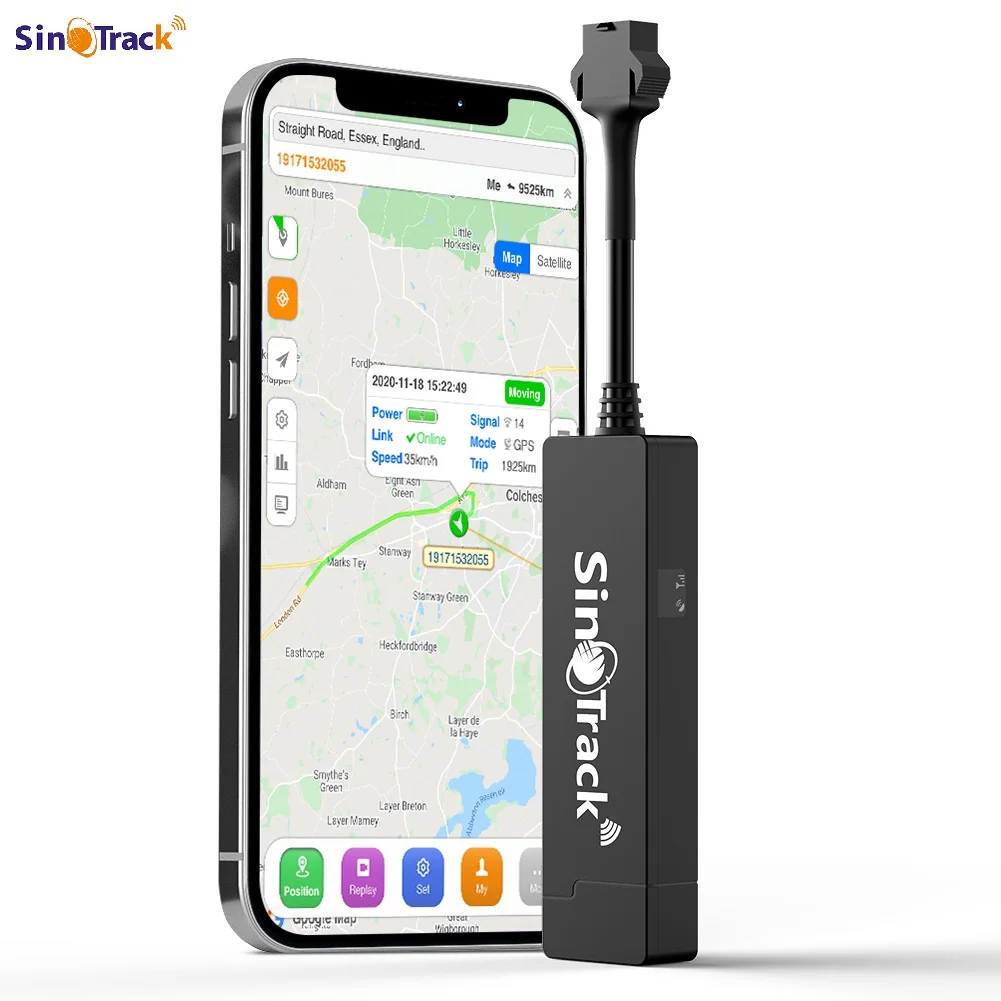
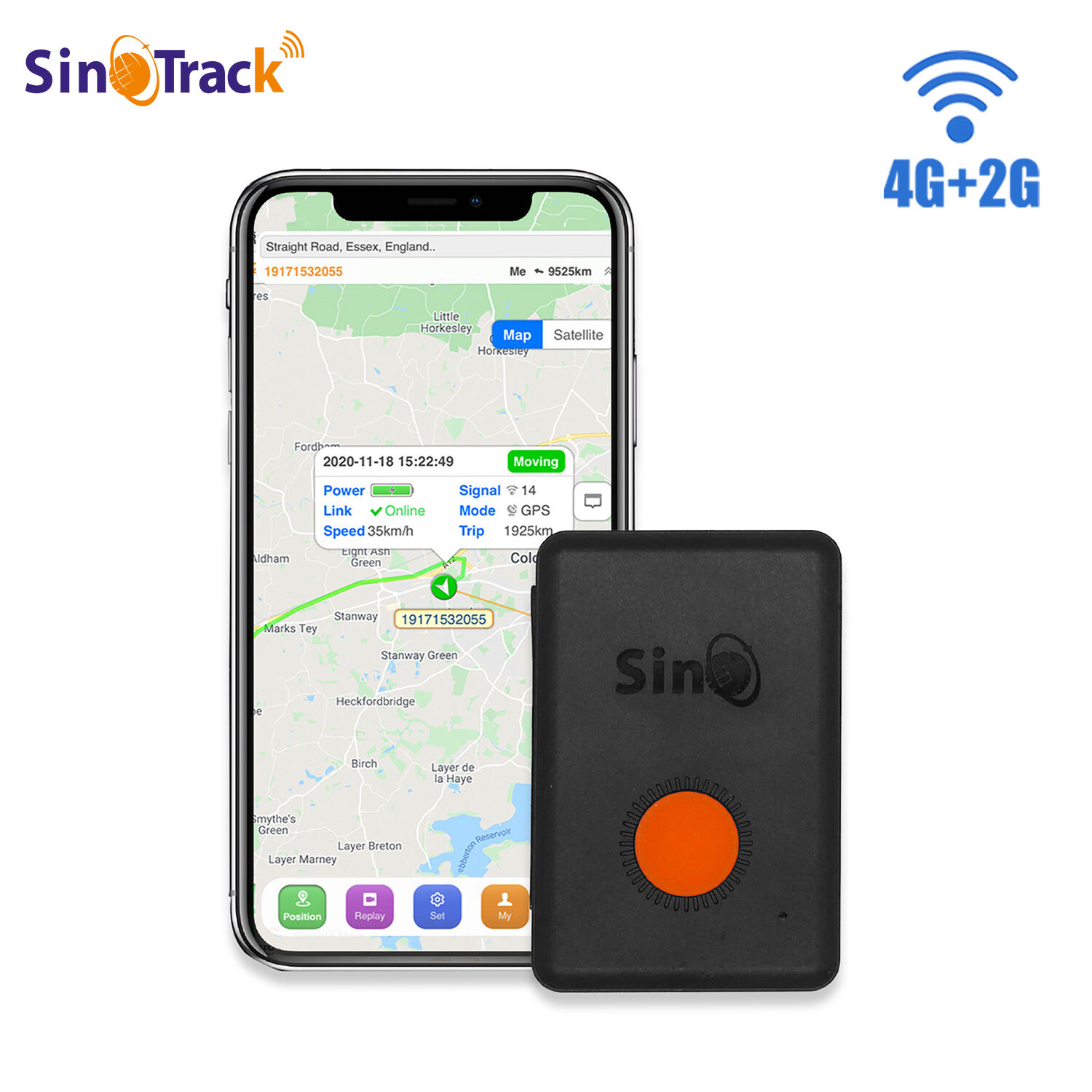
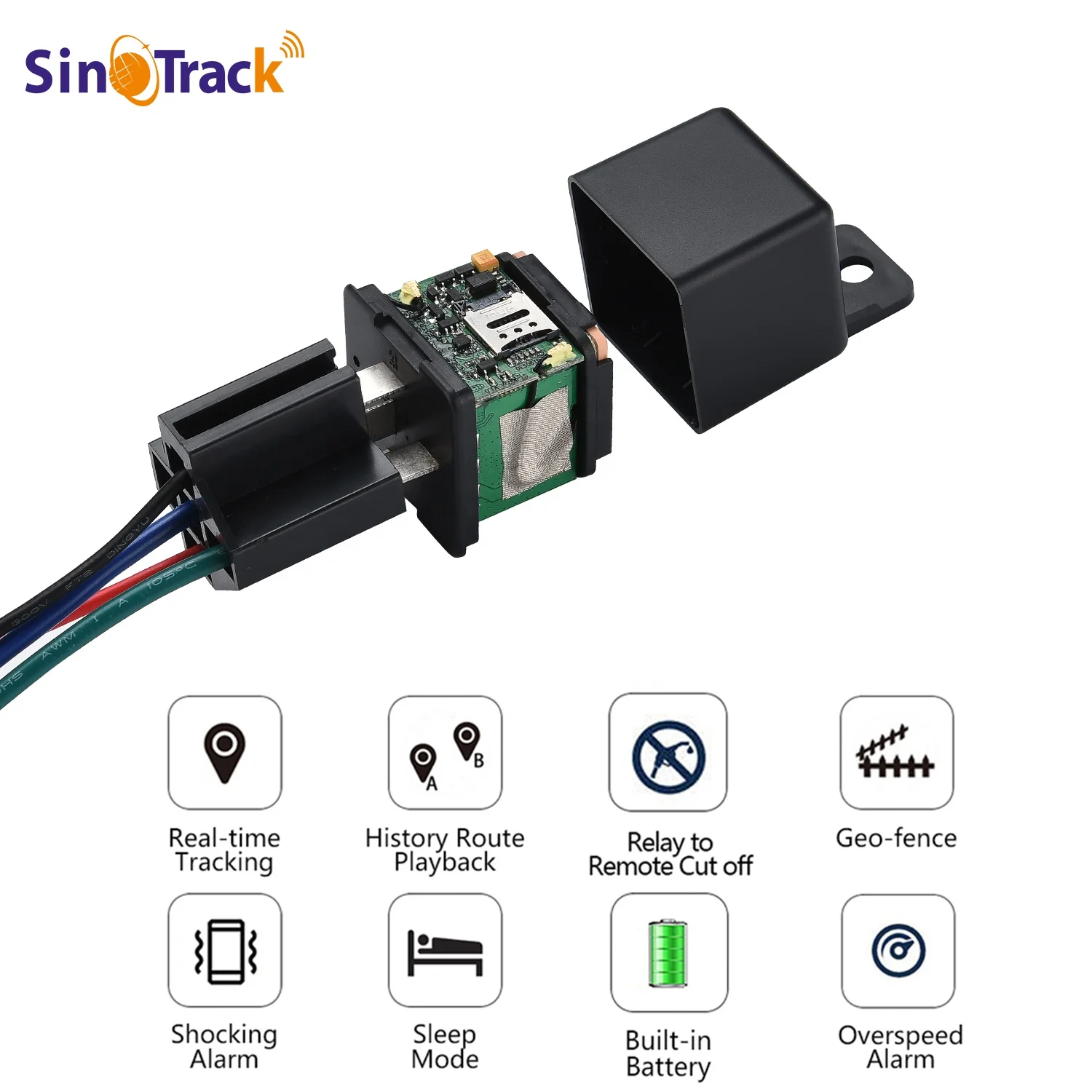
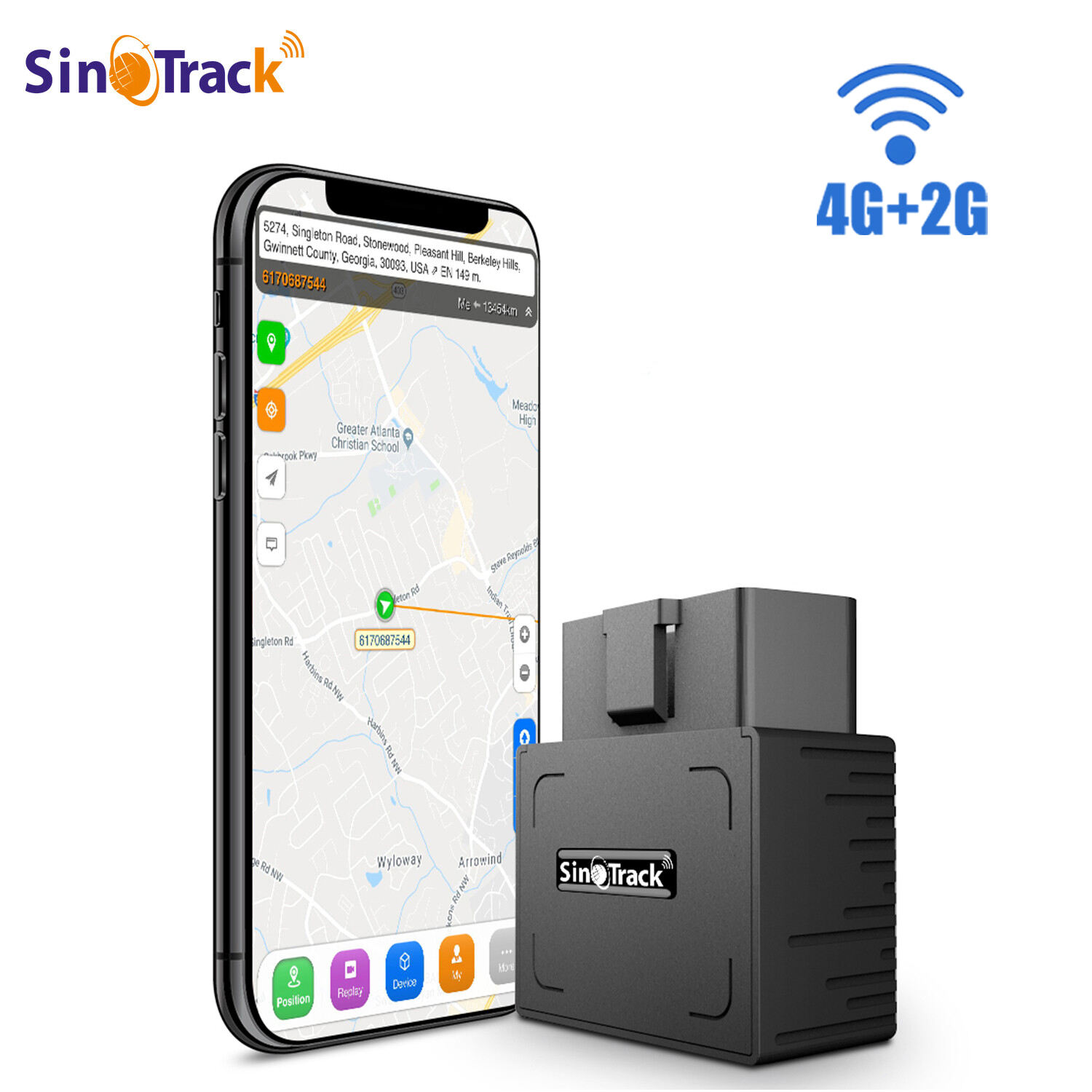
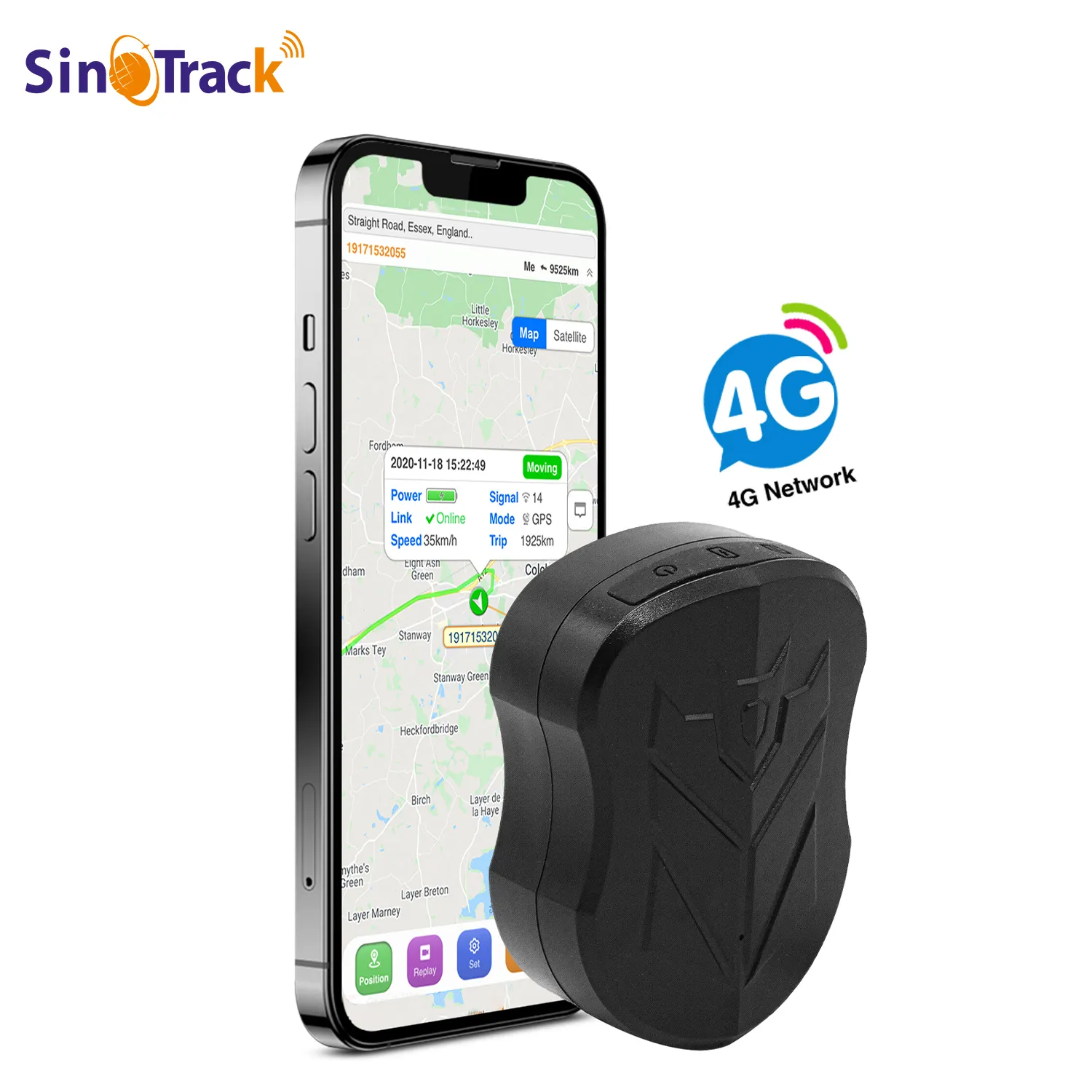
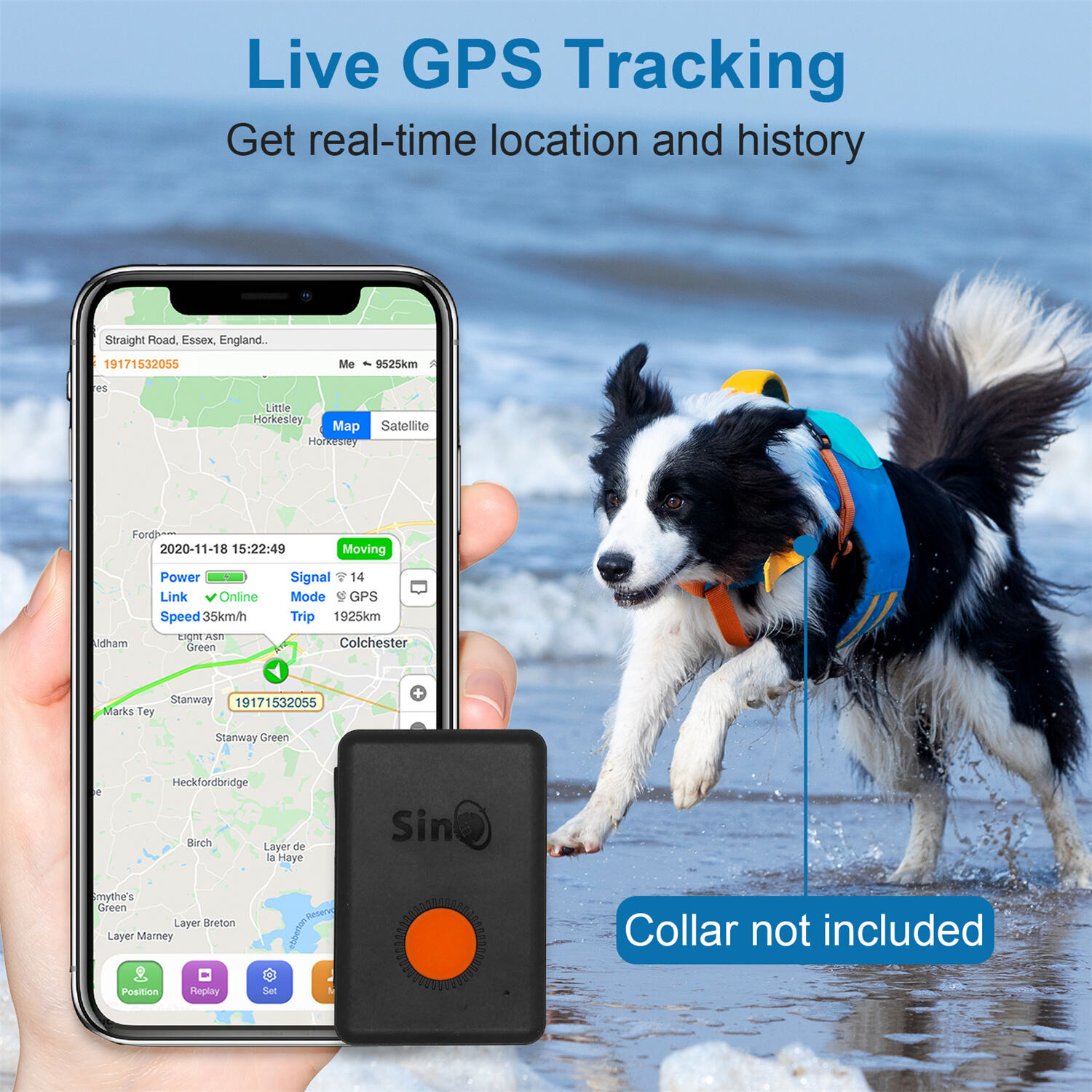
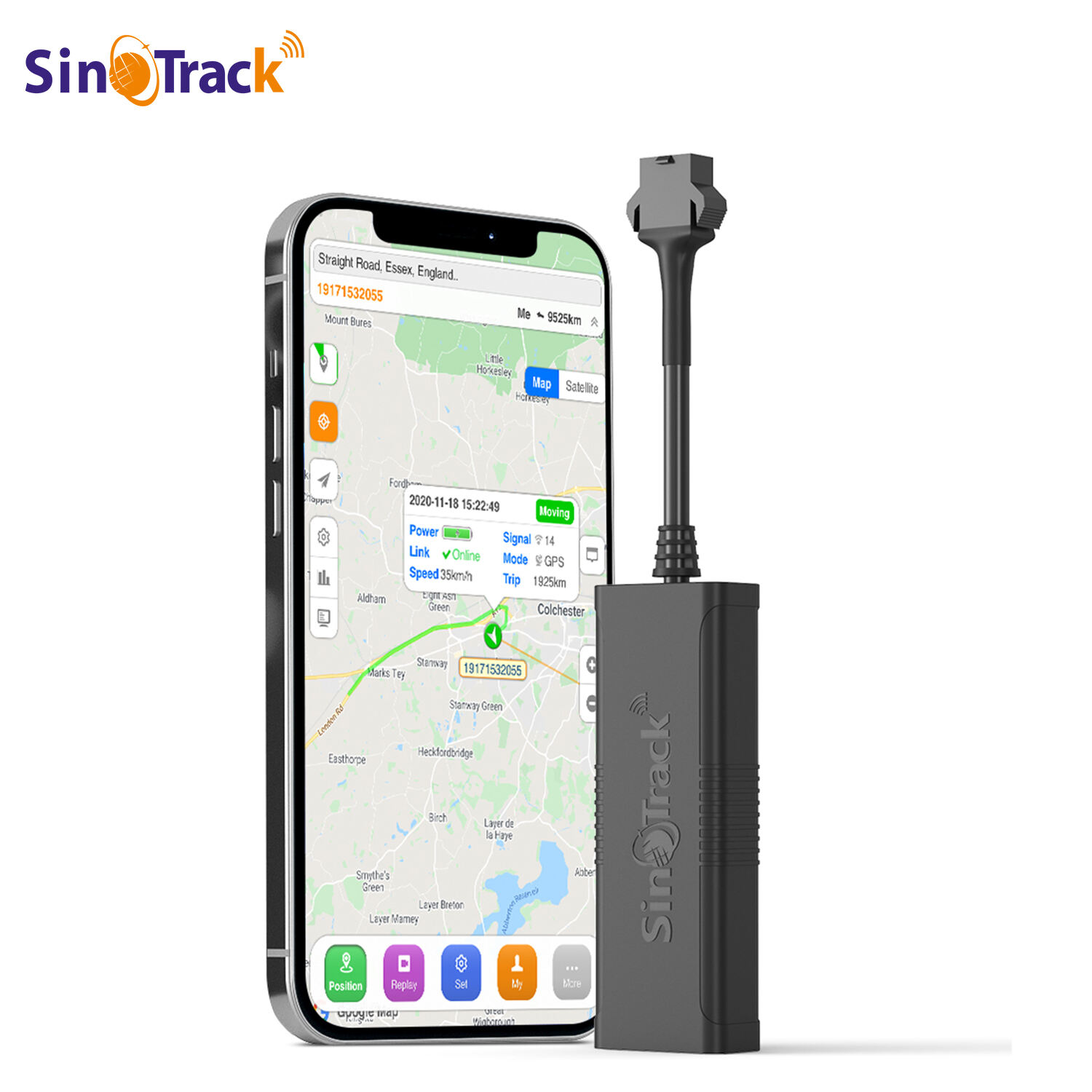
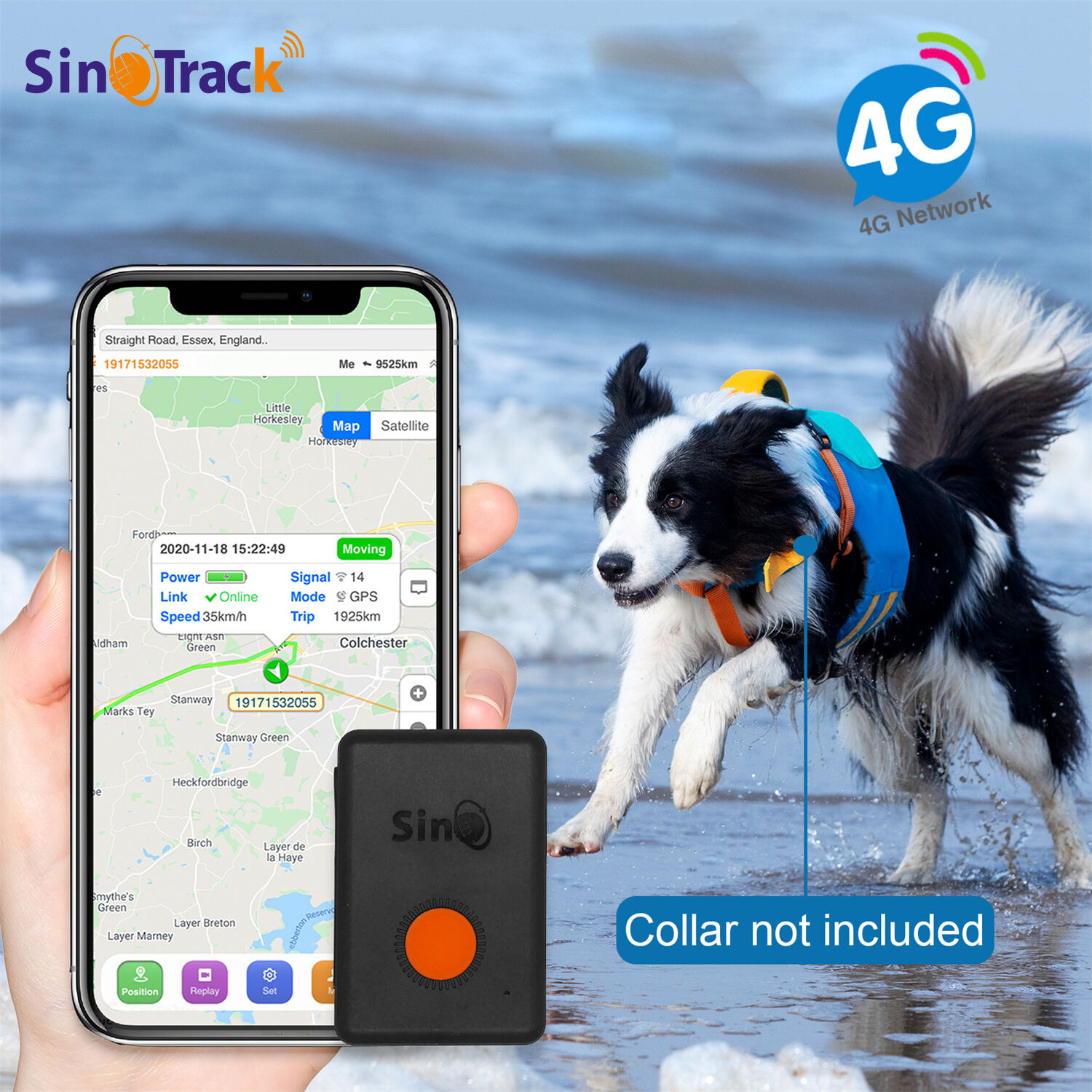
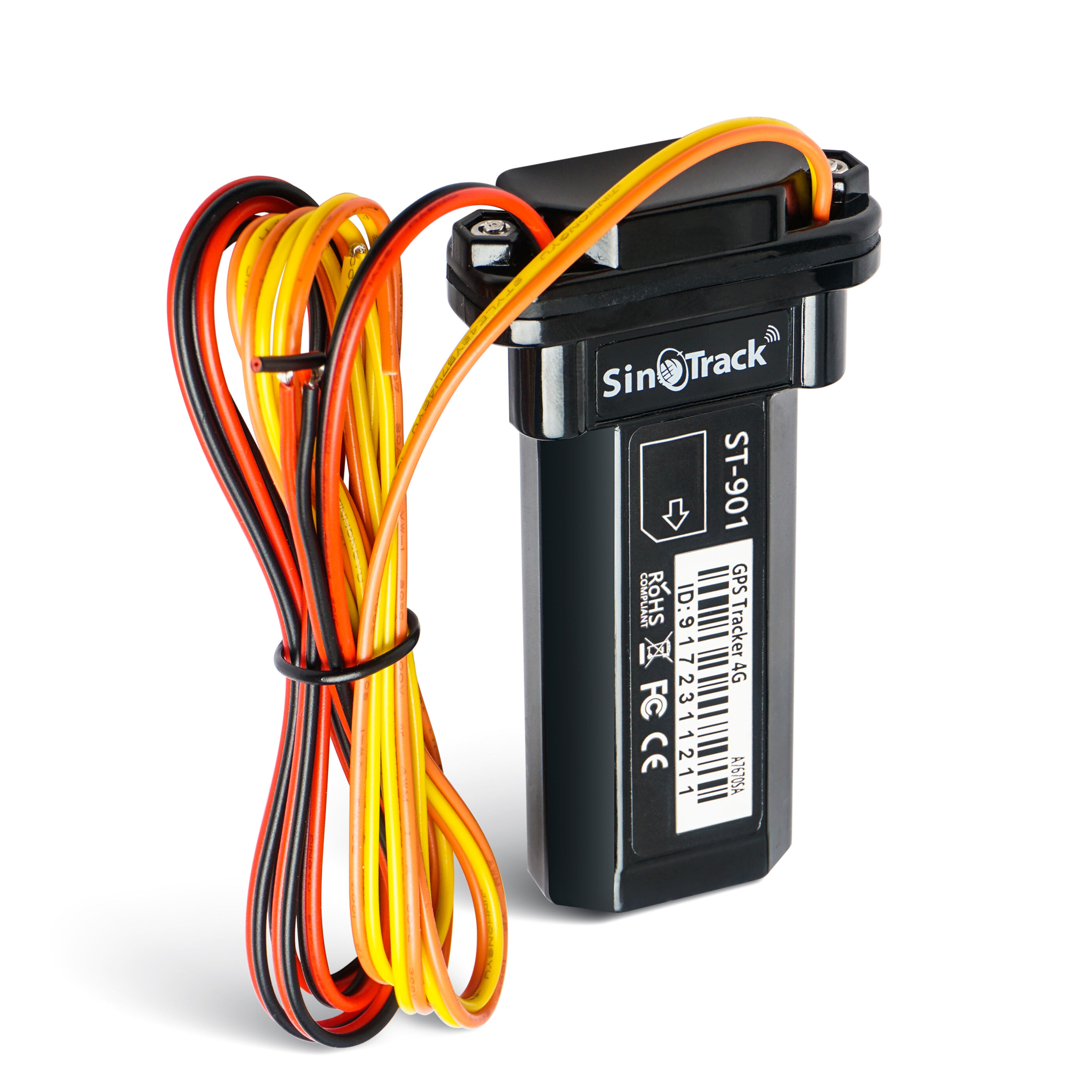
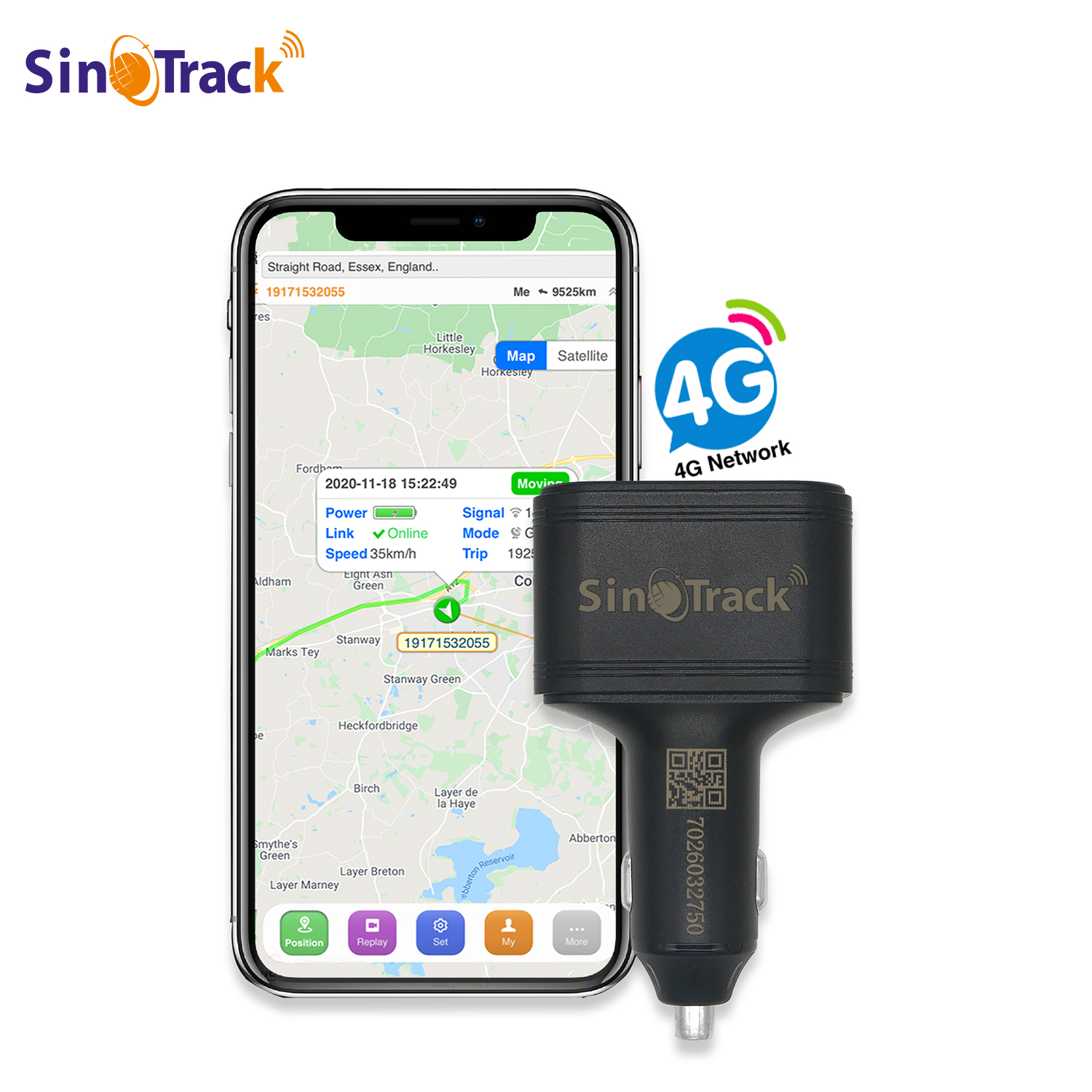
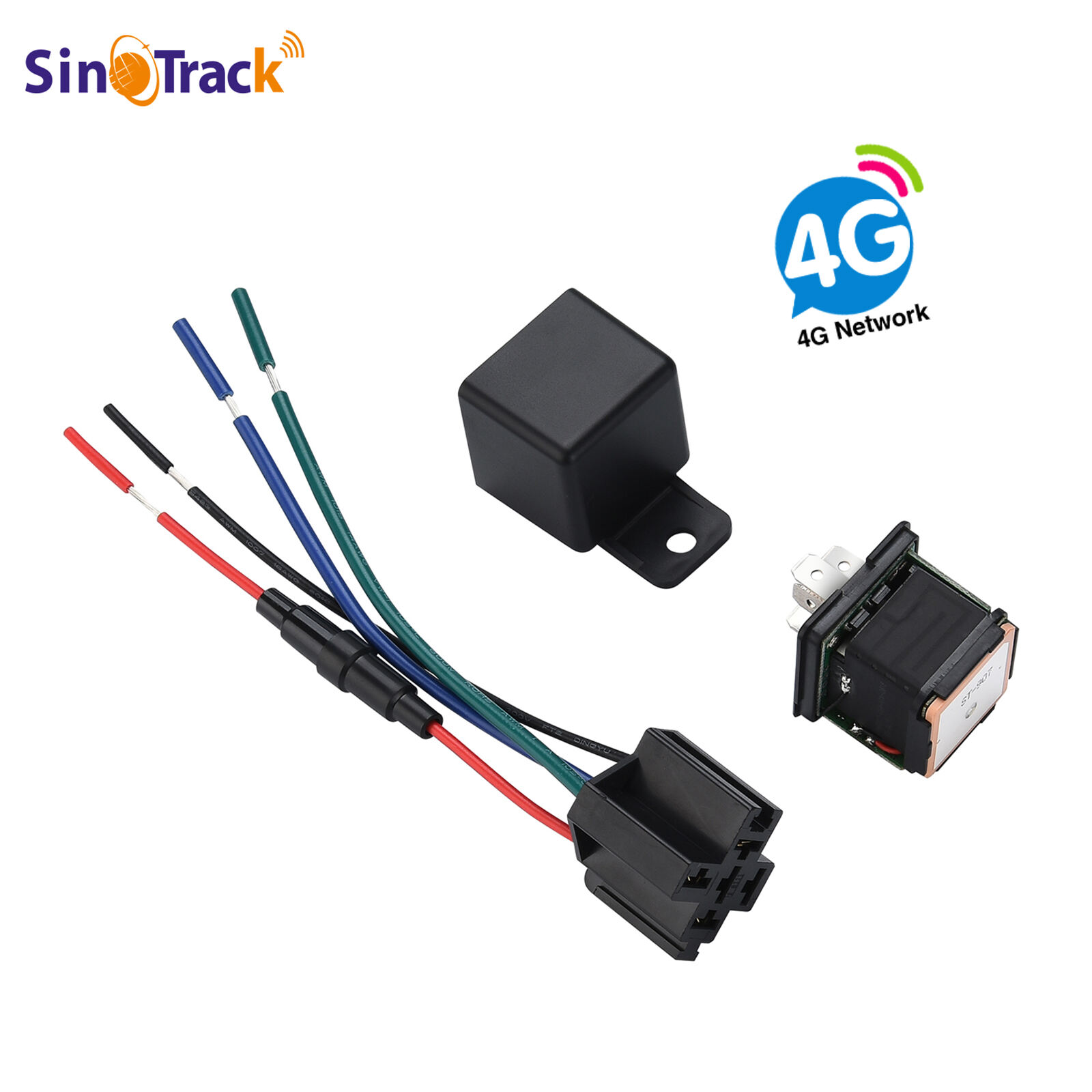
GPS tracking 4G technology represents a revolutionary advancement in location monitoring systems, combining the precision of Global Positioning System satellites with the robust connectivity of fourth-generation cellular networks. This sophisticated tracking solution delivers real-time location data with unprecedented accuracy and reliability, making it an essential tool for businesses, individuals, and organizations requiring comprehensive monitoring capabilities. The GPS tracking 4G device operates by receiving signals from multiple satellites to determine precise coordinates, while simultaneously utilizing 4G cellular networks to transmit this information instantly to designated recipients or monitoring platforms. Unlike traditional tracking methods that rely on slower 2G or 3G networks, GPS tracking 4G ensures faster data transmission, enhanced coverage, and superior performance in urban environments where signal interference might otherwise compromise tracking accuracy. The main functions of GPS tracking 4G encompass real-time location monitoring, historical route analysis, geofencing capabilities, speed monitoring, and emergency alert systems. These devices can track vehicles, assets, personnel, or valuable equipment with remarkable precision, providing coordinates accurate to within a few meters under optimal conditions. The technological features include advanced chipsets that support multiple satellite constellations, high-sensitivity receivers for improved signal acquisition, and sophisticated algorithms that filter out interference and enhance positioning accuracy. Many GPS tracking 4G units incorporate additional sensors such as accelerometers, gyroscopes, and temperature monitors, expanding their functionality beyond basic location services. The applications for GPS tracking 4G span numerous industries and use cases. Fleet management companies utilize these systems to optimize routes, monitor driver behavior, and reduce operational costs. Logistics providers rely on GPS tracking 4G for cargo monitoring, delivery confirmation, and supply chain visibility. Personal safety applications include child monitoring, elderly care, and outdoor activity tracking. Asset protection services use these devices to prevent theft and unauthorized movement of valuable equipment. The technology also serves emergency services, enabling rapid response and improved coordination during critical situations.
 EN
EN