commercial vehicle tracker
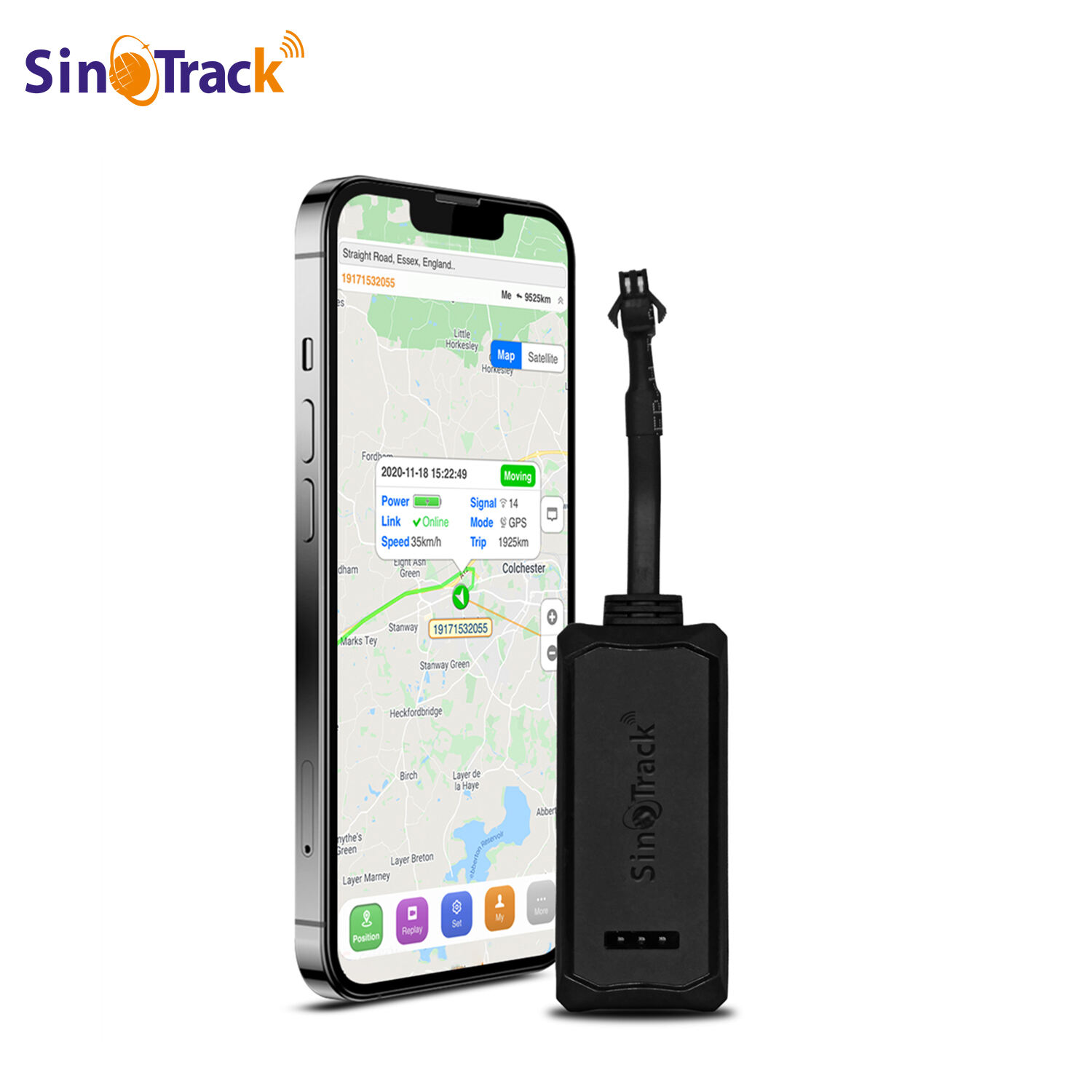
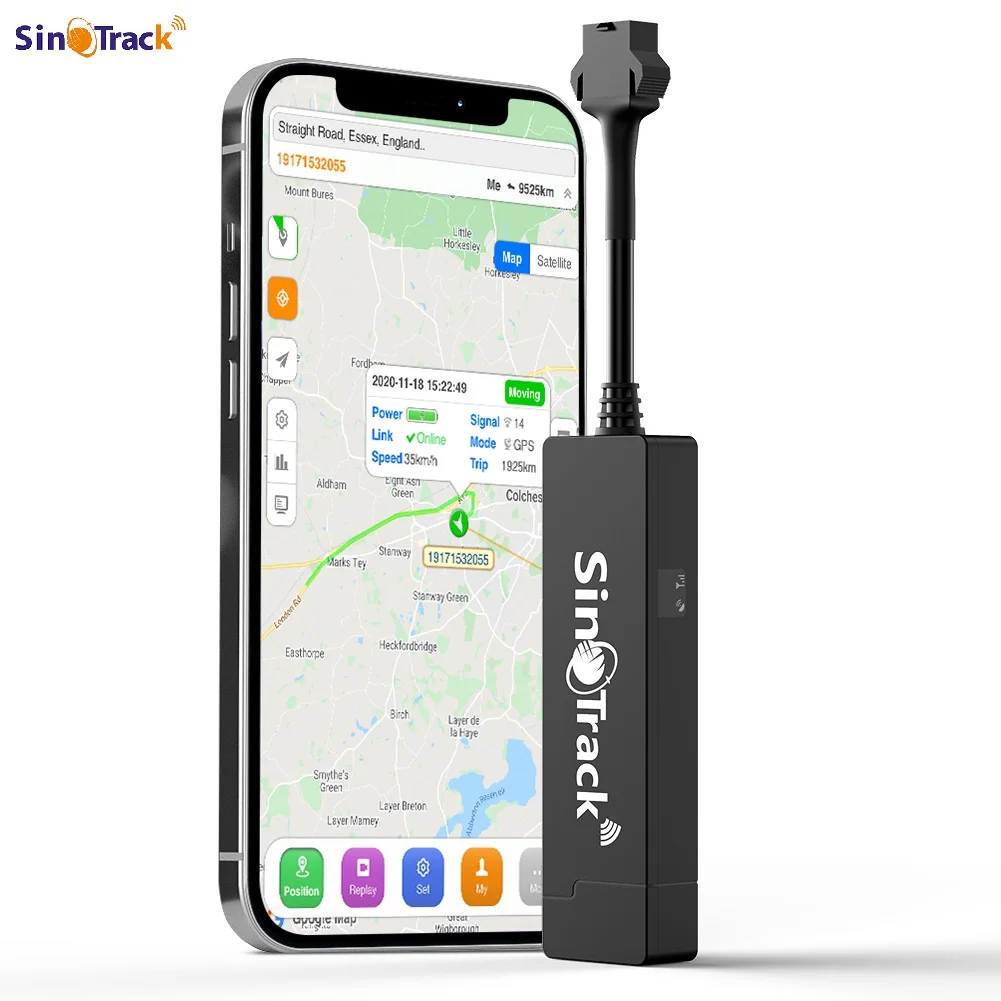
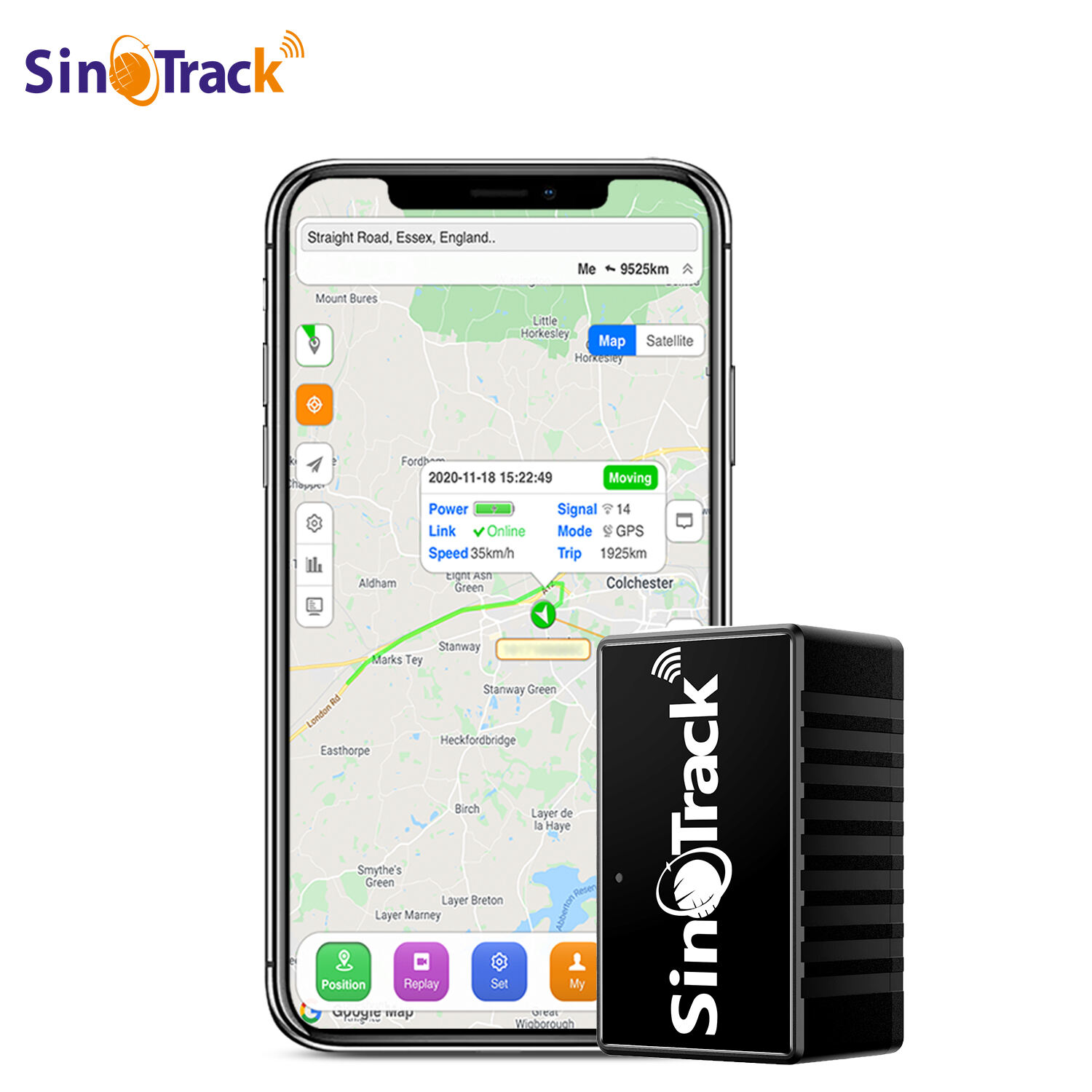
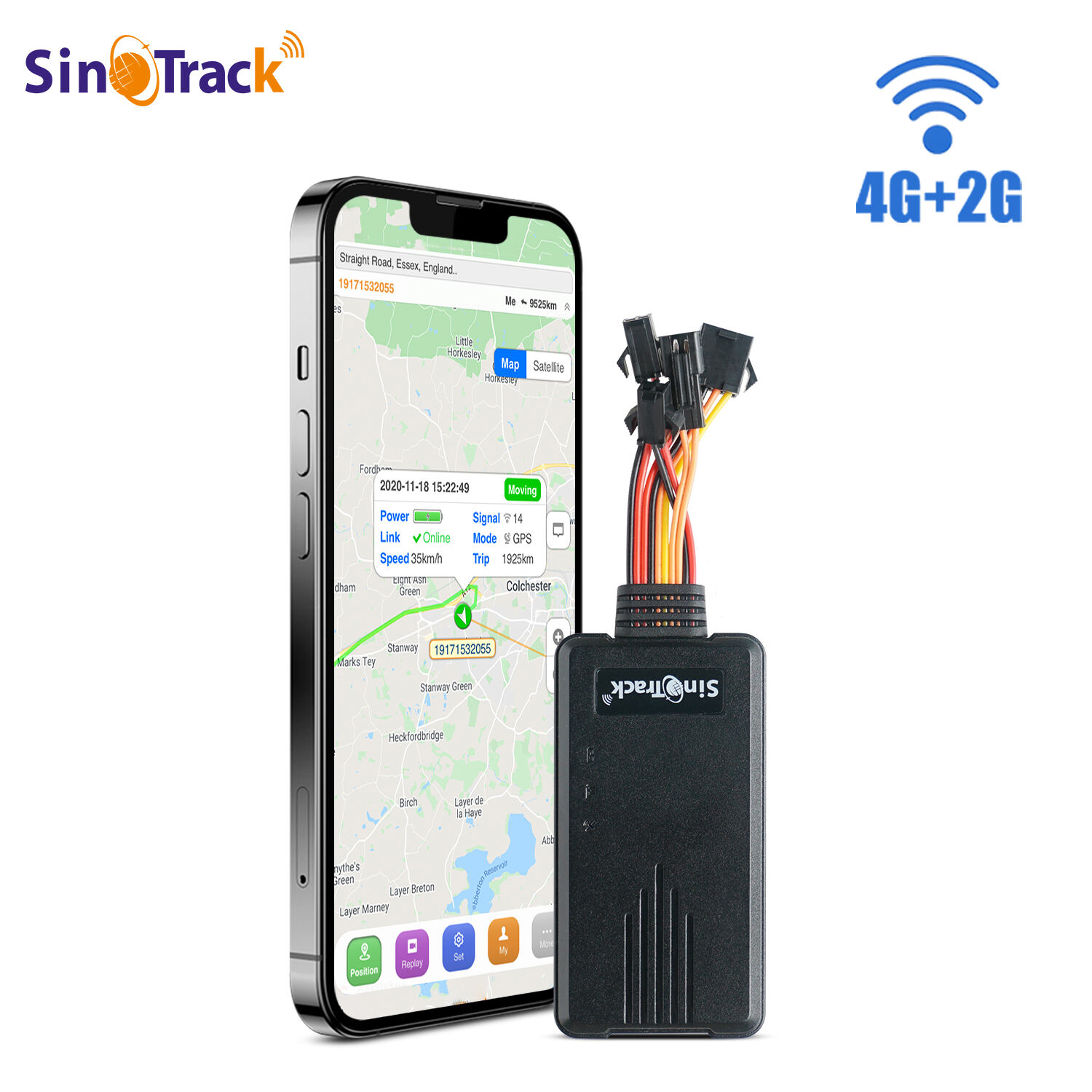
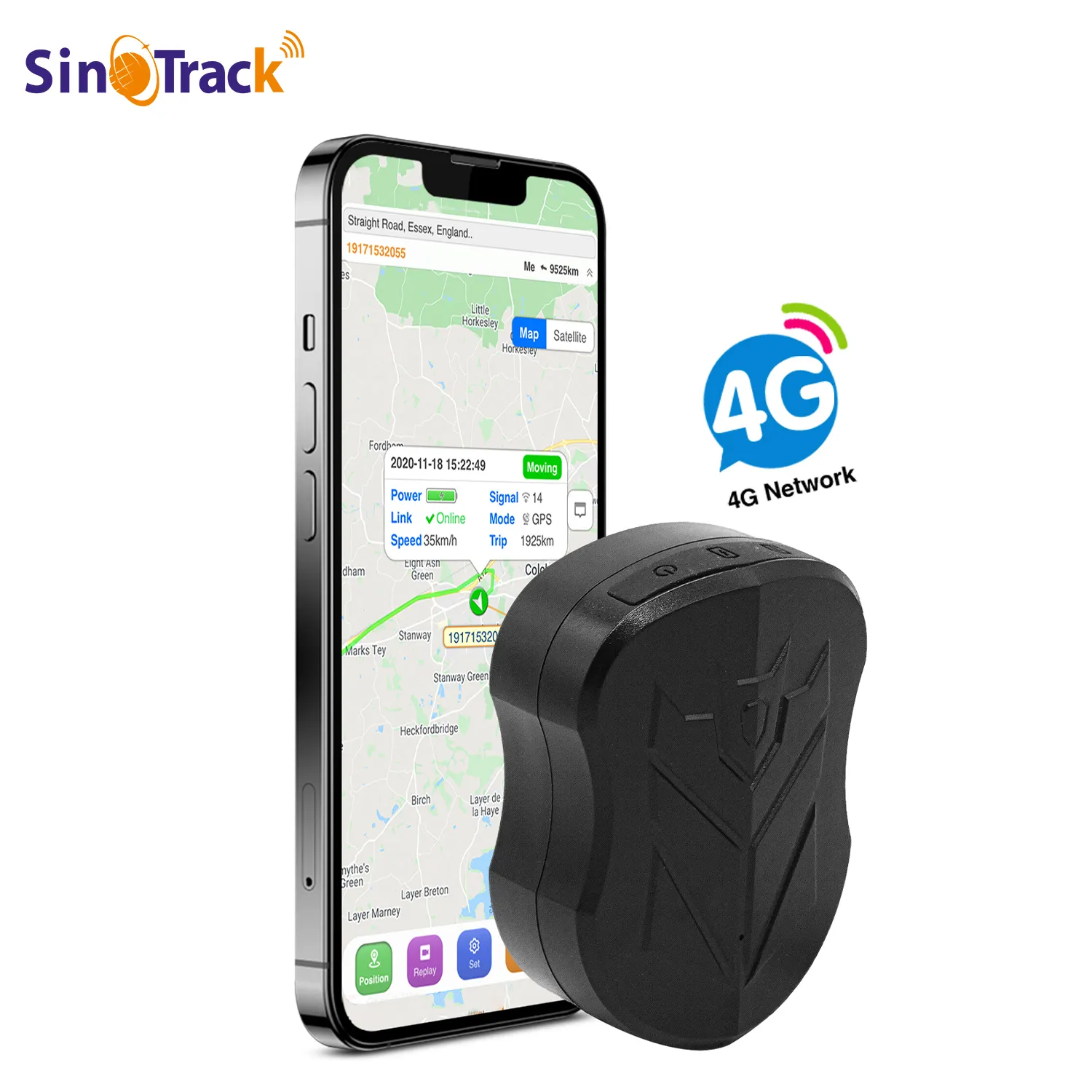
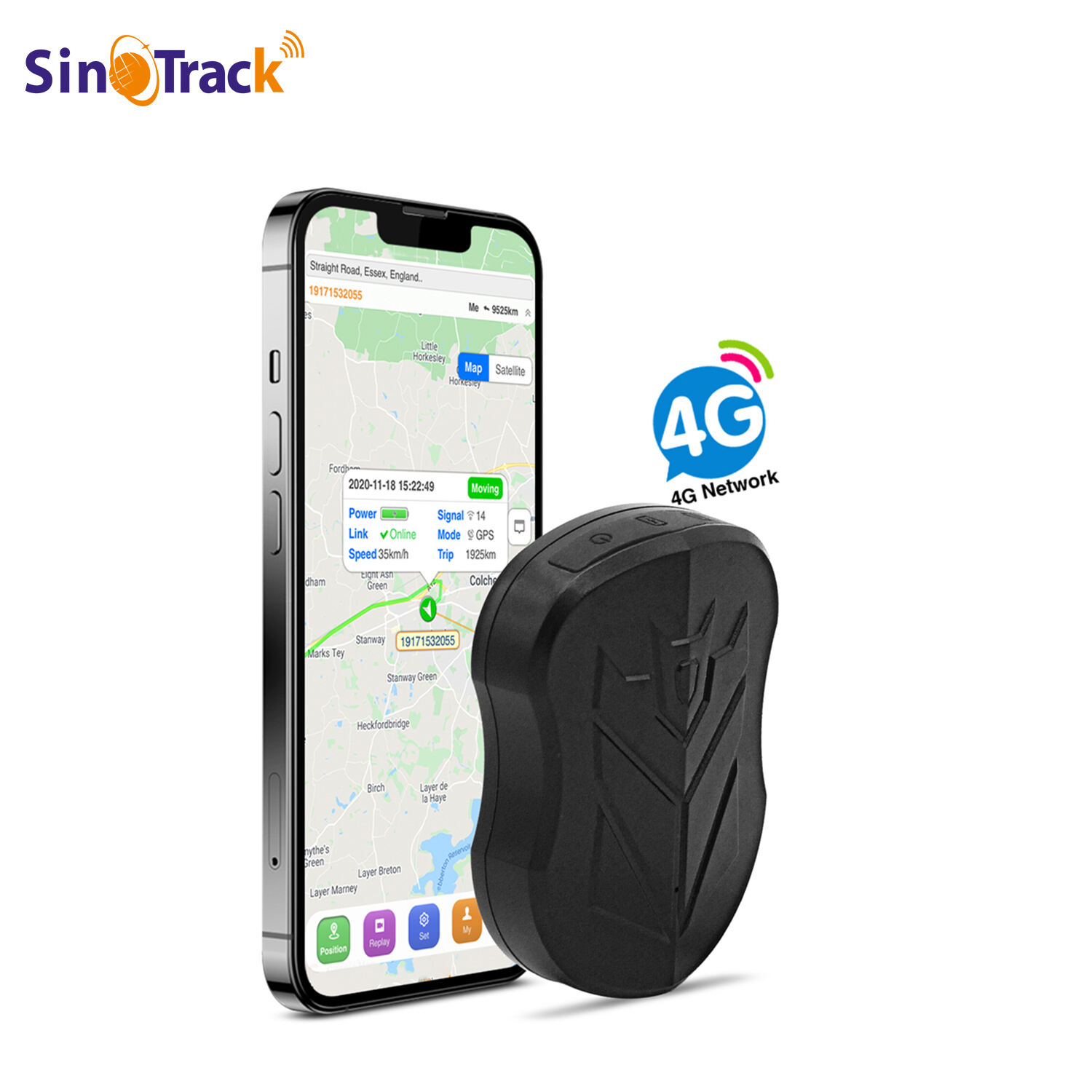
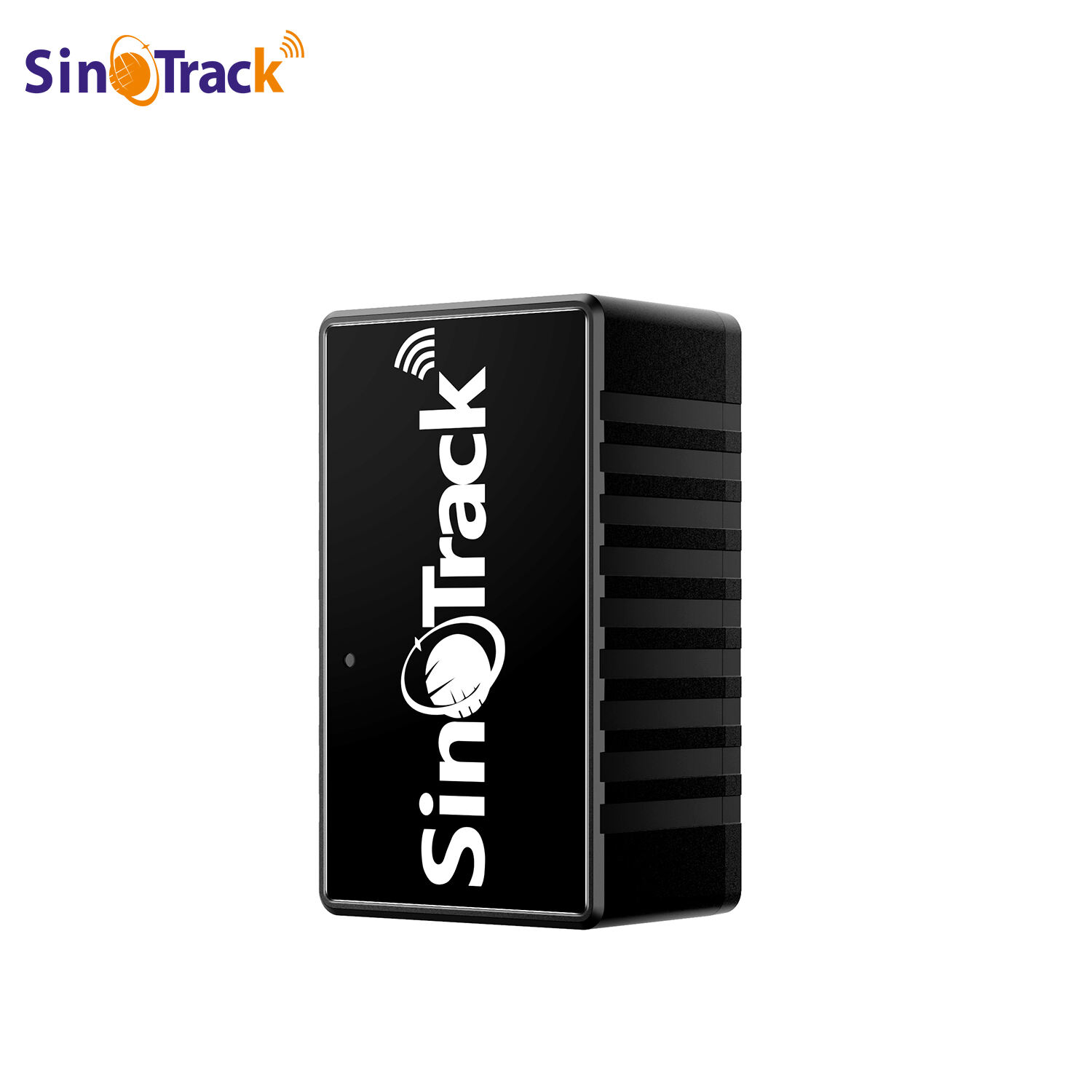
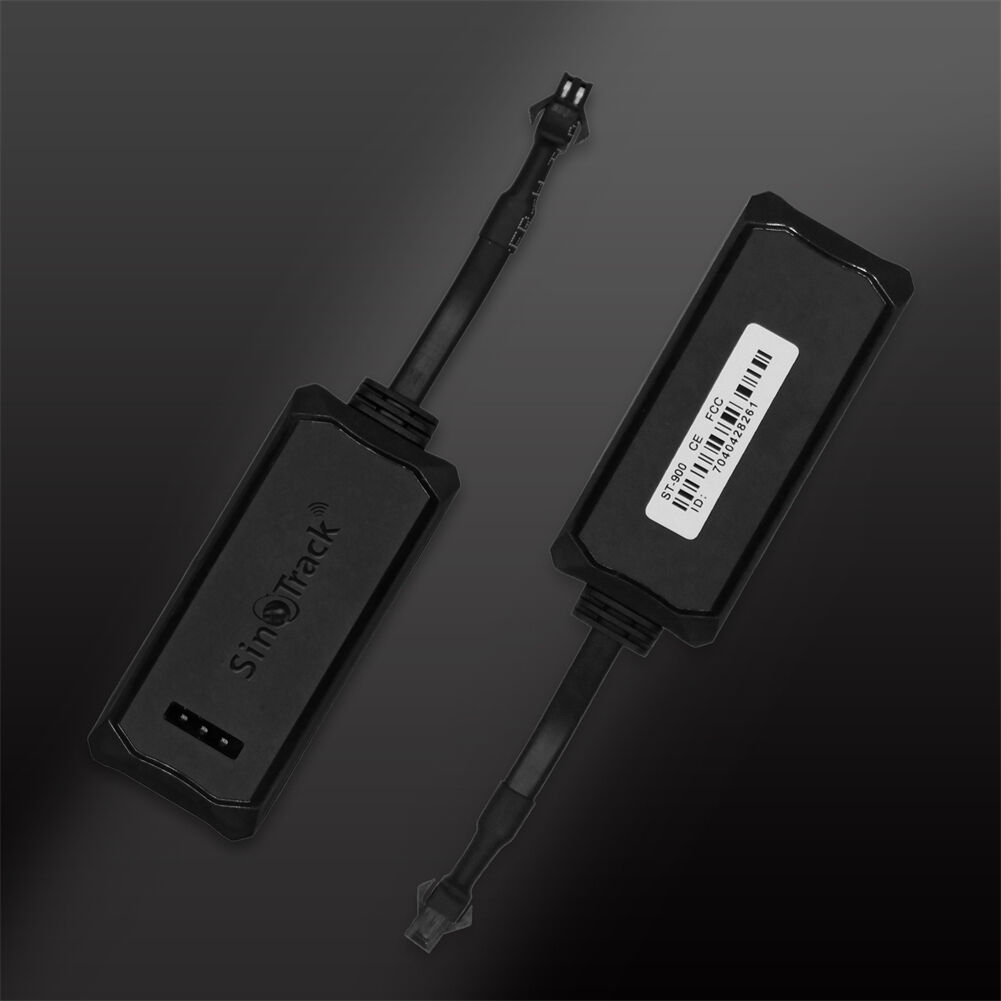
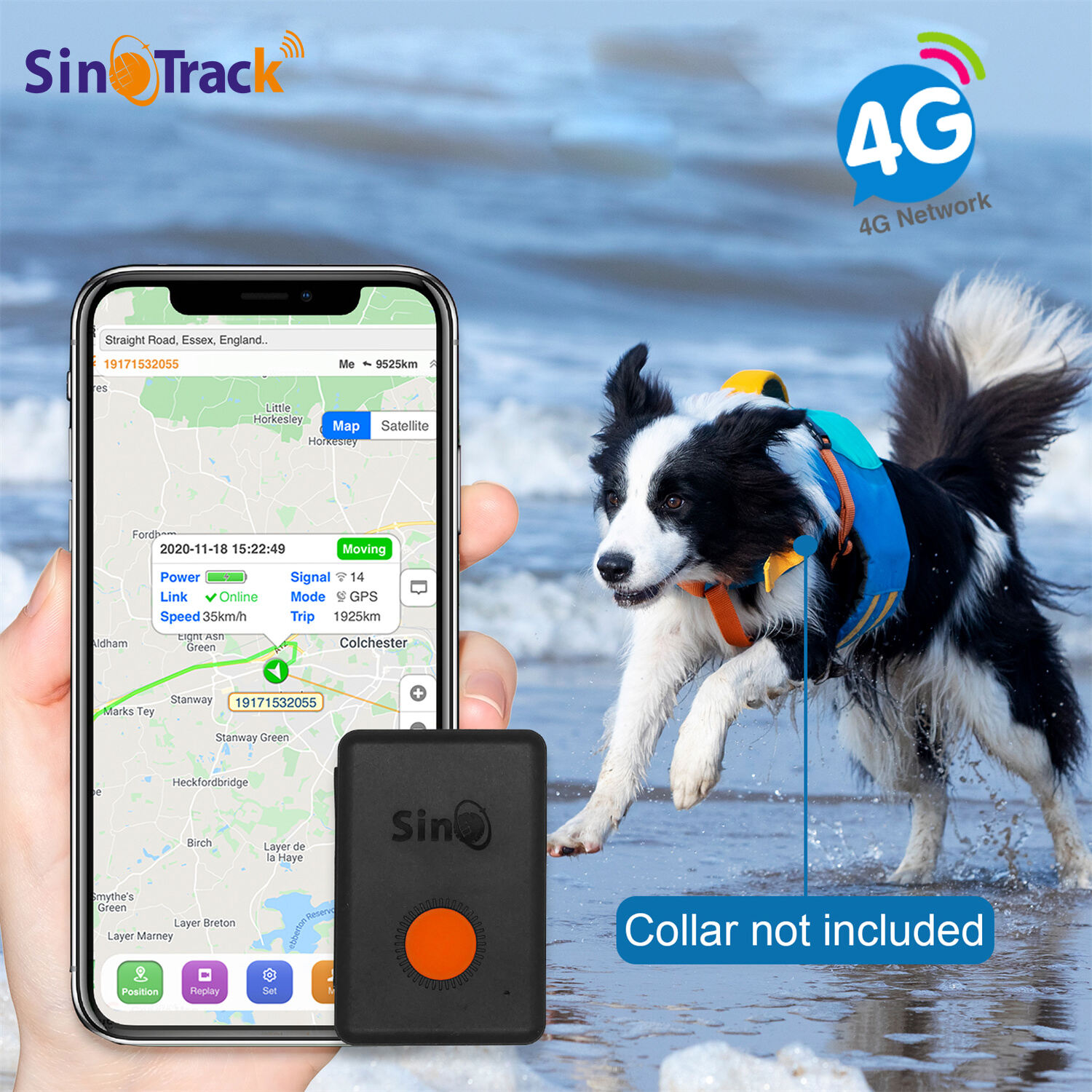
A commercial vehicle tracker represents cutting-edge GPS technology designed specifically for businesses managing fleets of trucks, vans, delivery vehicles, and other commercial transportation assets. This sophisticated device combines global positioning systems with cellular communication technology to provide real-time location monitoring and comprehensive fleet management solutions. Modern commercial vehicle trackers utilize advanced satellite networks to pinpoint vehicle locations with remarkable accuracy, typically within three to five meters of the actual position. The device operates continuously, transmitting location data, speed information, and various vehicle parameters to centralized monitoring systems accessible through web-based platforms and mobile applications. Core functionalities of commercial vehicle trackers include real-time GPS tracking, route optimization, driver behavior monitoring, fuel consumption analysis, maintenance scheduling alerts, and comprehensive reporting capabilities. These systems integrate seamlessly with existing business operations, providing valuable insights into fleet performance and operational efficiency. Technological features encompass high-sensitivity GPS receivers, cellular modems for data transmission, accelerometers for detecting harsh driving behaviors, temperature sensors for cargo monitoring, and robust hardware designed to withstand harsh environmental conditions. Many commercial vehicle trackers incorporate geofencing capabilities, allowing fleet managers to establish virtual boundaries and receive automated alerts when vehicles enter or exit designated areas. The applications for commercial vehicle trackers span numerous industries including logistics companies, construction firms, delivery services, transportation companies, emergency services, and government agencies. These devices prove invaluable for improving operational efficiency, reducing fuel costs, enhancing customer service through accurate delivery time estimates, ensuring driver safety, preventing vehicle theft, and maintaining regulatory compliance. Installation typically requires professional setup to ensure optimal antenna placement and integration with vehicle electrical systems, though many modern units offer plug-and-play functionality for simplified deployment across entire fleets.

 EN
EN