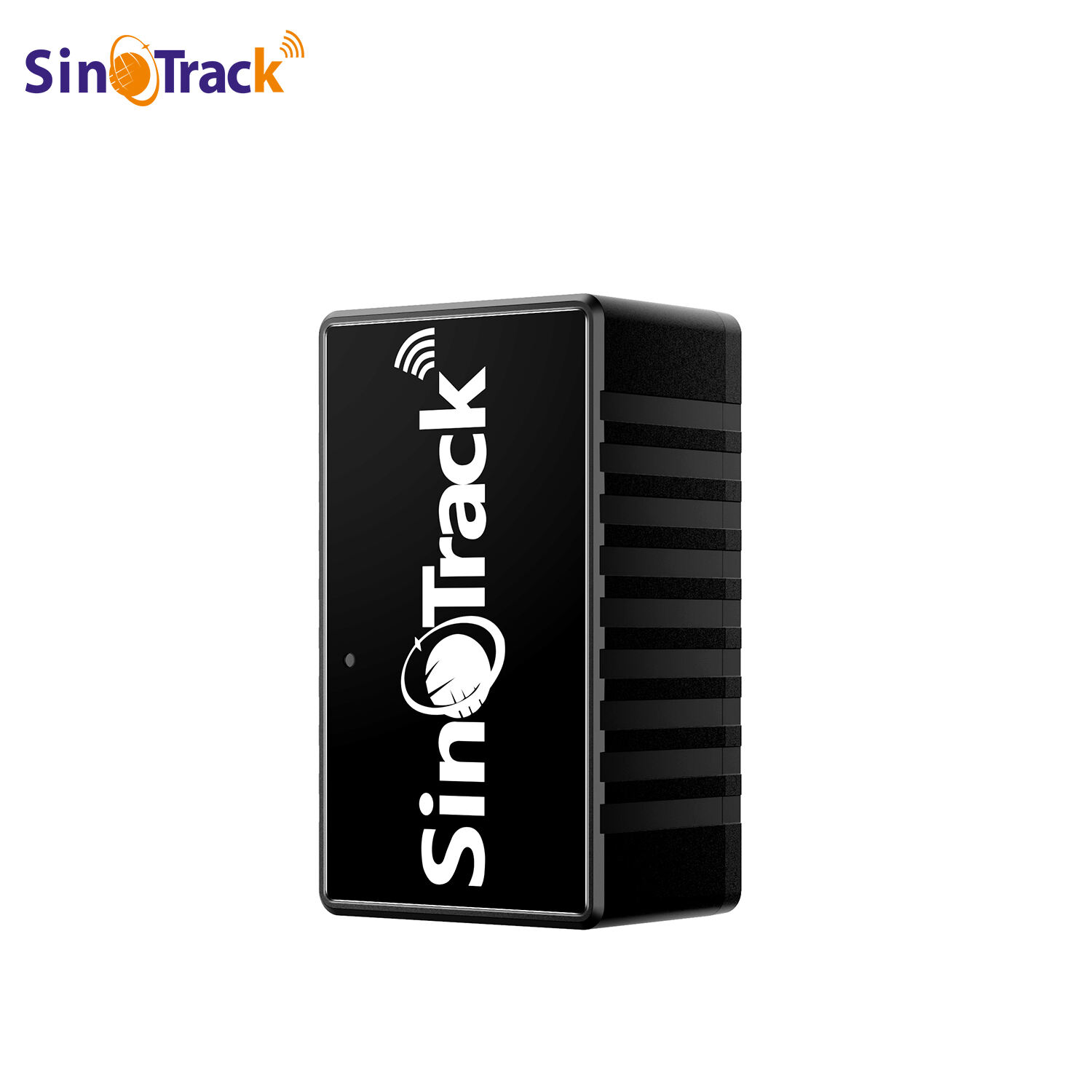
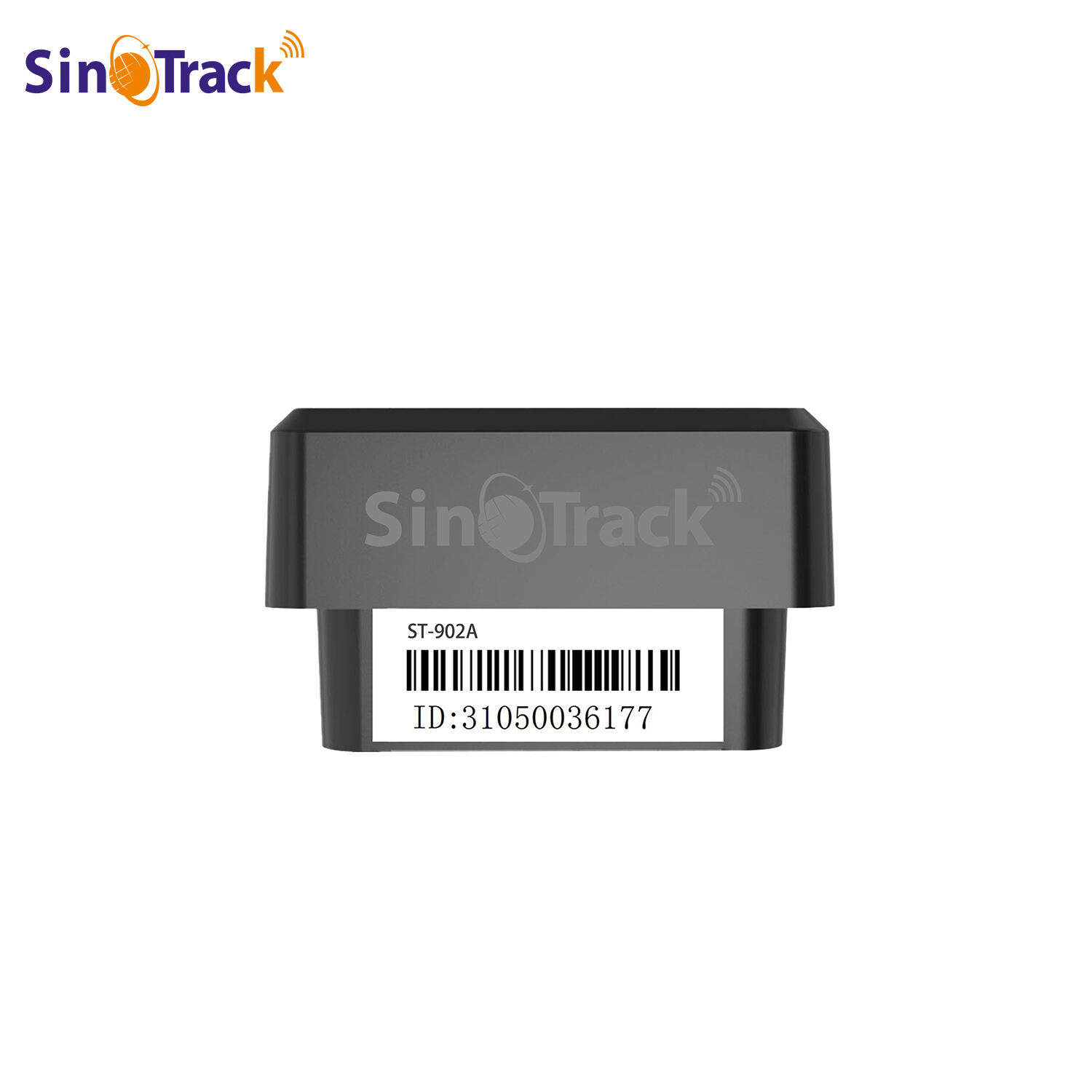
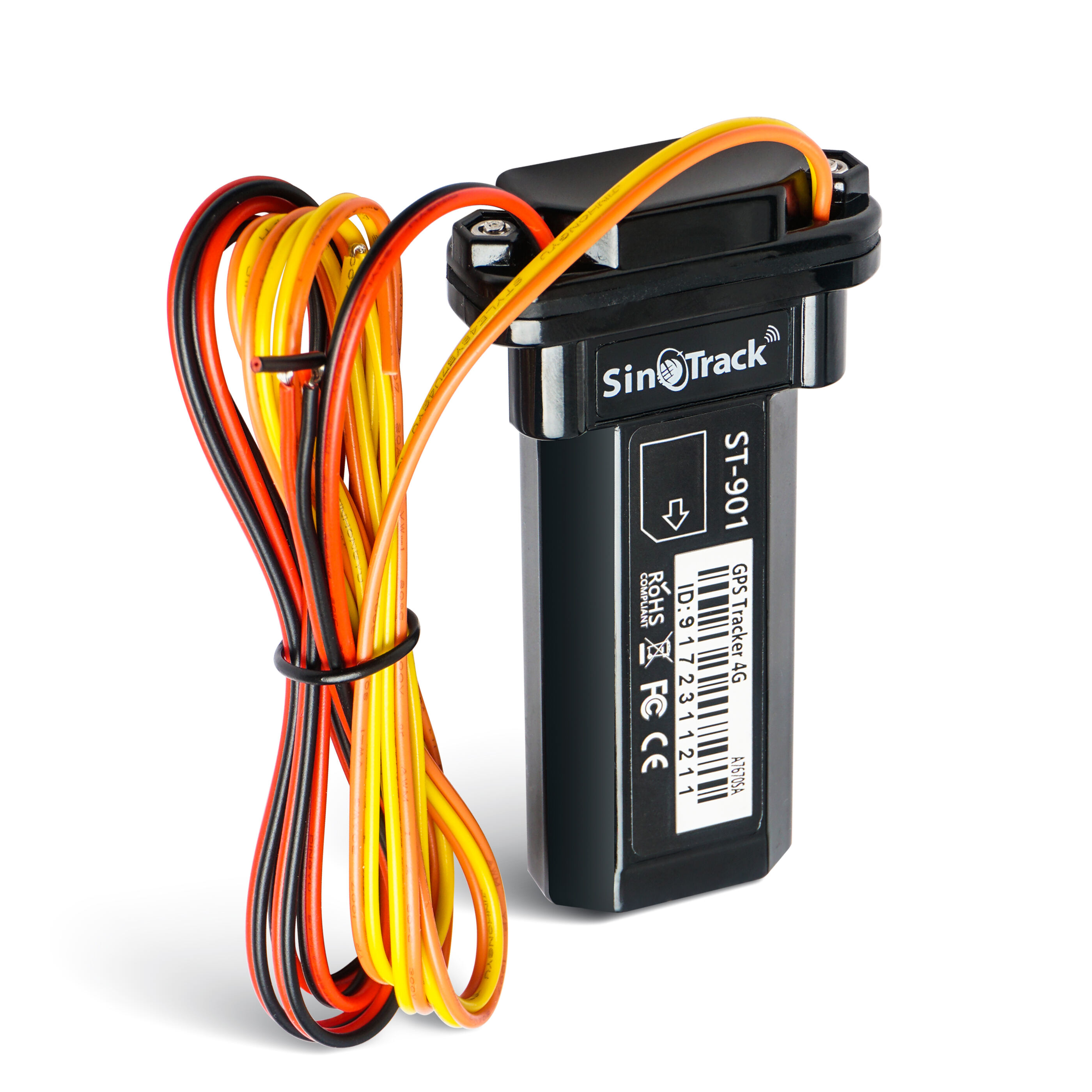
Fleet Management and Operational Efficiency Optimization
Car tracker technology delivers transformative benefits for business operations through comprehensive fleet management capabilities that optimize efficiency, reduce costs, and improve customer service delivery across various industries. The system provides detailed insights into vehicle utilization patterns, driver performance metrics, and operational inefficiencies that enable data-driven decision making for fleet optimization strategies. Route analysis features identify the most efficient paths between destinations, accounting for traffic patterns, road conditions, and delivery requirements to minimize travel time and fuel consumption. This optimization capability often results in cost savings of 15 to 25 percent for businesses operating multiple vehicles, with larger fleets experiencing even more substantial benefits through improved coordination and resource allocation. Driver behavior monitoring represents a critical component of fleet management, tracking parameters such as speed compliance, harsh acceleration and braking events, excessive idling periods, and adherence to designated routes. This information enables fleet managers to identify training opportunities, recognize exemplary performance, and address problematic driving habits that increase operational costs and safety risks. The system generates comprehensive reports that document driver performance over various time periods, providing objective data for performance evaluations and improvement programs. Maintenance scheduling optimization utilizes real-time vehicle diagnostic data and usage patterns to predict optimal service intervals based on actual operating conditions rather than arbitrary time or mileage thresholds. This predictive approach prevents costly breakdowns while avoiding unnecessary maintenance expenses, extending vehicle lifespan and maintaining optimal performance levels throughout the fleet. Customer service improvements result from accurate delivery time estimates and real-time progress updates that enhance communication and reliability. Dispatchers can provide customers with precise arrival windows and proactive notifications about potential delays, significantly improving satisfaction levels and reducing customer service inquiries. The system enables dynamic route adjustments based on traffic conditions, emergency requests, or schedule changes, maximizing operational flexibility while maintaining service quality. Integration with existing business management systems streamlines operations by automatically updating customer records, generating delivery confirmations, and maintaining accurate mileage logs for accounting and tax purposes.
 EN
EN