Multi-Layered Security Integration with Smart Detection Systems
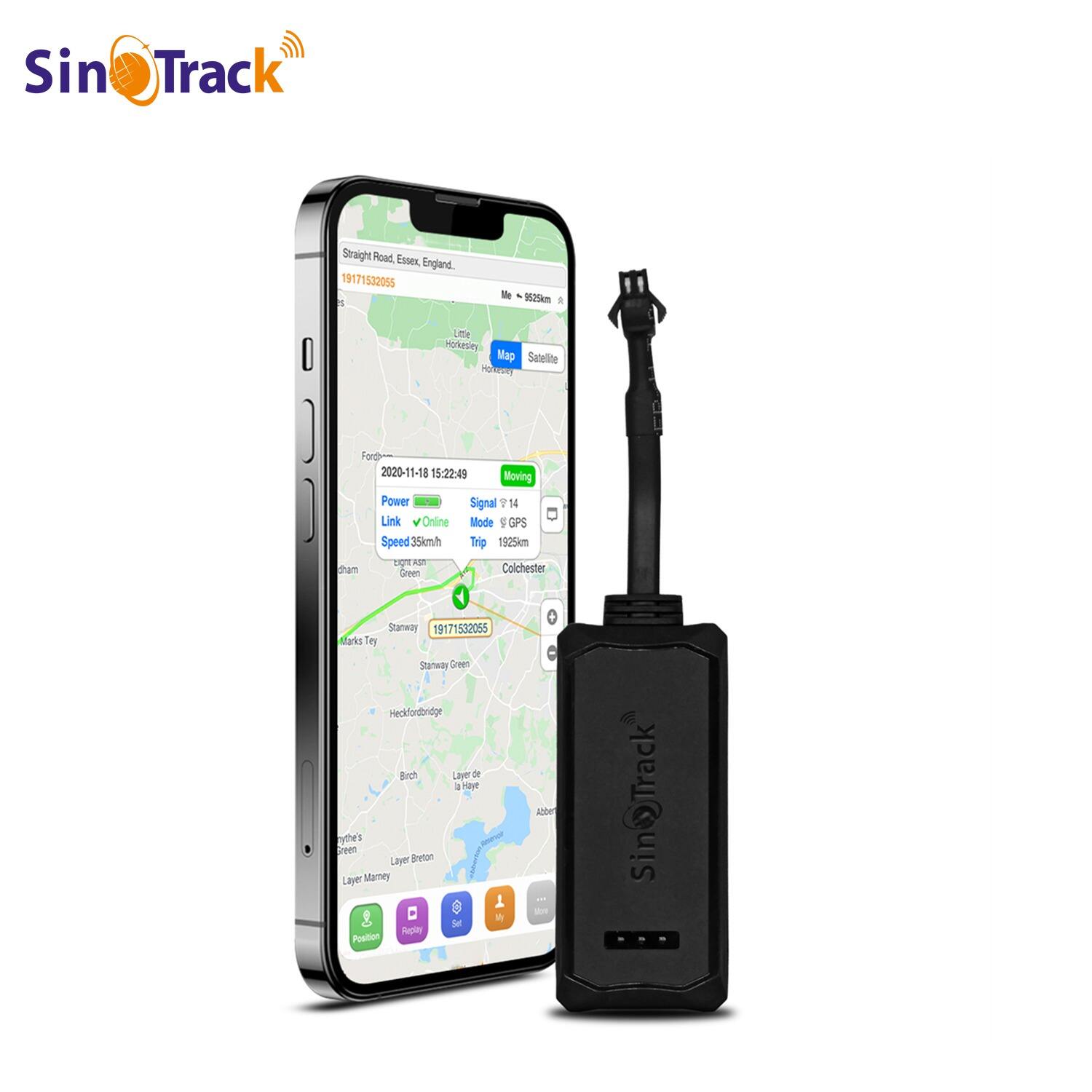
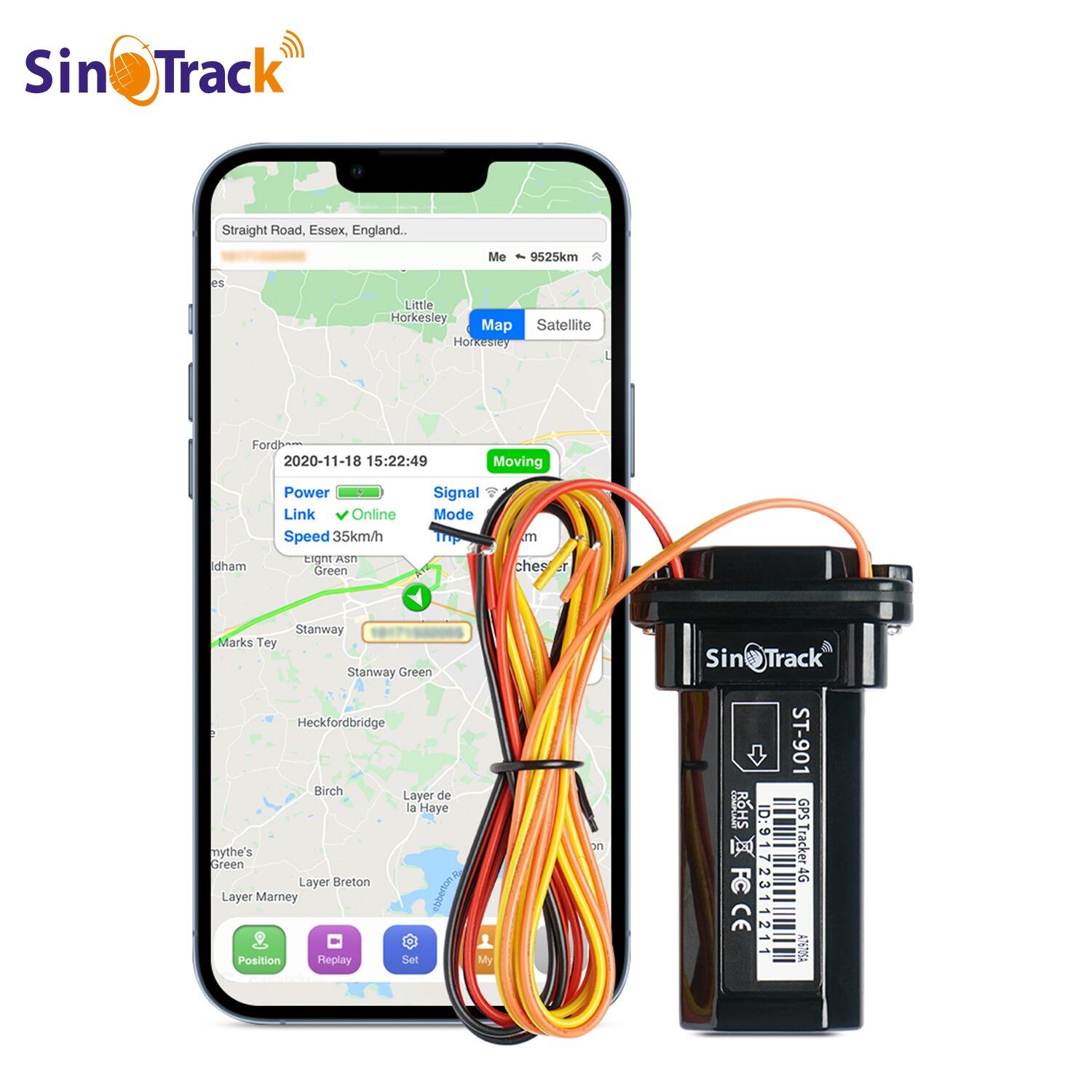
The best motorcycle anti theft GPS incorporates comprehensive multi-layered security architecture that combines multiple detection technologies into a unified protection system, ensuring maximum security coverage against diverse theft methodologies. This sophisticated approach integrates traditional motion sensors with advanced vibration analysis, tilt detection, and electromagnetic field monitoring to create an intelligent security network that recognizes genuine threats while minimizing false alarms. The primary motion detection system utilizes precision accelerometers that continuously monitor microscopic movements, establishing baseline vibration patterns during normal environmental conditions and immediately identifying deviations that suggest tampering or theft attempts. Advanced algorithm processing analyzes movement signatures to distinguish between natural causes like wind, rain, or nearby traffic versus deliberate manipulation by potential thieves. Tilt sensors provide additional protection against lifting attempts, trailer loading, or efforts to move motorcycles without starting engines, triggering immediate alerts when orientation changes exceed predetermined thresholds. The system's electromagnetic monitoring capabilities detect attempts to interfere with electrical systems, including efforts to disconnect batteries, bypass ignition systems, or install unauthorized devices. Temperature sensors identify unusual heat patterns that might indicate cutting tools or electrical tampering, adding another detection layer that operates independently of motion-based systems. Integration protocols connect seamlessly with existing motorcycle security systems including factory alarms, aftermarket immobilizers, and steering locks, creating comprehensive protection networks that reinforce each component's effectiveness. Smart detection algorithms learn normal usage patterns over time, establishing personalized baselines that improve accuracy while reducing nuisance alerts caused by routine activities. The system provides graduated response protocols that escalate from passive monitoring through audible warnings to full alert activation based on threat assessment algorithms. Remote monitoring capabilities allow authorized users to temporarily adjust sensitivity levels through smartphone applications, accommodating special circumstances like transportation or servicing without compromising overall security. Backup communication systems ensure alert delivery through multiple channels including cellular networks, Wi-Fi connections, and satellite communication where available, preventing communication blackouts that could compromise security effectiveness. The technology maintains detailed event logs that record all security incidents including timestamps, sensor activation sequences, and response actions taken, creating comprehensive records valuable for insurance claims and law enforcement investigations.

 EN
EN