automotive gps tracker
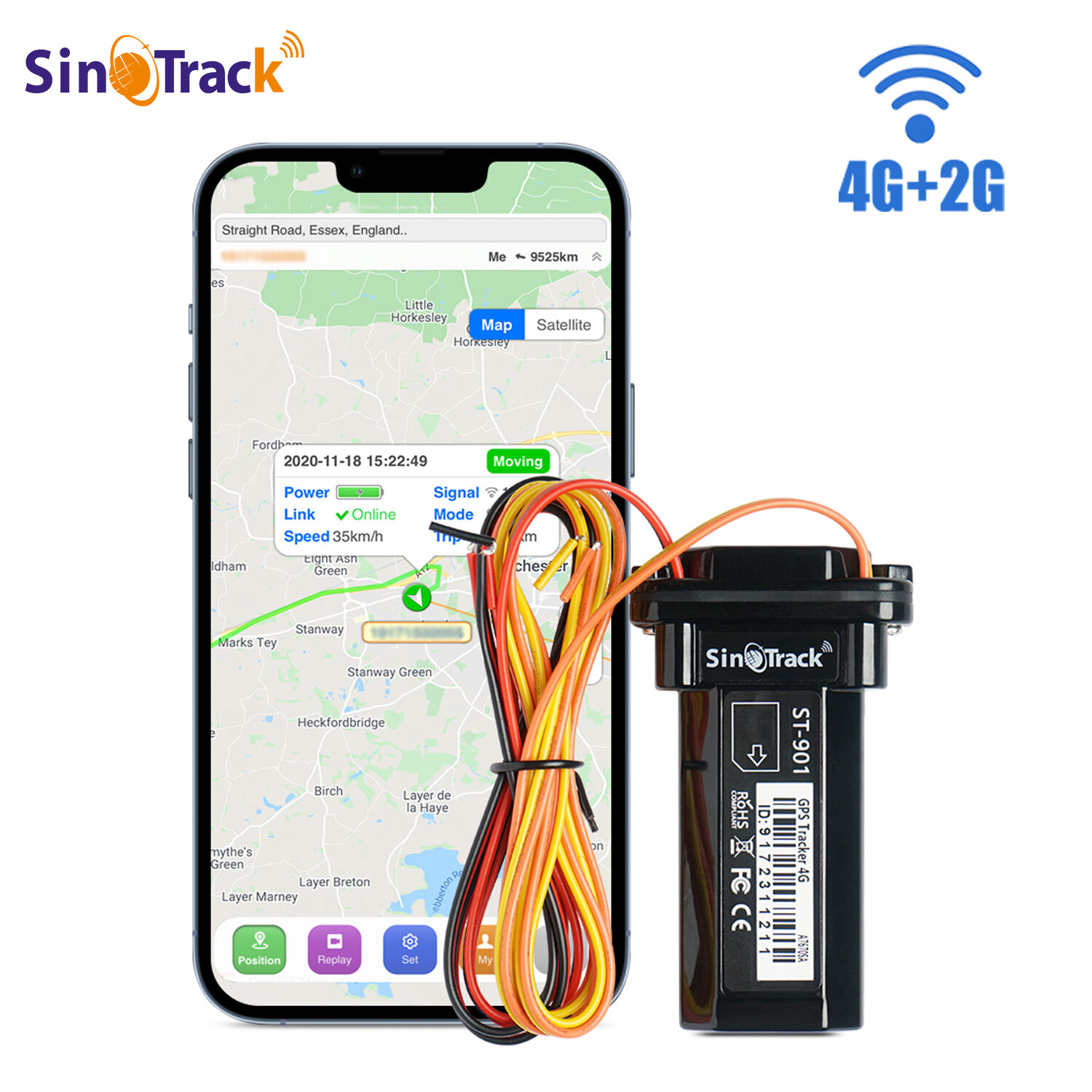
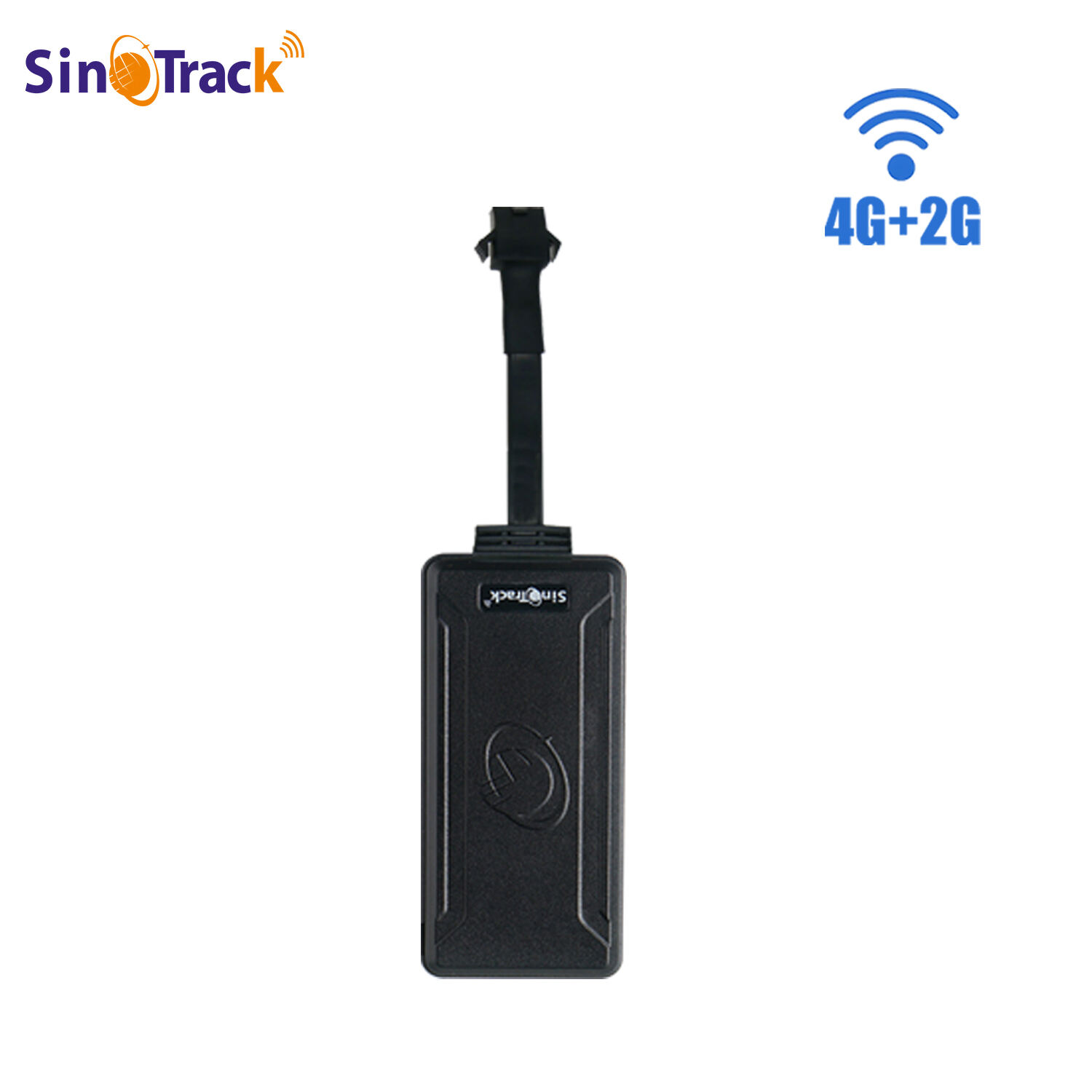
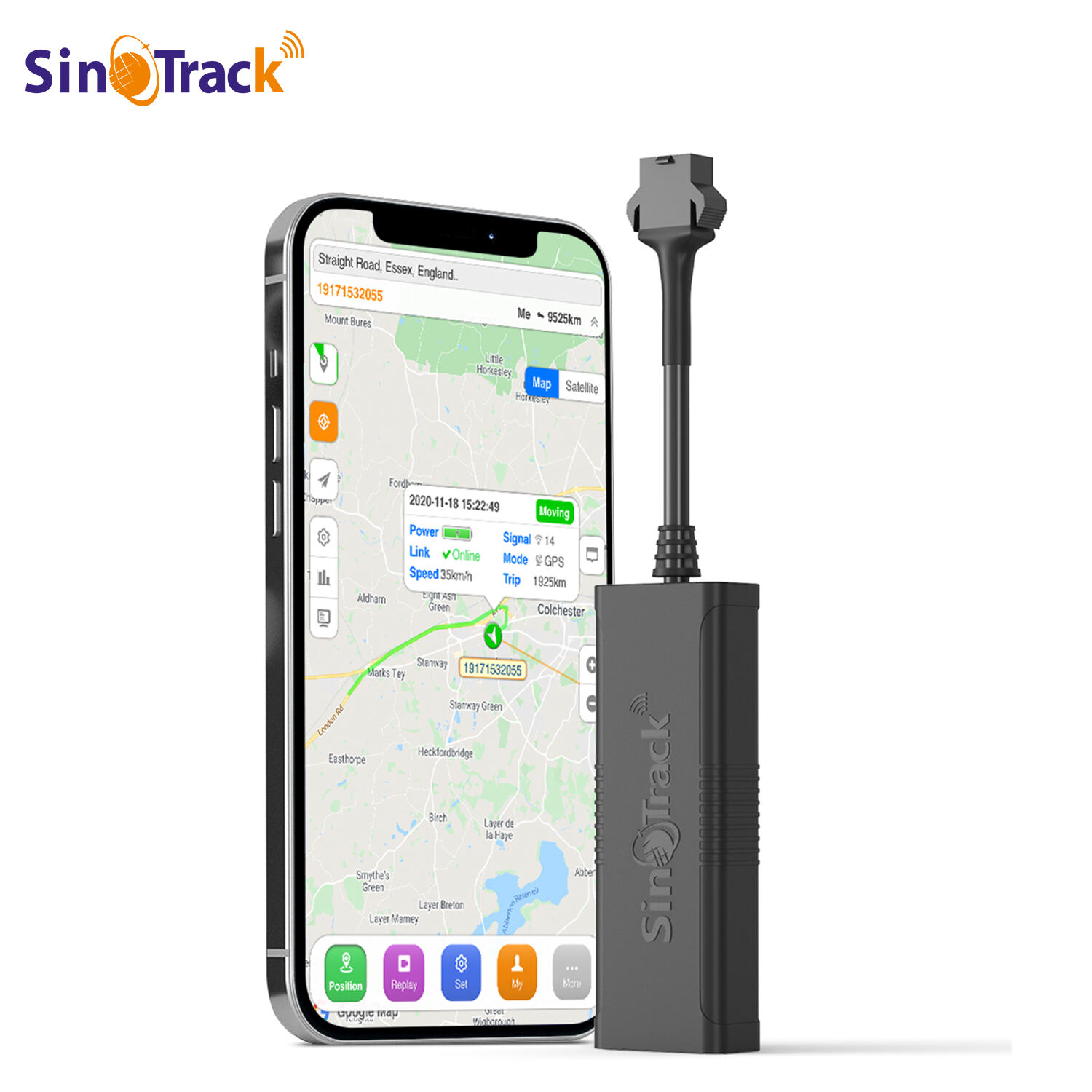
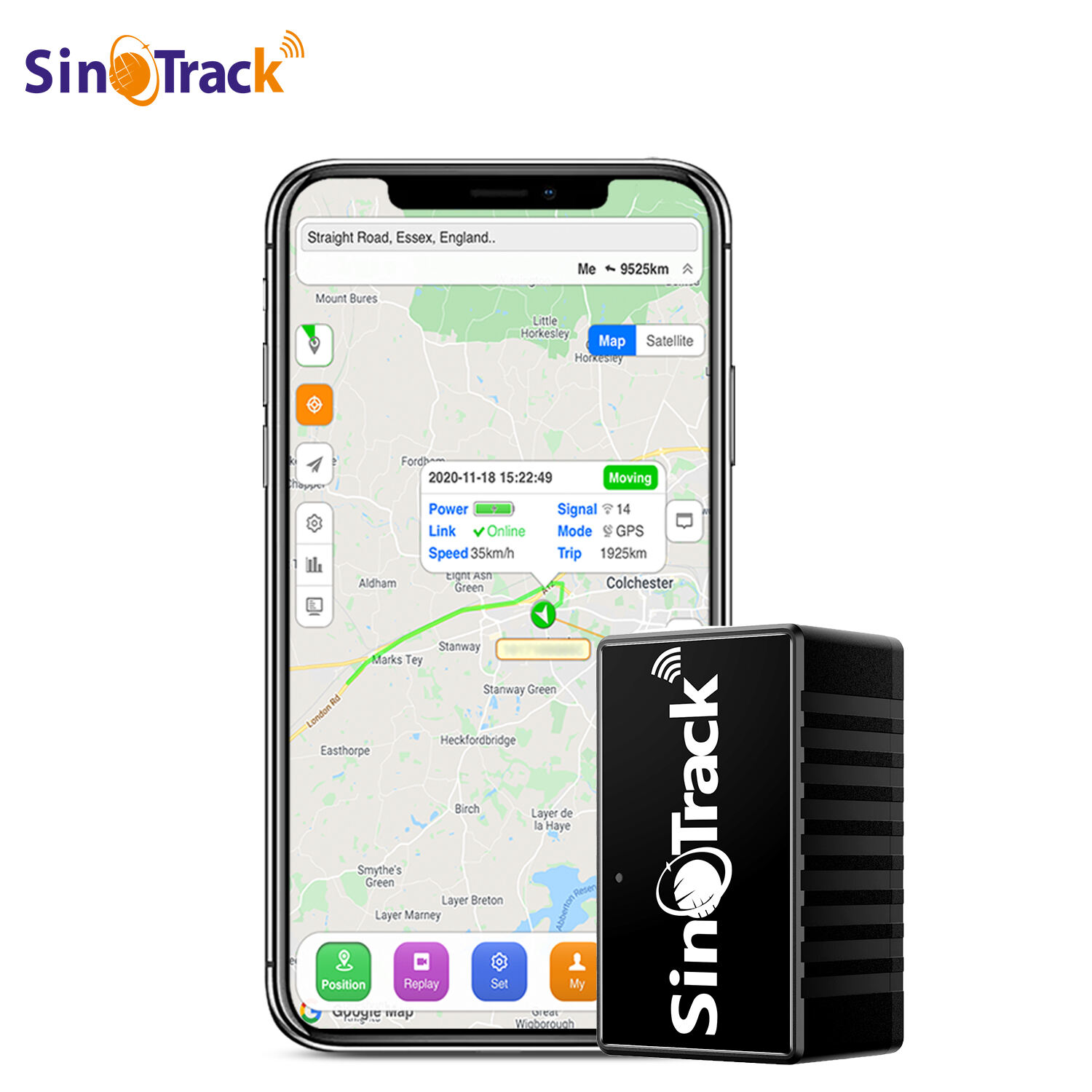
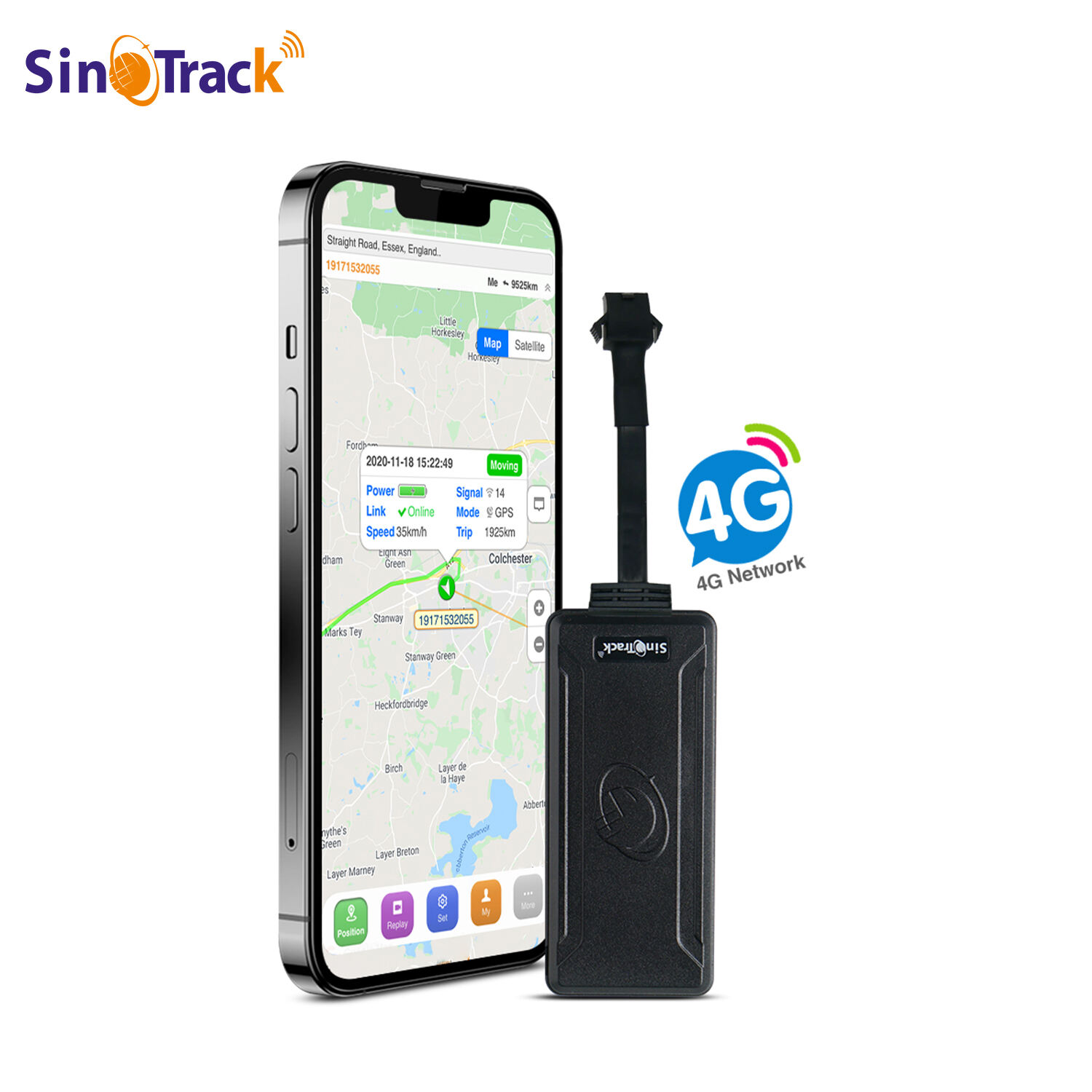
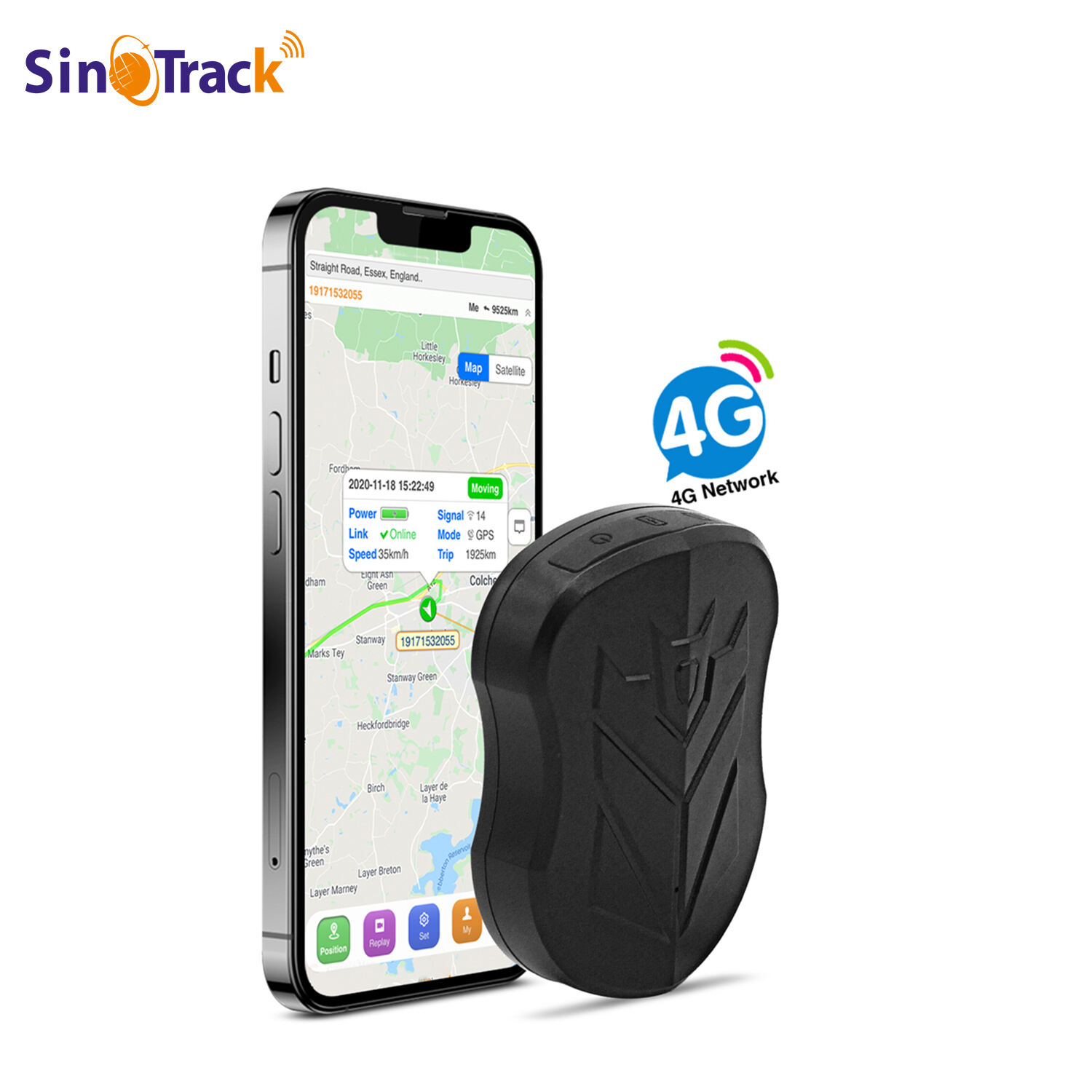
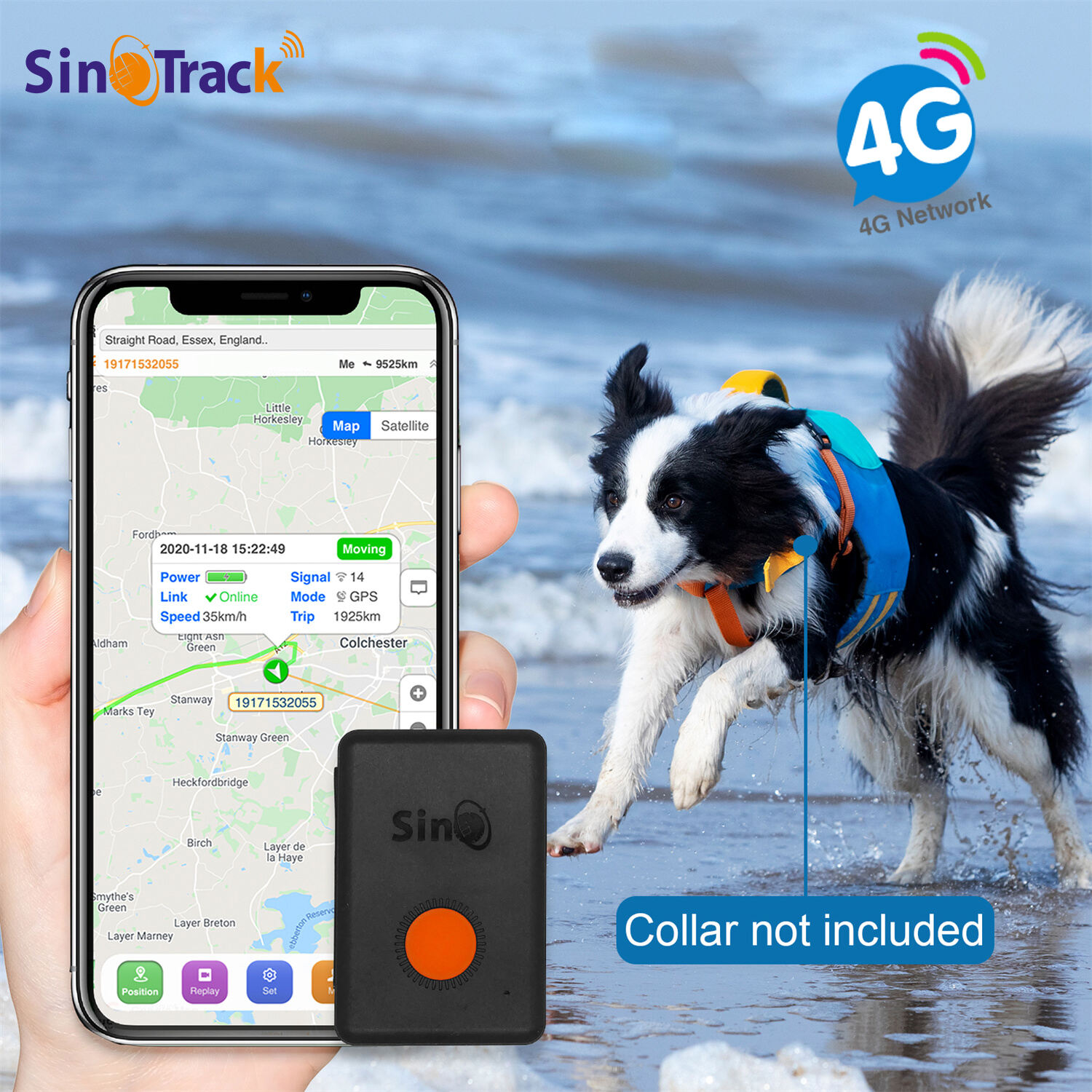
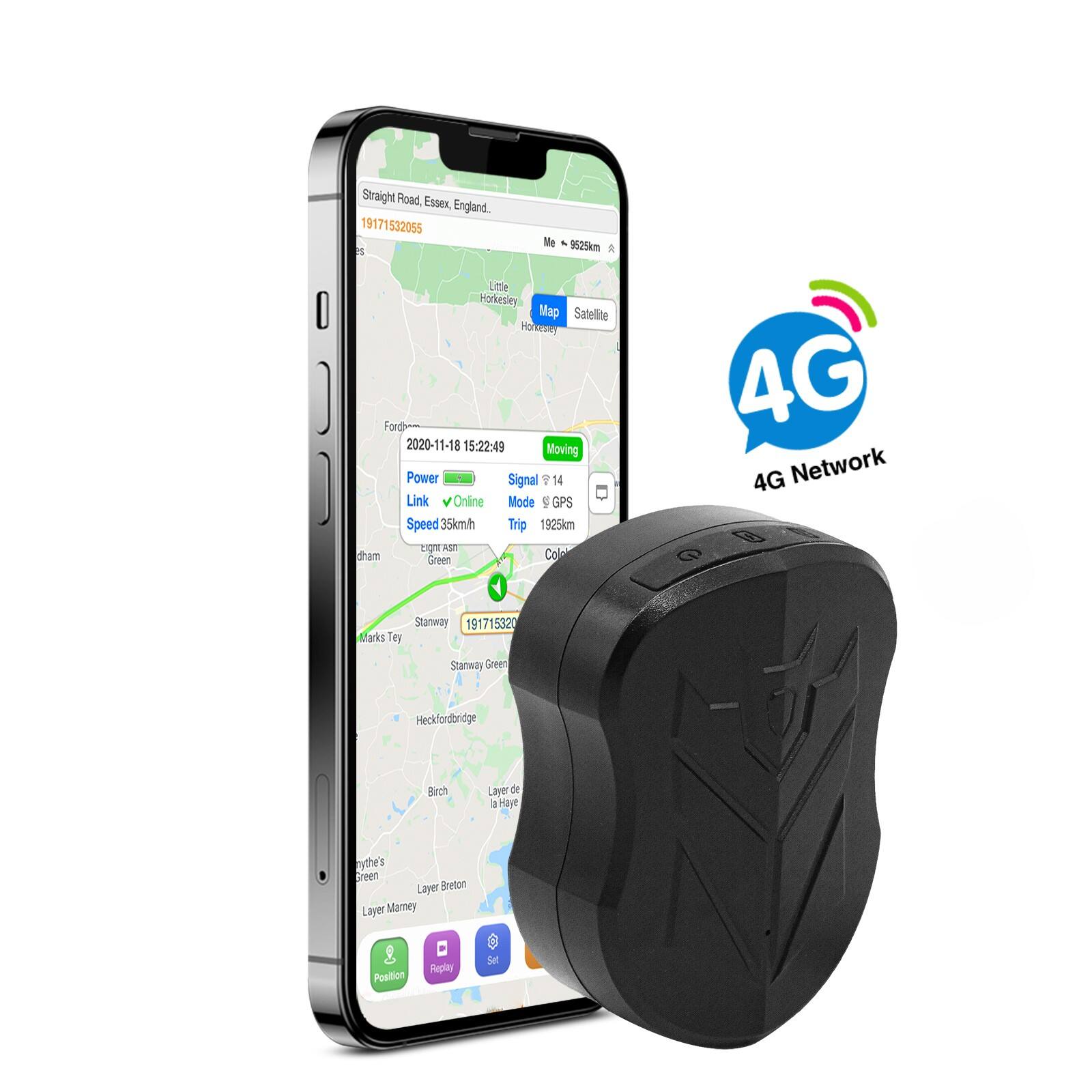
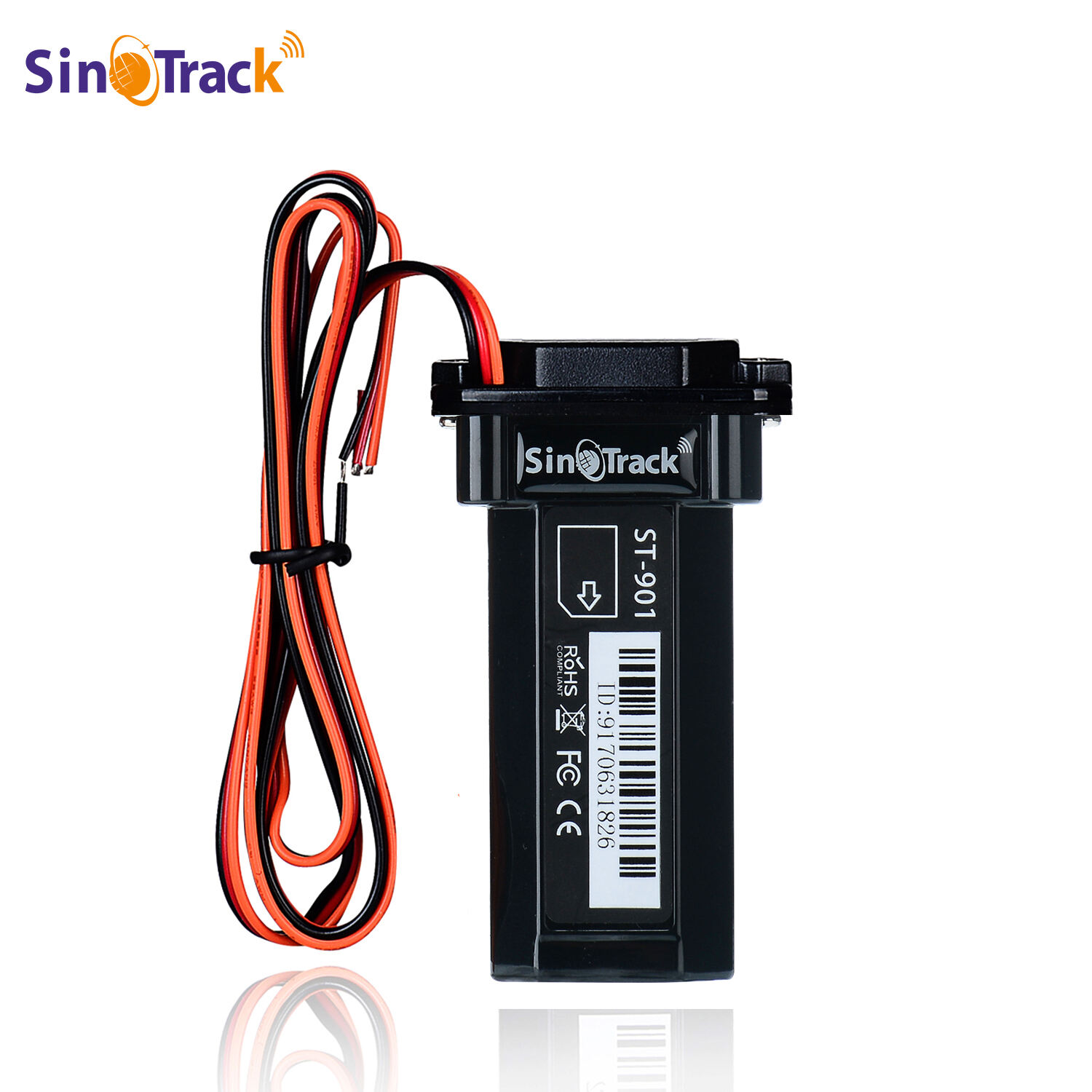
An automotive GPS tracker represents a sophisticated vehicle monitoring solution that combines global positioning system technology with cellular communication to provide comprehensive fleet management and security capabilities. This advanced device utilizes satellite networks to pinpoint exact vehicle locations in real-time, transmitting precise coordinates to centralized monitoring platforms accessible through web interfaces and mobile applications. Modern automotive GPS tracker systems incorporate multiple sensors and communication protocols, including 4G LTE connectivity, accelerometers, gyroscopes, and tamper-detection mechanisms that ensure continuous monitoring even in challenging environments. The core functionality revolves around location tracking, but contemporary automotive GPS tracker solutions extend far beyond basic positioning. These devices monitor vehicle speed, direction, idle time, fuel consumption patterns, and driver behavior metrics such as harsh braking, rapid acceleration, and sharp cornering. Advanced models feature geofencing capabilities that establish virtual boundaries around designated areas, triggering automatic alerts when vehicles enter or exit predetermined zones. The automotive GPS tracker integrates seamlessly with existing vehicle systems, drawing power from the standard electrical supply while maintaining backup battery reserves for continued operation during power interruptions. Installation typically involves connecting the device to the vehicle's OBD-II port or hardwiring directly into the electrical system, depending on the specific model and requirements. Data transmission occurs through secure cellular networks, ensuring encrypted communication between the automotive GPS tracker and monitoring servers. This technology serves various sectors including commercial fleet operations, personal vehicle security, insurance telematics programs, and emergency response services. The automotive GPS tracker market has evolved to include features like two-way communication, remote engine immobilization, maintenance scheduling alerts, and integration with third-party software platforms for comprehensive business intelligence and operational optimization.
 EN
EN