gps tracking car system
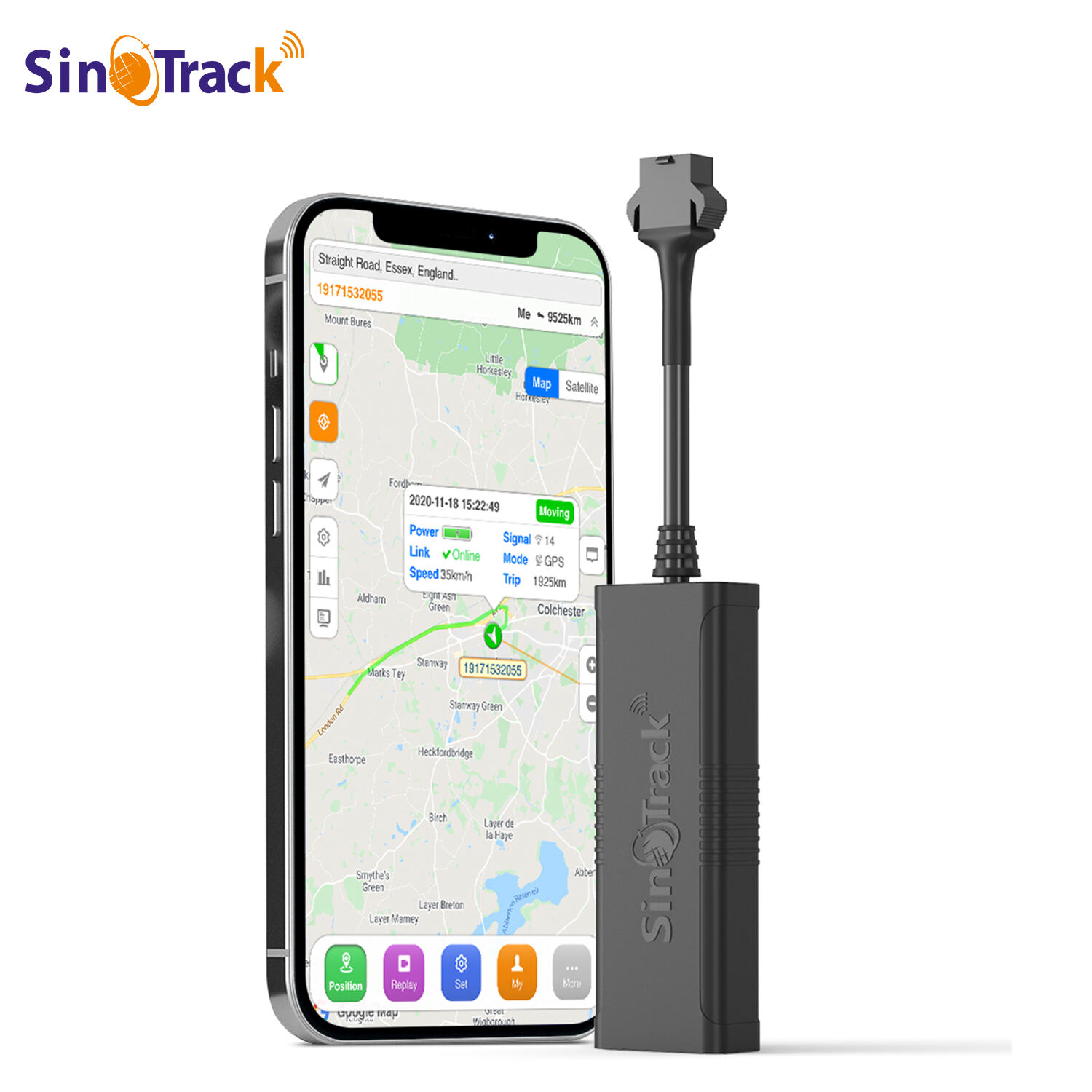
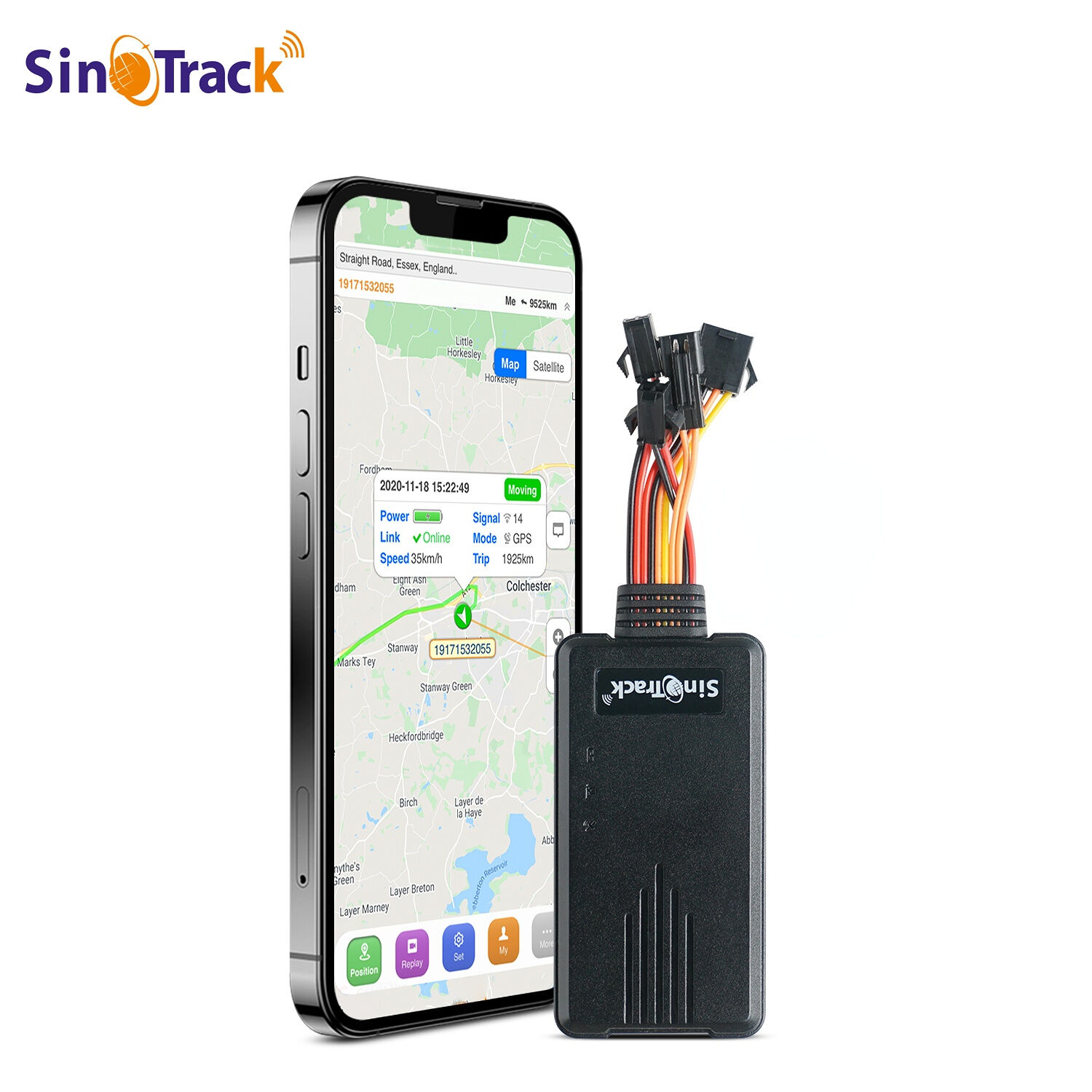
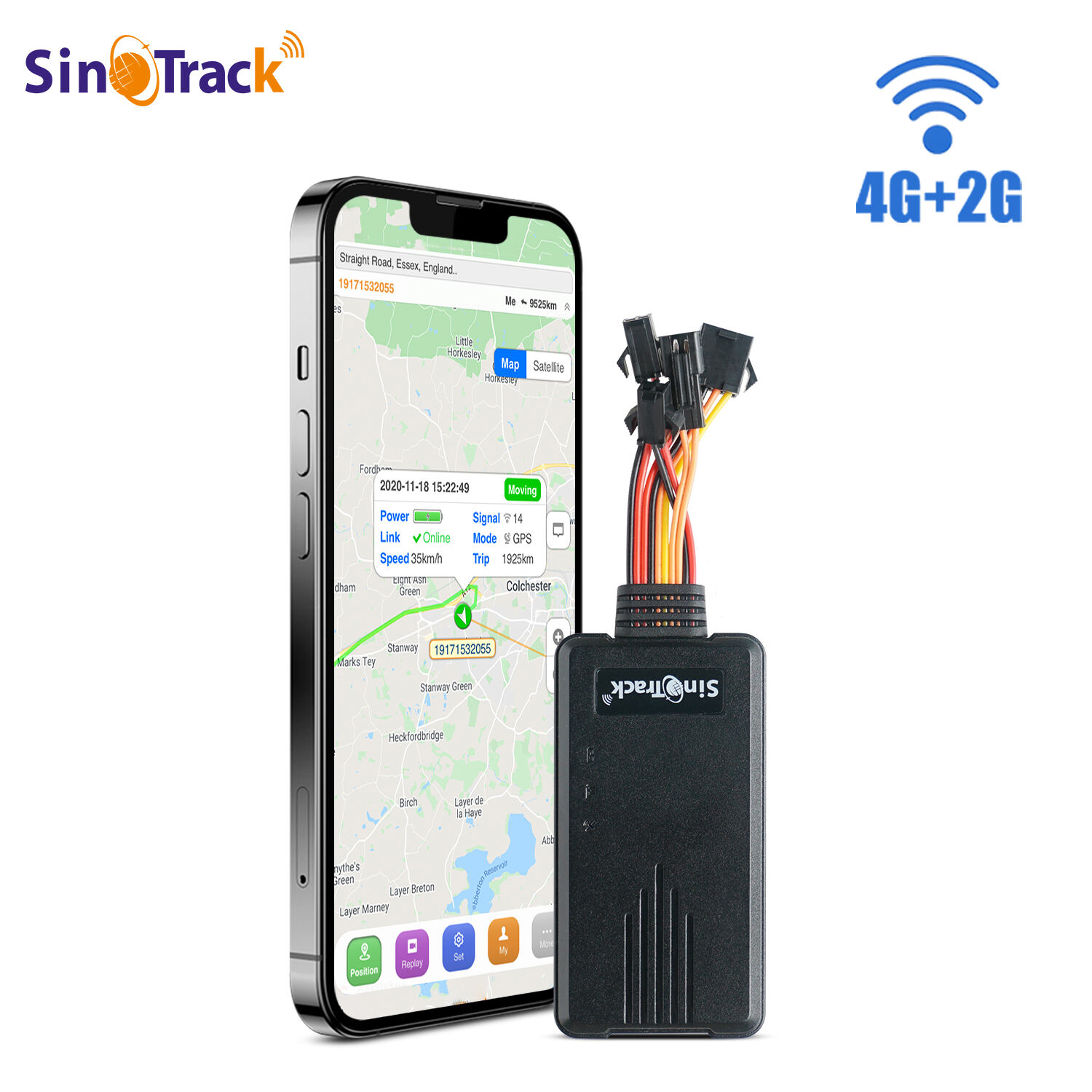
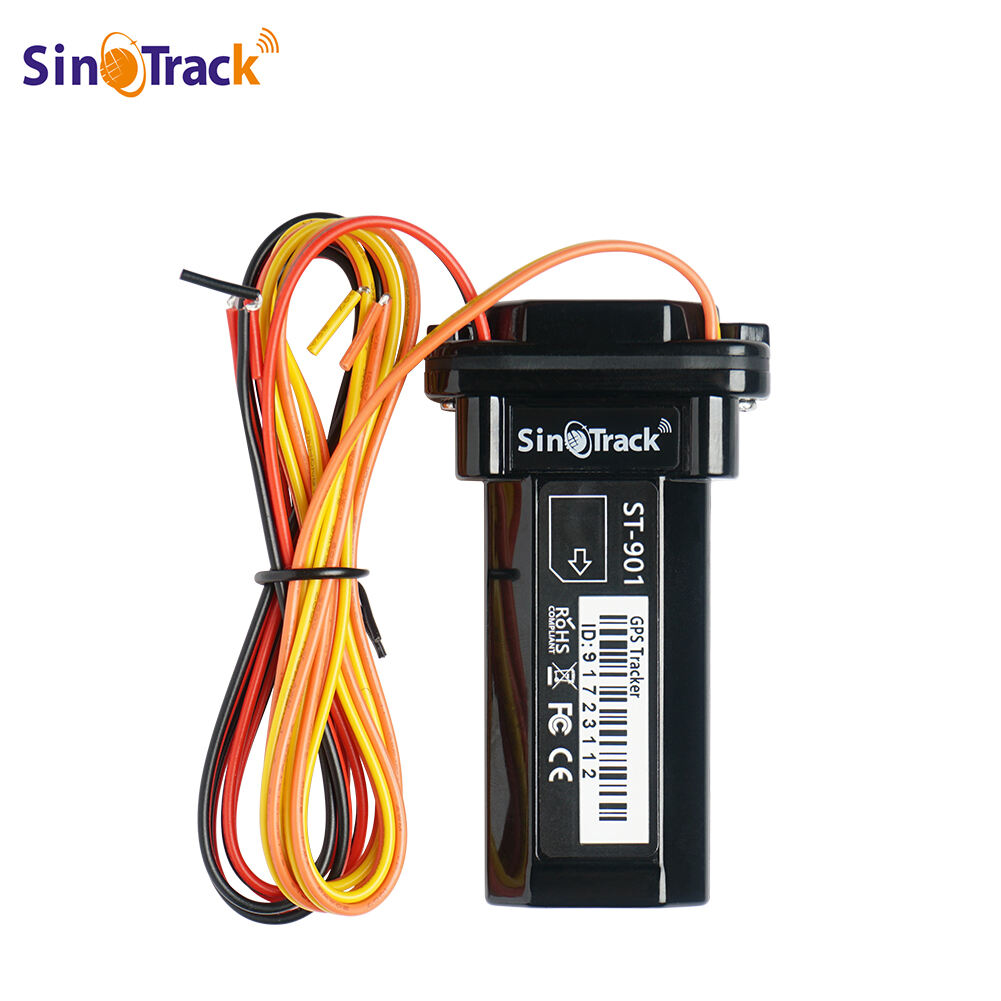
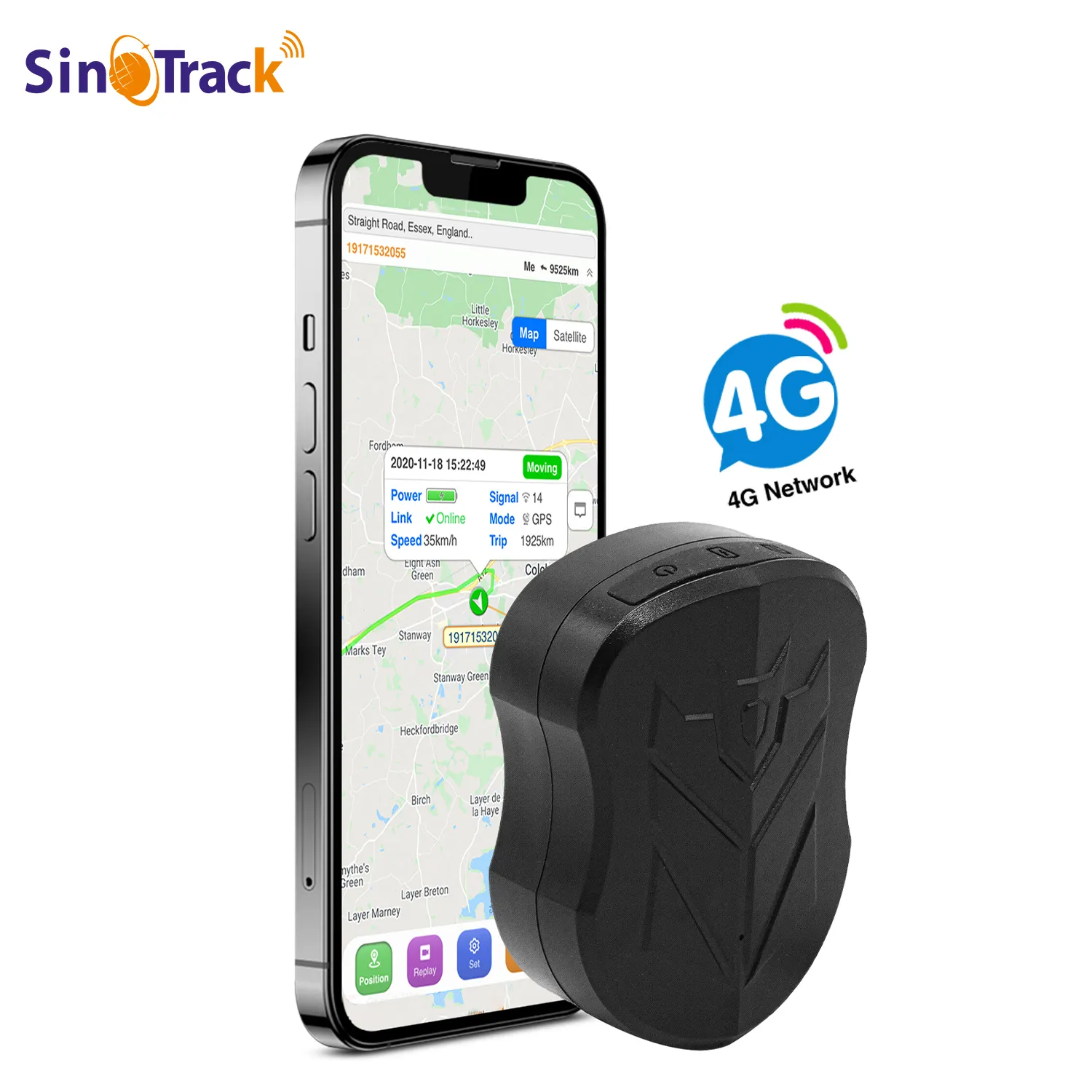
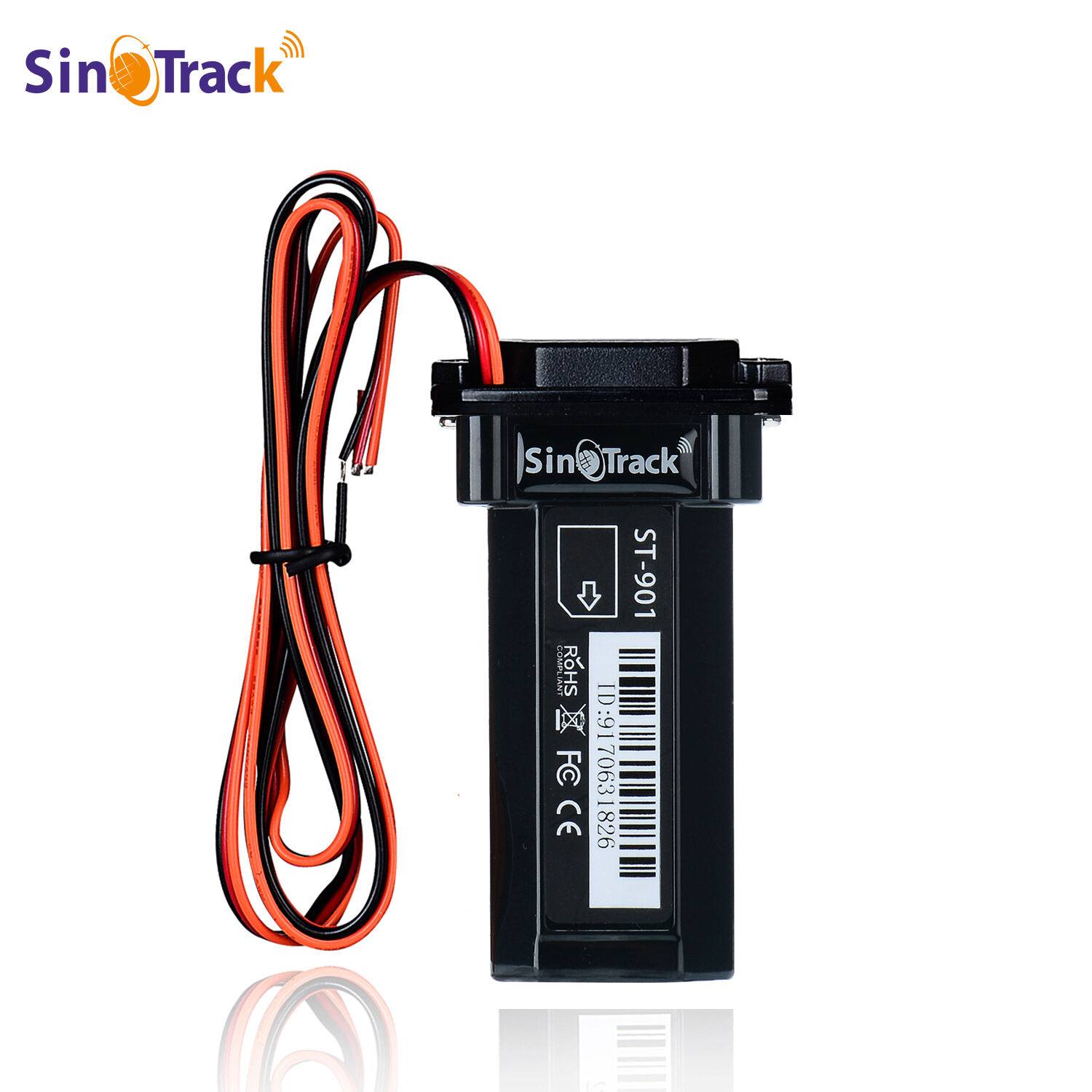
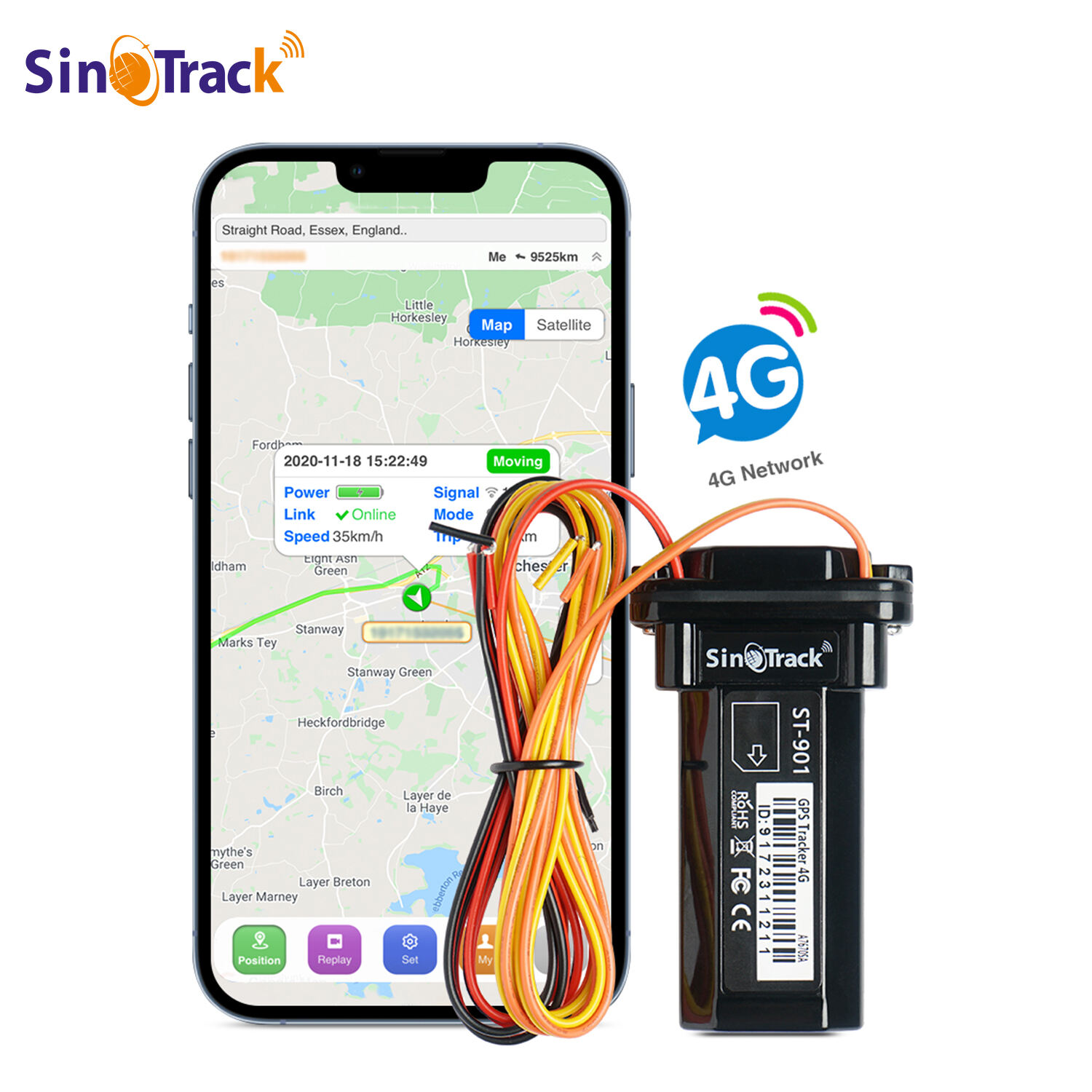
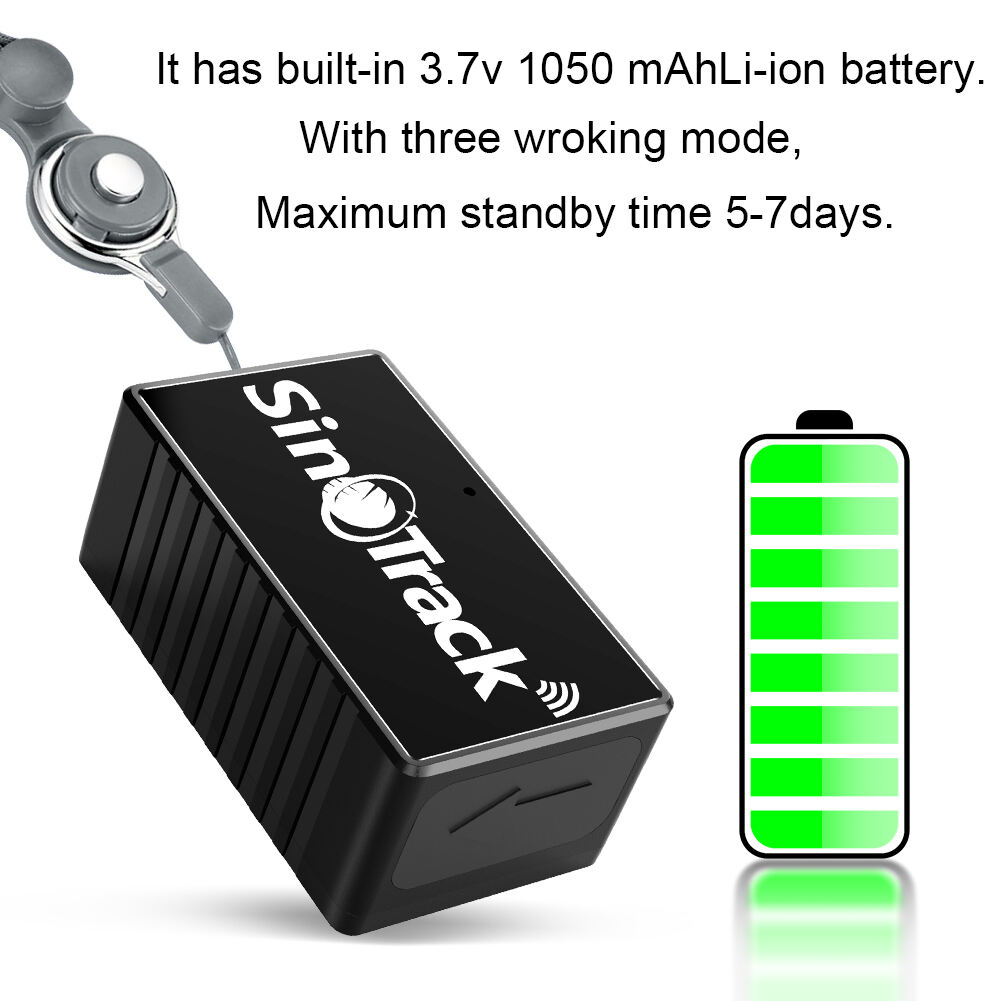
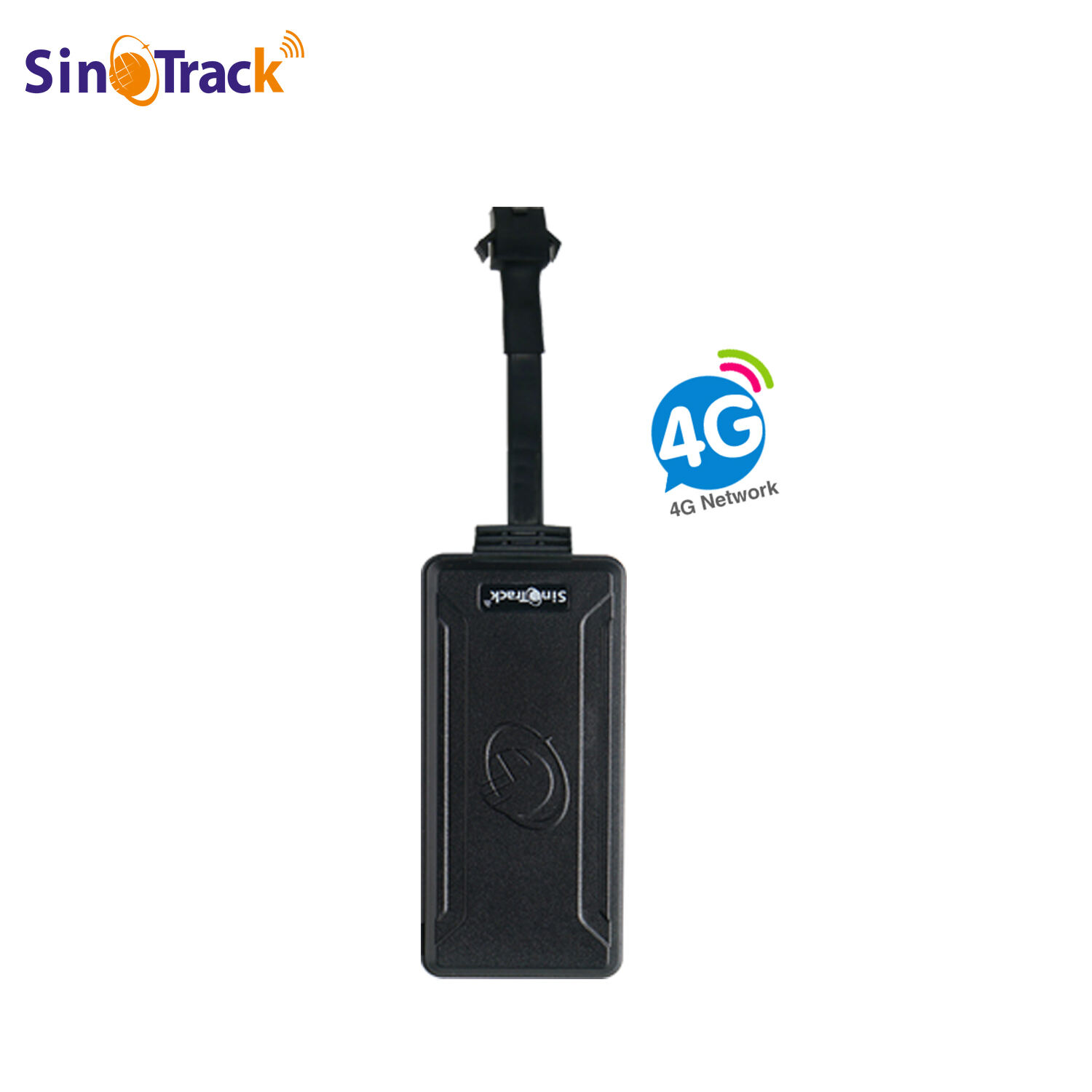
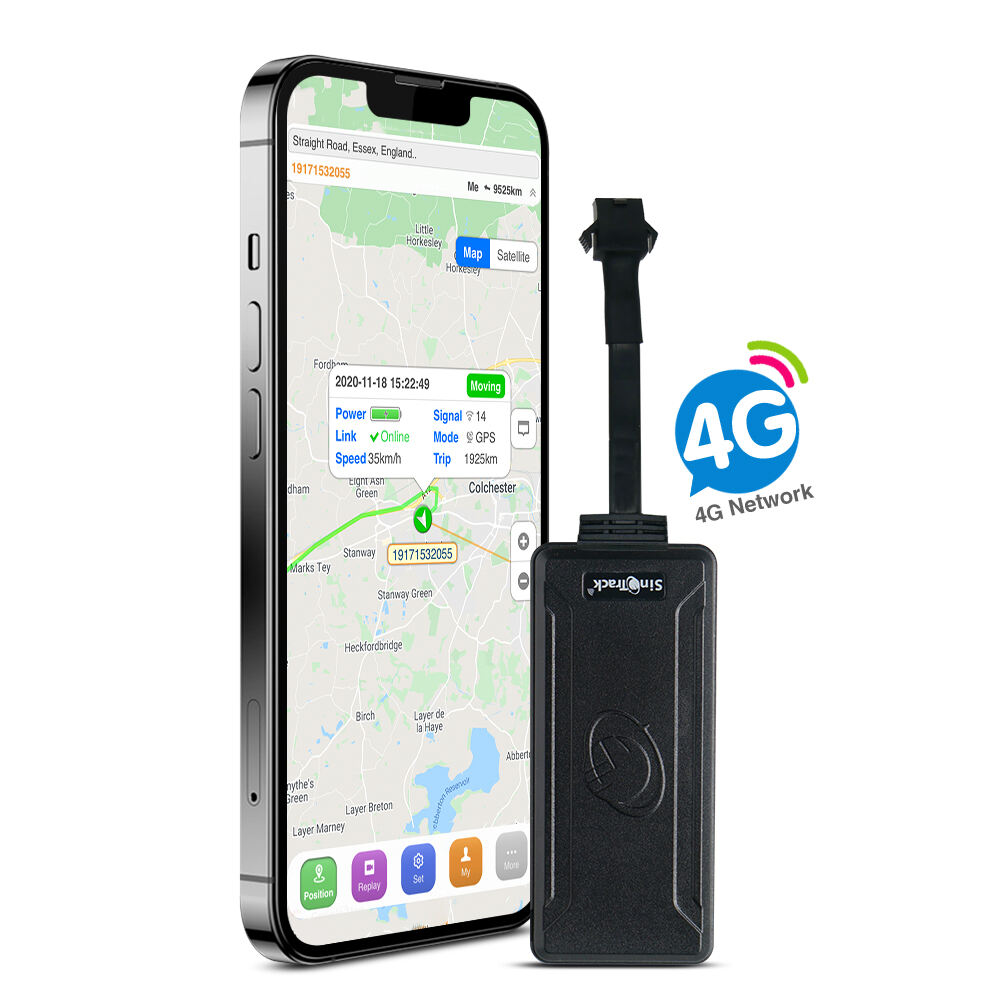
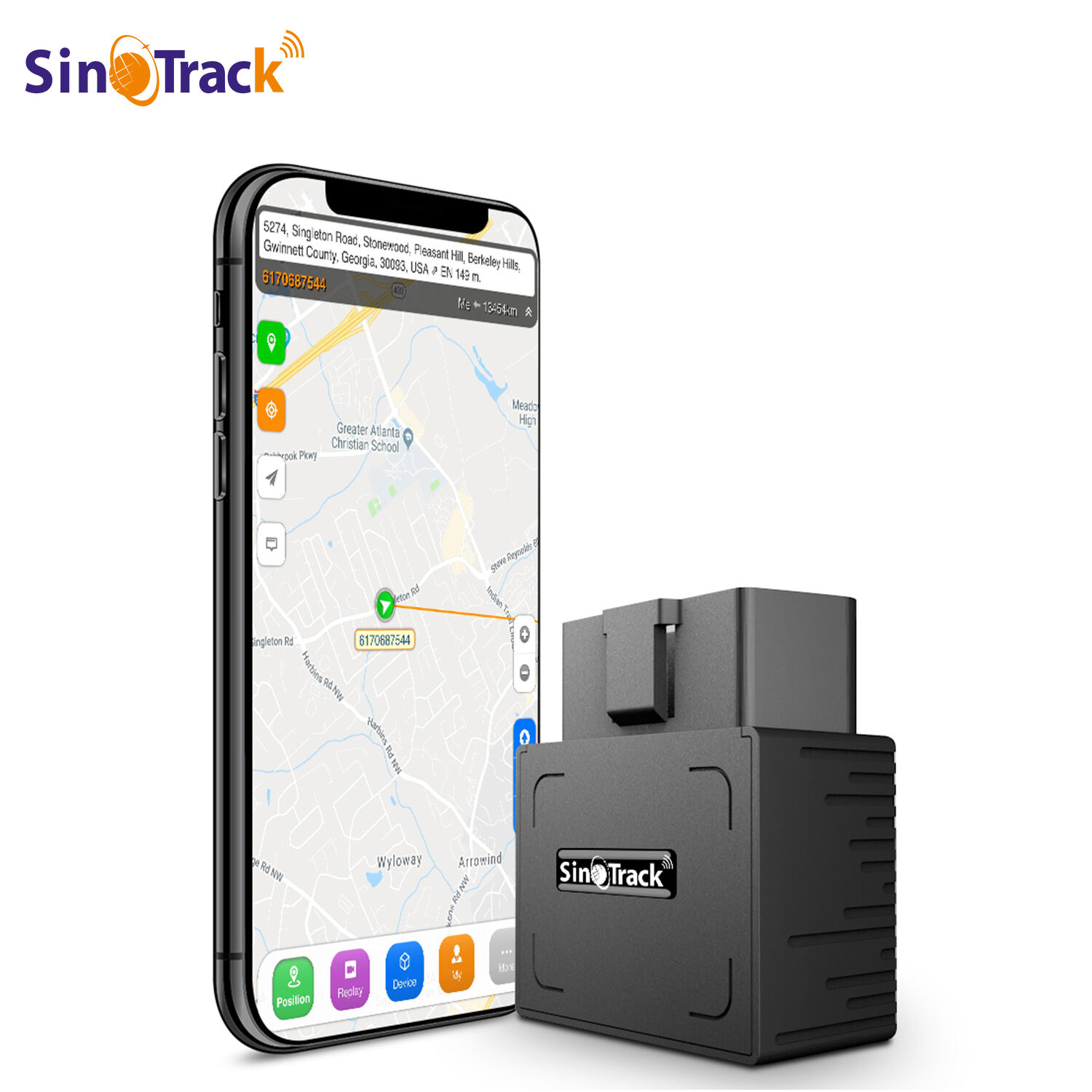
A GPS tracking car system represents an advanced automotive technology solution that combines satellite navigation with real-time monitoring capabilities to provide comprehensive vehicle management. This sophisticated system utilizes Global Positioning System satellites to determine precise vehicle location, speed, and movement patterns while transmitting this data to centralized monitoring platforms. The GPS tracking car system consists of several key components including a GPS receiver, cellular or satellite communication module, onboard computer, and user interface accessible through web portals or mobile applications. The primary functions encompass real-time location tracking, route monitoring, geofencing capabilities, speed monitoring, and comprehensive reporting features. Modern GPS tracking car systems incorporate advanced technological features such as tamper-proof installation, backup battery systems, multiple communication protocols, and integration with vehicle diagnostics. These systems can monitor engine performance, fuel consumption, maintenance schedules, and driver behavior patterns. The technology utilizes cellular networks, satellite communication, or combination methods to ensure continuous connectivity and data transmission. Applications span across numerous industries including fleet management, logistics companies, taxi services, rental car agencies, personal vehicle security, and emergency response services. Commercial applications focus on operational efficiency, cost reduction, theft prevention, and regulatory compliance. Personal applications emphasize vehicle security, family safety monitoring, and stolen vehicle recovery. The GPS tracking car system also supports features like panic buttons, two-way communication, automated alerts for unauthorized usage, and integration with existing security systems. Advanced models offer predictive maintenance alerts, driver scoring systems, and detailed analytics dashboards. The system's versatility extends to supporting various vehicle types from passenger cars to commercial trucks, motorcycles, and specialized equipment. Installation methods range from plug-and-play OBD port connections to professional hardwired installations depending on specific requirements and security needs.

 EN
EN