trådlös spårning
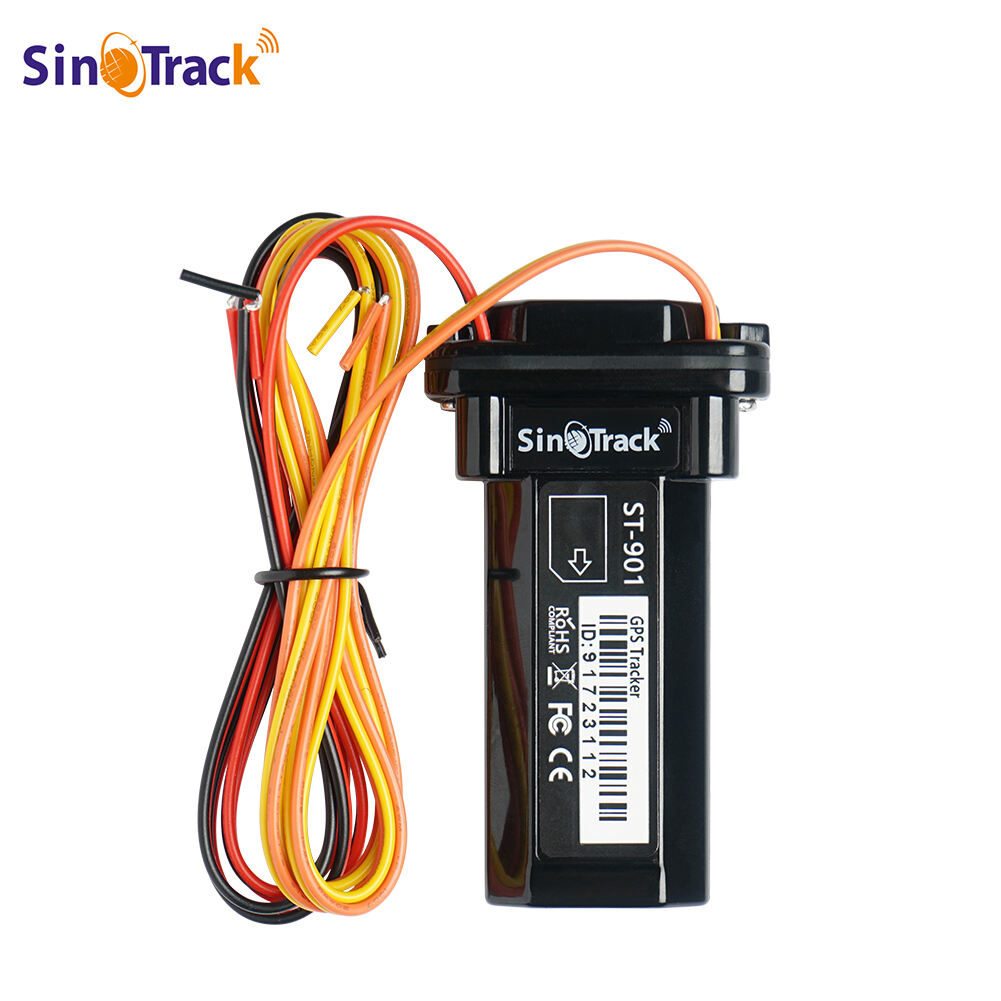
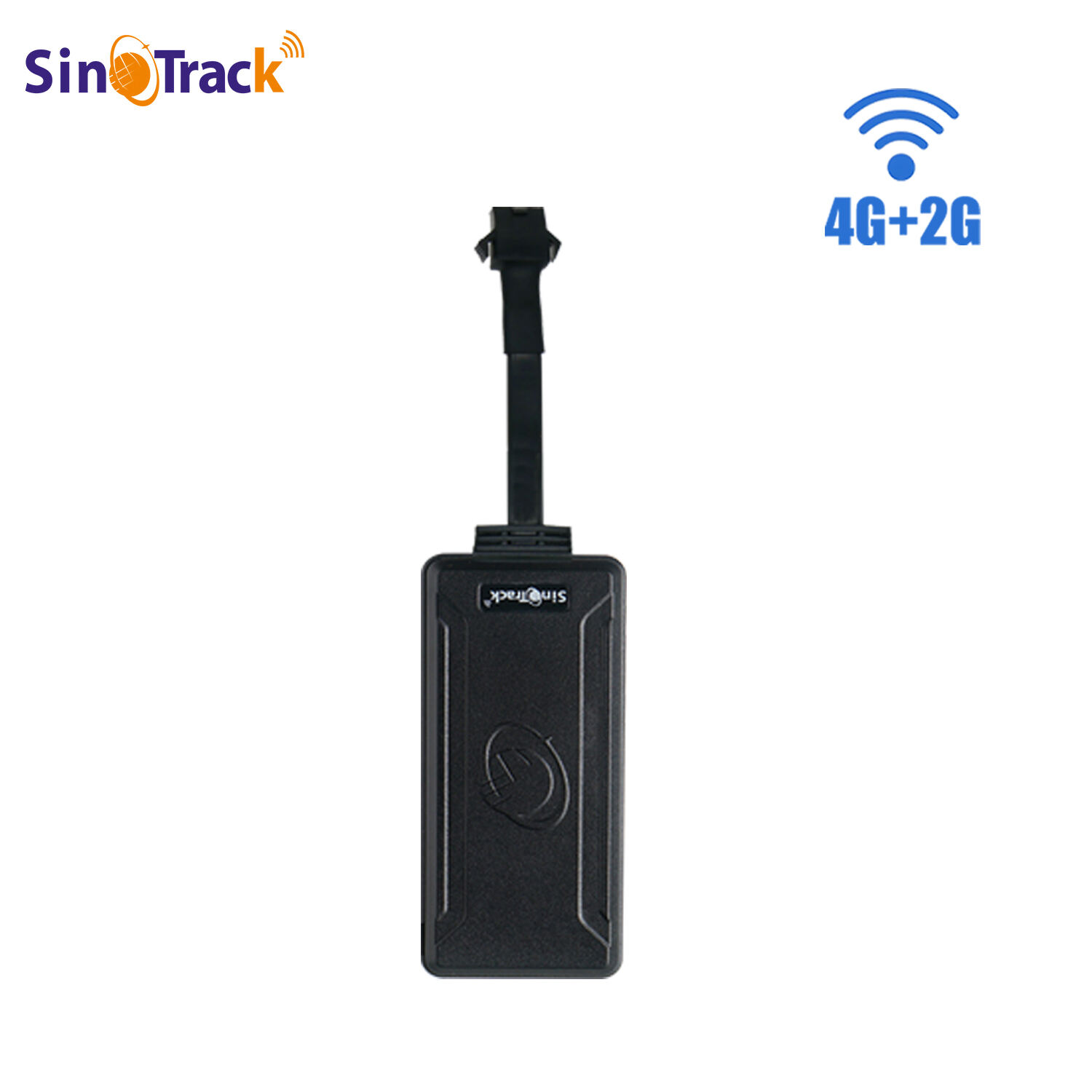
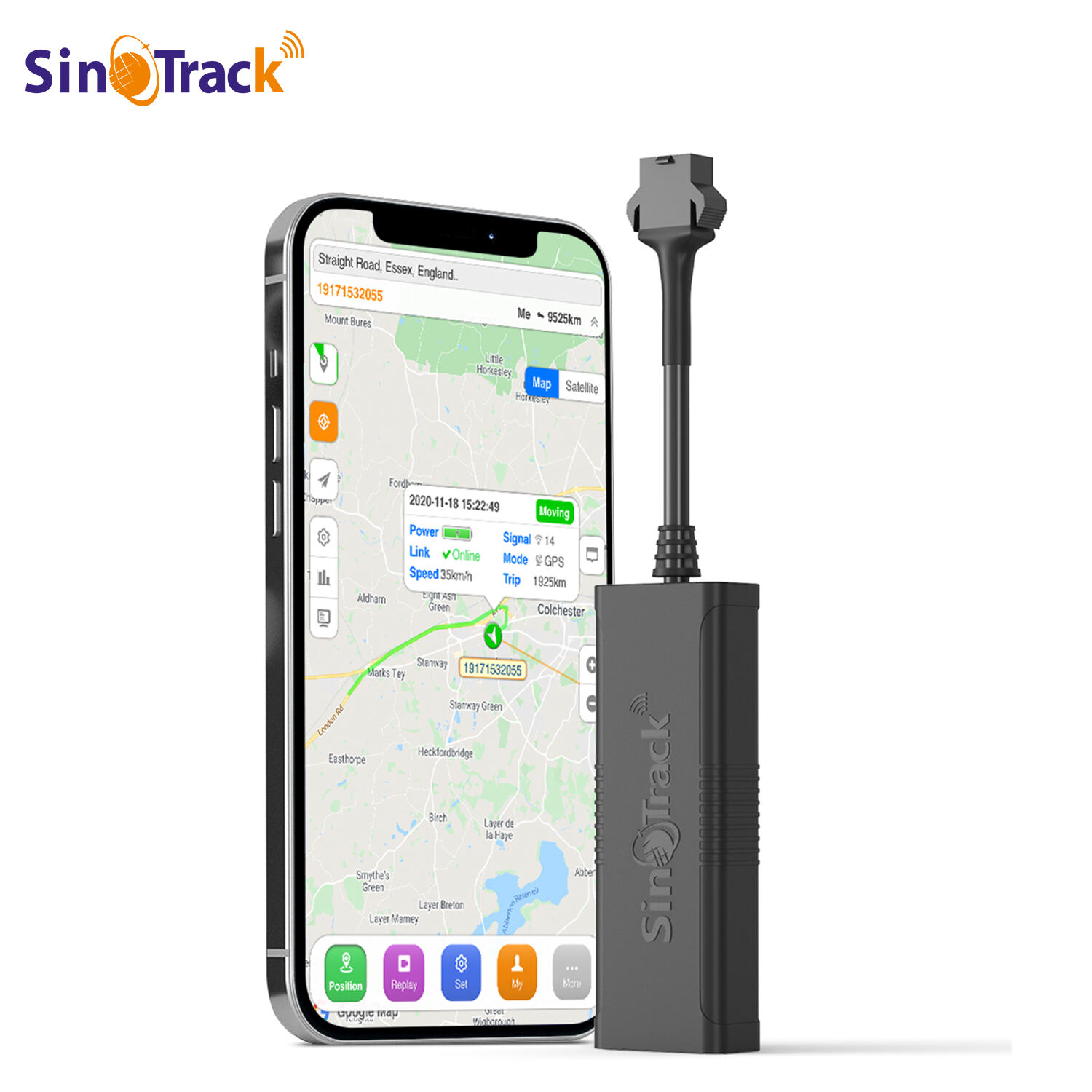
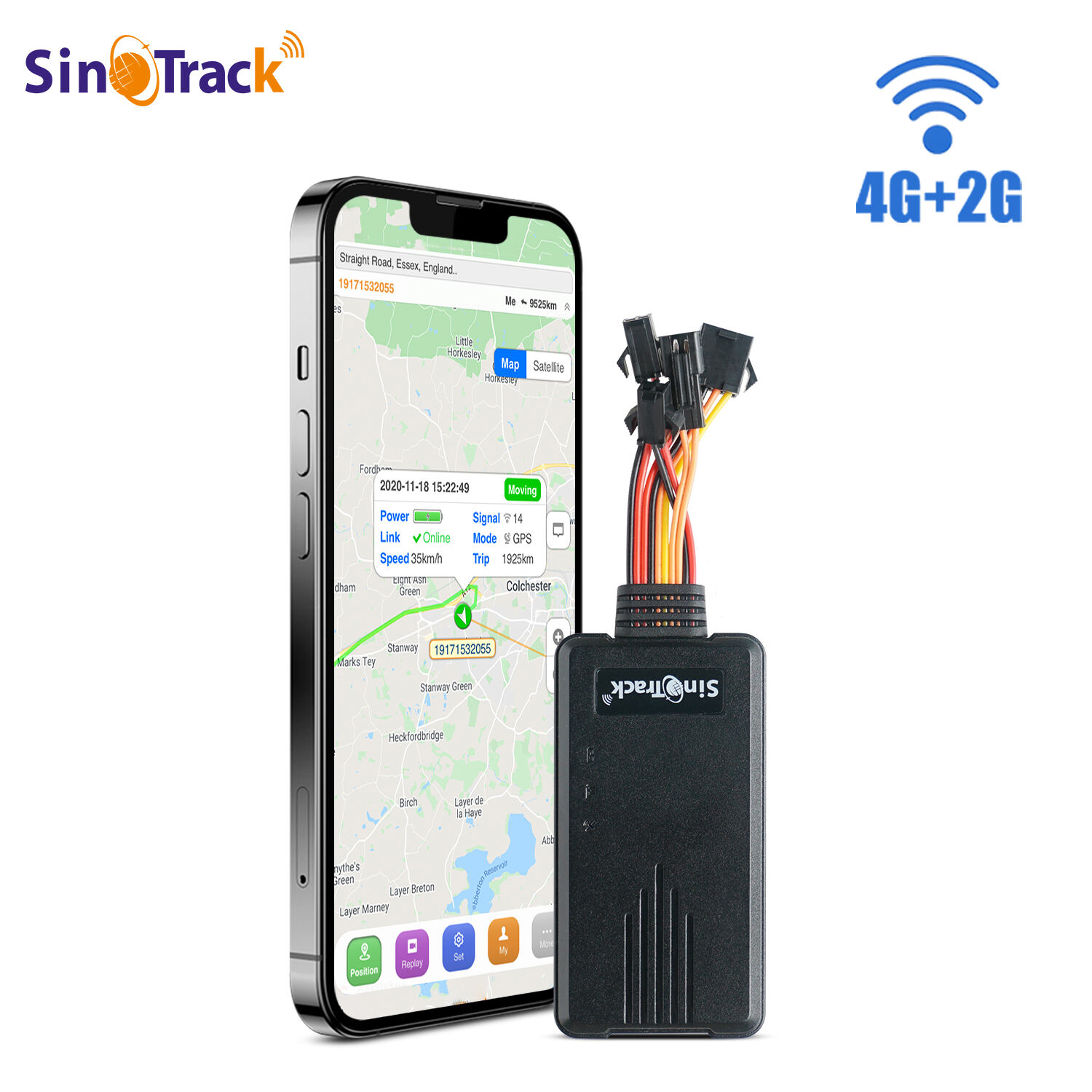
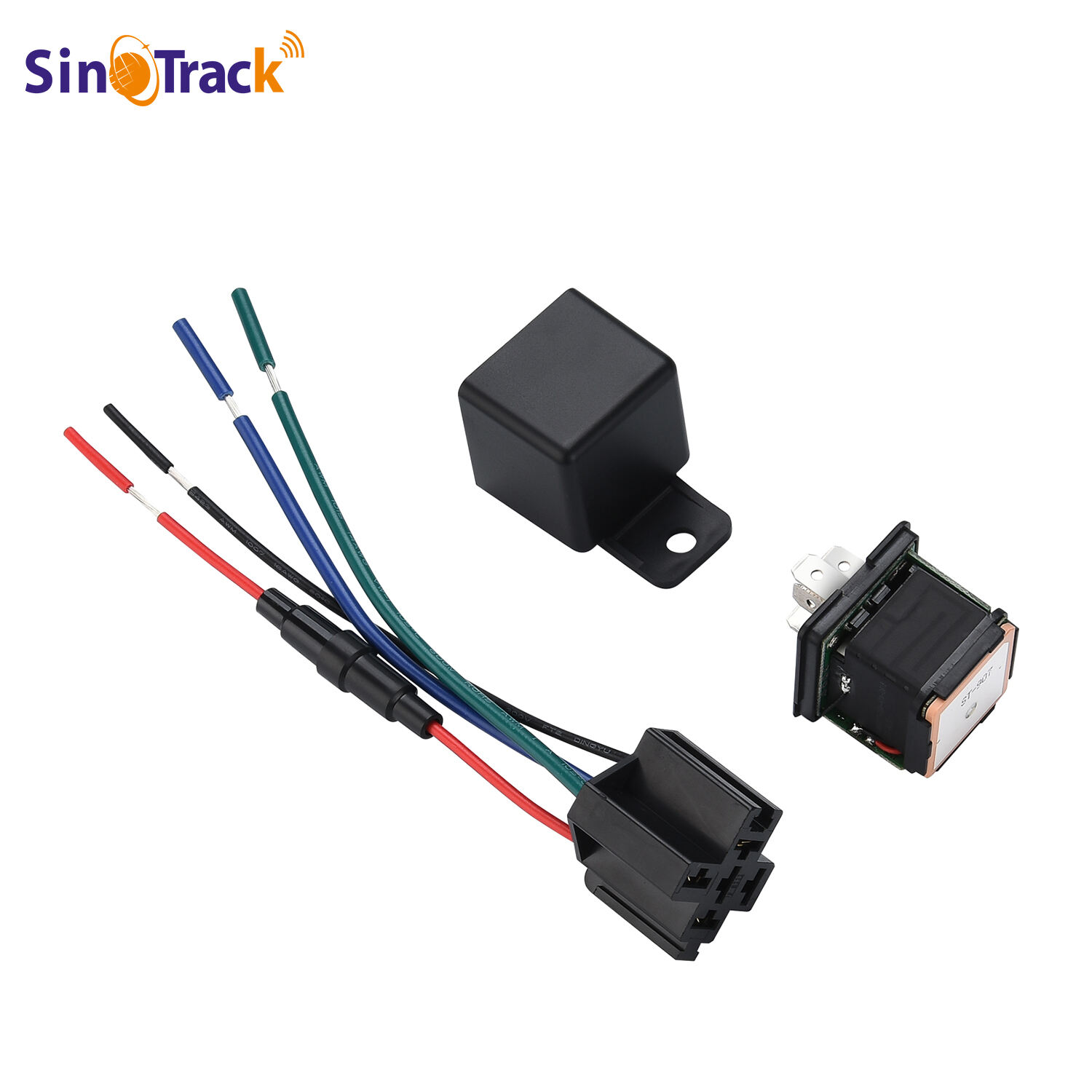
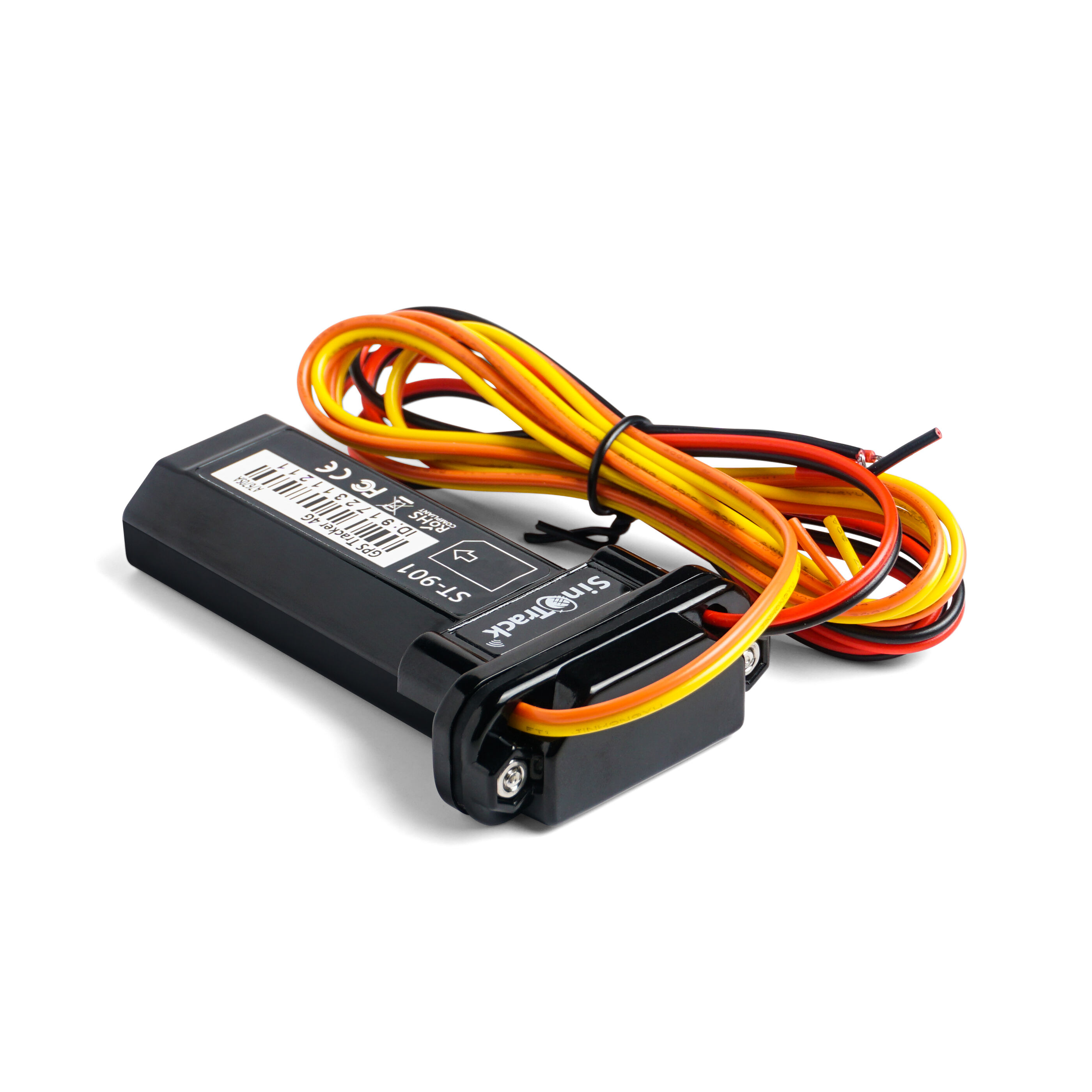
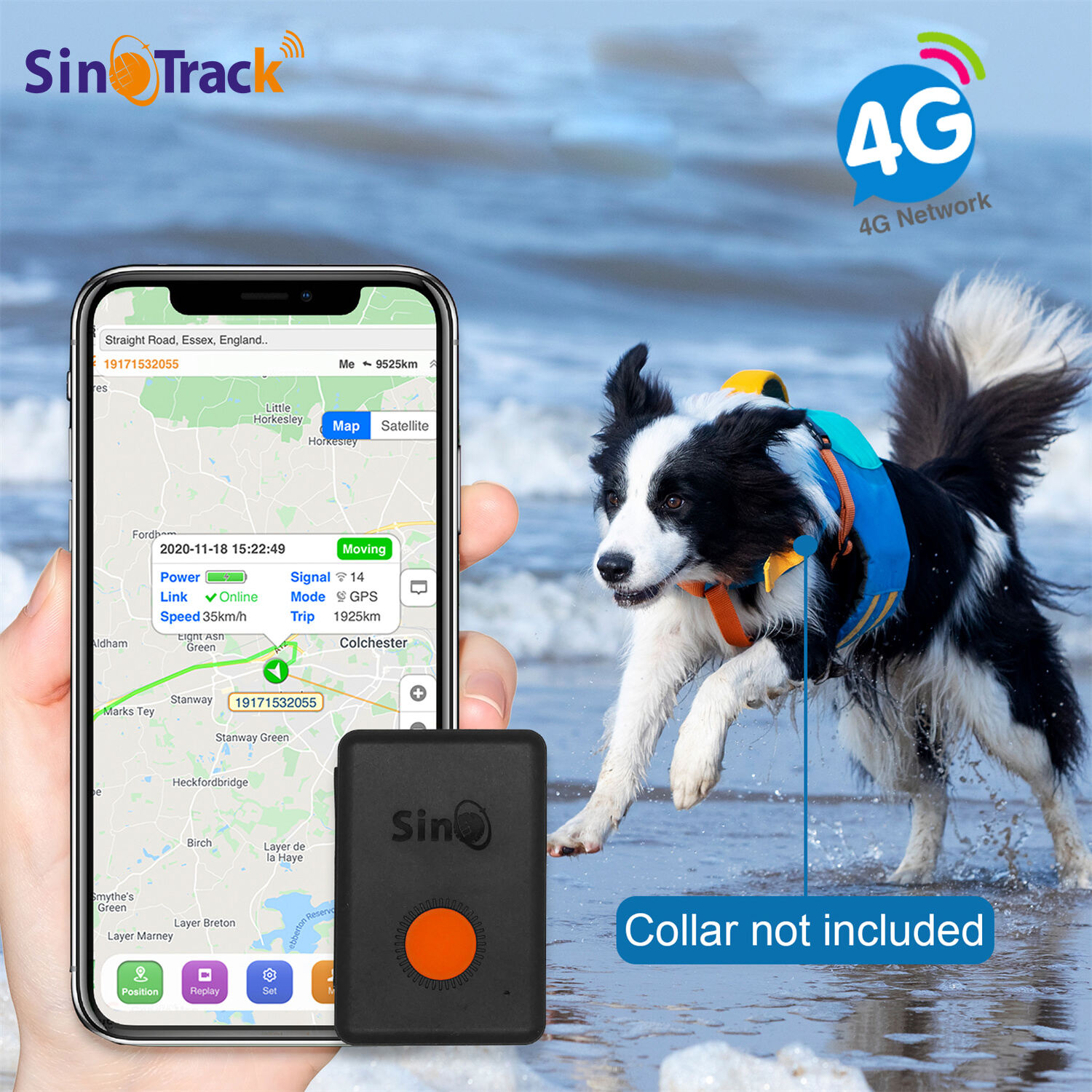
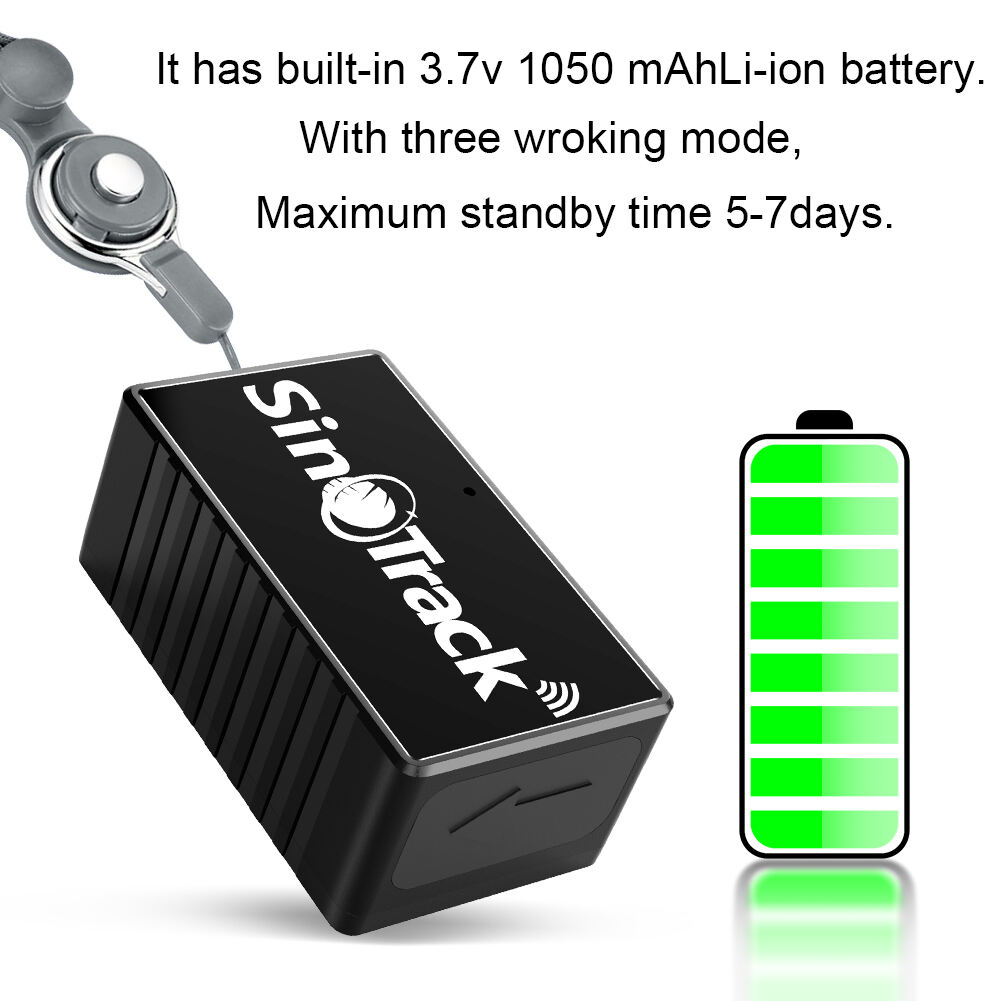
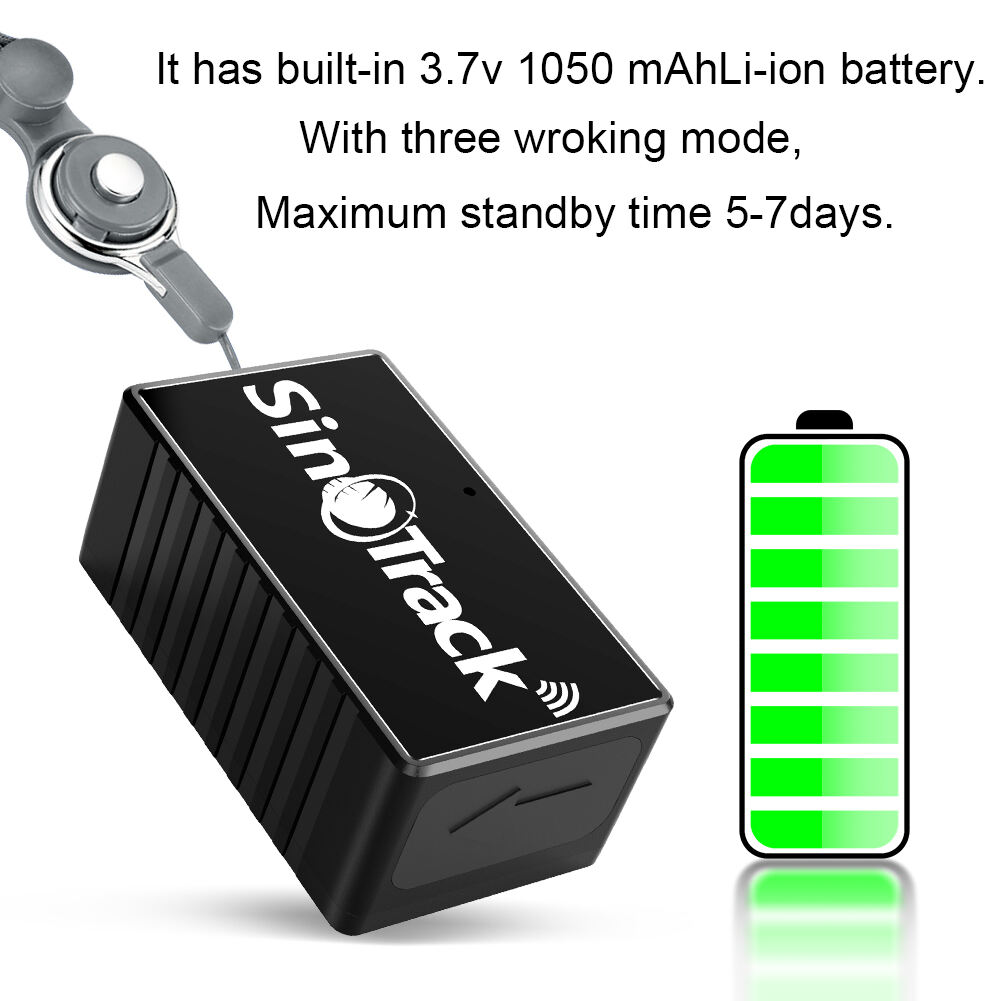
Trådlös spårningsteknologi utgör en revolutionerande framsteg inom platsövervakning och tillgodsförvaltningssystem som eliminerar behovet av fysiska anslutningar eller trådbunden infrastruktur. Denna sofistikerade teknik använder radiofrekvenssignaler, mobilnät, GPS-satelliter och Bluetooth-anslutning för att tillhandahålla realtidsdata om position och rörelsemönster för olika objekt, fordon och personer. Den centrala funktionen hos trådliga spårningssystem bygger på små, portabla enheter som enkelt kan fästas på eller integreras i målobjekt, vilka sänder exakta positionskoordinater till centrala övervakningsplattformar tillgängliga via mobilapplikationer eller webbaserade instrumentpaneler. Moderna trådlösa spårningslösningar kombinerar flera positioneringstekniker, inklusive Global Positioning System-satelliter för hög noggrannhet utomhus, Wi-Fi-triangulering för inomhusmiljöer och triangulering via mobilmast för omfattande täckning i både urbana och landsbygdsområden. Dessa system har avancerade batterihanteringsfunktioner, ofta med möjlighet till veckor eller månader av kontinuerlig drift på ett enda laddning, medan vissa modeller har solcellsladdning eller rörelseenergiutvinning för förlängd självständighet. Den tekniska arkitekturen inkluderar säkra datakrypteringsprotokoll, molnbaserade lagringslösningar och anpassningsbara aviseringssystem som informerar användare om specifika händelser såsom rörelsedetektering, gränsviolationer eller lågt batteri. Tillämpningar av trådlös spårning omfattar många branscher och personliga användningsområden, från flottledning och logistikoptimering till personlig säkerhetsövervakning och skydd av värdefulla tillgångar. Kommersiella tillämpningar inkluderar fordonsspårning för transportföretag, utrustningsövervakning för byggföretag och inventariehantering för detaljhandelsföretag. Personliga tillämpningar omfattar barns säkerhetsövervakning, vård av äldre, spårning av husdjur och skydd av personliga tillhörigheter. Trådlös spårningsteknologis mångsidighet sträcker sig till specialiserade tillämpningar såsom viltforskning, jordbruksmaskinsövervakning och samordning vid nödsituationer, vilket gör den till ett oumbärligt verktyg för modern övervakning och säkerhetskrav.

 EN
EN