gPS-spårare för bilar
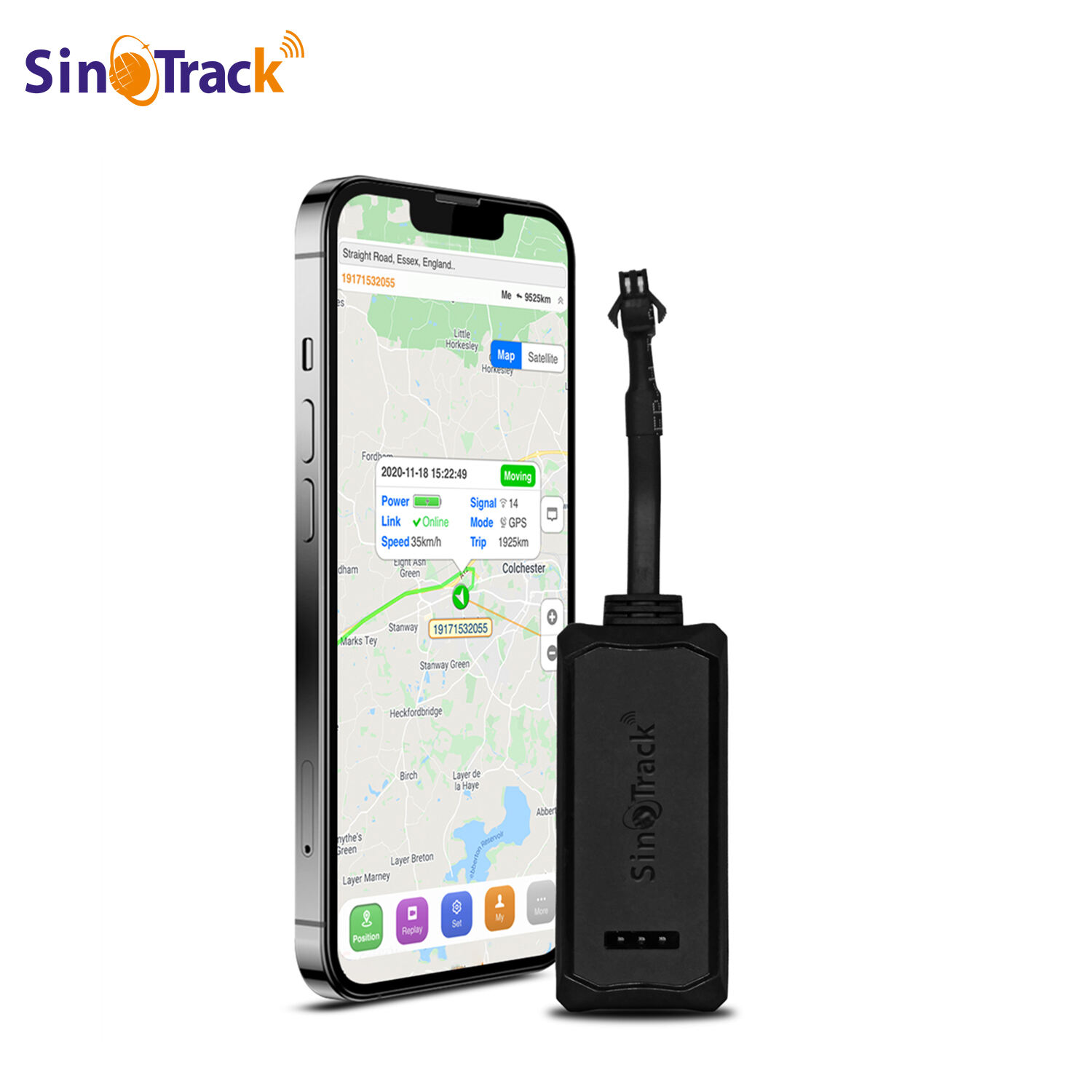
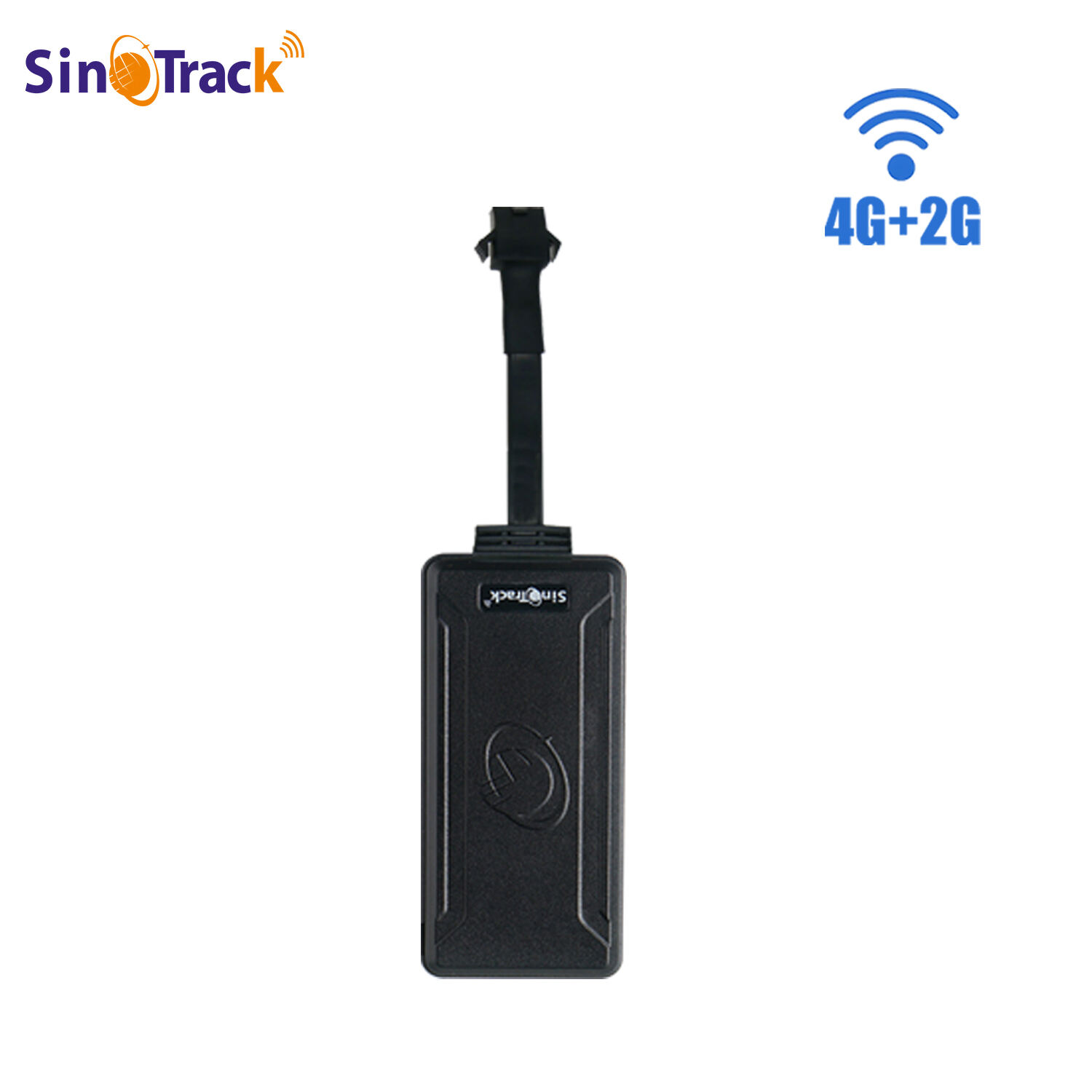
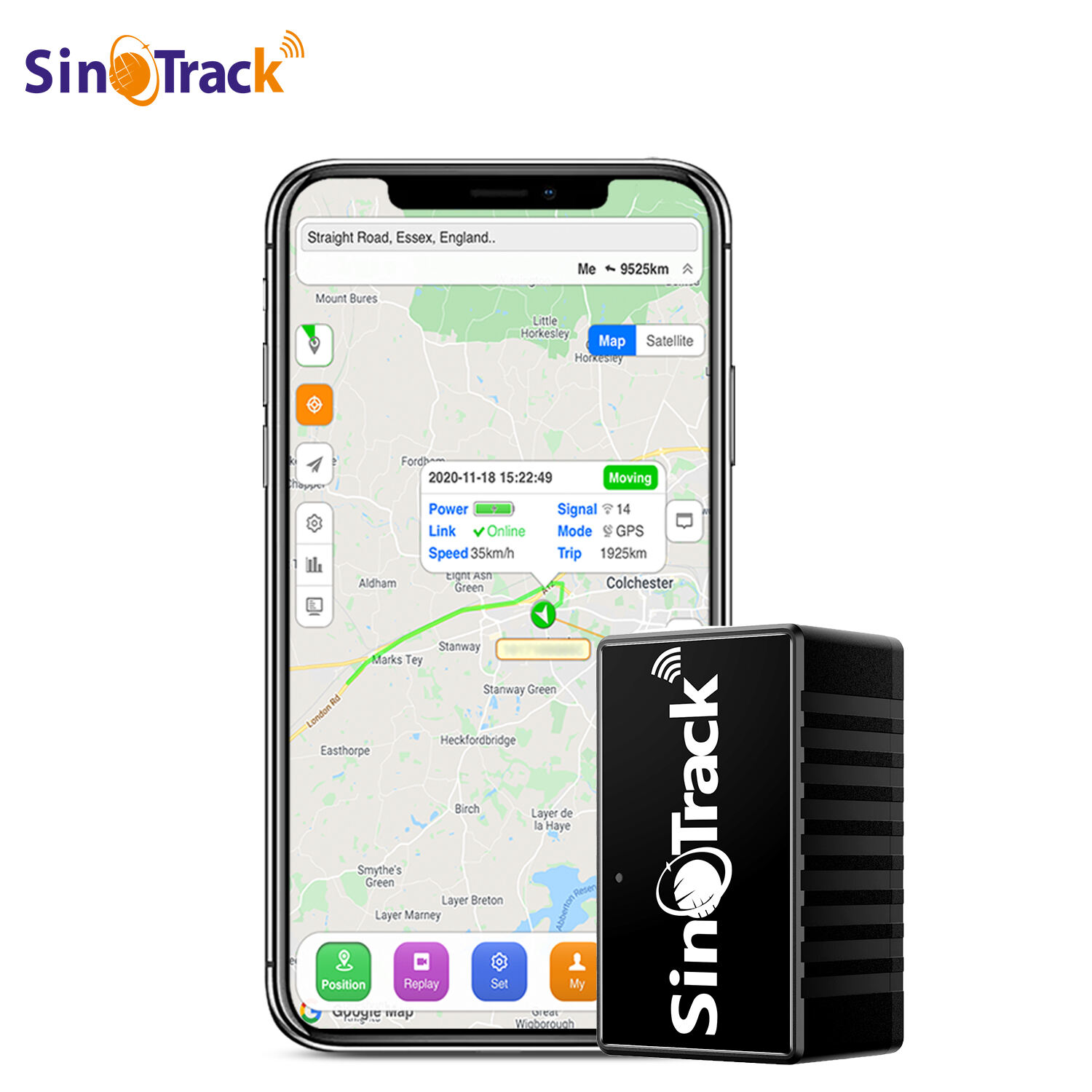
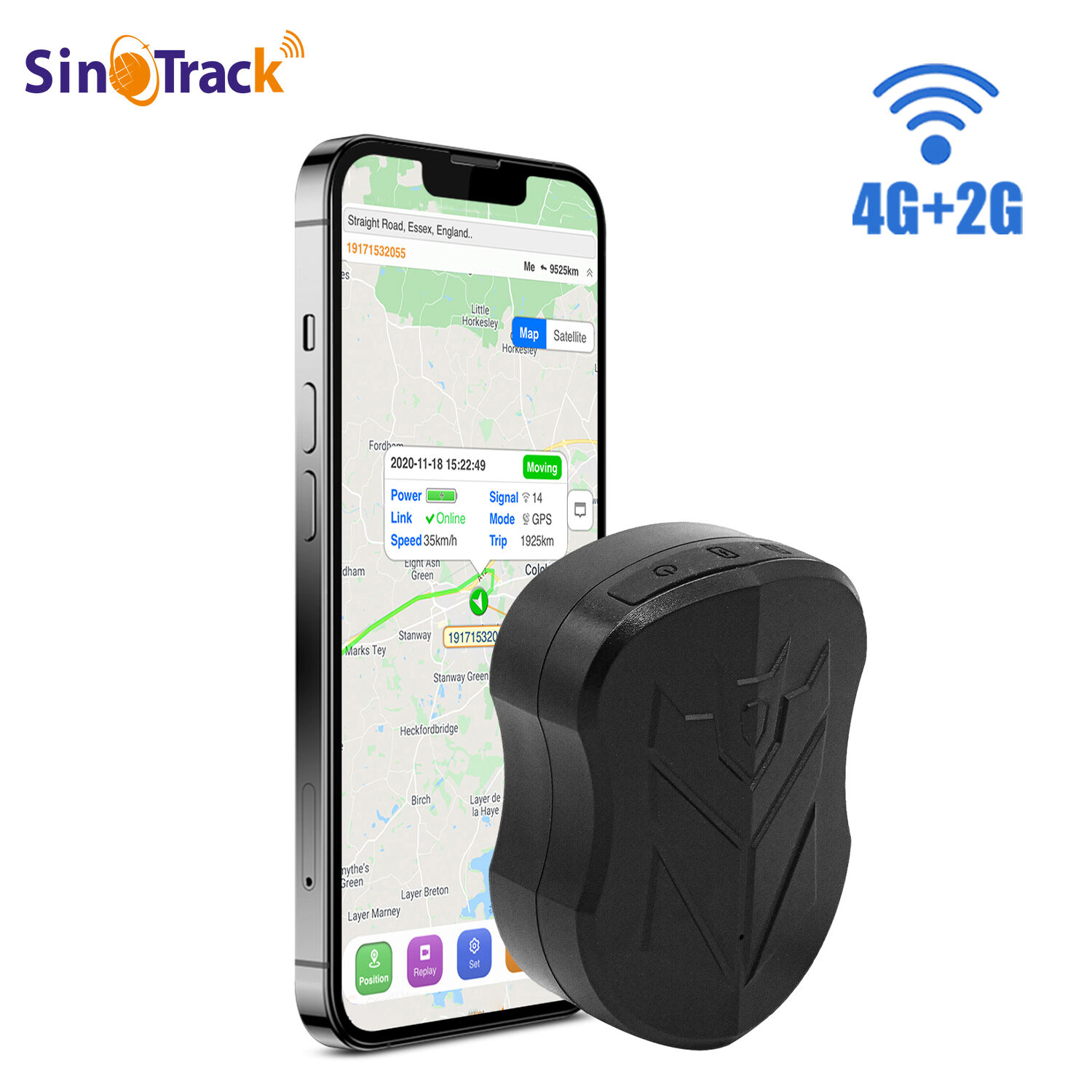
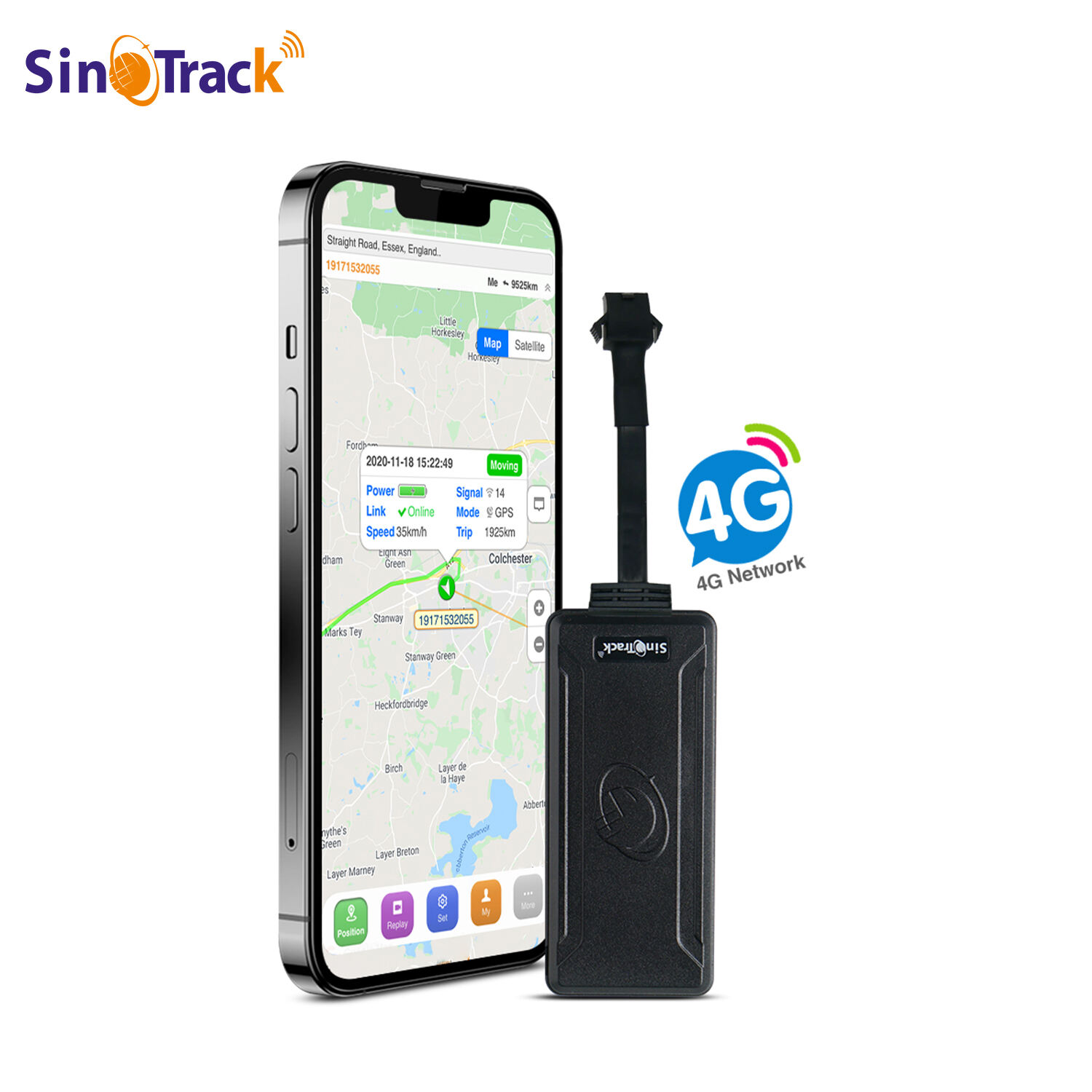
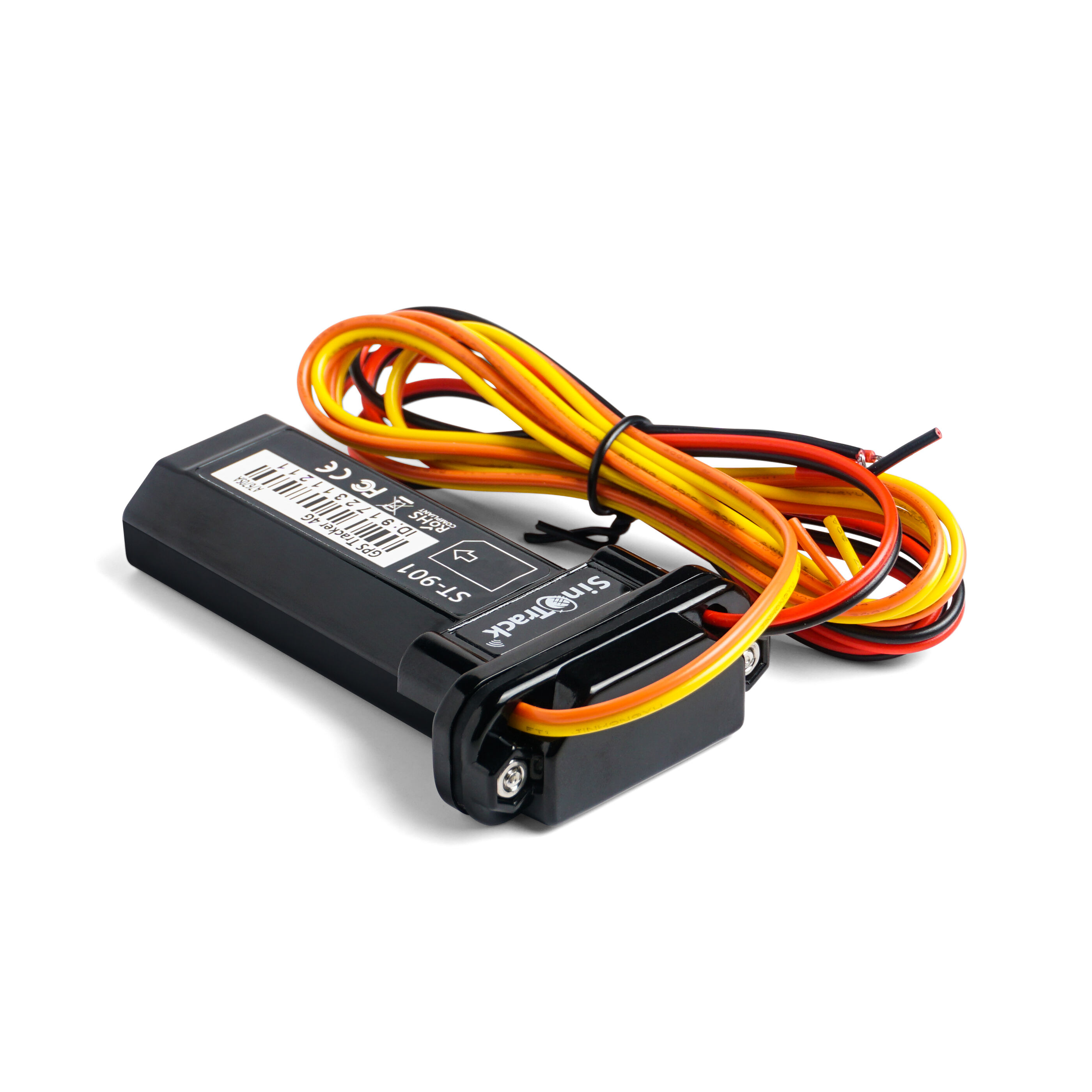
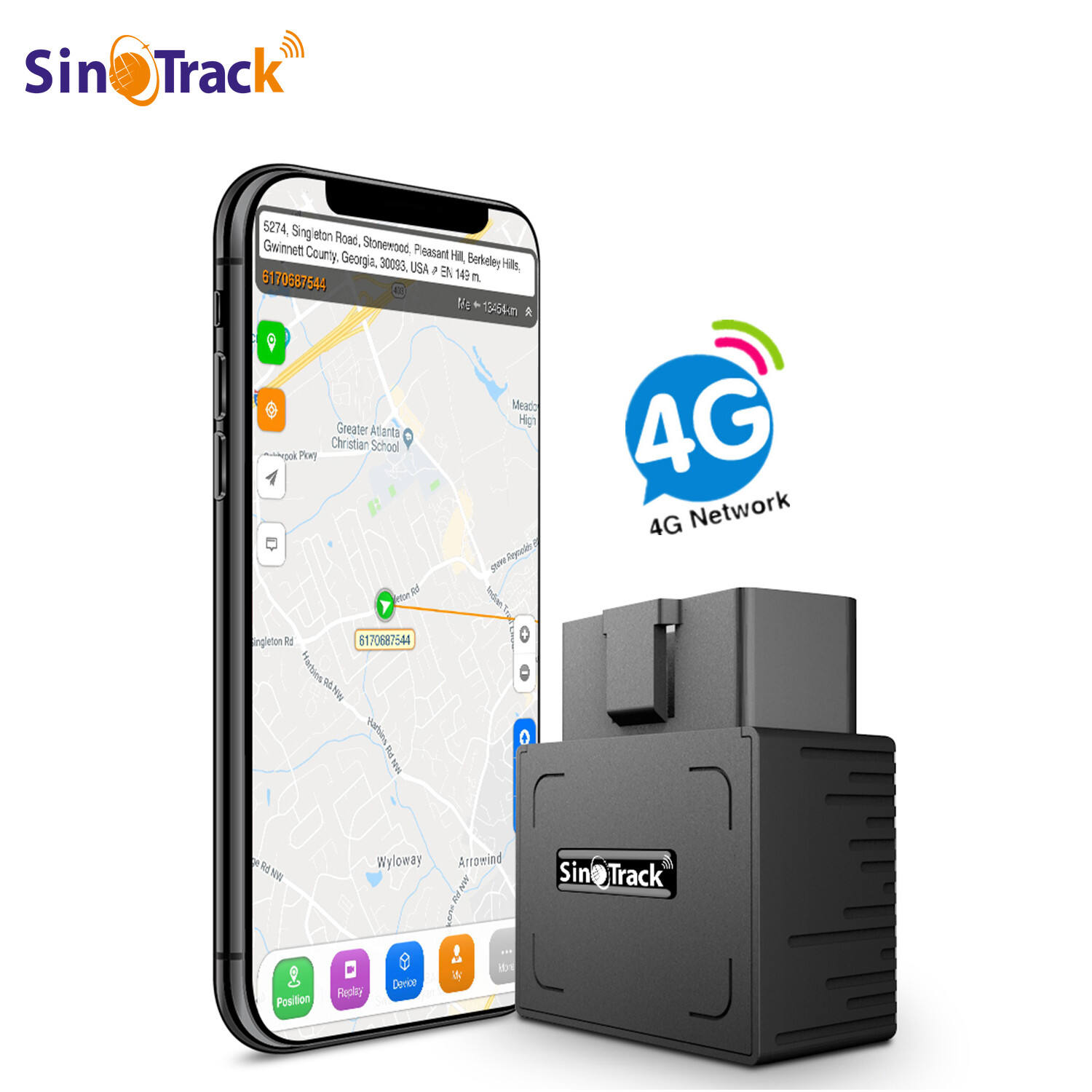
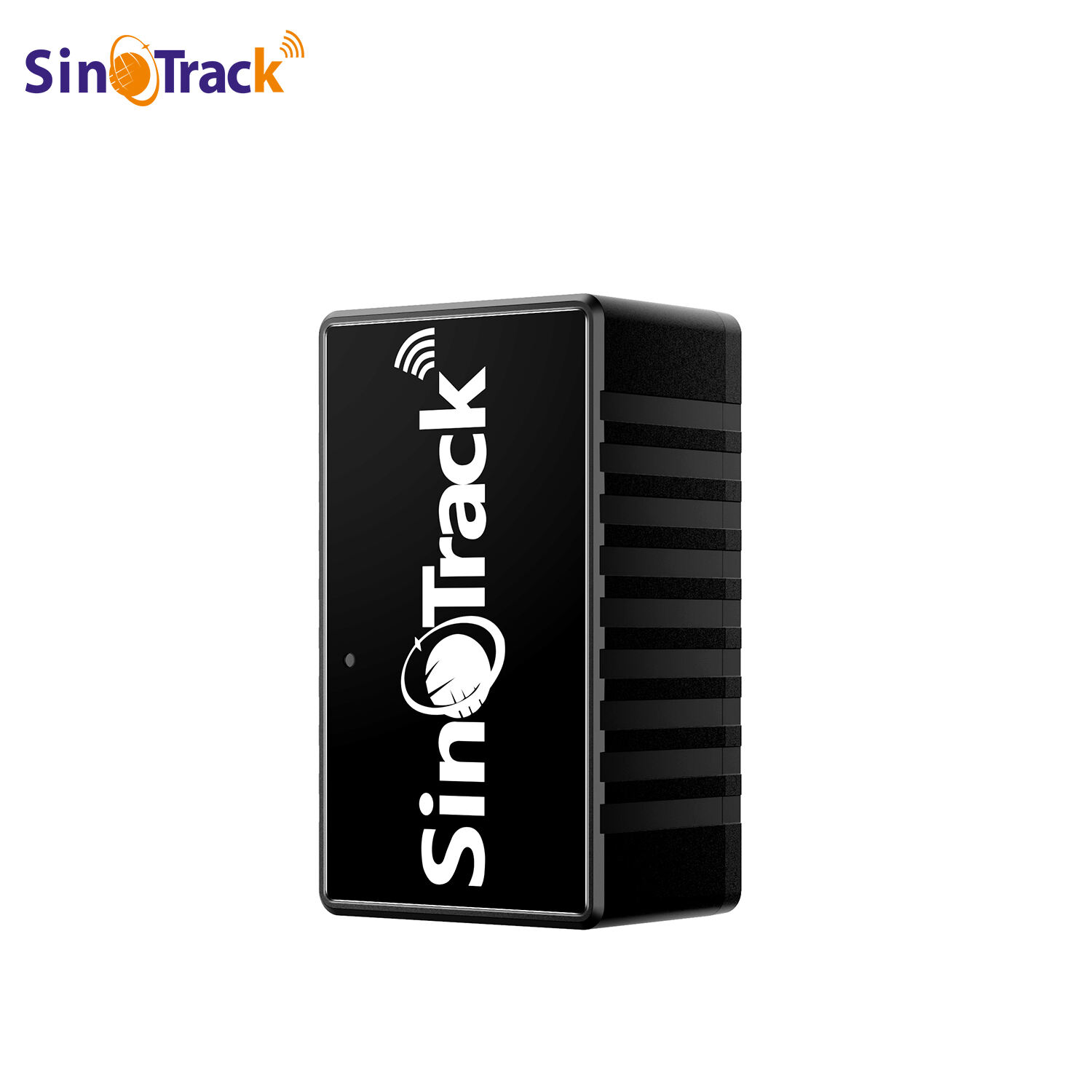
Bil GPS-spårare representerar nyaste tekniken inom fordonövervakning och kombinerar satellitnavigering, mobilkommunikation och avancerade mjukvaruplattformar för att erbjuda omfattande lösningar för flottledning och fordonsäkerhet. Dessa sofistikerade enheter använder sig av Global Positioning System-satelliter för att fastställa exakta fordonpositioner i realtid och överför denna data via mobilnät till säkra onlineplattformar som kan nås via smartphones, surfplattor eller datorer. Moderna bil GPS-spårare innehåller flera tekniska funktioner, inklusive geofence-funktioner, vilket gör det möjligt för användare att skapa virtuella gränser och få omedelbara aviseringar när fordon kommer in i eller lämnar definierade områden. Enheterna har skruvskyddad installation, långlivade batterisystem och vattentäta höljen designade för att tåla hårda miljöförhållanden. De flesta bil GPS-spårare stöder flera kommunikationsprotokoll, inklusive 4G LTE, 3G och 2G-nät, vilket säkerställer pålitlig anslutning över olika geografiska regioner. Avancerade modeller integrerar accelerometerer och gyroskop för att upptäcka hårda körvanor såsom snabb acceleration, hård inbromsning och skarpa svängar, vilket ger värdefulla insikter i förarkompetens och fordonets användningsmönster. Tekniken går bortom grundläggande positionsövervakning och inkluderar omfattande rapporteringssystem som genererar detaljerade analyser av körsträcka, bränsleförbrukning, ledig drifttid och rutt-optimering. Många bil GPS-spårare erbjuder ytterligare funktioner såsom tvåvägs kommunikation, fjärrstopp för motorn, nödknappar för akuta situationer samt integration med befintliga fordonsäkerhetssystem. Tillämpningarna sträcker sig från personlig fordonsäkerhet, kommersiell flottledning, försäkringsbaserade telematikprogram, övervakning av tonåriga förare, trygghet för äldre familjemedlemmar till tjänster för återhämtningsinsats vid stöld. Dessa enheter visar sig ovärderliga för företag som vill optimera leveransrutter, minska bränslekostnader, förbättra kundservice genom noggranna ankomstuppskattningar och säkerställa efterlevnad av regler för kommersiella fordon.
 EN
EN