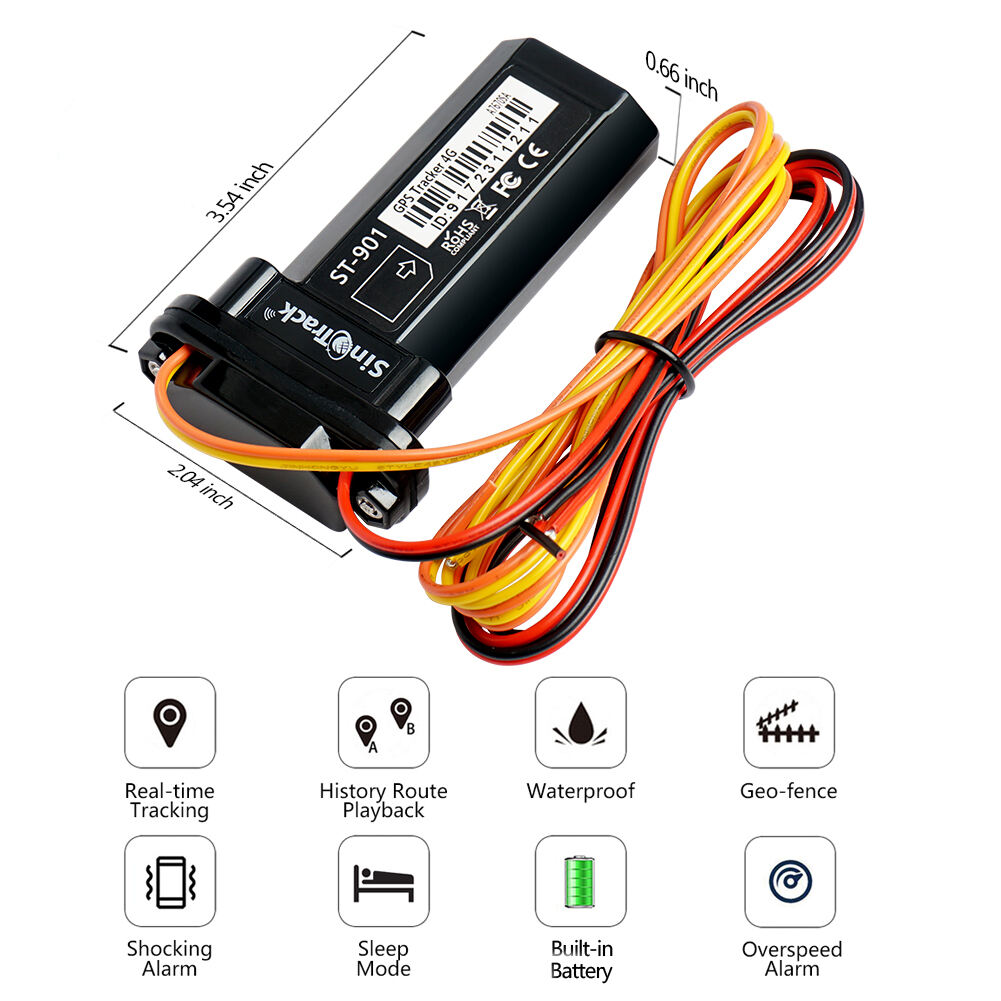
Omställande hälso- och beteendemonitoreringssystem
Det integrerade hälso- och beteendemonitoreringssystemet i djurspårningsenheter omvandlar dessa verktyg från enkla platspåföljare till omfattande plattformar för djurs välbefinnande som ger ovärderliga insikter om djurs hälsa, aktivitetsmönster och beteendeförändringar. Avancerade sensorer inbäddade i enheten samlar kontinuerligt in biometriska data inklusive puls, kroppstemperatur, aktivitetsnivåer och rörelsemönster, vilket skapar en detaljerad profil av varje djurs normala beteendebaslinje. Denna kontinuerliga övervakningsfunktion möjliggör tidig upptäckt av hälsoproblem, stressindikatorer eller beteendeanomali som annars kan gå obemärkta tills de blir allvarliga problem som kräver kostsam veterinärinsats. Accelerometer- och gyroskopsensorer arbetar tillsammans för att analysera rörelsemönster med anmärkningsvärd precision, och skilja på olika typer av aktiviteter såsom gående, springande, bete, vila eller ovanliga beteenden som kan indikera ångest eller sjukdom. Maskininlärningsalgoritmer bearbetar dessa sensordata för att identifiera mönster och trender över tid och automatiskt markera avvikelser från normalt beteende som kräver uppmärksamhet från vårdgivare eller forskare. För husdjursägare innebär detta att få aviseringar när deras djur visar tecken på minskad aktivitet som kan indikera sjukdom, eller ökad rastlöshet som kan tyda på ångest eller obehag. Besättningschefer drar nytta av tidiga varningssystem som upptäcker tecken på sjukdomsutbrott, värmestress eller reproduktiva cykler, vilket möjliggör proaktiva beslutsfattande som förbättrar djurens välfärd och gårdsproduktivitet. Viltbiologer får oöverträffade insikter i naturliga beteenden, utfodringsmönster, migrationsutlösare och habitatpreferenser som styr konserveringsstrategier och ekosystemhantering. Temperaturovervakningsfunktionen har flera syften, där både omgivande miljöförhållanden och djurets kroppstemperatur spåras för att bedöma hälsotillstånd och nivåer av miljöstress. Dessa data är särskilt värdefulla för att förstå hur klimatförändringar påverkar olika arter och för att utveckla anpassningsstrategier för sårbara populationer. Analys av sömnrytm ger ytterligare ett lager av hälsoövervakning, eftersom förändringar i vilo-cykler ofta indikerar stress, sjukdom eller miljöstörningar som kräver uppmärksamhet. Systemet genererar detaljerade rapporter och visualiseringar som gör komplexa data lätt att tolka för användare med olika teknisk kompetens, samtidigt som det erbjuder tillgång till rådata för forskare och veterinärer som behöver detaljerade analysmöjligheter. Integration med veterinära journalsystem och forskningsdatabaser möjliggör smidig datadelning och samarbete mellan djurvårdsexperter, vilket bidrar till en bredare förståelse av djurs hälsa och beteende över olika populationer och miljöer.
 EN
EN