4G-GPS-spårare för fordon
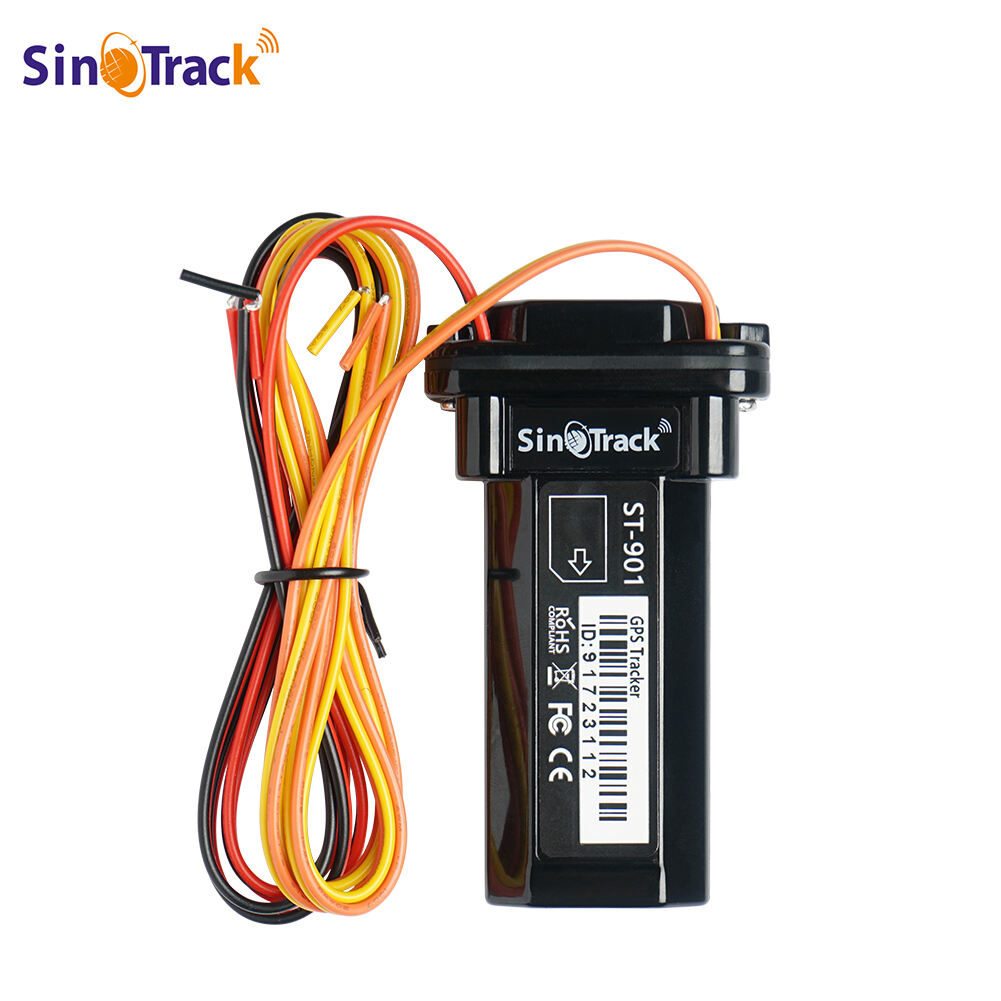
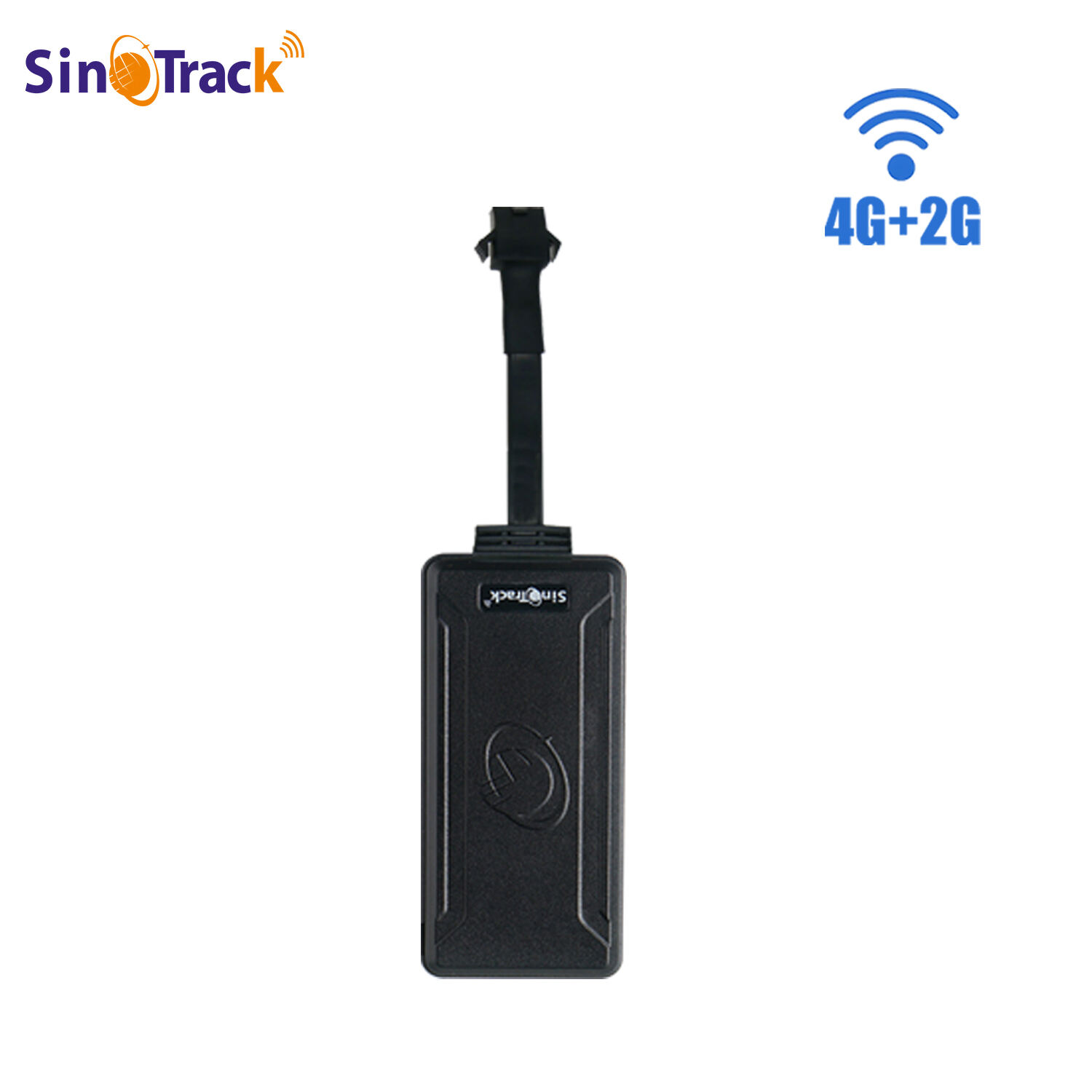
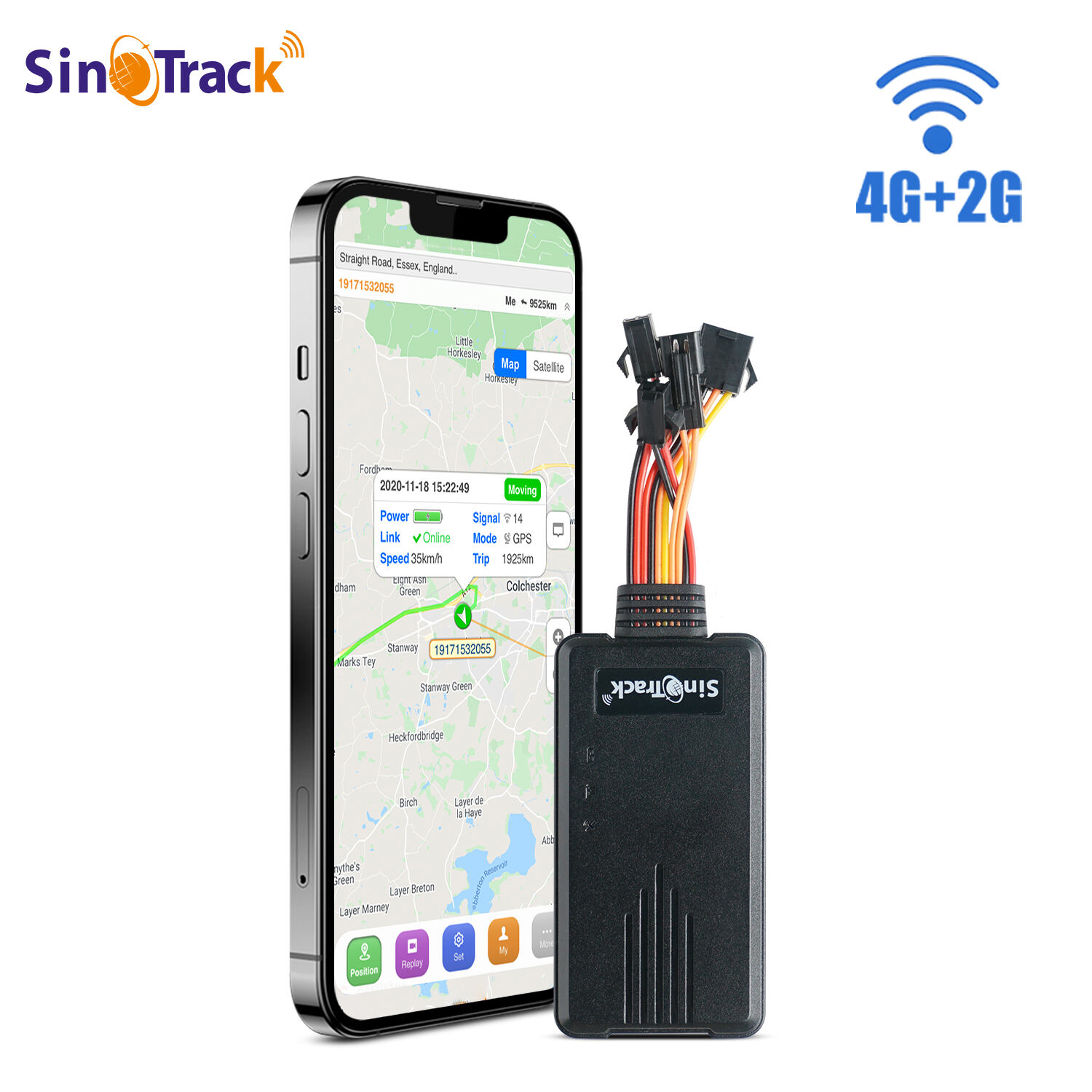
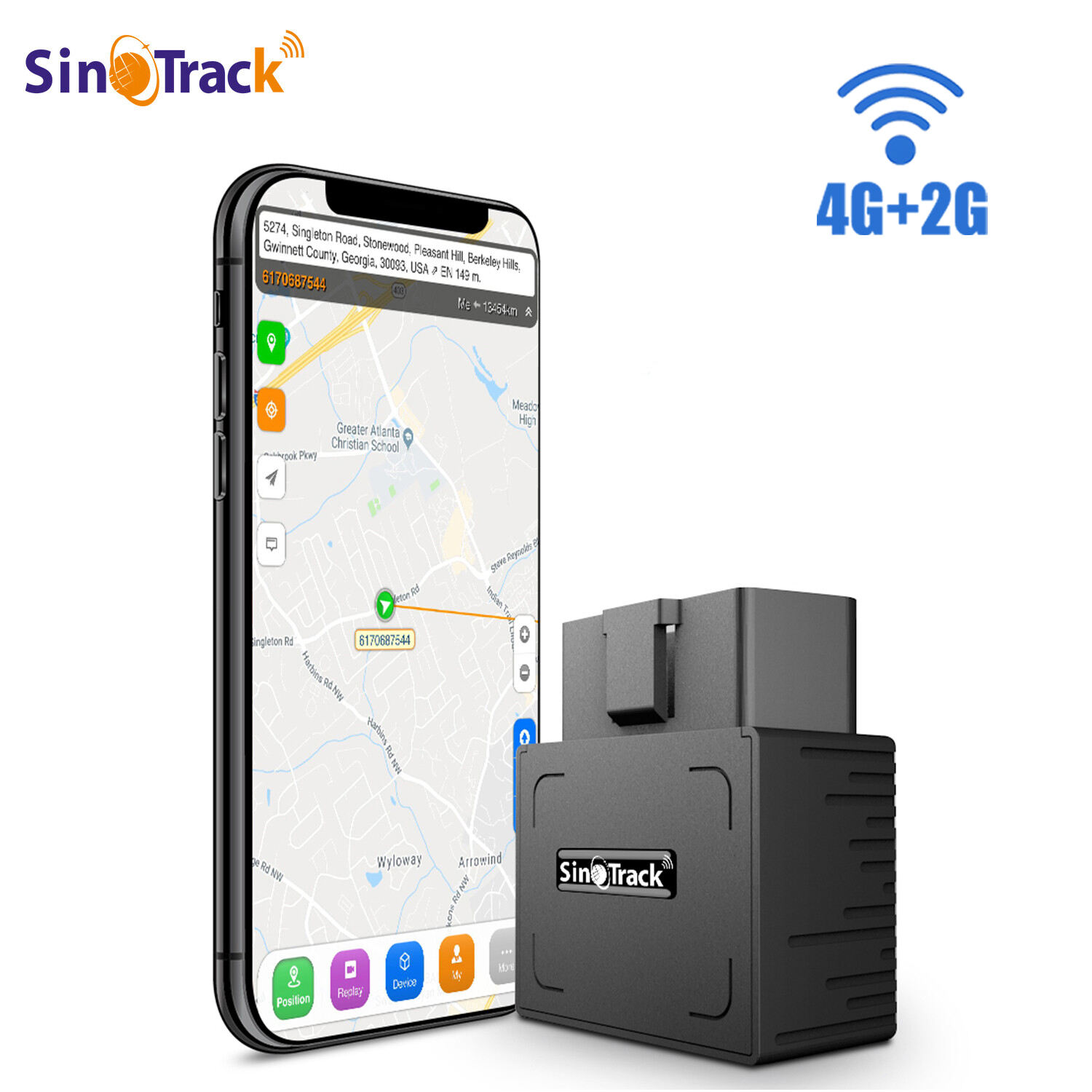
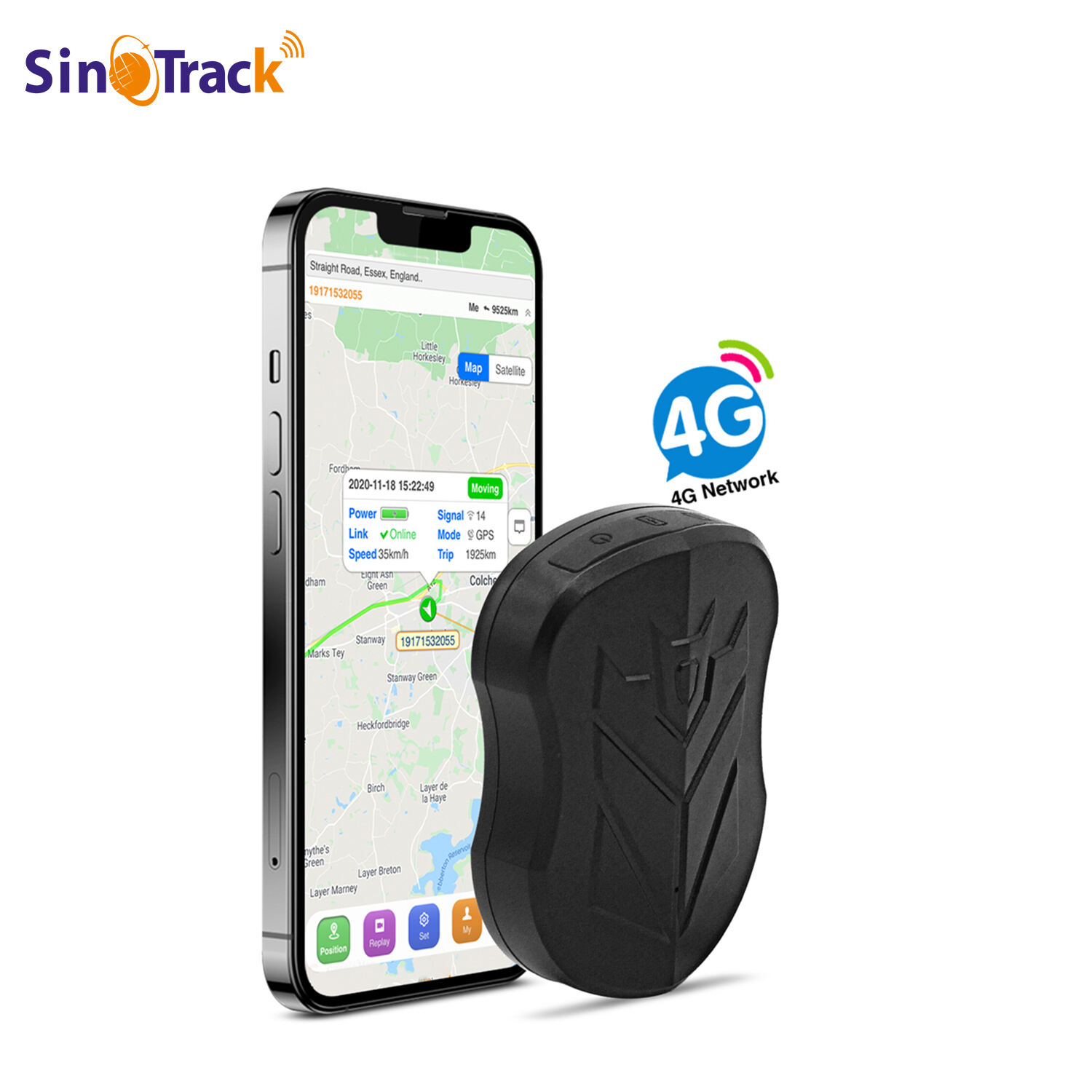
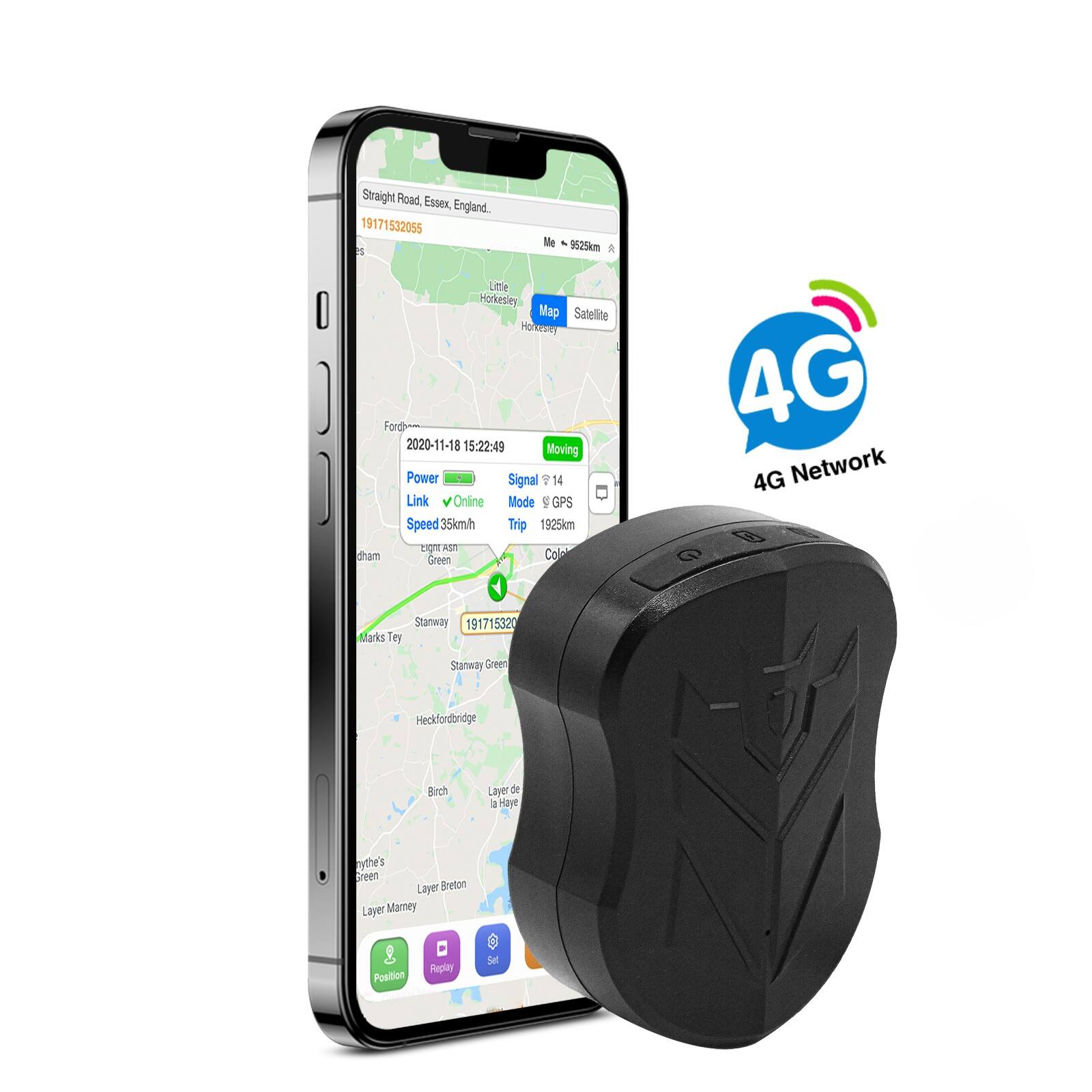
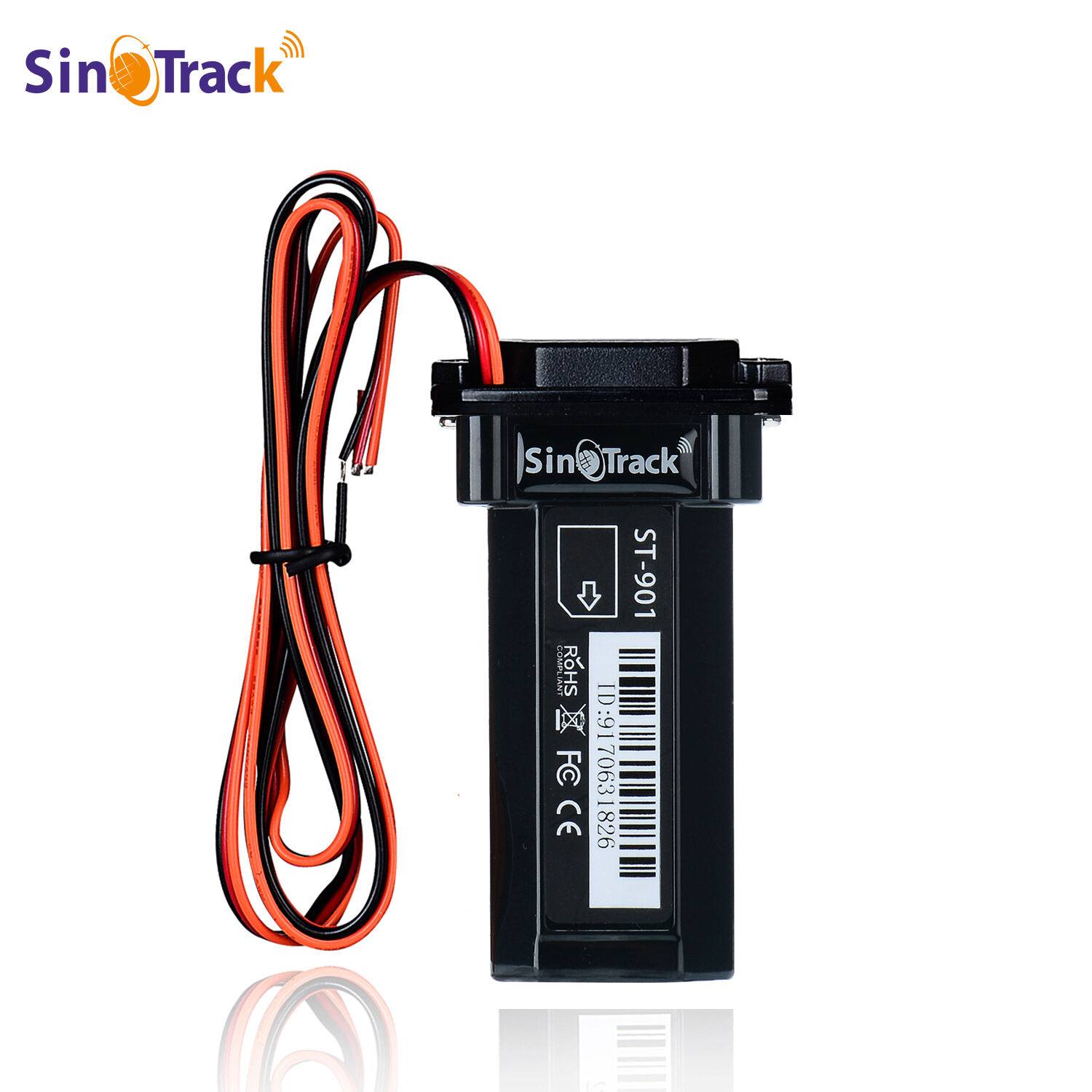
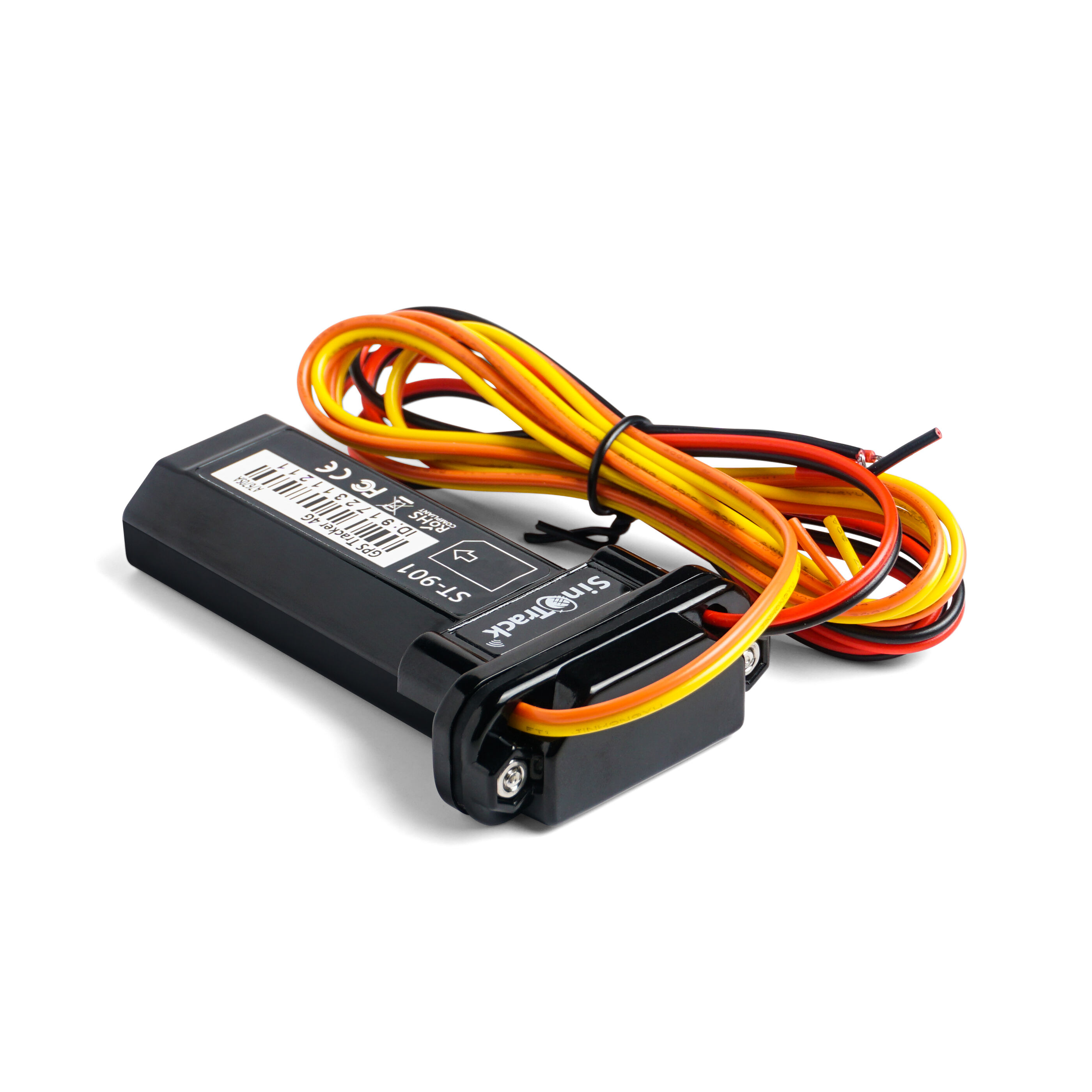
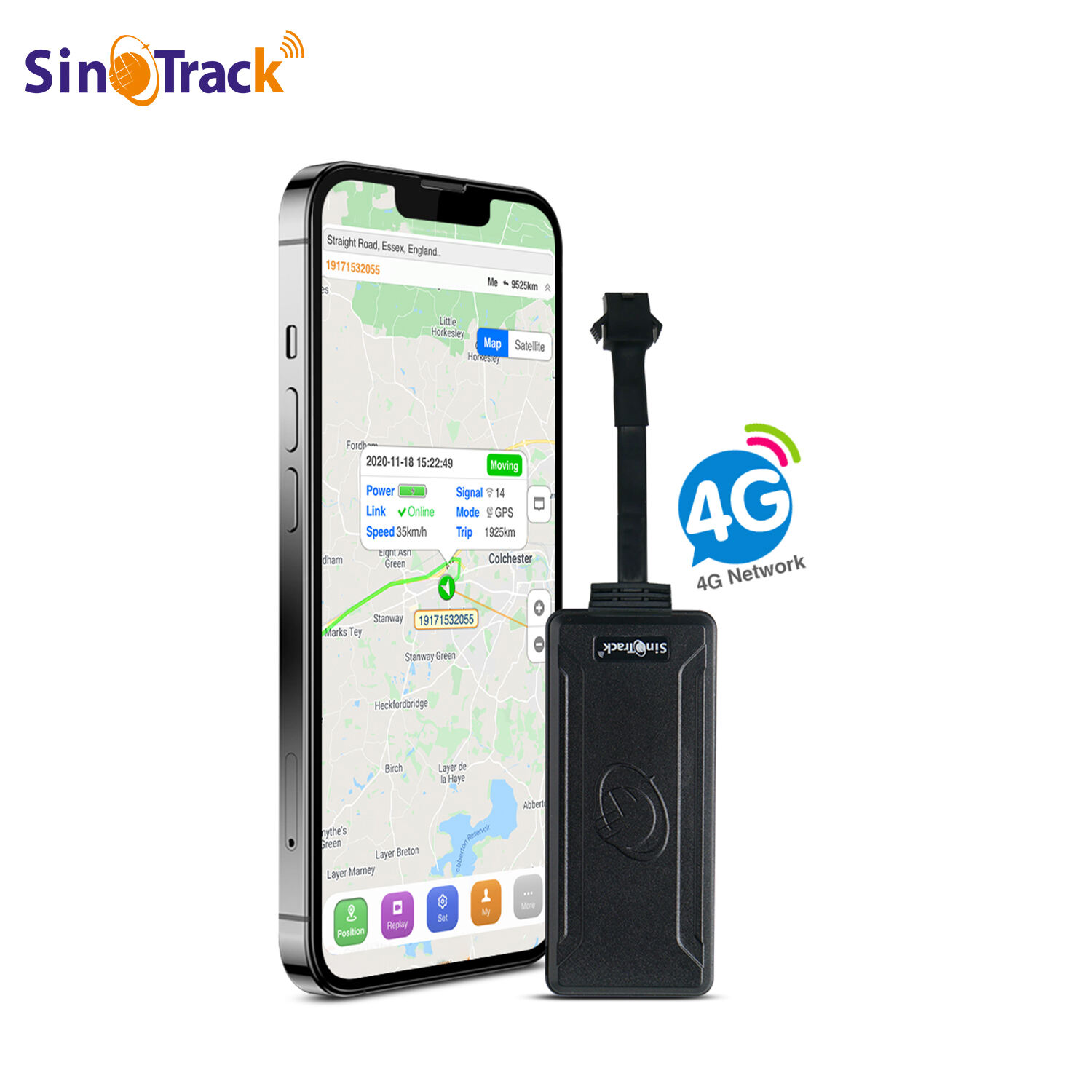
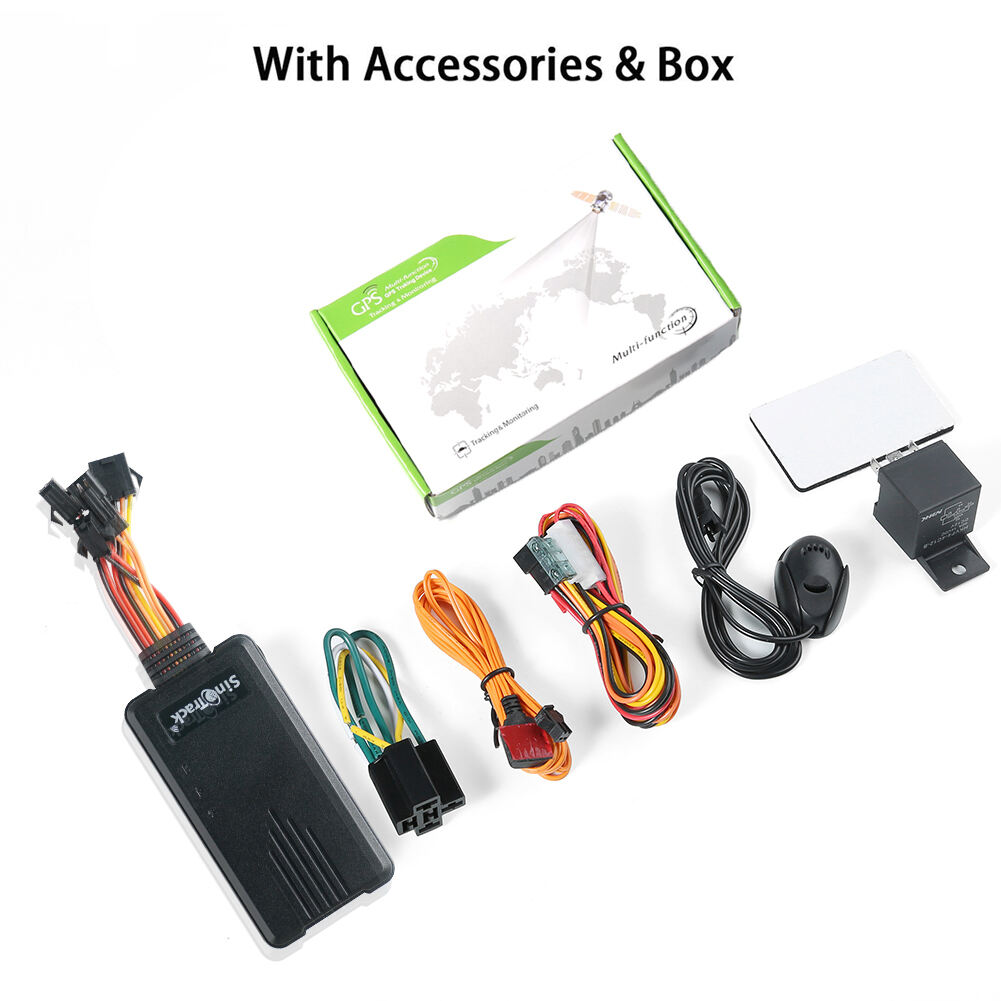
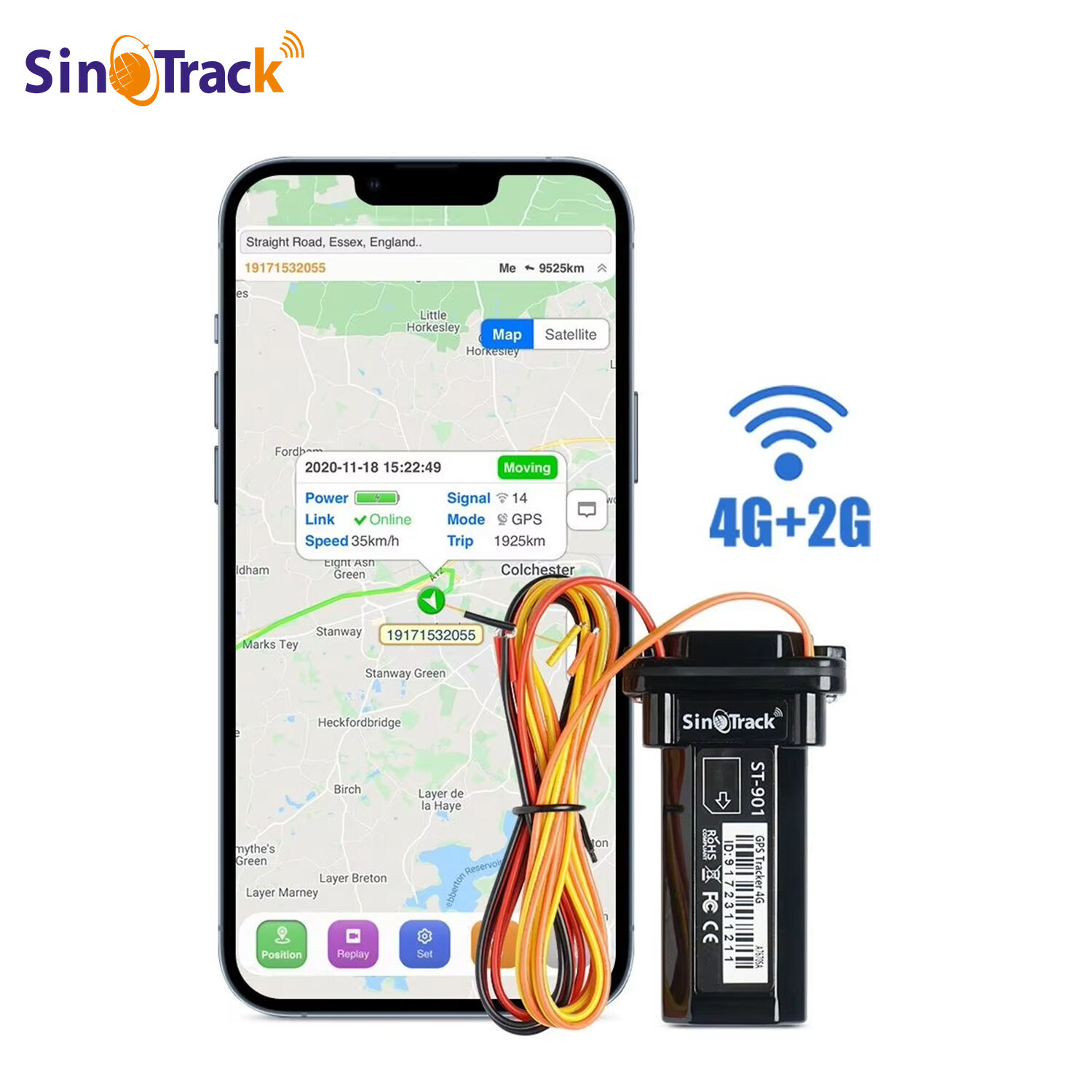
4g fordonsgps-spåren är en banbrytande teknisk utveckling inom flottledning och fordonsäkerhet. Denna sofistikerade enhet använder mobilnät av fjärde generationen för att leverera oöverträffad anslutning och datatransmission. Till skillnad från traditionella gps-spårningssystem erbjuder 4g fordonsgps-spåren ökad hastighet, tillförlitlighet och omfattande övervakningsfunktioner som förändrar hur företag och privatpersoner hanterar sina fordon. Enheten kombinerar satellitpositionering med mobilkommunikation för att ge realtidsdata om position, fordonets diagnostik och säkerhetsvarningar. Dess huvudsakliga funktioner inkluderar exakt positionsbestämning, geofencing, hastighetsövervakning, rutt-optimering och identifiering av obehörig användning. Den tekniska arkitekturen innefattar avancerade gps-mottagare, 4g lte-modemer, accelerometerer och sofistikerade mjukvarualgoritmer som bearbetar och sänder data sömlöst. 4g fordonsgps-spåren stöder flera kommunikationsprotokoll och har robust hårdvara som är designad för att tåla hårda bilmiljöer. Installationen är enkel och kräver minimal teknisk kompetens samtidigt som optimal prestanda säkerställs. Enheten arbetar kontinuerligt och samlar in samt skickar viktig information om fordonets status, förarens beteende och driftseffektivitet. Moderna varianter inkluderar ytterligare sensorer för temperaturövervakning, bränsleförbrukningsanalys och underhållsplanering. 4g fordonsgps-spåren används inom många områden såsom kommersiell transport, logistikoperationer, hantering av byggequipment och personlig fordonssäkerhet. Flottchefer använder dessa system för att optimera rutter, minska driftskostnader och förbättra säkerhetsrutiner för förare. Försäkringsbolag inser alltmer värdet av data från 4g fordonsgps-spåren vid riskbedömning och premieberäkningar. Tekniken möjliggör proaktiv planering av underhåll, stöldförebyggande åtgärder och samordning vid nödsituationer, vilket gör den till ett oumbärligt verktyg i moderna fordonsledningsstrategier.
 EN
EN