
 EN
EN
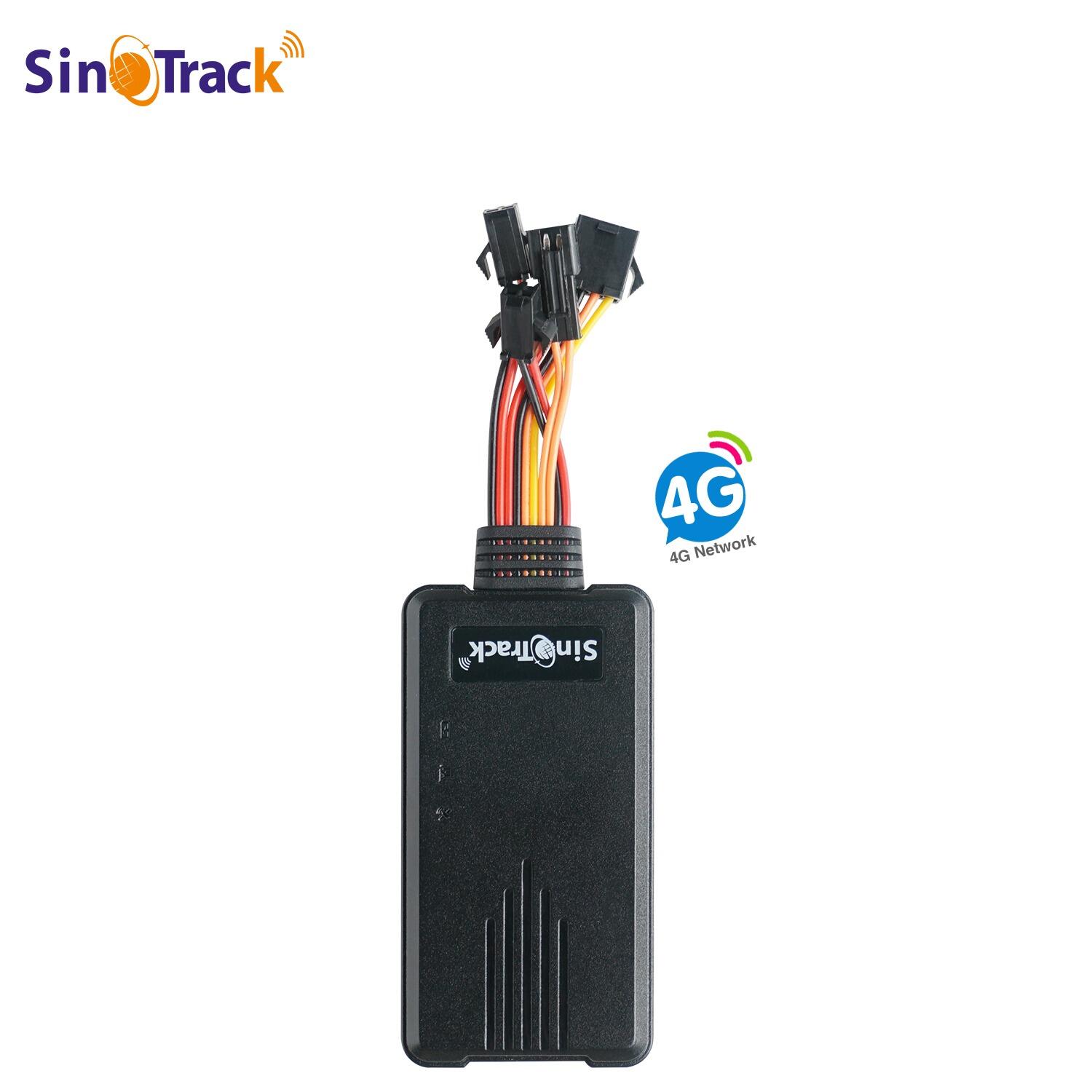
Выбор подходящего GPS-трекера для транспортного средства в 2025 году требует понимания новейших технологических достижений и того, насколько они соответствуют вашим конкретным задачам отслеживания. Развитие GPS-технологий привело к повышению точности определения местоположения, появлению возможностей мониторинга в реальном времени и внедрению сложных функций, благодаря чему современные решения для отслеживания стали мощнее, чем когда-либо ранее. Независимо от того, требуется ли вам отслеживать одно транспортное средство или управлять целым автопарком, правильный GPS-трекер для транспортного средства способен кардинально повысить эффективность ваших операций и уровень безопасности.
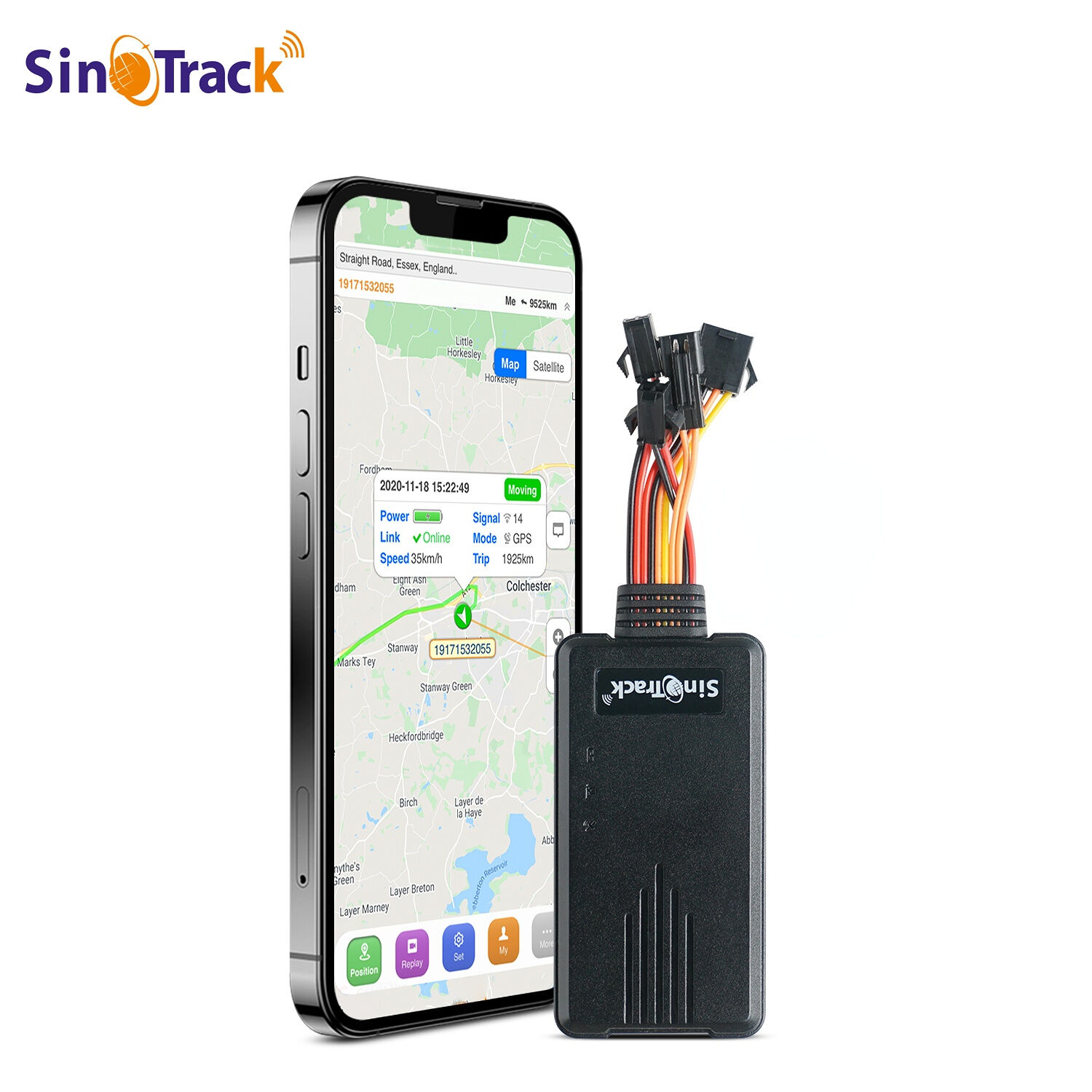
Это исчерпывающее руководство оценивает наиболее эффективные устройства GPS-слежения для транспортных средств, доступные в 2025 году, с акцентом на практические функции, обеспечивающие измеримую ценность как для бизнеса, так и для частных пользователей. От компактных моделей, подходящих для мотоциклов, до надёжных систем, разработанных для коммерческих грузовиков, понимание технических характеристик и реальных показателей работы каждого типа устройств поможет вам принять обоснованное решение, отвечающее вашим требованиям к слежению и ограничениям по бюджету.
Ключевые функции современных GPS-устройств слежения за транспортными средствами
Точность определения местоположения в реальном времени и частота обновлений
Самым важным аспектом любого GPS-устройства слежения за транспортным средством является его способность предоставлять точные данные о местоположении с минимальной задержкой. Современные устройства, как правило, обеспечивают точность определения местоположения в пределах 3–5 метров при оптимальных условиях, а интервалы обновления данных варьируются от 10 секунд до нескольких минут в зависимости от конфигурации. Современные системы используют несколько спутниковых навигационных систем, включая GPS, ГЛОНАСС и Galileo, чтобы обеспечить стабильное позиционирование даже в сложных условиях, например, в городских каньонах или в зонах с ограниченной видимостью спутников.
Частота обновлений напрямую влияет на полезность данных отслеживания, особенно для приложений, требующих немедленной реакции. Обновления с высокой частотой потребляют больше энергии аккумулятора и пропускной способности канала передачи данных, поэтому оптимальная частота зависит от конкретного случая применения. Транспортные средства экстренных служб могут требовать обновлений каждые 10 секунд, тогда как для магистральных грузоперевозок достаточно интервалов в 2 минуты при движении по автомагистралям и более частых обновлений в городских условиях.
Управление питанием и гибкость установки
Современные конструкции GPS-устройств для отслеживания транспортных средств ориентированы на универсальность монтажа и энергоэффективность. Системы с жёстким подключением (hardwired) соединяются напрямую с электрической системой транспортного средства, обеспечивая постоянное питание и позволяя реализовывать расширенные функции, такие как интеграция с диагностикой двигателя. Такой монтаж, как правило, требует профессиональной установки, однако обеспечивает наиболее полный функционал и надёжность для постоянных задач отслеживания.
Альтернативные решения с питанием от аккумуляторов обеспечивают гибкость при установке и возможность скрытого размещения, что делает их подходящими для временного отслеживания или ситуаций, когда подключение к электросети непрактично. Современные системы управления аккумуляторами в устройствах позволяют продлить срок их автономной работы до нескольких недель или месяцев в зависимости от частоты передачи данных и условий окружающей среды. Возможность зарядки от солнечных батарей в некоторых моделях дополнительно увеличивает продолжительность автономной работы транспортных средств при достаточном уровне солнечного освещения.
Технологии связи и передачи данных
Интеграция с сотовыми сетями и особенности покрытия
Эффективность любого GPS-устройства для отслеживания транспортных средств в значительной степени зависит от его возможностей сотовой связи и покрытия сети в вашем регионе эксплуатации. Современные устройства поддерживают несколько сотовых технологий, включая 4G LTE, резервное подключение через 3G и новейшую связь 5G, обеспечивающую повышенную скорость передачи данных и надёжность. Совместимость с сетями различается в зависимости от региона, поэтому при выборе устройства крайне важно убедиться, что оно поддерживает ведущих операторов связи в вашем регионе обслуживания, чтобы обеспечить стабильную работу.
Выбор тарифного плана на передачу данных существенно влияет на долгосрочные эксплуатационные расходы; объём потребления зависит от частоты отправки отчётов, требований к географическому охвату, а также дополнительных функций, таких как мониторинг поведения водителя или оповещения о необходимости технического обслуживания. Некоторые производители GPS-устройств для отслеживания транспортных средств предлагают интегрированные тарифные планы с предсказуемыми ежемесячными расходами, тогда как другие позволяют пользователям самостоятельно выбирать сторонних операторов связи с учётом требований к покрытию и ценовым предпочтениям.
Альтернативные методы связи и резервные системы
Возможности спутниковой связи обеспечивают покрытие в удалённых районах, где сотовые сети отсутствуют или работают ненадёжно. Эти системы, как правило, характеризуются более высокой стоимостью передачи данных, однако гарантируют связь в географически сложных местностях. Гибридные устройства, автоматически переключающиеся между сотовыми и спутниковыми сетями в зависимости от их доступности, обеспечивают оптимальное сочетание экономичности и всестороннего охвата.
Подключение по Wi-Fi в передовых системах позволяет синхронизировать данные при парковке транспортных средств на объектах, оснащённых беспроводными сетями, что снижает объём потребляемых сотовых данных и обеспечивает передачу крупных файлов, например подробных диагностических отчётов или обновлений прошивки. Эта возможность подключения особенно ценна для автопарков с централизованными стоянками или регулярным возвратом транспортных средств на базу.
Расширенные возможности мониторинга и варианты интеграции
Анализ поведения водителя и функции безопасности
Современные системы GPS-отслеживания транспортных средств выходят за рамки базового контроля местоположения и обеспечивают комплексный анализ поведения водителя. Датчики акселерометра и гироскопа фиксируют резкое ускорение, экстренное торможение, резкие повороты и другие режимы вождения, которые могут свидетельствовать о рисках для безопасности или неправильном использовании транспортного средства. Эти данные позволяют своевременно внедрять программы обучения водителей и значительно снижать страховые расходы благодаря подтверждённому повышению уровня безопасности.
Функция контроля скорости с настраиваемыми порогами срабатывания оповещений помогает обеспечивать соблюдение корпоративных политик и требований нормативных органов. Возможность геозоны позволяет пользователям задавать виртуальные границы и получать уведомления при входе или выходе транспортных средств из заданных зон, что способствует контролю соблюдения маршрутов и выявлению несанкционированного использования. Благодаря этим функциям простая система отслеживания превращается в комплексный инструмент управления автопарком.
Диагностика транспортных средств и интеграция технического обслуживания
Интеграция с диагностическими системами транспортных средств через разъёмы OBD-II обеспечивает расширенный мониторинг параметров двигателя, расхода топлива и потребностей в техническом обслуживании. Эта связь позволяет устройство GPS-отслеживания транспортного средства предоставлять оповещения о запланированном техническом обслуживании, диагностических кодах неисправностей и аномалиях производительности, которые могут свидетельствовать о возникающих механических проблемах.
Возможности контроля за расходом топлива помогают оптимизировать эксплуатационные затраты за счёт выявления неэффективных стилей вождения, несанкционированного использования топлива или потенциального хищения топлива. Современные системы могут сопоставлять данные о расходе топлива с информацией о маршруте и поведением водителя, чтобы предоставлять практические рекомендации по повышению эффективности автопарка и снижению эксплуатационных расходов.
Критерии выбора для различных типов транспортных средств и областей применения
Особенности установки на мотоциклы и малогабаритные транспортные средства
Для компактных транспортных средств требуются специализированные решения с учётом ограничений по габаритам, устойчивости к погодным условиям и надёжности установки. Модели GPS-трекеров, предназначенные специально для мотоциклов, как правило, имеют меньшие габариты, повышенную защиту от воздействия погодных условий и незаметные варианты крепления, которые не нарушают внешний вид транспортного средства и его аэродинамические характеристики. Для таких применений особенно важны функции защиты от угона: оповещение о вскрытии и возможность скрытого размещения являются обязательными требованиями.
Потребление энергии приобретает критическое значение в мотоциклетных приложениях, поскольку разряд аккумулятора может помешать запуску транспортного средства. Режимы пониженного энергопотребления и интеллектуальные функции «сна» позволяют сохранить заряд аккумулятора транспортного средства, не теряя при этом возможности отслеживания. Некоторые устройства предлагают функции, специально разработанные для мотоциклов, например, датчики опрокидывания и ударов, способные активировать экстренные оповещения в случае аварии.
Требования коммерческих автопарков и тяжёлых транспортных средств
Для коммерческого применения требуются надёжные системы GPS-трекинга транспортных средств, способные функционировать в суровых эксплуатационных условиях и обеспечивающие комплексные возможности управления автопарком. Повышенная прочность конструкции и расширенный диапазон рабочих температур гарантируют бесперебойную работу в сложных условиях, включая строительные площадки, сельскохозяйственные предприятия и магистральные перевозки.
Функции обеспечения соответствия нормативным требованиям становятся обязательными для коммерческих операций: встроенные электронные устройства ведения журнала (ELD), контроль времени работы водителя и системы идентификации водителей помогают соблюдать транспортное законодательство. Расширенные возможности формирования отчётов обеспечивают детальную документацию, необходимую для регуляторных проверок и страховых возмещений, а интеграция с существующим программным обеспечением для управления автопарком упрощает административные процессы.
Рекомендации по внедрению и оптимизации затрат
Планирование установки и соображения, связанные с профессиональной настройкой
Успешное развертывание GPS-устройства для отслеживания транспортных средств требует тщательного планирования мест установки, подключения к источнику питания и размещения антенны для обеспечения оптимальной производительности. Профессиональные услуги по установке позволяют воспользоваться экспертными знаниями при выборе оптимальных мест крепления, обеспечивающих баланс между качеством приема сигнала, устойчивостью к несанкционированному вмешательству и удобством доступа для технического обслуживания. Правильная установка существенно влияет на долгосрочную надежность и снижает вероятность сбоев в работе.
Документирование деталей установки — включая серийные номера устройств, места их крепления и параметры конфигурации — облегчает последующее техническое обслуживание и устранение неисправностей. Стандартизированные процедуры установки на всех транспортных средствах автопарка обеспечивают стабильную производительность и упрощают обучение техников.
Текущее управление и совокупная стоимость владения
Долгосрочный успех при использовании систем GPS-трекеров для транспортных средств требует постоянного внимания к обновлениям программного обеспечения, оптимизации тарифных планов передачи данных и техническому обслуживанию оборудования. Регулярные обновления прошивки обеспечивают совместимость устройств с развивающимися сотовыми сетями и предоставляют доступ к новым функциям, повышающим функциональность и безопасность.
Полный анализ затрат должен включать первоначальные расходы на оборудование, затраты на установку, ежемесячные сервисные сборы, а также потенциальные расходы на техническое обслуживание в течение расчётного срока службы устройства. Скидки за объём при развертывании нескольких устройств и комплексные сервисные пакеты могут значительно снизить стоимость на единицу оборудования в крупных автопарках. Регулярный анализ использования помогает оптимизировать тарифные планы передачи данных и подписки на функции в соответствии с реальными эксплуатационными потребностями.
Часто задаваемые вопросы
Какие факторы следует учитывать при выборе GPS-трекера для транспортного средства в соответствии с моими конкретными потребностями?
Наиболее важные факторы включают тип вашего транспортного средства и ограничения по его габаритам, требуемую частоту и точность отслеживания, качество сотового покрытия в вашем регионе эксплуатации, энергетические требования и предпочтения по установке, бюджет на первоначальную покупку и текущие расходы на обслуживание, а также конкретные функции, необходимые вам, например, мониторинг поведения водителя или оповещения о техническом обслуживании. Оцените, требуется ли вам отслеживание в реальном времени или достаточно периодических обновлений, а также проанализируйте возможности формирования отчётов и отправки оповещений, соответствующие вашим задачам мониторинга.
Как современные GPS-устройства слежения для транспортных средств работают в зонах с плохим сотовым покрытием?
Современные системы GPS-отслеживания транспортных средств используют несколько стратегий для поддержания работоспособности в зонах с ограниченным покрытием сотовой связи. Многие устройства сохраняют данные о местоположении локально при отсутствии соединения и передают накопленную информацию, когда сотовая связь восстанавливается. Некоторые модели поддерживают несколько сотовых операторов и автоматически переключаются на самый сильный доступный сигнал, а премиальные системы могут включать резервную спутниковую связь для действительно удалённых районов, где сотовое покрытие отсутствует полностью.
Какие варианты установки доступны для различных типов транспортных средств?
Варианты установки варьируются от простого подключения «plug-and-play» к порту OBD-II для базового отслеживания до систем с жёстким подключением, интегрируемых в электрическую систему транспортного средства для расширенных функций. Устройства с питанием от аккумулятора обеспечивают максимальную гибкость монтажа и могут быть размещены незаметно без подключения к электросети, тогда как устройства с питанием от солнечных батарей продлевают срок службы аккумулятора для транспортных средств, эксплуатируемых при достаточном уровне солнечного освещения. Профессиональные услуги по установке позволяют реализовать индивидуальные решения крепления и обеспечить оптимальное размещение антенны для надёжного приёма сигнала.
Как я могу оптимизировать текущие расходы и производительность моей системы GPS-отслеживания транспортных средств?
Оптимизация затрат включает выбор подходящих частот формирования отчётов, обеспечивающих баланс между потребностями в мониторинге и стоимостью использования данных, выбор тарифных планов, соответствующих вашим реальным моделям потребления данных, а также регулярный анализ подписок на функции с целью исключения ненужных услуг. Оптимизация производительности включает правильное размещение антенн, своевременное обновление прошивки, контроль уровня заряда батарей в портативных устройствах, а также периодическую оценку уровня сигнала для выявления зон, где покрытие может быть недостаточным. Регулярное техническое обслуживание и проактивный мониторинг состояния устройств позволяют предотвратить перебои в работе сервисов и продлить срок службы оборудования.
Содержание
- Ключевые функции современных GPS-устройств слежения за транспортными средствами
- Технологии связи и передачи данных
- Расширенные возможности мониторинга и варианты интеграции
- Критерии выбора для различных типов транспортных средств и областей применения
- Рекомендации по внедрению и оптимизации затрат
-
Часто задаваемые вопросы
- Какие факторы следует учитывать при выборе GPS-трекера для транспортного средства в соответствии с моими конкретными потребностями?
- Как современные GPS-устройства слежения для транспортных средств работают в зонах с плохим сотовым покрытием?
- Какие варианты установки доступны для различных типов транспортных средств?
- Как я могу оптимизировать текущие расходы и производительность моей системы GPS-отслеживания транспортных средств?