
 EN
EN
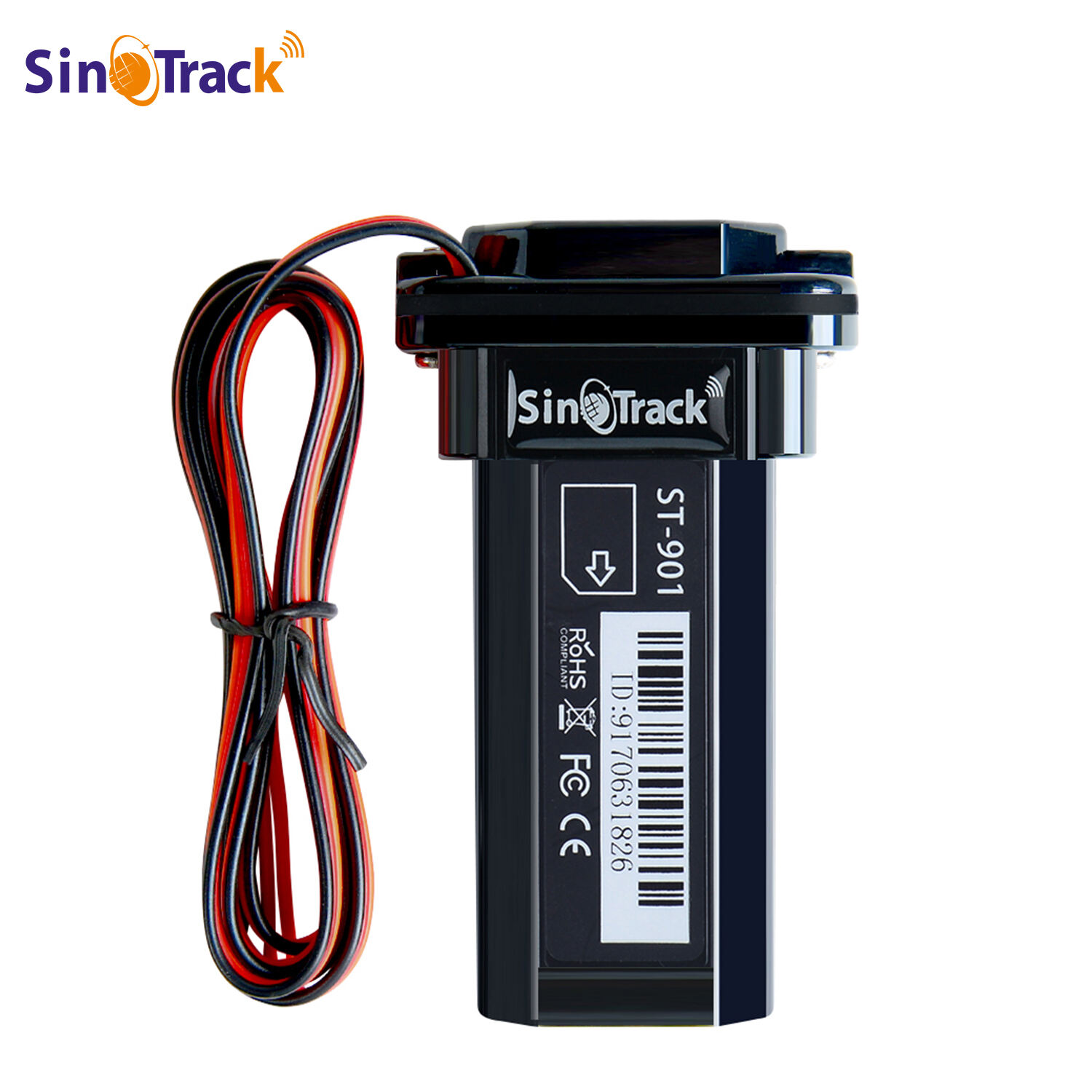
Encontrar o rastreador GPS 4G ideal em 2025 exige compreender os mais recentes avanços tecnológicos e as tendências de mercado que transformaram as soluções de rastreamento de veículos e ativos. Os modernos dispositivos rastreadores GPS 4G oferecem conectividade aprimorada, maior precisão e vida útil estendida da bateria em comparação com seus antecessores, tornando-se ferramentas essenciais para gestão de frotas, segurança de veículos particulares e proteção de ativos. O mercado de 2025 apresenta inúmeras opções com diferentes funcionalidades, faixas de preço e capacidades, atendendo às diversas necessidades e orçamentos de rastreamento.
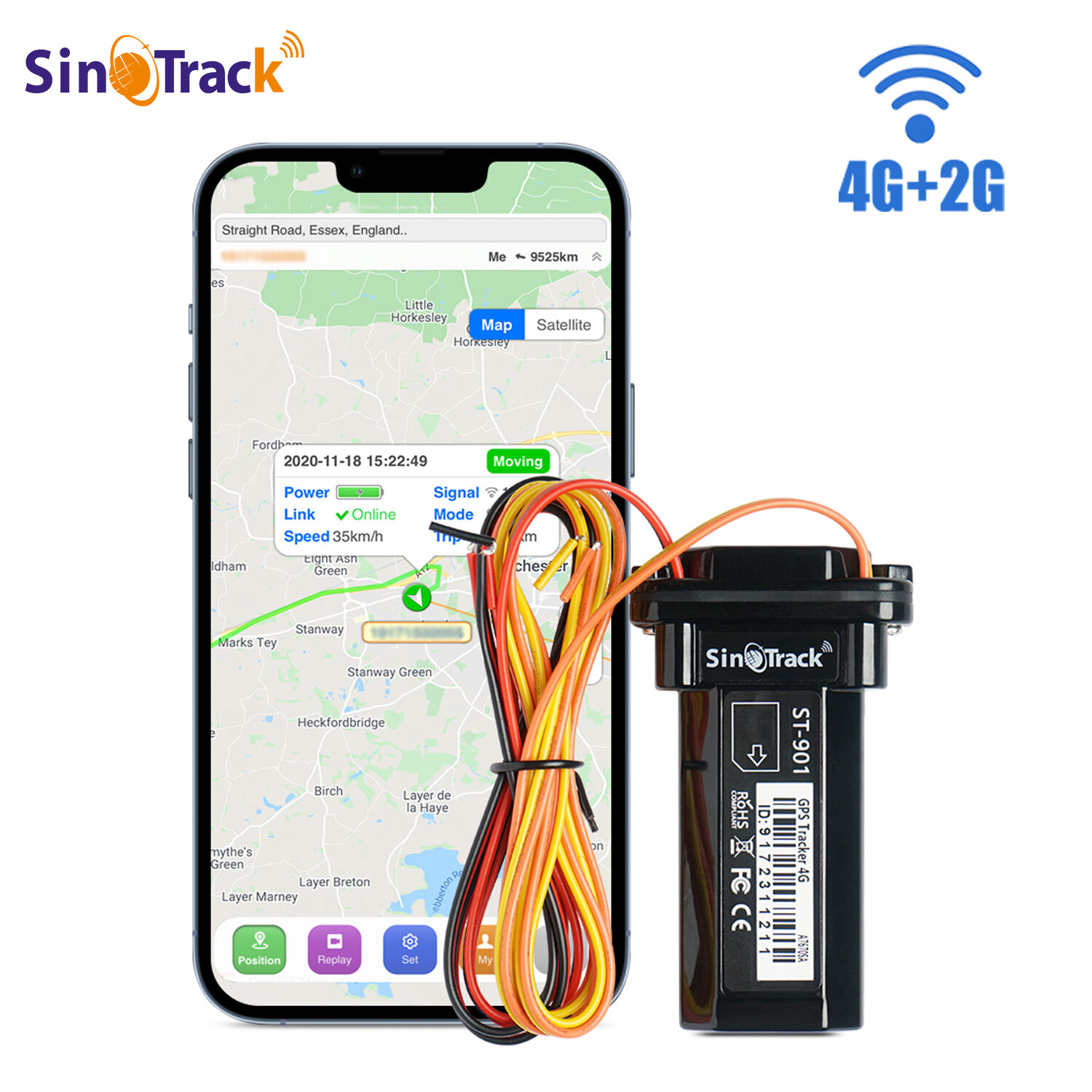
Este guia abrangente de compras analisa os fatores críticos que determinam o melhor rastreador GPS 4G para suas necessidades específicas, desde especificações técnicas e compatibilidade de rede até considerações de instalação e custos operacionais contínuos. Seja para operações comerciais de frotas, segurança de veículos pessoais ou monitoramento de ativos de alto valor, compreender esses principais critérios de seleção ajudará você a tomar uma decisão de compra informada, garantindo valor a longo prazo e desempenho confiável.
Recursos Essenciais dos Rastreadores GPS 4G Modernos
Conectividade e Desempenho da Rede
A base de qualquer rastreador GPS 4G eficaz reside em suas capacidades de conectividade celular, que determinam a confiabilidade da comunicação em tempo real e a velocidade de transmissão de dados. Os modernos dispositivos rastreadores GPS 4G utilizam redes LTE para oferecer taxas de transferência de dados mais rápidas e conexões mais estáveis em comparação com as antigas tecnologias 3G. A compatibilidade com redes de múltiplos operadores garante a operação contínua mesmo em áreas com cobertura limitada de um único provedor.
Modelos avançados de rastreadores GPS 4G possuem conectividade de modo duplo, que alterna automaticamente entre redes 4G e 3G com base na intensidade e disponibilidade do sinal. Essa redundância evita interrupções no rastreamento e mantém atualizações de localização consistentes, independentemente das condições da rede. Alguns dispositivos premium também incorporam conectividade WiFi como método alternativo de comunicação, aumentando ainda mais a confiabilidade em ambientes desafiadores.
A qualidade das antenas celulares e da tecnologia de amplificação de sinal impacta diretamente o desempenho de um rastreador GPS 4G em locais remotos ou áreas com cobertura celular fraca. Antenas de alto ganho e algoritmos avançados de processamento de sinal ajudam a manter conexões em garagens subterrâneas, áreas rurais e ambientes urbanos densos, onde a interferência de sinal é comum.
Precisão do GPS e Tecnologia de Posicionamento
A precisão de posicionamento representa um diferencial crucial entre as opções de rastreadores GPS 4G, sendo que os melhores dispositivos alcançam uma precisão de localização de 3 a 5 metros em condições ideais. Os rastreadores modernos incorporam suporte a múltiplas constelações de satélites, incluindo os sistemas GPS, GLONASS, Galileo e BeiDou, para melhorar a precisão e reduzir o tempo até a primeira fixação em ambientes desafiadores.
Modelos avançados de rastreadores GPS 4G possuem tecnologia GPS assistido que utiliza triangulação por torres celulares e posicionamento por WiFi para manter a precisão de localização quando os sinais por satélite são fracos ou indisponíveis. Essa abordagem híbrida garante capacidade contínua de rastreamento em ambientes internos, túneis e áreas com obstrução significativa do sinal por satélite.
A integração de unidades de medição inercial e acelerômetros em dispositivos premium de rastreadores GPS 4G fornece capacidades de navegação por estimativa (dead reckoning) que mantêm estimativas de localização durante perda temporária do sinal por satélite. Esses sensores também permitem recursos avançados, como detecção de impacto, monitoramento de comportamento de condução agressiva e análise precisa de movimento, para soluções abrangentes de rastreamento veicular.
Gestão de Energia e Considerações sobre Bateria
Otimização da Duração da Bateria
O desempenho da bateria influencia significativamente a usabilidade prática de qualquer rastreador GPS 4G, especialmente em aplicações de rastreamento sigiloso ou em ativos sem fontes de energia facilmente acessíveis. Os dispositivos modernos empregam sistemas inteligentes de gerenciamento de energia que ajustam a frequência de transmissão e as taxas de sondagem do GPS com base no status de movimento e nos níveis de bateria, visando maximizar o tempo de operação.
Os melhores modelos de rastreadores GPS 4G apresentam tempos de espera que variam de vários dias a várias semanas, dependendo dos intervalos de relatório e das funcionalidades ativas. Modos de suspensão e relatórios ativados por movimento ajudam a preservar a vida útil da bateria, reduzindo o consumo de energia durante períodos de inatividade, ao mesmo tempo que mantêm a capacidade de responder rapidamente a eventos de movimento ou adulteração.
Gerenciamento avançado de energia em modelos premium rastreador GPS 4G os dispositivos incluem capacidades de carregamento solar, conexões magnéticas para carregamento e alertas de bateria fraca que evitam interrupções inesperadas no rastreamento. Esses recursos garantem operação contínua e reduzem os requisitos de manutenção para implantações de longo prazo.
Integração da Fonte de Energia
As instalações de rastreadores GPS 4G integrados ao veículo se beneficiam da conexão direta ao sistema elétrico do veículo, proporcionando tempo de operação ilimitado sem preocupações relacionadas à bateria. As instalações com fiação fixa normalmente oferecem recursos mais avançados, como diagnóstico do motor, monitoramento de combustível e integração com o controle da ignição, os quais unidades alimentadas por bateria não conseguem suportar.
Os dispositivos portáteis de rastreamento GPS 4G dependem de baterias internas e devem equilibrar o consumo de energia com a funcionalidade dos recursos para alcançar períodos operacionais aceitáveis. Projetos com baterias removíveis permitem implantações estendidas mediante rotação das baterias, enquanto unidades seladas priorizam resistência às intempéries e proteção contra adulterações em vez da acessibilidade da bateria.
Sistemas de alimentação de reserva de emergência em instalações profissionais de rastreadores GPS 4G evitam interrupções no rastreamento durante manutenção do veículo, desconexão da bateria ou tentativas de adulteração. Esses sistemas de reserva normalmente fornecem várias horas de operação contínua, tempo suficiente para detectar e responder a possíveis incidentes de segurança.
Opções de Instalação e Implantação
Complexidade e Requisitos de Instalação
O processo de instalação de um rastreador GPS 4G varia significativamente conforme o design do dispositivo e a aplicação pretendida, indo desde uma simples fixação magnética até uma integração complexa com fiação direta nos sistemas do veículo. Os dispositivos plug-and-play para porta OBD-II oferecem o método de instalação mais simples, não exigindo conhecimentos técnicos nem ferramentas específicas, ao mesmo tempo que fornecem acesso aos dados de diagnóstico do veículo e à sua fonte de energia.
As opções de instalação discreta para dispositivos rastreadores GPS 4G incluem formatos compactos que podem ser ocultados no interior do veículo, sob componentes do chassi ou dentro das áreas de carga. Essas instalações priorizam sigilo e resistência à adulteração, mas podem sacrificar alguma funcionalidade ou facilidade de manutenção em comparação com locais de montagem mais acessíveis.
As instalações profissionais com fiação direta integram o rastreador GPS 4G diretamente aos sistemas elétricos do veículo, permitindo recursos avançados, como controle remoto do motor, travamento das portas e monitoramento abrangente do veículo. Essas instalações exigem conhecimento técnico especializado, mas oferecem as soluções de rastreamento mais confiáveis e completas em termos de funcionalidades, destinadas a aplicações comerciais e de alto valor.
Proteção Ambiental e Durabilidade
A resistência às condições climáticas e à proteção ambiental determina os locais adequados para implantação e a longevidade de qualquer instalação de rastreador GPS 4G. Classificações de proteção contra intrusão IP65 ou superiores garantem operação confiável em ambientes externos expostos à chuva, poeira e extremos de temperatura, comumente encontrados em aplicações de rastreamento de veículos e ativos.
As especificações de resistência a choques e vibrações indicam a capacidade de um rastreador GPS 4G de suportar as tensões mecânicas associadas à operação de veículos, equipamentos de construção e implantação de ativos móveis. Especificações de nível militar e componentes qualificados para automotivo oferecem maior garantia de confiabilidade a longo prazo em ambientes exigentes.
As faixas de temperatura operacional para dispositivos rastreadores GPS 4G de grau industrial normalmente variam de -40 °C a +85 °C, permitindo sua implantação em climas extremos e aplicações especializadas, como transporte refrigerado ou monitoramento de equipamentos externos. Revestimento conformal e invólucros reforçados protegem os componentes eletrônicos internos contra umidade, corrosão e danos físicos.
Recursos de Software e Capacidades de Gerenciamento
Integração com Plataforma de Rastreamento
A plataforma de software que acompanha um rastreador GPS 4G determina a experiência do usuário e as funcionalidades disponíveis para monitoramento e gerenciamento de ativos rastreados. As plataformas modernas oferecem acesso baseado na web, juntamente com aplicativos móveis que fornecem atualizações em tempo real da localização, dados históricos de rastreamento e configurações personalizáveis de alertas para um gerenciamento abrangente de frotas ou ativos.
Recursos avançados de relatórios em plataformas profissionais de rastreadores GPS 4G incluem análises detalhadas sobre a utilização dos veículos, otimização de rotas, agendamento de manutenção e monitoramento do comportamento dos motoristas. Esses recursos transformam o rastreamento básico de localização em ferramentas abrangentes de gestão de frotas que melhoram a eficiência operacional e reduzem custos.
As capacidades de integração com sistemas empresariais existentes permitem que os dados dos rastreadores GPS 4G aprimorem o atendimento ao cliente, o planejamento logístico e os relatórios sobre a utilização de ativos. O acesso à API e as integrações com terceiros ampliam a funcionalidade além do rastreamento básico, incluindo otimização de despacho, gestão de manutenção e análise de desempenho.
Sistemas de Alerta e Notificações
Sistemas de alerta personalizáveis representam uma funcionalidade crítica para qualquer implantação eficaz de rastreador GPS 4G, permitindo notificação imediata de incidentes de segurança, necessidades de manutenção ou anomalias operacionais. As capacidades de geofencing criam limites virtuais que acionam alertas quando ativos entram ou saem de áreas designadas, apoiando tanto o monitoramento de segurança quanto a conformidade operacional.
O monitoramento de velocidade e a detecção de comportamentos de condução agressiva em sistemas avançados de rastreador GPS 4G ajudam a melhorar a segurança dos motoristas e a reduzir os custos operacionais dos veículos por meio de intervenção precoce e feedback de desempenho. Esses recursos identificam padrões de aceleração, frenagem e curvas que indicam comportamentos de condução arriscados ou possíveis necessidades de manutenção do veículo.
A entrega de notificações multicanal garante que alertas críticos cheguem ao pessoal apropriado por meio de e-mail, SMS, notificações push no aplicativo móvel ou chamadas telefônicas automatizadas. Os procedimentos de escalonamento e os métodos alternativos de notificação evitam que alertas importantes de segurança ou operacionais sejam ignorados fora do horário comercial ou em caso de falhas na comunicação.
Análise de Custos e Considerações de Valor
Custos Iniciais de Aquisição e Configuração
O investimento inicial para um rastreador GPS 4G de qualidade inclui o preço de aquisição do dispositivo, os custos de instalação e as taxas iniciais de configuração da plataforma, que variam significativamente conforme as capacidades do dispositivo e a complexidade da instalação. Dispositivos básicos plug-and-play começam em torno de USD 50–100, enquanto sistemas profissionais com fiação fixa e recursos avançados podem custar USD 200–500 ou mais por unidade.
Descontos por volume para implantações em frota e preços promocionais para múltiplos dispositivos podem reduzir substancialmente os custos por unidade em instalações maiores de rastreadores GPS 4G. Os serviços profissionais de instalação normalmente acrescentam de $100 a $300 por dispositivo, mas garantem a integração adequada com os sistemas do veículo e o posicionamento ideal para recepção de sinal e resistência à adulteração.
Requisitos adicionais de hardware, como antenas externas, chicotes de fiação ou suportes de fixação, podem aumentar os custos totais do sistema, mas frequentemente melhoram o desempenho e a confiabilidade em ambientes de instalação desafiadores. Esses acessórios devem ser incluídos nos cálculos de custo total ao comparar opções de rastreadores GPS 4G.
Despesas Operacionais Contínuas
As taxas mensais de serviço para operação de rastreadores GPS 4G normalmente variam de $10 a $50 por dispositivo, dependendo do consumo de dados, das funcionalidades da plataforma e dos requisitos de nível de serviço. Planos com dados ilimitados oferecem custos previsíveis, mas podem ser desnecessários para aplicações básicas de rastreamento com intervalos de relatório pouco frequentes.
Os custos de licenciamento de plataforma e de assinatura de software variam entre os fornecedores de rastreadores GPS 4G, sendo que alguns incluem o acesso básico à web nas taxas mensais, enquanto outros cobram separadamente por funcionalidades avançadas, como relatórios detalhados, acesso à API ou capacidades de integração. Contratos de longo prazo frequentemente oferecem taxas mensais reduzidas, mas limitam a flexibilidade para adaptações às necessidades cambiantes.
Os custos de manutenção e substituição devem ser considerados nos cálculos do custo total de propriedade (TCO) para implantações de rastreadores GPS 4G, especialmente em dispositivos alimentados por bateria, que exigem substituição periódica da bateria, ou em dispositivos expostos a condições ambientais severas, que podem reduzir a vida útil operacional.
Perguntas Frequentes
Qual é a duração típica da bateria de um rastreador GPS 4G?
A duração da bateria de um rastreador GPS 4G varia significativamente conforme a frequência de relatórios e os recursos do dispositivo, com a maioria dos dispositivos oferecendo 2 a 4 semanas de operação em condições normais de uso. Dispositivos com relatórios ativados por movimento e modos de suspensão podem estender a duração da bateria para 2 a 3 meses, enquanto aplicações de rastreamento de alta frequência podem exigir recarga semanal ou conexão direta à fonte de alimentação.
Qual é a precisão do rastreamento de localização com rastreadores GPS 4G modernos?
Os dispositivos modernos de rastreamento GPS 4G normalmente alcançam uma precisão de localização de 3 a 10 metros em condições ideais, com boa visibilidade dos satélites. A precisão pode ser reduzida em áreas urbanas com edifícios altos (‘cânions urbanos’), ambientes internos ou locais com densa cobertura arbórea, mas o GPS assistido e o suporte a múltiplas constelações ajudam a manter uma precisão razoável mesmo em condições desfavoráveis.
Os rastreadores GPS 4G podem funcionar internacionalmente?
A funcionalidade internacional depende do modelo específico do rastreador GPS 4G e do suporte da operadora de telefonia móvel, com muitos dispositivos oferecendo itinerância global por meio de planos de dados internacionais. No entanto, os usuários devem verificar a compatibilidade com a rede e as tarifas de itinerância antes de viajar para o exterior, pois alguns dispositivos estão bloqueados para operadoras específicas ou regiões geográficas.
Quais custos mensais devo esperar para o serviço de rastreador GPS 4G?
Os custos mensais do serviço de um rastreador GPS 4G normalmente variam entre USD 15 e USD 40 por dispositivo, incluindo conectividade de dados móveis e acesso básico à plataforma de rastreamento. Recursos avançados, como relatórios detalhados, acesso à API ou suporte ao cliente premium, podem gerar taxas mensais adicionais, enquanto descontos por frota em volume podem reduzir o custo por dispositivo em implantações maiores.