
 EN
EN
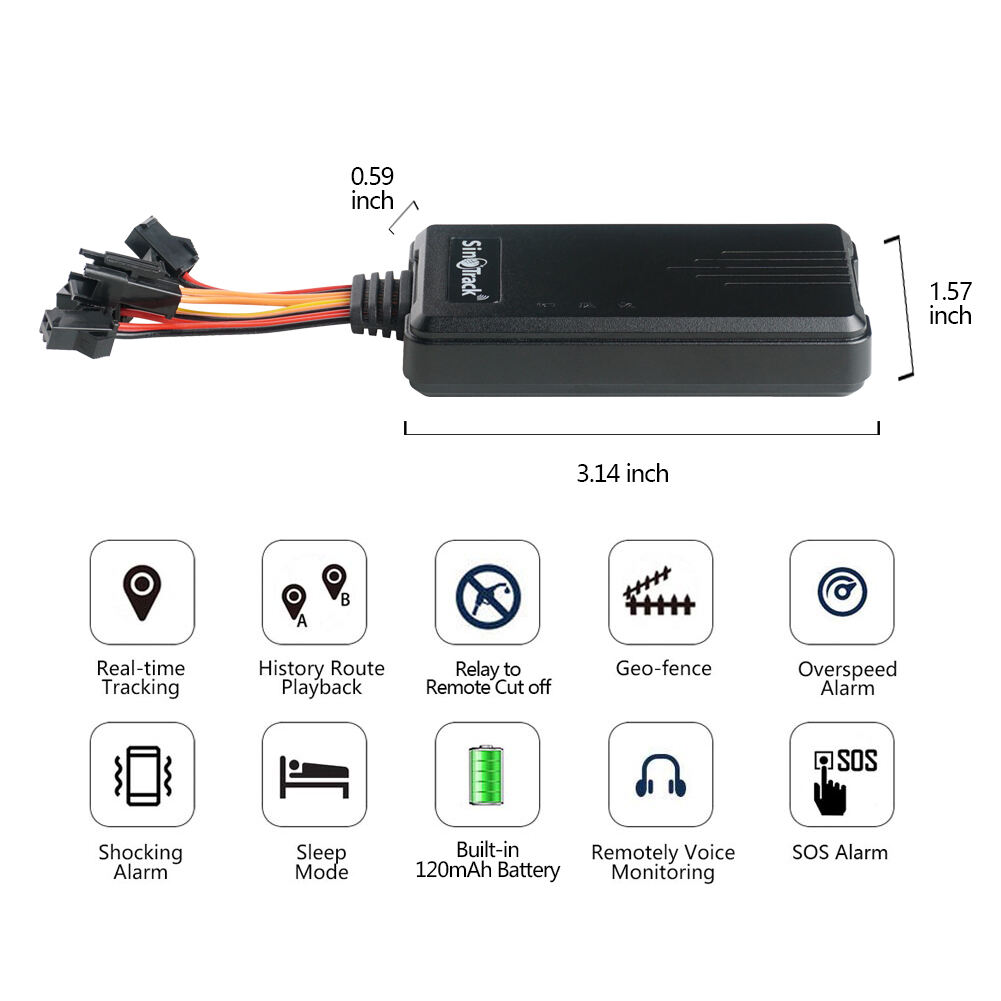
Mini GPS trackers have transformed how users monitor their valuable assets, with real-world experience in 2025 revealing remarkable performance improvements over previous generations. These compact tracking solutions deliver precise location data while maintaining extended battery life, making them essential tools for vehicle monitoring, personal safety, and asset protection. User feedback consistently highlights their reliability in challenging environments and seamless integration with modern smartphone applications.
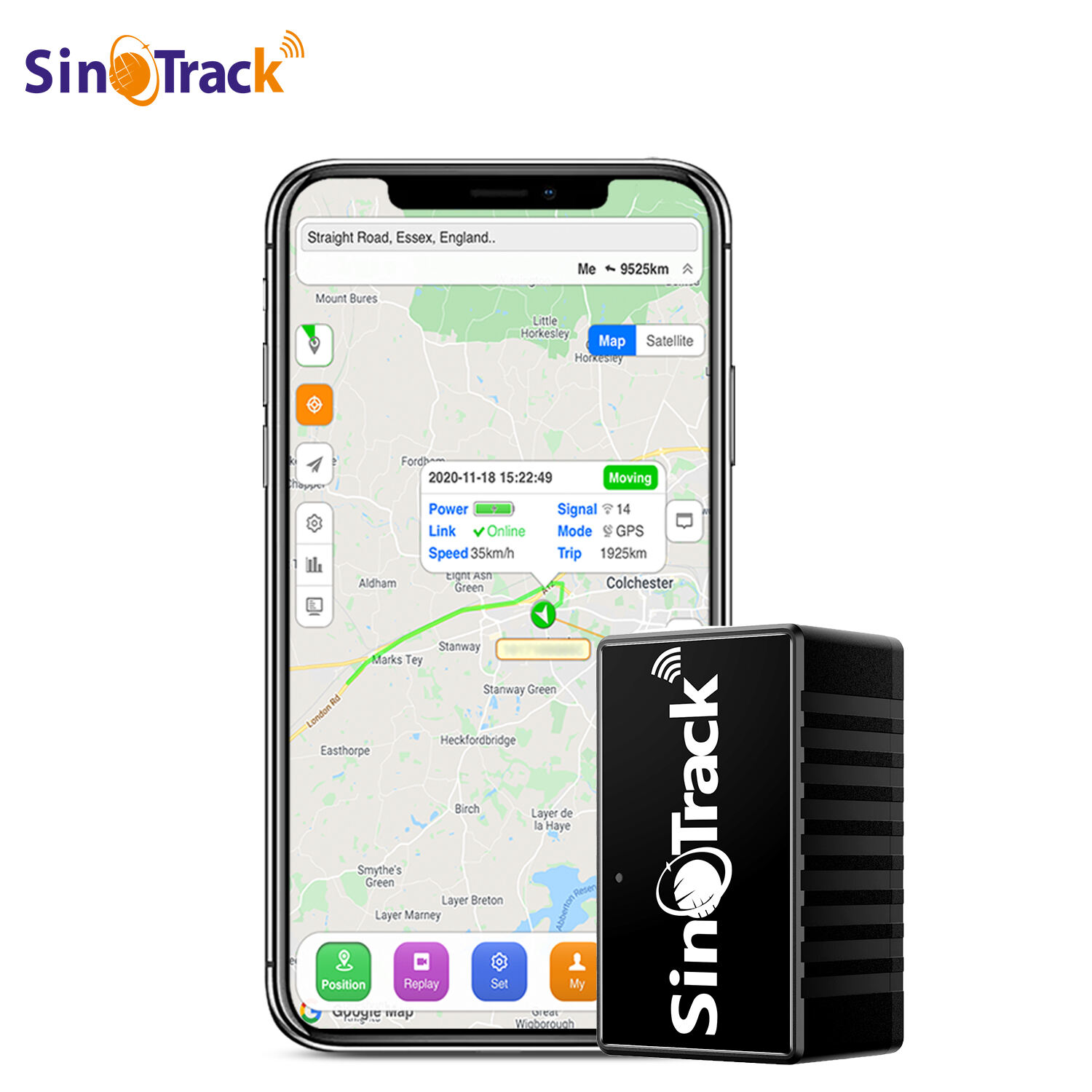
Based on comprehensive user testing throughout 2025, mini GPS trackers demonstrate exceptional versatility across multiple applications. Vehicle owners report significant peace of mind when using these devices for theft protection, while parents appreciate the discreet monitoring capabilities for family safety. The evolution of these tracking devices has addressed previous concerns about signal accuracy and battery performance, with current models delivering professional-grade results in compact form factors.
Real-World Performance Analysis from 2025 Users
Accuracy Testing in Various Environments
User reports from urban testing environments show that modern mini GPS trackers achieve location accuracy within 3-5 meters under optimal conditions. Vehicle tracking device performance remains consistent even in challenging scenarios such as underground parking structures and dense metropolitan areas. Field testing conducted by users across different geographical regions confirms that satellite reception maintains stability during extended monitoring periods.
Rural and remote area testing reveals that these tracking devices adapt effectively to varying signal conditions. Users operating in mountainous regions report reliable connectivity, while those in coastal areas note minimal interference from environmental factors. The enhanced antenna design in current models addresses previous limitations that affected tracking precision in challenging terrain.
Battery Life and Power Management
Extended battery testing throughout 2025 demonstrates significant improvements in power efficiency compared to earlier models. Users consistently report 15-20 days of active tracking under normal usage patterns, with standby modes extending operational time to several weeks. This enhanced battery performance makes mini GPS trackers practical for long-term vehicle monitoring applications without frequent maintenance requirements.
Power management features receive positive feedback from users who appreciate customizable reporting intervals. The ability to adjust update frequency based on specific monitoring needs allows users to optimize battery life while maintaining adequate tracking coverage. Vehicle tracking device users particularly value the low-power sleep modes that activate during stationary periods.
Signal Reliability and Coverage
Comprehensive signal testing across different network providers shows that modern mini GPS trackers maintain reliable connectivity in most service areas. Users report consistent data transmission even during high-traffic periods when network congestion typically affects other connected devices. The multi-network compatibility ensures seamless operation regardless of the primary carrier's service limitations.
Indoor tracking performance improvements address previous user concerns about signal penetration in buildings and enclosed spaces. While complete indoor accuracy remains challenging for all GPS technologies, users note that current tracking devices provide approximate location data sufficient for general monitoring purposes. Vehicle tracking applications benefit from enhanced signal recovery when devices move from indoor to outdoor environments.
User Interface and Mobile Application Experience
App Navigation and Feature Access
Mobile application reviews highlight intuitive interface design that simplifies complex tracking functions for everyday users. The streamlined navigation allows quick access to essential features such as real-time location viewing, historical route analysis, and alert configuration. Users appreciate the clear visual presentation of tracking data without overwhelming technical information that might confuse non-technical operators.
Customization options within the mobile interface receive consistent praise from users who manage multiple tracking devices. The ability to assign custom names, icons, and alert parameters for different assets streamlines the monitoring process for complex tracking scenarios. Vehicle tracking device management becomes significantly more efficient when users can organize and categorize their monitored assets through personalized interface settings.
Alert System Functionality
Real-time notification testing reveals that modern alert systems deliver timely warnings without excessive false alarms. Users report that geofence boundary detection accuracy has improved substantially, reducing unnecessary notifications while maintaining security effectiveness. The graduated alert system allows users to prioritize different types of notifications based on their specific monitoring requirements.
Emergency alert functionality receives particular attention from users concerned about personal safety and asset security. The instant notification capability ensures that critical events trigger immediate alerts across multiple communication channels. Users value the reliability of these emergency features, especially when monitoring valuable vehicles or ensuring family member safety during travel.
Installation and Setup Experience
Physical Installation Process
User feedback consistently emphasizes the straightforward installation process that requires minimal technical expertise. The compact size of modern mini GPS trackers allows discreet placement in vehicles without extensive modification or professional installation services. Users appreciate the magnetic mounting options that enable quick deployment and removal when necessary.
Weatherproofing and durability testing throughout 2025 confirms that these devices withstand typical environmental exposure without performance degradation. Users operating in harsh weather conditions report continued functionality during temperature extremes, moisture exposure, and vibration stress. Vehicle tracking device applications particularly benefit from this enhanced environmental resistance during long-term deployment scenarios.
Network Configuration and Activation
Initial setup procedures receive positive reviews for their simplified activation process that guides users through network configuration without technical complications. The automated carrier detection and connection establishment reduces setup time while ensuring optimal network performance. Users appreciate the clear instruction documentation that accompanies each device.
Account creation and device registration processes streamline the transition from purchase to active monitoring. Users report that the online registration system operates efficiently, with most activations completing within minutes of initial setup. The integration between hardware activation and mobile application access creates a seamless user experience from the first use.
Practical Applications and Use Case Analysis
Vehicle Security and Fleet Management
Vehicle owners consistently report enhanced security confidence when using mini GPS trackers for theft prevention and recovery assistance. The discrete installation capabilities ensure that tracking devices remain undetected while providing continuous monitoring coverage. Users note that the psychological deterrent effect complements the technical tracking capabilities when protecting valuable vehicles.
Fleet management applications demonstrate significant operational benefits according to business users implementing these tracking solutions. The ability to monitor multiple vehicles through a single interface streamlines logistics coordination and improves operational efficiency. Vehicle tracking device integration with existing business systems enhances productivity while reducing administrative overhead associated with manual fleet monitoring.
Personal Safety and Asset Protection
Personal safety applications receive strong endorsements from users who value the peace of mind provided by discrete tracking capabilities. Parents monitoring teenage drivers report improved communication and safety awareness through location sharing features. The emergency contact integration ensures that family members can access location information during critical situations.
Asset protection extends beyond vehicles to include valuable equipment, recreational vehicles, and portable assets that require monitoring. Users managing construction equipment, boats, and recreational vehicles appreciate the versatile mounting options and extended battery life that support diverse monitoring requirements. The tracking accuracy supports insurance claims and recovery efforts when theft or loss occurs.
Cost-Benefit Analysis and Value Assessment
Purchase Price and Operating Costs
Economic analysis from 2025 users reveals favorable cost-benefit ratios when comparing purchase price and monthly service fees against potential loss prevention. The initial investment in mini GPS tracking technology typically recovers within the first year through insurance premium reductions and theft prevention value. Users appreciate the transparent pricing structure without hidden fees or unexpected service charges.
Operating cost comparisons demonstrate that modern tracking services offer competitive monthly fees while delivering enhanced functionality compared to previous generation systems. The improved battery life reduces replacement costs, while enhanced reliability minimizes service interruption expenses. Vehicle tracking device users particularly benefit from the extended operational lifespan that reduces total cost of ownership over multi-year deployment periods.
Return on Investment Considerations
Long-term value assessment shows that mini GPS trackers provide measurable returns through multiple benefit categories including theft prevention, insurance savings, and operational efficiency improvements. Users report that the peace of mind value alone justifies the ongoing service costs, while the practical benefits create additional value streams.
Business applications demonstrate clear productivity improvements that translate into quantifiable economic benefits. Fleet operators report reduced fuel costs through optimized routing, improved customer service through accurate arrival estimates, and enhanced asset utilization through better visibility into equipment deployment. These operational improvements create sustainable value streams that support continued investment in tracking technology.
FAQ
How accurate are mini GPS trackers in real-world conditions?
Based on extensive 2025 user testing, mini GPS trackers typically achieve 3-5 meter accuracy under optimal conditions, with performance remaining reliable even in challenging urban environments. Vehicle tracking device accuracy may vary slightly in areas with limited satellite visibility, but modern devices maintain sufficient precision for most monitoring applications including theft prevention and general location awareness.
What battery life can users expect from current mini GPS trackers?
Real-world testing throughout 2025 shows that users consistently achieve 15-20 days of active tracking under normal usage patterns. Battery performance extends significantly when devices utilize power-saving modes during stationary periods, with some users reporting several weeks of operation between charges depending on their specific monitoring requirements and update frequency settings.
Are mini GPS trackers suitable for vehicle theft prevention?
User experience data confirms that mini GPS trackers provide effective theft prevention capabilities through discrete installation options and reliable location reporting. While no tracking device can prevent theft entirely, users report that these systems significantly improve recovery chances and provide valuable evidence for insurance claims. The combination of real-time alerts and historical tracking data creates multiple layers of protection for valuable vehicles.
How difficult is it to install and set up a mini GPS tracker?
User feedback consistently indicates that modern mini GPS trackers feature straightforward installation processes requiring minimal technical expertise. Most users complete physical installation and network activation within 30 minutes using the provided documentation and mobile application guidance. The simplified setup procedures and automated network configuration eliminate most technical barriers that previously complicated tracking device deployment.