
 EN
EN
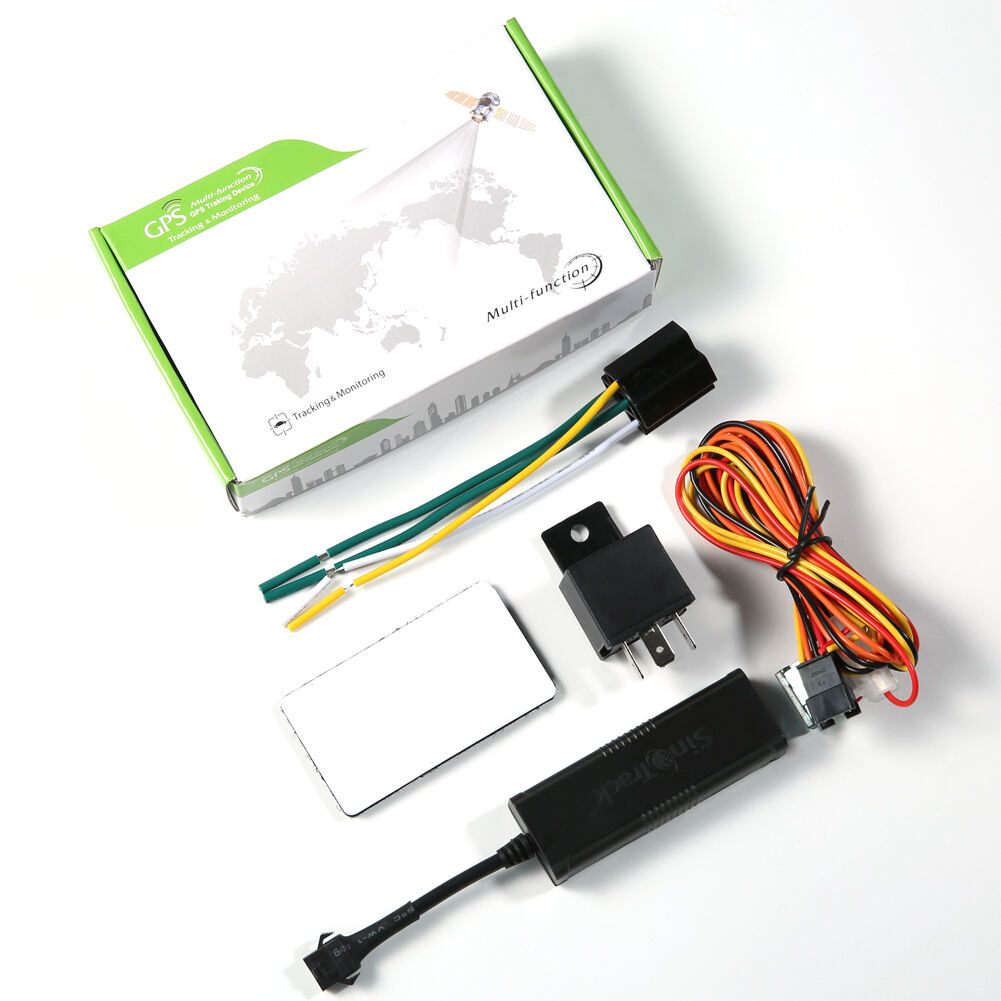
When choosing between a dedicated car GPS tracker and smartphone apps for vehicle monitoring, the decision significantly impacts security effectiveness, battery life, and tracking reliability. While phone apps offer convenience and immediate accessibility, dedicated GPS tracker devices provide superior accuracy, independent power sources, and professional-grade security features that smartphone solutions cannot match.
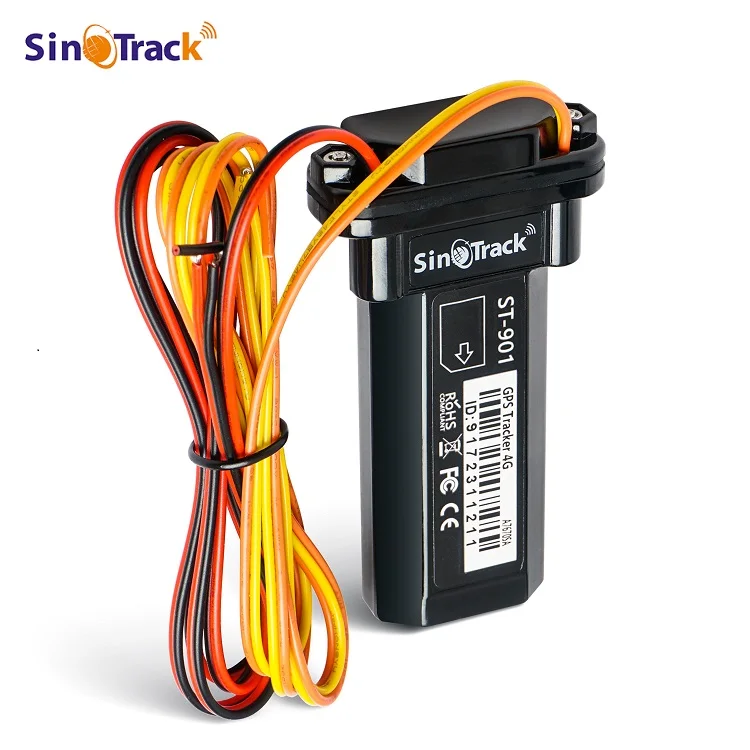
The fundamental difference between these tracking methods lies in their design purpose and operational capabilities. A GPS tracker built specifically for vehicles operates independently of personal devices, while phone apps depend entirely on smartphone functionality and user behavior. This distinction creates cascading effects on performance, security, and practical usability that determine which solution truly wins for different scenarios.
Hardware Independence and Reliability Advantages
Dedicated Power Source Benefits
A dedicated GPS tracker connects directly to your vehicle's electrical system, ensuring continuous operation regardless of smartphone battery status. This hardware independence eliminates the most common failure point of phone-based tracking systems. When your phone dies, gets damaged, or is deliberately removed, a hardwired GPS tracker continues monitoring your vehicle's location and status.
Professional GPS tracker units typically feature backup batteries that maintain functionality even when main vehicle power is disconnected. This redundancy provides security coverage during theft attempts where criminals disconnect the car battery or attempt to disable electrical systems. Phone apps cannot offer this level of power independence since they rely entirely on smartphone battery life and charging habits.
The reliability advantage extends to temperature resistance and environmental durability. Automotive GPS tracker devices undergo testing for extreme temperatures, vibration, and moisture exposure that smartphones are not designed to handle. This engineering focus ensures consistent performance in harsh automotive environments where phones might fail or require constant replacement.
Signal Processing and Accuracy Differences
Dedicated GPS tracker hardware typically incorporates more sensitive antenna designs and signal processing capabilities compared to smartphone GPS components. This specialized hardware configuration results in faster satellite acquisition, more accurate position reporting, and better performance in challenging signal environments like urban canyons or covered parking structures.
The gps tracker systems often integrate multiple positioning technologies including GPS, GLONASS, and cellular triangulation for enhanced accuracy. Phone apps generally rely on the smartphone's built-in GPS receiver, which may compromise accuracy to preserve battery life or processing power for other applications.
Professional tracking devices also maintain consistent reporting intervals without user intervention. Phone apps may reduce update frequency to conserve battery or pause tracking when the device enters power-saving modes, creating gaps in location history that could prove critical during security incidents.
Security Features and Anti-Theft Capabilities
Concealment and Tamper Resistance
Vehicle GPS tracker devices are designed for covert installation in locations that thieves cannot easily discover or disable. Professional installation allows placement in hidden areas of the vehicle where tampering becomes nearly impossible without extensive disassembly. Phone apps, conversely, are easily defeated by simply removing or destroying the smartphone.
Advanced GPS tracker systems include tamper alerts that notify owners when someone attempts to disconnect or interfere with the device. These security features operate independently of the vehicle's main systems, ensuring that theft detection continues even when criminals disable obvious security components like alarms or immobilizers.
The stealth advantage of dedicated GPS tracker hardware cannot be replicated by phone apps, which require the device to remain with the vehicle. Thieves routinely search for and discard smartphones found in stolen vehicles, but a properly concealed tracking device remains undetected throughout the theft process.
Alert Systems and Emergency Response
Professional GPS tracker systems provide immediate alerts for unauthorized movement, impact detection, and other security events through dedicated monitoring networks. These alerts operate independently of smartphone status and reach users through multiple communication channels including SMS, email, and push notifications to multiple devices simultaneously.
Many GPS tracker devices integrate with professional monitoring services that can coordinate with law enforcement when theft occurs. This capability extends beyond simple location sharing to include evidence documentation, movement pattern analysis, and recovery assistance that phone apps cannot provide due to their limited scope and amateur implementation.
Emergency features like panic buttons, impact detection, and automatic crash notification often come standard with automotive GPS tracker systems but require specific smartphone models and carrier support when implemented through mobile apps. This difference in emergency capability can prove crucial during actual security incidents.
Cost Analysis and Long-Term Value
Initial Investment and Installation Costs
Phone-based tracking apps typically require minimal upfront investment, often operating through monthly subscription services ranging from free basic tracking to premium features costing between ten to thirty dollars monthly. However, this apparent cost advantage diminishes when considering the need for dedicated smartphones, data plans, and frequent device replacement due to damage or battery degradation.
Professional GPS tracker devices require higher initial investment, typically ranging from one hundred to five hundred dollars depending on features and installation complexity. However, this one-time cost often proves more economical over extended periods, especially when considering the superior reliability and security capabilities provided.
Installation costs for GPS tracker systems vary based on complexity and concealment requirements, but professional installation ensures optimal performance and warranty coverage. Phone app installation requires no additional cost but also provides no professional support or optimization for vehicle-specific applications.
Operational Costs and Maintenance Requirements
Monthly service costs for GPS tracker systems typically range from fifteen to fifty dollars, depending on features like real-time tracking frequency, data storage duration, and additional services like professional monitoring. These costs remain stable over the device lifetime and include dedicated customer support for tracking-specific issues.
Phone app operational costs include data usage charges, potential premium subscription fees, and hidden costs related to battery replacement, device damage, and signal reliability issues. The total cost of ownership often exceeds dedicated GPS tracker costs when accounting for these factors over multiple years of use.
Maintenance requirements for professional GPS tracker devices are minimal, typically limited to periodic signal testing and battery replacement every three to five years. Phone apps require constant attention to battery life, software updates, and device functionality that can interfere with reliable tracking performance.
Application Scenarios and User Requirements
Fleet Management and Commercial Applications
Commercial fleet operators consistently choose dedicated GPS tracker systems over phone apps due to reliability requirements, legal compliance needs, and insurance considerations. Professional tracking provides the documentation and reporting capabilities required for tax purposes, employee monitoring, and liability protection that phone apps cannot deliver.
The ability to monitor vehicle health, maintenance schedules, and driver behavior through integrated GPS tracker systems creates operational value that extends far beyond simple location tracking. Phone apps lack the integration capabilities needed for comprehensive fleet management and cannot provide the data quality required for business decision-making.
Insurance companies often provide discounts for vehicles equipped with professional GPS tracker systems but rarely extend similar benefits for phone-based tracking due to reliability concerns and limited theft recovery success rates.
Personal Vehicle Security and Family Safety
Families with teenage drivers benefit significantly from dedicated GPS tracker systems that provide consistent monitoring without requiring teenagers to maintain specific phone settings or charging habits. The independence from personal devices eliminates arguments about privacy while ensuring safety monitoring continues regardless of phone status.
Personal vehicle security applications favor GPS tracker devices when the primary concern involves theft protection and recovery capability. The superior concealment, tamper resistance, and professional monitoring options available with dedicated tracking systems provide peace of mind that phone apps cannot match.
Emergency situations demonstrate the critical advantage of GPS tracker systems that operate independently of personal device status. When accidents occur or vehicles are stolen, dedicated tracking continues functioning even when occupants are unconscious, phones are damaged, or devices are deliberately removed.
FAQ
Do GPS tracker devices work without cellular service?
GPS tracker devices can receive location data from satellites without cellular service, but they require cellular connectivity to transmit location information to users. Most professional trackers store location data internally when cellular service is unavailable and upload the information once connectivity returns. This capability provides more comprehensive tracking than phone apps, which typically stop recording location data when cellular service is lost.
Can thieves detect and disable GPS tracker devices?
While sophisticated thieves may use RF detectors to locate GPS tracker devices, proper installation in concealed locations makes detection extremely difficult. Professional-grade trackers often include anti-jamming features and can operate in stealth modes that reduce signal transmission frequency to avoid detection. Phone apps are much easier to defeat since thieves simply need to find and destroy the smartphone.
How long do GPS tracker batteries last compared to phone battery life?
Hardwired GPS tracker devices draw power from vehicle electrical systems and can operate indefinitely with proper installation. Backup batteries in professional trackers typically last 8-72 hours depending on reporting frequency and features used. Phone apps drain smartphone batteries within hours when actively tracking, requiring constant charging and attention to power management settings.
Are GPS tracker devices legal for personal vehicle monitoring?
GPS tracker devices are legal for monitoring vehicles you own or have explicit permission to track. Laws vary by jurisdiction regarding employee vehicle monitoring, family member tracking, and shared vehicle situations. Professional GPS tracker providers typically offer guidance on legal compliance, while phone app developers rarely address legal considerations for vehicle tracking applications.